
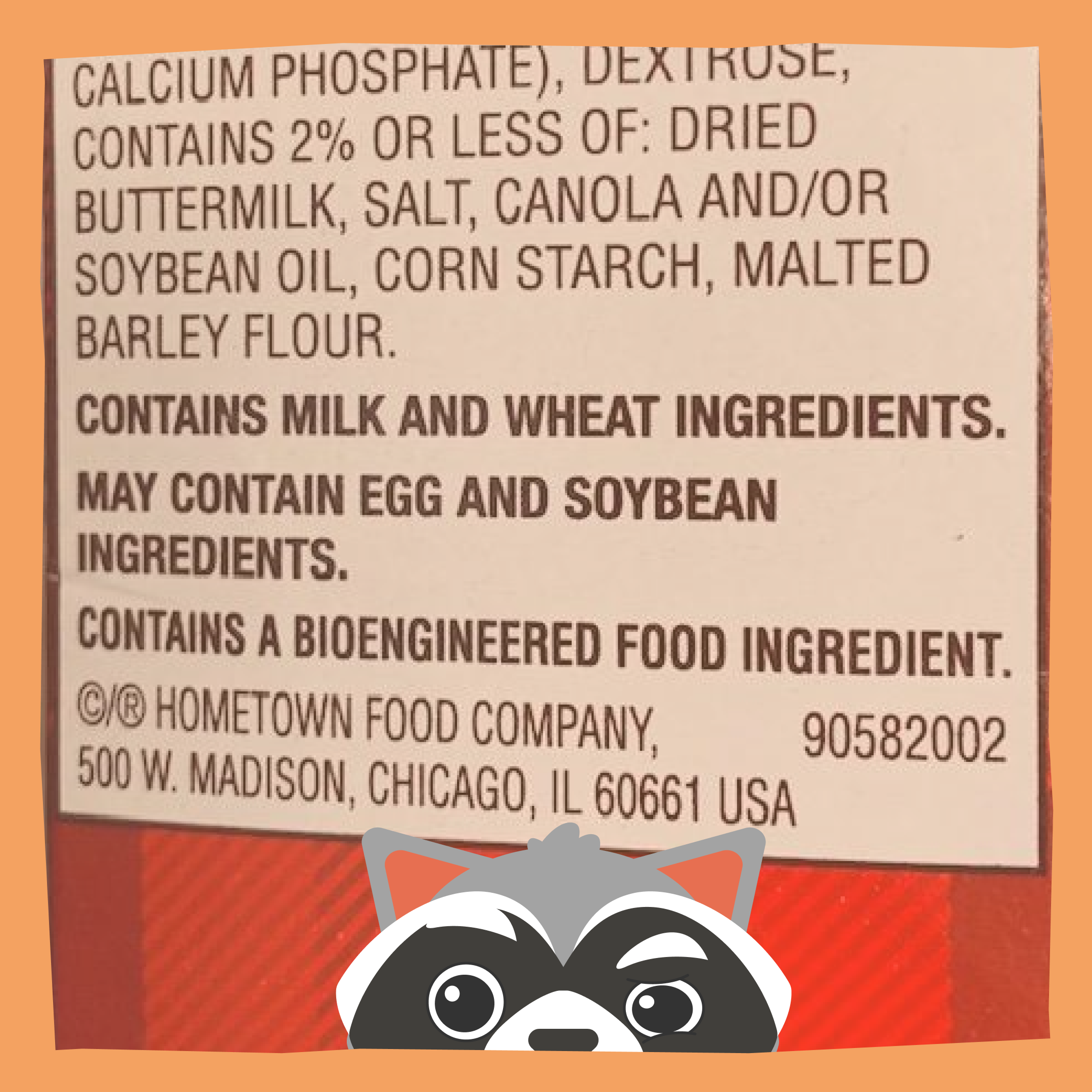
In the modern marketplace, a label is far more than a regulatory requirement; it is a primary touchpoint of communication between a corporation and its audience. When the USDA’s National Bioengineered Food Disclosure Standard took full effect, a new phrase began appearing on thousands of products across grocery store shelves: “Contains bioengineered food ingredients.” For consumer-facing brands, this shift from the colloquially known “GMO” (Genetically Modified Organism) to “Bioengineered” (BE) represents a significant pivot in brand strategy, transparency, and market positioning.
Understanding what this label means is not merely a matter of food science; it is an exploration of how brands navigate complex regulatory landscapes while attempting to maintain integrity and loyalty in an era of “clean label” demands. For a brand, the “Bioengineered” disclosure is a test of radical transparency and a strategic opportunity to redefine the narrative around technology in food.

The Shift from GMO to Bioengineered: A Strategic Linguistic Rebrand
The transition from “non-GMO” or “GMO-containing” terminology to the official “Bioengineered” designation was not accidental. In the world of brand strategy, names carry weight, and “GMO” had, over several decades, acquired a significant amount of negative baggage. By adopting the term “Bioengineered,” the regulatory framework provided brands with a linguistic “clean slate,” though this shift brought its own set of challenges in consumer education.
The Psychology of Terminology in Brand Perception
From a marketing perspective, “Bioengineered” sounds more clinical and scientific than “Genetically Modified,” which often conjures visceral, sometimes negative, imagery for the average consumer. For a brand, the use of the term “Bioengineered” allows for a more neutral stance. It moves the conversation away from the emotional debates of the 1990s and 2000s and into the realm of modern biotechnology. Strategic branding professionals recognize that the “BE” label acts as a technical disclosure rather than a warning sign, allowing brands to fulfill legal obligations without necessarily triggering the immediate defensive reaction that “GMO” labels once did.
Compliance as a Foundation for Brand Integrity
For a corporate entity, compliance is the baseline of brand health. The National Bioengineered Food Disclosure Standard requires food manufacturers, importers, and retailers to disclose BE ingredients if they contain detectable genetic material that has been modified through specific laboratory techniques. For a brand, failing to manage this disclosure properly is a massive risk to corporate identity. Whether a brand chooses to use a text disclosure, a specific symbol (the green “Bioengineered” sunburst icon), or a digital link (QR code), the method chosen reflects the brand’s overarching philosophy on consumer openness.
Transparency as a Competitive Brand Asset
In the current retail environment, transparency is no longer an optional “extra”—it is a core component of brand equity. Consumers, particularly Millennials and Gen Z, demand to know the provenance of their food. The “Contains Bioengineered Food Ingredients” label, while mandatory, serves as a litmus test for how a brand handles “uncomfortable” truths.
Building Radical Honesty in Marketing
The most successful brands today are those that lean into radical honesty. Instead of hiding the BE disclosure in small print on the bottom of a package, some brands are choosing to integrate it into their broader story about sustainability and global food security. When a brand explains why a certain ingredient is bioengineered—for example, to reduce pesticide use or to enhance nutritional profiles—it transforms a mandatory disclosure into a narrative of innovation. This approach shifts the brand identity from “compliant” to “pioneering.”
Managing the “Clean Label” Conflict
The “Clean Label” movement emphasizes simple, recognizable ingredients and minimal processing. The presence of the “Bioengineered” label can seem at odds with this movement. Brand strategists must navigate this friction by ensuring that other aspects of the brand’s identity—such as ethical sourcing, carbon-neutral shipping, or charitable giving—compensate for the perceived “artificiality” of bioengineered ingredients. The goal is to build a multi-dimensional brand where one technical disclosure does not negate the overall perception of quality and health.
Implementation Strategies: The Digital Link and the Customer Journey
How a brand chooses to display the bioengineered disclosure is a crucial design and UX (User Experience) decision. The USDA allows for several methods of disclosure, and each carries different implications for the brand’s relationship with its customers.
The Digital Disclosure and the QR Code Strategy
Many major brands have opted for the “digital link” or QR code method of disclosure. From a brand design perspective, this keeps the packaging “clean” and uncluttered. However, from a consumer trust perspective, it can be a double-edged sword. If a consumer feels a brand is “hiding” information behind a scan, it can damage trust. Conversely, a well-executed QR code can lead to a robust mobile landing page that provides deep context, videos of the farming process, and detailed FAQs. This turns a simple label into an interactive brand experience, providing far more value than a simple line of text ever could.
Visual Identity: The Use of the BE Symbol
The USDA’s official BE symbol—a stylized sun and leaf in green and yellow—was designed to be “neutral to leaning-positive.” Brands that choose to use this symbol on their packaging are often those that want to appear friendly and approachable. The choice of the symbol over text (“Contains Bioengineered Food Ingredients”) is a strategic one; symbols are processed faster by the human brain and carry less inherent “alert” energy than uppercase text. For a brand aimed at families or budget-conscious shoppers, the symbol maintains a sense of normalcy and routine.
Navigating Brand Sentiment and Potential Crises
The introduction of any new labeling requirement brings the risk of consumer backlash or activist intervention. Brands must be prepared to manage their reputation in the face of misinformation or shifting public sentiment regarding biotechnology.
Response Frameworks for Activist Backlash
In the digital age, a single viral post about “Frankenfoods” can threaten a brand’s reputation. A proactive brand strategy involves having a clear, science-based response framework ready. Brands that successfully navigate these waters are those that do not become defensive. Instead, they position themselves as facilitators of choice. By stating, “We provide this information so you can make the best choice for your family,” a brand empowers the consumer, effectively neutralizing the “us vs. them” dynamic that often characterizes food activism.
The Future of Biotech Branding: Beyond the Label
As bioengineering evolves—incorporating technologies like CRISPR and precision fermentation—the “Bioengineered” label will likely become more common. Forward-thinking brands are already looking at how to brand the benefits of these technologies. We are moving toward an era where “bioengineered for drought resistance” or “bioengineered for enhanced Omega-3s” could become a selling point rather than a disclosure to be managed. In this future, the brand that wins is the one that has already established a foundation of trust through clear, consistent labeling today.
Conclusion: The Label as a Mirror of Brand Values
The phrase “Contains bioengineered food ingredients” is more than a technicality of the USDA; it is a mirror reflecting a brand’s values regarding honesty, technology, and consumer respect. In the high-stakes world of food and beverage branding, the disclosure is an opportunity to lead.
By treating the BE label not as a hurdle to be cleared, but as a conversation to be started, brands can bridge the gap between complex science and consumer lifestyle. Whether through sophisticated digital integration or transparent narrative storytelling, the way a brand handles bioengineered ingredients will increasingly define its place in the competitive landscape of the 21st century. Ultimately, a brand is a promise—and in the world of bioengineering, that promise must be rooted in the unwavering clarity of what is inside the box.
aViewFromTheCave is a participant in the Amazon Services LLC Associates Program, an affiliate advertising program designed to provide a means for sites to earn advertising fees by advertising and linking to Amazon.com. Amazon, the Amazon logo, AmazonSupply, and the AmazonSupply logo are trademarks of Amazon.com, Inc. or its affiliates. As an Amazon Associate we earn affiliate commissions from qualifying purchases.