
The 1960s were a kaleidoscope of cultural shifts, social upheavals, and evolving linguistic landscapes. Amidst the revolutionary music, changing political tides, and burgeoning counterculture, language itself was in flux, reflecting and shaping the era’s sensibilities. One term that frequently surfaces when discussing the period is “broad.” While today it might sound dated or even offensive, understanding “what ‘broad’ meant in the 1960s” offers a fascinating window into the societal perceptions of women and, crucially, how these perceptions influenced personal branding, corporate marketing, and the very fabric of brand identity during a pivotal decade.
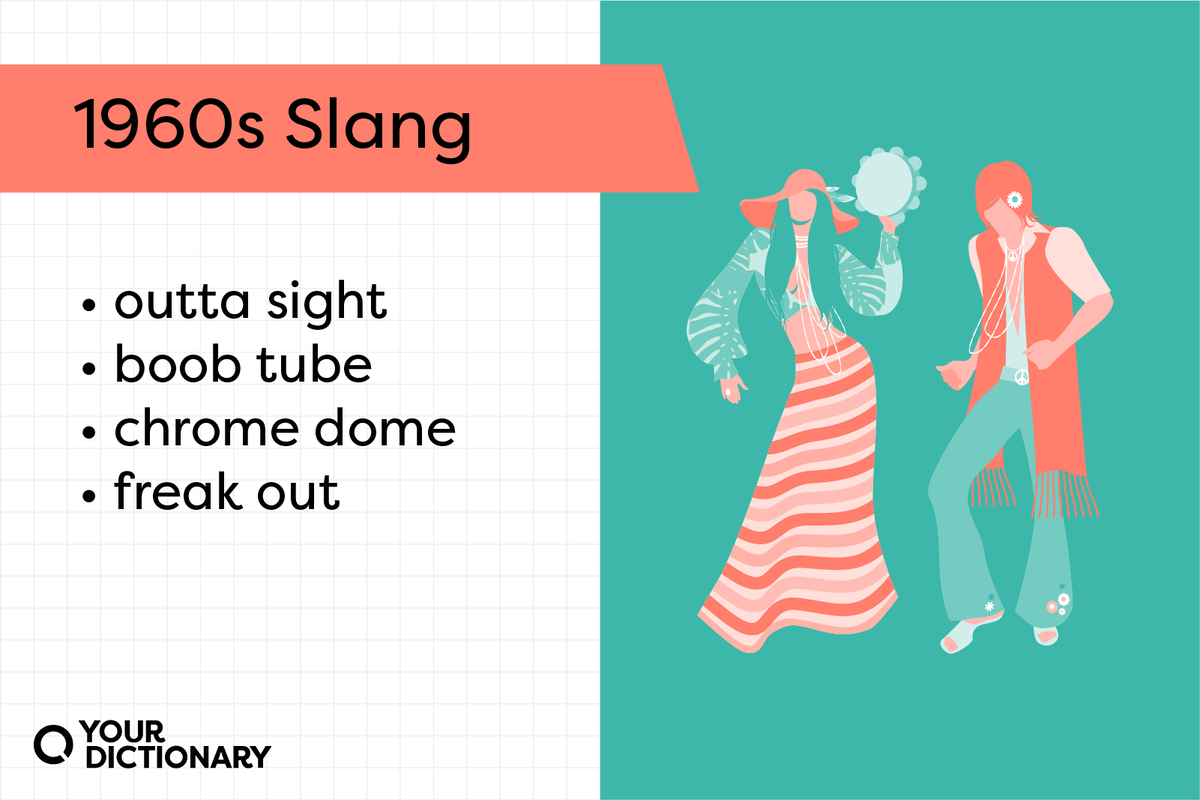
Far from its primary dictionary definition of wide or extensive, “broad” in the context of the 1960s primarily served as a colloquial, often informal, and sometimes mildly derogatory or familiar term for a woman. This article will delve into how this specific usage, and the broader social attitudes it represented, profoundly impacted the branding strategies of individuals and corporations alike, providing invaluable insights for contemporary brand professionals.
The Shifting Semantics of “Broad” and Its Societal Echoes
To grasp the branding implications of “broad” in the 1960s, one must first understand its place within the language of the time. The journey of this word from a descriptive adjective to a gender-specific colloquialism is critical to unraveling its brand impact.
From Expansive to Colloquial: The Word’s Evolution
Historically, “broad” denoted breadth, scope, or generality—as in a “broad view” or “broad shoulders.” However, by the early to mid-20th century, particularly in American English, it began to be used informally to refer to a woman. By the 1960s, this usage was firmly established. It wasn’t always overtly hostile; sometimes it carried a sense of casual familiarity, akin to “dame” or “chick,” especially in certain subcultures or social circles. However, it often held a subtle undertone of objectification, reducing a woman’s identity to a casual, sometimes dismissive, label. It rarely conveyed respect or gravitas, aligning instead with a more informal, sometimes even crude, portrayal.
Societal Perceptions and Gender Roles: The Underlying Context
The pervasive use of “broad” for women in the 1960s was a direct reflection of prevailing gender roles and societal attitudes. While the decade saw the nascent stirrings of the women’s liberation movement and growing demands for equality, traditional patriarchal structures largely remained intact. Women were still primarily expected to be homemakers, wives, or support staff in the professional world. The term “broad” encapsulated this societal lens, often implying a certain archetype: attractive, perhaps flirtatious, but largely defined by her relationship to men or domesticity rather than her individual achievements or intellect.
This linguistic reductionism created a complex environment for branding. For individuals, particularly women seeking to define themselves beyond traditional roles, the term “broad” was a constant reminder of the societal pigeonholes. For corporate brands, understanding this ingrained perception was crucial for effective market segmentation and message crafting, as they navigated how to speak to, and about, this significant demographic.
Personal Branding in an Era of “Broads”: Identity and Perception
In the 1960s, the concept of “personal branding” was not explicitly articulated as it is today, but the fundamental principles of crafting and managing one’s public image were very much in play. For women, this endeavor was deeply intertwined with the societal currency of terms like “broad.”
Navigating Public Image and Stereotypes
Women in the public eye—actresses, musicians, journalists, or early female professionals—faced the unique challenge of cultivating a personal brand that transcended or subverted the casual stereotypes embedded in terms like “broad.” To be labeled a “broad” could diminish one’s gravitas, reducing complex individuals to mere caricatures. Consequently, many women consciously (or unconsciously) strategized their presentation to project an image of professionalism, intelligence, or sophisticated allure that resisted such simplistic labels. This involved careful consideration of their attire, speech, public demeanor, and the roles they chose, all contributing to a deliberate personal brand narrative designed to elevate their status beyond a mere colloquialism. For instance, a serious journalist would aim to cultivate a brand of intellectual rigor, consciously distancing herself from the “broad” image often associated with less serious entertainment figures.
The Rise of Individuality vs. Collective Labels
The 1960s were also a period when individuality began to be celebrated more openly, spurred by counterculture movements. This tension between collective labels (like “broad”) and individual expression became a fertile ground for personal branding. Icons of the era, such as Jackie Kennedy, Audrey Hepburn, or Gloria Steinem, each crafted distinct personal brands that defied easy categorization. Jackie Kennedy projected elegance and grace, a brand of First Lady that transcended mere appearance. Audrey Hepburn’s brand was one of timeless sophistication and gentle charm. Gloria Steinem, on the other hand, built a powerful brand of fierce intellect and feminist activism.
These women, by carving out unique and powerful identities, demonstrated the nascent power of personal branding to challenge and redefine societal expectations. Their success in establishing strong, distinct public images helped pave the way for future generations to understand personal branding not just as self-promotion, but as a critical tool for self-definition against a backdrop of prevailing cultural narratives and limiting language.
Corporate Branding and the “Broad” Demographic: Marketing to Women in the 1960s
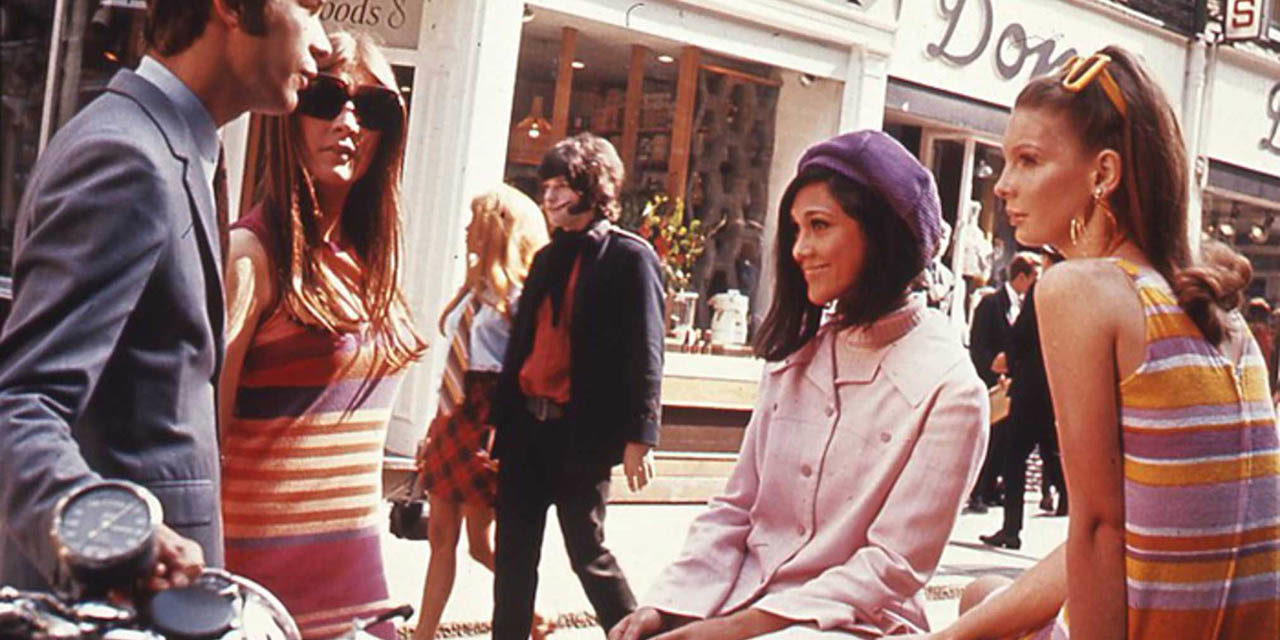
If individuals grappled with the implications of being labeled a “broad,” corporations were equally engaged in understanding and leveraging (or sometimes misinterpreting) the “broad” demographic for their marketing efforts.
Targeted Advertising and Gendered Products
The 1960s saw a boom in consumer culture, and women, as primary household purchasers, were a crucial target market. Brands, acutely aware of the traditional gender roles, meticulously segmented their audiences and crafted advertisements specifically for “broads.” This often meant reinforcing stereotypes. Ads for household appliances showcased women joyfully performing domestic chores; beauty products promised youth and allure to secure a husband; fashion magazines dictated styles that emphasized femininity and appeal to the male gaze.
The language and imagery in these campaigns were carefully chosen to resonate with the perceived aspirations and roles of women in that era. While not explicitly using the term “broad” in ad copy (it was too informal for most corporate communication), the underlying assumptions about women’s interests and desires—often simplified and generalized—mirrored the reductive nature of the colloquialism. Products were “branded” with an almost exclusive female focus, from cleaning supplies to cosmetics, creating distinct gendered markets.
The Double-Edged Sword of “Broad Appeal”
Brands often aimed for “broad appeal” among their female consumers, attempting to capture a wide segment of the market. However, this pursuit of broad appeal often led to generic or stereotypical messaging that risked alienating a growing segment of women who were beginning to question traditional roles. For example, an ad showing a woman ecstatic over a new vacuum cleaner might resonate with some, but others, perhaps those entering the workforce or seeking greater intellectual fulfillment, might find it condescending.
This created a double-edged sword: while leveraging established stereotypes could lead to immediate sales by tapping into familiar narratives, it also meant brands risked becoming outdated as societal attitudes began to shift. The challenge for marketers was to understand when “broad appeal” crossed the line into simplistic or even patronizing messaging, a lesson that remains highly relevant in today’s diverse markets.
Early Whispers of Empowerment (and Backlash)
As the 1960s progressed, the burgeoning women’s liberation movement began to subtly influence advertising narratives. Some forward-thinking brands started to experiment with messaging that hinted at female independence or intellectual capacity, albeit cautiously. For example, advertisements might show women in professional settings or engaged in activities beyond the home, subtly pushing against the “broad” archetype. These early attempts at progressive branding were often met with mixed reactions, reflecting the societal tension between tradition and change. A successful brand campaign, therefore, had to walk a delicate tightrope: acknowledging the evolving aspirations of women without alienating more conservative segments of the market. This period laid the groundwork for future brand strategies that would eventually embrace and champion women’s empowerment, but in the 1960s, these were just whispers.
The Lingering Impact: Language, Brand Evolution, and Legacy
The 1960s, and the specific meaning of “broad” within it, offers a profound case study in the symbiotic relationship between language, social norms, and brand strategy.
Beyond the 1960s: The Decline of “Broad” in Branding
As societal attitudes shifted more dramatically in the 1970s and beyond, the term “broad” largely fell out of favor, especially in formal or marketing contexts. Increased awareness of gender equality, the rise of feminism, and a general move towards more inclusive language rendered such terms outdated and often offensive. Brands, always sensitive to cultural currents, quickly adapted, realizing that using or even subtly evoking such language could severely damage their reputation and alienate their target demographic. The decline of “broad” in common parlance illustrates how brand language is a living entity, constantly evolving and requiring careful stewardship.
Lessons for Modern Brand Strategy
The historical context of “broad” in the 1960s provides invaluable lessons for contemporary brand professionals. It underscores the critical importance of:
- Inclusive Language: The casual sexism embedded in terms like “broad” highlights the need for brands today to use inclusive, respectful, and empowering language in all communications.
- Authentic Representation: Brands must move beyond stereotypical portrayals of any demographic. Authentic representation builds trust and fosters stronger connections with diverse audiences.
- Understanding Cultural Nuances: What might be acceptable slang in one era or subculture can be deeply problematic in another. Brands must constantly monitor and adapt to evolving cultural sensitivities to remain relevant and respected. The pitfalls of relying on reductive labels, which were evident in the 1960s, are even more pronounced in today’s hyper-connected and socially conscious world.

The Power of Perception in Brand Building
Ultimately, the story of “broad” in the 1960s reinforces a fundamental truth of branding: perception is paramount. The words we use, the images we create, and the narratives we construct all contribute to how a brand is perceived, whether it’s a personal brand or a corporate entity. The term “broad” was more than just a word; it was a cultural marker that deeply influenced how women were perceived, how they crafted their own identities, and how brands engaged with them.
In the ever-complex world of brand building, understanding the dynamic interplay between societal norms, linguistic evolution, and strategic communication remains as crucial today as it was in the vibrant, tumultuous 1960s. The legacy of “broad” serves as a powerful reminder of language’s critical role in shaping brand identity and fostering meaningful connections with an audience.
aViewFromTheCave is a participant in the Amazon Services LLC Associates Program, an affiliate advertising program designed to provide a means for sites to earn advertising fees by advertising and linking to Amazon.com. Amazon, the Amazon logo, AmazonSupply, and the AmazonSupply logo are trademarks of Amazon.com, Inc. or its affiliates. As an Amazon Associate we earn affiliate commissions from qualifying purchases.