
In the intricate world of finance and risk management, the role of an underwriter is both pivotal and often misunderstood. Far from being a mere administrative function, underwriting is the financial bedrock upon which the entire insurance industry is built. At its core, an underwriter is a financial gatekeeper, meticulously assessing risk to determine whether an insurance company should assume it, and if so, at what price. Their decisions directly influence an insurer’s profitability, solvency, and competitive position in the market, making them indispensable architects of financial stability.
The complexities of modern financial landscapes, coupled with an ever-evolving array of risks – from natural disasters and health crises to cyber threats and economic downturns – necessitate a sophisticated approach to risk evaluation. Underwriters are the specialists who navigate these complexities, translating potential uncertainties into calculable financial terms. They are not merely following a checklist; rather, they employ a blend of financial acumen, analytical rigor, and nuanced judgment to make decisions that protect the financial interests of both the insurer and the insured. Understanding their function is key to appreciating how insurance works as a vital financial tool for individuals and businesses alike.
The Financial Core: Assessing, Pricing, and Managing Risk
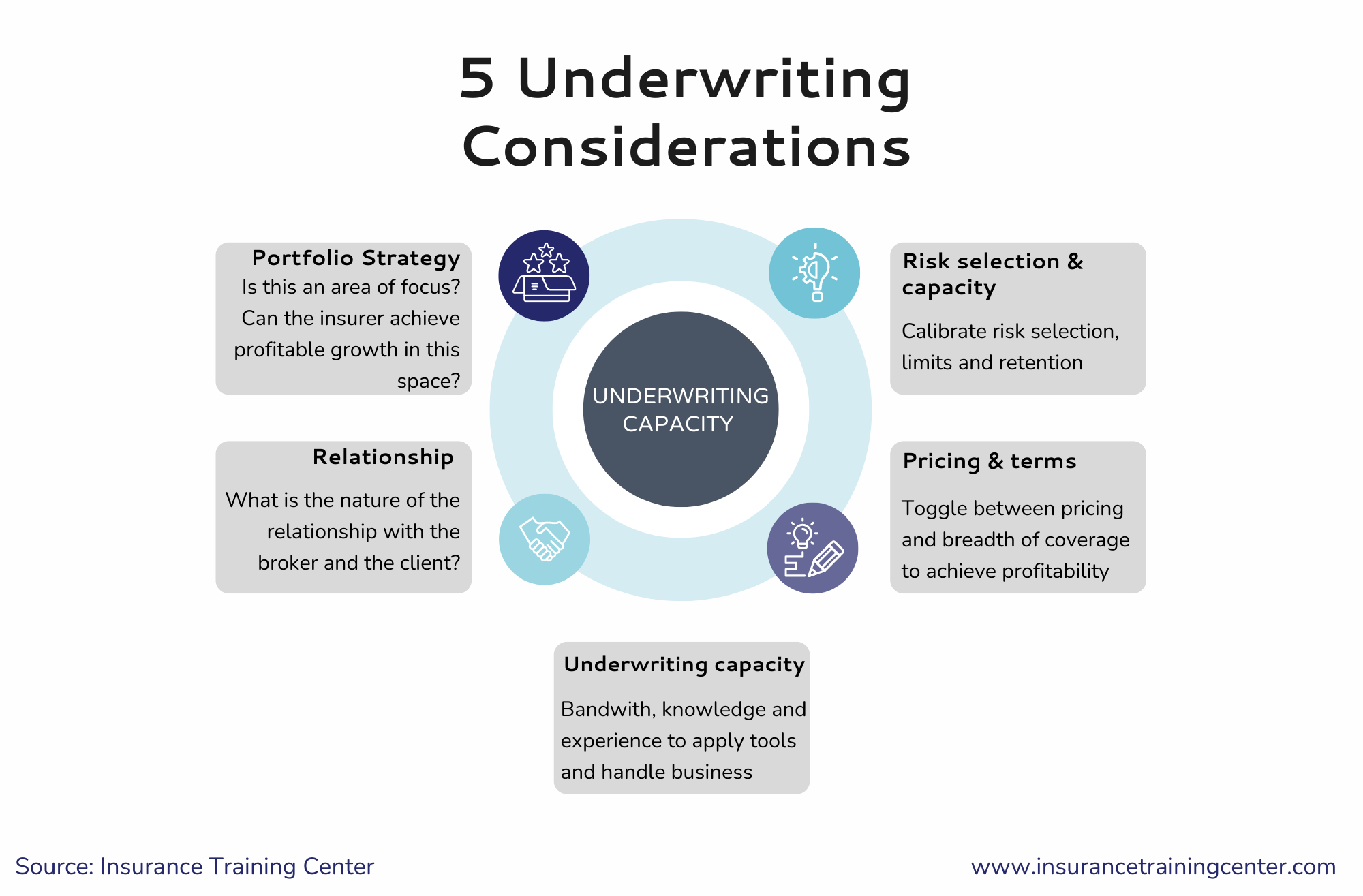
The primary responsibility of an underwriter revolves around the financial evaluation and management of risk. Every insurance policy represents a promise: the insurer promises financial compensation in the event of a covered loss, in exchange for regular premium payments from the insured. The underwriter’s job is to ensure this exchange is financially viable for the insurer while offering fair value to the policyholder.
Identifying and Evaluating Financial Risk Factors
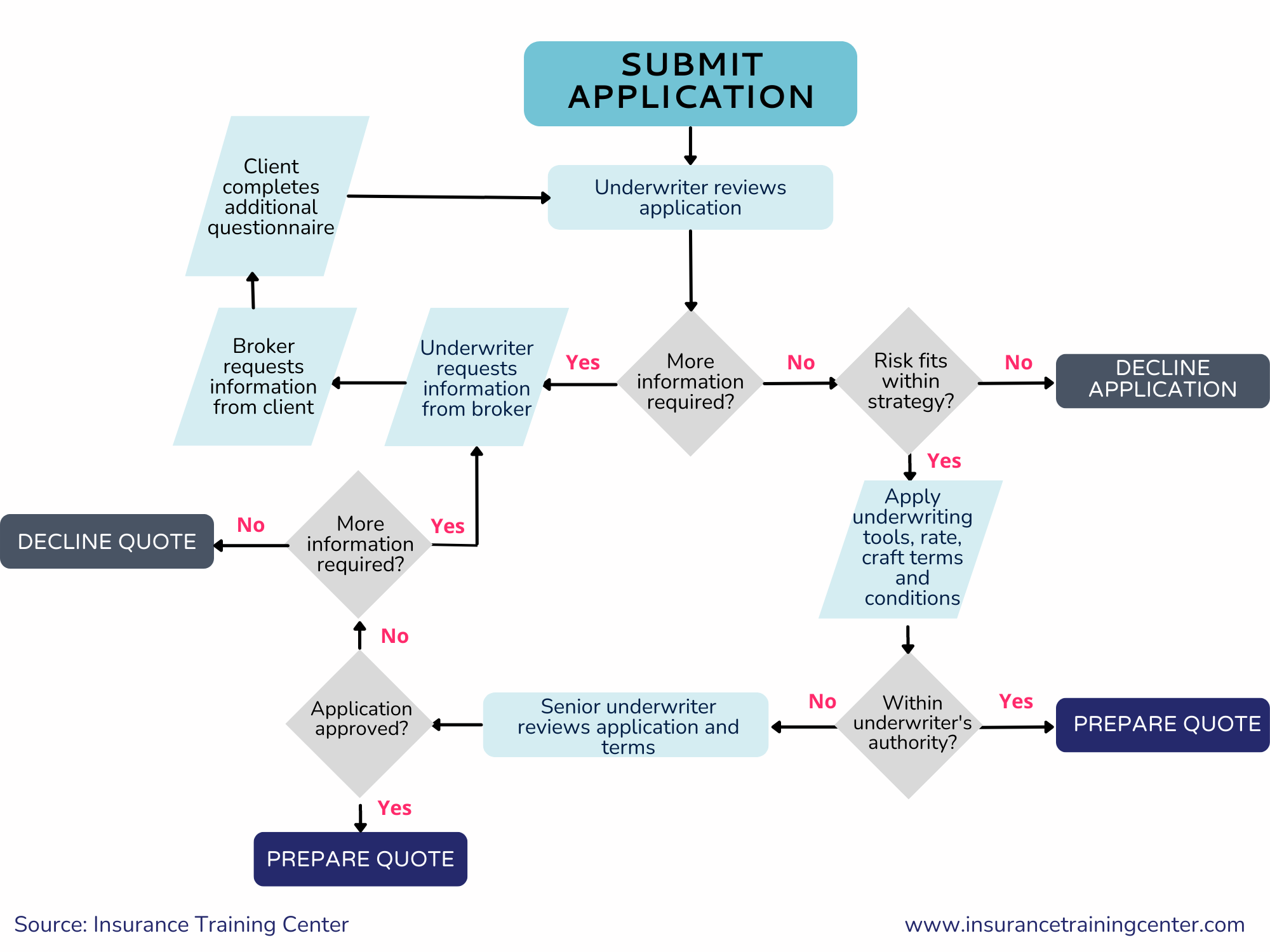
Before a policy can be issued, an underwriter must meticulously identify and evaluate all potential financial risks associated with insuring a particular individual, property, or business. This involves a deep dive into various data points that could indicate a higher propensity for claims or financial loss. For a life insurance policy, factors like medical history, age, lifestyle choices, occupation, and even family medical history are scrutinized to gauge the probability of payout. In property insurance, the location, construction type, past claims history, and environmental risks (e.g., flood zones, earthquake susceptibility) are paramount. For business insurance, the underwriter delves into the company’s financial health, industry sector risks, operational procedures, safety records, and contractual liabilities. Each piece of information is a puzzle piece contributing to a comprehensive financial risk profile. They aren’t just looking at the event itself, but its potential financial ramifications – how much could it cost the insurer? What is the frequency? What is the severity?
Quantifying Risk and Setting Actuarially Sound Premiums
Once the risks are identified, the underwriter moves to the critical phase of quantification. This is where robust financial modeling and actuarial science come into play. Underwriters, often in collaboration with actuaries, translate qualitative risks into quantitative financial probabilities. They use statistical data, historical loss ratios, economic forecasts, and predictive analytics to estimate the likelihood of a claim occurring and the potential financial cost if it does. This analysis directly informs the premium calculation. The premium must be sufficient to cover anticipated claims, administrative expenses, and contribute to the insurer’s reserves and profit margins, all while remaining competitive in the market. An improperly priced policy – too low – can lead to financial losses for the insurer, potentially jeopardizing its solvency. Too high, and the insurer loses business to competitors. This delicate balance underscores the underwriter’s role as a key financial strategist.
Balancing Profitability with Market Competitiveness
The underwriter operates at the intersection of financial prudence and market dynamics. While the imperative to generate profit for the insurer is paramount, they cannot operate in a vacuum. Insurance is a competitive industry, and pricing must reflect market realities. An underwriter’s decision to accept or decline a risk, or to quote a specific premium, is a strategic financial move. They must assess the potential return on investment (ROI) for each policy. This involves considering the cost of capital, the insurer’s desired profit margin, and the prevailing market rates. It’s a continuous negotiation between the perceived value of the risk and the price the market is willing to bear. Their role is intrinsically linked to the financial health and growth trajectory of the entire insurance enterprise, ensuring sustainable business practices that benefit shareholders and policyholders alike.
The Underwriter’s Analytical Toolkit: Data, Expertise, and Due Diligence
To effectively perform their duties, underwriters rely on a sophisticated toolkit comprising advanced analytical methods, extensive data analysis, and a deep understanding of market specificities, all filtered through professional judgment and adherence to financial regulations.
Leveraging Financial Data and Historical Trends
Data is the lifeblood of underwriting. Underwriters analyze vast amounts of financial data, including individual credit scores, historical claims data, industry-specific financial performance metrics, and broader economic indicators. They look for patterns and trends that can inform their risk assessments. For instance, in auto insurance, they might analyze accident rates based on age groups, vehicle types, or geographical locations. In commercial insurance, they study industry loss data, balance sheets, and cash flow statements to gauge a business’s financial stability and resilience to various shocks. Predictive analytics and machine learning are increasingly integrated into their processes, allowing for more granular risk segmentation and dynamic pricing strategies, transforming raw data into actionable financial intelligence.
The Imperative of Regulatory and Financial Compliance
The insurance industry is heavily regulated, and underwriters must operate strictly within these legal frameworks. Regulatory bodies (such as state departments of insurance in the U.S.) enforce rules designed to protect consumers and ensure the financial solvency of insurers. Underwriters must ensure that their policies comply with all applicable laws, including consumer protection acts, fair trade practices, and solvency requirements. This involves understanding complex statutes related to premium rates, policy language, disclosure requirements, and non-discrimination. Non-compliance can lead to hefty financial penalties, reputational damage, and even loss of operating licenses. Thus, the underwriter’s role also encompasses a critical legal and compliance function, safeguarding the financial integrity of the company.

Developing Expertise in Niche Financial Markets
While general underwriters handle a broad range of policies, many specialize in niche markets, developing deep expertise in specific financial products or industry sectors. This specialization is crucial because the financial risks and regulatory landscapes can vary dramatically. For example, an underwriter specializing in marine insurance will understand the unique financial risks associated with shipping, cargo, and maritime law. A professional liability underwriter will grasp the specific financial liabilities faced by doctors, lawyers, or architects. This specialized knowledge allows them to more accurately assess complex risks, devise tailored coverage solutions, and price policies more effectively within specific financial segments, contributing significantly to an insurer’s competitive edge and profitability in these targeted markets.
Impact on Financial Stability and Economic Growth
The meticulous work of underwriters extends beyond individual policy decisions; it underpins the financial stability of insurance companies, policyholders, and the broader economy. Their judicious application of financial principles helps create a more secure economic environment.
Protecting Insurers from Excessive Financial Losses
Perhaps the most direct financial impact of an underwriter’s role is protecting the insurance company itself. By carefully selecting risks and pricing them appropriately, underwriters prevent the accumulation of liabilities that could overwhelm the insurer’s financial reserves. They act as the first line of defense against adverse selection – the tendency for those at higher risk to seek insurance more aggressively. Without effective underwriting, an insurer could find itself paying out far more in claims than it collects in premiums, leading to financial insolvency. Their decisions ensure the long-term viability and financial health of the institution, allowing it to fulfill its promises to policyholders.
Enabling Economic Activity and Investment Through Risk Transfer
Beyond internal financial stability, underwriters facilitate economic growth by enabling risk transfer. Businesses and individuals are often hesitant to undertake ventures that carry significant financial risk without a safety net. By providing insurance, underwriters allow these entities to offload potential financial losses, freeing up capital and encouraging investment, innovation, and expansion. A construction company can take on a large project knowing that potential liabilities are covered; an individual can purchase a home confident that their largest asset is protected. This risk transfer mechanism, orchestrated by underwriters, lubricates the wheels of commerce and personal financial planning, fostering a more dynamic and resilient economy.
Contributing to Financial Product Innovation and Market Expansion
As markets evolve and new risks emerge, underwriters play a crucial role in developing new financial products and expanding insurance offerings. When industries innovate, or societal needs shift, underwriters are on the front lines, assessing these new exposures and designing corresponding insurance solutions. For example, the rise of the digital economy has led to a surge in demand for cyber insurance, a complex product requiring underwriters to understand sophisticated technological and financial risks. Their ability to analyze novel risks and create viable financial products drives market expansion, meeting evolving consumer and business needs, and opening up new revenue streams for insurers.
The Underwriter in the Digital Age: Evolution and Future Trends
The role of the underwriter is not static. The advent of new technologies and evolving risk landscapes continues to reshape their function, pushing them towards more analytical and strategic financial roles.
Automation and AI in Risk Assessment
The digital revolution is profoundly impacting underwriting. Artificial intelligence, machine learning, and big data analytics are automating many routine tasks, allowing for faster processing of applications and more precise risk segmentation. AI algorithms can analyze vast datasets to identify subtle risk correlations that human underwriters might miss, leading to more accurate financial predictions and personalized pricing. While automation handles the repetitive data gathering and initial risk scoring, the underwriter’s judgment remains crucial for complex cases, unique risks, and strategic decision-making, shifting their focus from data entry to data interpretation and high-level financial strategy.
The Growing Importance of Cyber Risk and Digital Assets
In an increasingly interconnected world, cyber risk has emerged as a significant financial threat. Underwriters are at the forefront of understanding and quantifying these intangible, yet potentially devastating, risks. They must assess an organization’s digital infrastructure, cybersecurity protocols, data privacy practices, and potential financial exposure to cyberattacks. This specialized field requires a blend of technical understanding and financial risk assessment, highlighting the evolving nature of an underwriter’s expertise to protect digital assets and financial data. The financial implications of data breaches, ransomware attacks, and business interruption due to cyber incidents are immense, making cyber underwriting a rapidly growing and critical financial domain.
A Rewarding Career in Financial Risk Management
For individuals with a strong aptitude for financial analysis, critical thinking, and a keen interest in problem-solving, a career in underwriting offers significant opportunities within the broader financial sector. It’s a field that demands continuous learning, adaptability, and the ability to make high-stakes financial decisions. Underwriters are instrumental in safeguarding financial assets, enabling economic activity, and shaping the future of risk management. As the world becomes more complex, the need for skilled financial professionals who can accurately assess and price risk will only continue to grow, solidifying the underwriter’s indispensable position in the financial ecosystem. Their work is a testament to the power of informed financial judgment in navigating an uncertain future.
aViewFromTheCave is a participant in the Amazon Services LLC Associates Program, an affiliate advertising program designed to provide a means for sites to earn advertising fees by advertising and linking to Amazon.com. Amazon, the Amazon logo, AmazonSupply, and the AmazonSupply logo are trademarks of Amazon.com, Inc. or its affiliates. As an Amazon Associate we earn affiliate commissions from qualifying purchases.