
In the realm of home and business security, few names resonate with the immediate recognition and trust that ADT commands. For generations, the bold blue and white shield has been a ubiquitous symbol of protection, adorning homes and businesses across the globe. Yet, for many, the origins of this iconic name, specifically what the acronym “ADT” actually stands for, remain an intriguing mystery. Understanding the etymology of ADT is not merely a historical curiosity; it’s an insightful journey into the foundational pillars of a brand that has meticulously built and maintained its corporate identity and market leadership for over a century.
The story of ADT is a compelling narrative of innovation, adaptation, and an unwavering commitment to security that began long before the advent of digital cameras or smart home automation. It’s a testament to how a brand, born from a specific technological context, can evolve its offerings while retaining the core values encapsulated within its very name. Delving into “what ADT stands for” reveals layers of brand strategy, corporate identity, and the enduring power of a name that has become synonymous with safety.
The Etymology of a Security Giant: A Historical Perspective
The name ADT, while now a standalone and powerful brand identifier, is indeed an acronym with roots stretching back to the latter half of the 19th century. Its origins lie in a period of rapid technological advancement, particularly in communication systems, which laid the groundwork for modern security solutions.
From Telegraphs to Total Protection: The American District Telegraph Company
ADT was originally founded in 1874 as The American District Telegraph Company. This name directly reflects the prevalent communication technology of its era. At a time when the telegraph was the cutting-edge method for transmitting messages quickly over long distances, district telegraph companies emerged to provide localized, instant communication services. These services were not just for public messaging; they quickly found application in summoning assistance.
Initially, ADT’s primary business revolved around call boxes. Customers could use these boxes, installed in their homes or businesses, to signal for various services: calling a messenger, requesting a doctor, or, critically, alerting authorities to a fire or break-in. This foundational service, leveraging telegraph technology, established ADT as a vital link between citizens and emergency response. The ability to quickly and reliably summon help during an emergency was a revolutionary concept, laying the very bedrock of what we now consider modern security monitoring. The “American District” part signified its localized, widespread presence across American cities, while “Telegraph” explicitly stated the technology enabling its services.
The Enduring Power of a Name: Why the Acronym Stuck
As technology progressed and new methods of communication and security emerged, the full name “The American District Telegraph Company” gradually became antiquated. The telegraph, while foundational, was eventually superseded by telephony, radio, and later, digital networks. However, the acronym “ADT” had already cemented itself in the public consciousness. It was short, memorable, and had, through years of consistent service, become deeply associated with reliability and security.
The decision to retain “ADT” as the core brand identity, even as the specific “telegraph” technology faded from prominence, was a strategic masterstroke in corporate branding. It allowed the company to shed its technological past without losing its historical equity. The acronym transcended its literal meaning to become a symbol of what the company does rather than how it does it. This transition is a classic example of a brand evolving beyond its initial descriptive name, allowing for greater flexibility in product development and market positioning without diluting brand recognition or trust. The name “ADT” became synonymous with security itself, rather than just a specific technological delivery method.
More Than Just Letters: ADT as a Brand Symbol
Beyond its historical origins, the ADT name has evolved into a powerful brand symbol, meticulously cultivated over decades to evoke specific emotions and assurances in the minds of consumers. It represents a promise, a standard, and a legacy in the security industry.
Associative Power: Trust, Reliability, and Peace of Mind
The real power of the ADT brand lies in its associative strength. Over nearly 150 years, ADT has consistently delivered on its core promise: protection. This consistent performance has imbued the acronym with powerful associations:
- Trust: Consumers trust ADT to keep their homes and families safe. This trust is built on a long history of effective monitoring and rapid response.
- Reliability: The brand is perceived as a reliable guardian, always on watch, always ready to act. This perception is crucial in an industry where failure can have dire consequences.
- Peace of Mind: Ultimately, what ADT sells is peace of mind. Knowing that a professional, established system is watching over one’s property allows individuals to live and work with less anxiety.
These associations are not accidental; they are the result of deliberate brand strategy, consistent service delivery, and extensive marketing efforts that reinforce these core values across all touchpoints. The acronym, once purely descriptive, now functions as a powerful shorthand for these intangible benefits.
Visual Identity and Brand Recognition: The ADT Logo
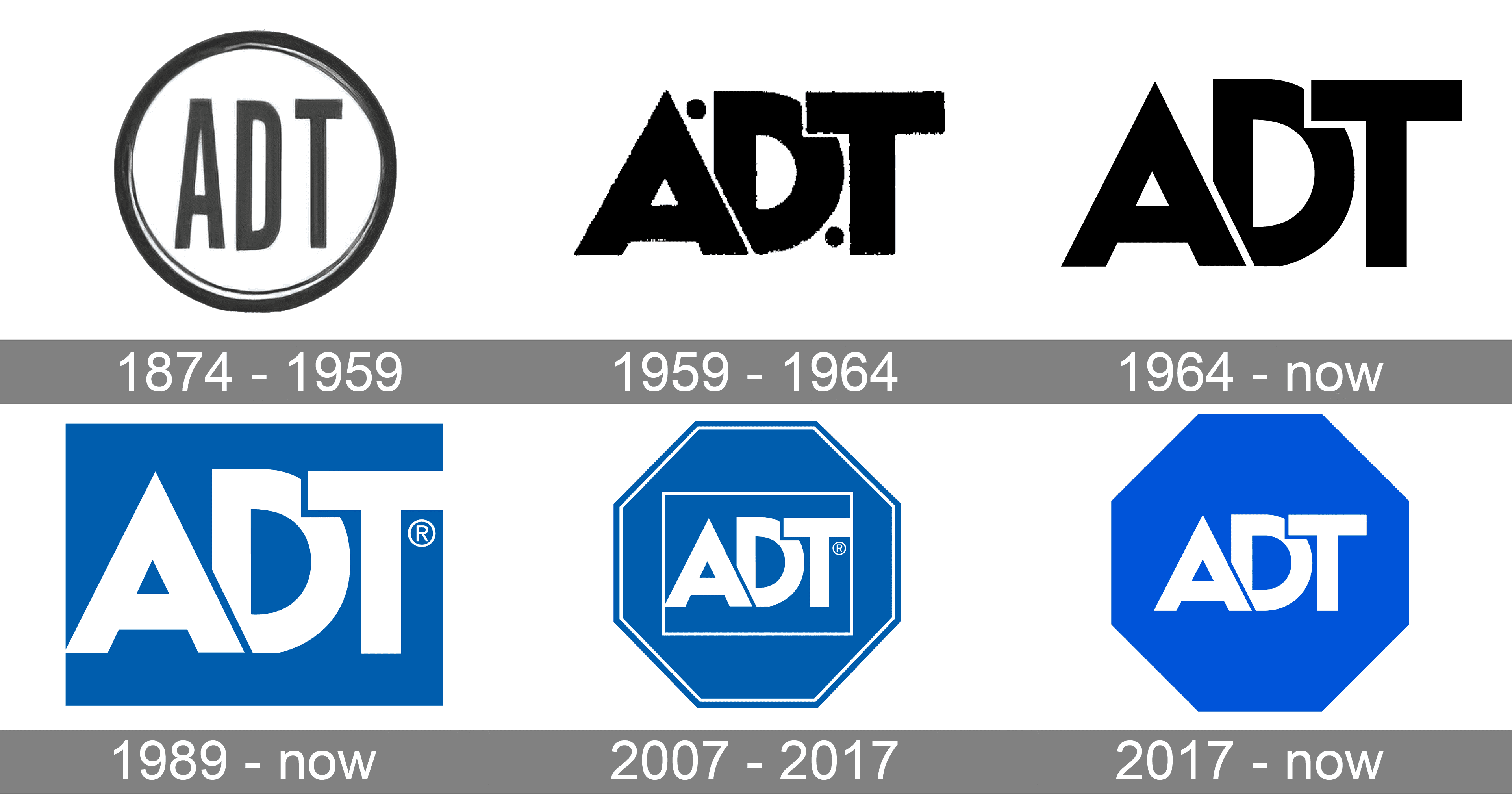
Complementing the strong brand name is ADT’s distinctive visual identity. The iconic ADT shield logo, typically in blue and white, is instantly recognizable. This visual element works in tandem with the name to create a cohesive and powerful brand image. The shield itself is a universal symbol of protection and defense, perfectly aligning with the company’s mission. The color blue often evokes feelings of security, stability, and trust, further reinforcing the brand’s core message.
This consistent visual branding, seen on yard signs, alarm panels, advertisements, and company vehicles, has played a critical role in establishing ADT’s pervasive brand recognition. When consumers see the ADT shield, they immediately connect it with the established brand promise of security, regardless of whether they know what the letters originally stood for. This synergy between the verbal (the name) and visual (the logo) identity is a cornerstone of effective brand building.
Evolving the Brand Narrative: Adapting to Modern Security Needs
A truly robust brand is not static; it evolves with its market and consumer needs. ADT has masterfully navigated this evolution. While its original service was telegraph-based alerts, today’s ADT offers a sophisticated ecosystem of smart home security devices, including advanced cameras, intelligent sensors, home automation, and professional monitoring services accessible via mobile apps.
The brand narrative has seamlessly shifted from simply “alerting the telegraph company” to “providing comprehensive, integrated smart security for the modern home and business.” The strength of the ADT brand allowed it to absorb these technological shifts without losing its identity. Instead, it leveraged its legacy of trust to introduce new, cutting-edge solutions, assuring consumers that even with new tech, the underlying promise of security remained steadfast. This adaptation showcases a forward-thinking brand strategy that respects its heritage while embracing innovation.
Building a Brand Beyond its Acronym: ADT’s Market Positioning
In a highly competitive market saturated with new entrants, ADT has managed to maintain its leadership by strategically positioning its brand not just on its name, but on the comprehensive value it delivers.
Strategic Messaging: Emphasizing Safety and Smart Home Integration
ADT’s strategic messaging focuses on the holistic benefits of its services. While safety remains paramount, the brand has broadened its appeal by integrating smart home functionalities. Messages often highlight how ADT systems not only protect against intruders and fires but also offer convenience, energy management, and remote control over various aspects of the home. This broader value proposition positions ADT as a lifestyle enhancer, not just an emergency service provider.
Their marketing campaigns often feature scenarios that resonate with everyday family concerns—children arriving home safely, packages being delivered securely, or elderly relatives being monitored—all underpinned by the reassurance of ADT’s professional monitoring. This emotional connection, coupled with the tangible benefits of smart technology, forms the core of ADT’s contemporary brand message.
Customer Experience as a Brand Pillar: Service and Support
For a brand built on trust and reliability, customer experience is non-negotiable. ADT invests heavily in its customer service and support infrastructure, recognizing that the interaction points between the company and its users are critical for brand perception. From initial consultation and installation to ongoing monitoring and technical support, every touchpoint is an opportunity to reinforce the brand’s commitment to its customers.
The human element—the trained security professionals, the responsive call centers, the efficient technicians—adds a layer of reassurance that differentiates ADT from purely DIY solutions. This emphasis on professional service reinforces the brand’s premium positioning and contributes significantly to customer loyalty and positive word-of-mouth, which are invaluable assets for any legacy brand.
Differentiating in a Competitive Landscape: The ADT Advantage
In a market increasingly crowded with innovative startups and tech giants offering their own security solutions, ADT’s established brand identity serves as a significant differentiator. While new companies might offer cutting-edge features, ADT’s long-standing reputation for reliability and professional monitoring provides a level of assurance that is hard to replicate quickly.
The “ADT Advantage” lies in its blend of heritage and innovation. It combines the trust built over more than a century with the integration of modern smart home technologies. This allows ADT to appeal to a broad demographic, from those who prioritize traditional, robust security to those who seek the convenience and advanced features of a connected home. The brand message effectively communicates that with ADT, customers don’t have to choose between proven reliability and technological advancement; they get both.
The Future of the ADT Brand: Innovation and Identity
The security landscape is constantly evolving, driven by technological advancements and changing consumer expectations. For the ADT brand, maintaining its relevance and leadership means continuously adapting while staying true to its core identity.
Embracing New Technologies Under an Established Banner
The ADT brand continues to embrace emerging technologies, integrating AI, machine learning, and advanced analytics into its security solutions. From intelligent video surveillance that can differentiate between people and pets to predictive analytics that identify potential threats, ADT leverages these innovations to enhance its protective capabilities. The challenge, and opportunity, for the brand is to effectively communicate these complex advancements in a way that resonates with its established message of simplicity, reliability, and peace of mind.
By consistently bringing cutting-edge technology under the trusted ADT banner, the company reinforces its position as a forward-thinking leader that never compromises on the core promise of security. This strategic approach ensures that ADT remains at the forefront of the industry, offering solutions that are both technologically advanced and deeply trusted.
Sustaining Brand Relevance in a Digital Age
In an era dominated by digital interaction, social media, and online reviews, brand perception is more dynamic than ever. ADT’s strategy involves not only maintaining its physical presence but also strengthening its digital footprint. This includes engaging with customers through online platforms, providing user-friendly apps, and ensuring a seamless digital customer journey.
Sustaining brand relevance also involves understanding and catering to younger demographics who might be less familiar with ADT’s long history but are highly attuned to smart home technology and subscription-based services. The brand must continue to tell its story and showcase its value in ways that resonate with new generations, demonstrating that its legacy of trust is not just historical, but actively re-earned every day through innovation and superior service.

Global Reach and Brand Consistency
While ADT began as the “American District Telegraph Company,” its operations and brand recognition have extended globally, particularly in North America. As markets become increasingly interconnected, maintaining brand consistency across different regions and cultures is paramount. This means ensuring that the core values of trust, reliability, and peace of mind are communicated effectively, regardless of geographical location.
The ADT brand, no longer tied to its literal telegraph roots, stands as a universal symbol of security. Its journey from a descriptive acronym to a powerful, emotive brand identity is a compelling case study in corporate longevity and strategic brand management. By understanding what ADT stands for, both literally and figuratively, we gain a deeper appreciation for the meticulous effort involved in building and sustaining one of the most recognized and trusted brands in the world. It’s a powerful reminder that a brand’s true strength lies not just in its name, but in the unwavering promise and legacy it embodies.
aViewFromTheCave is a participant in the Amazon Services LLC Associates Program, an affiliate advertising program designed to provide a means for sites to earn advertising fees by advertising and linking to Amazon.com. Amazon, the Amazon logo, AmazonSupply, and the AmazonSupply logo are trademarks of Amazon.com, Inc. or its affiliates. As an Amazon Associate we earn affiliate commissions from qualifying purchases.