
In the world of software engineering and digital infrastructure, the term “wart” is often used colloquially to describe a piece of legacy code, an unsightly hack, or a redundant feature that persists despite better alternatives. Much like its biological namesake, a software wart is an unwelcome growth—a product of past compromises, hurried deadlines, or outdated logic. It might not crash the system immediately, but it is an eyesore that consumes resources and complicates the “skin” of the user interface or the “organs” of the backend.
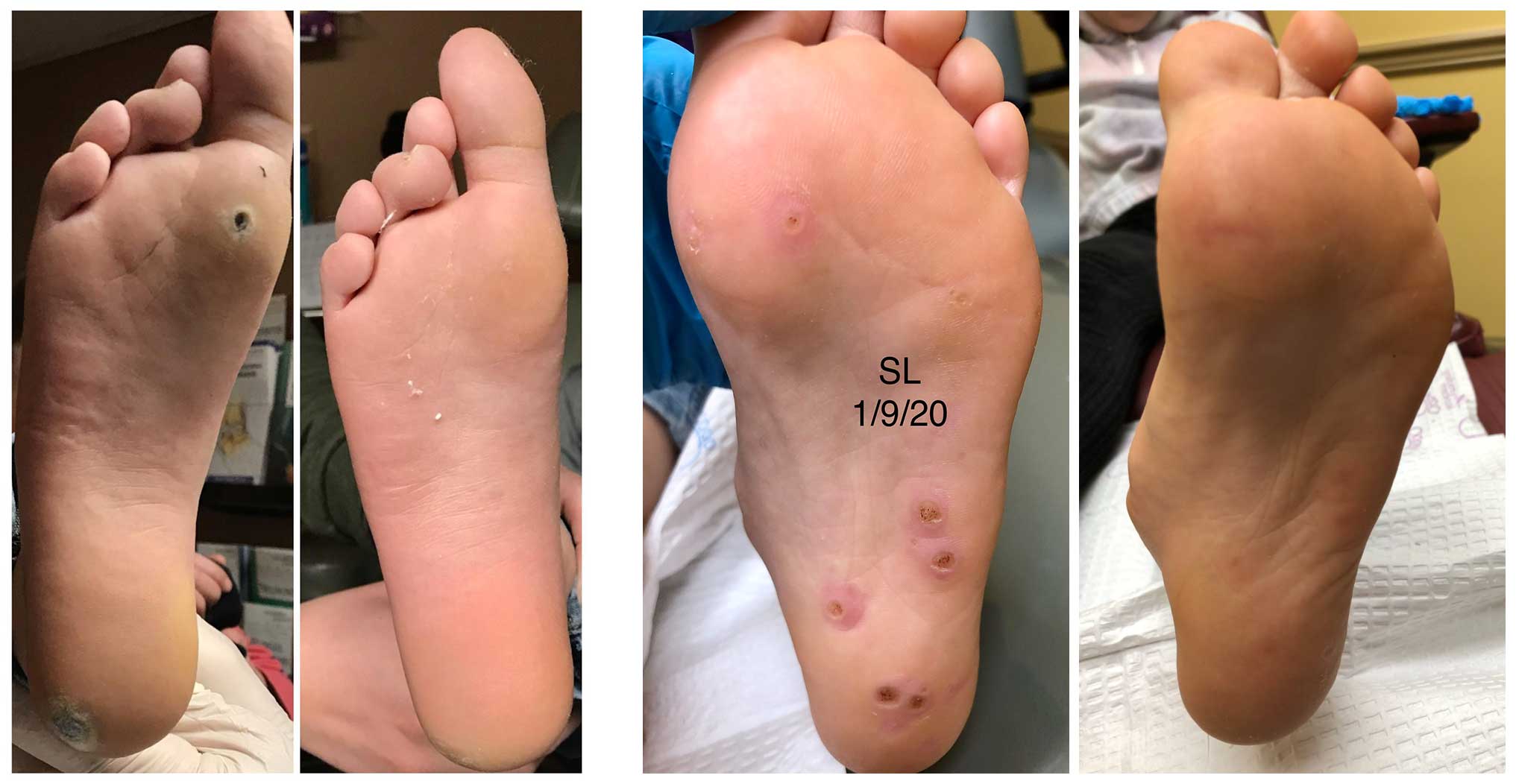
But what happens when you finally commit to a “treatment” plan? What does a software wart look like when it dies? To the uninitiated, the death of a legacy system or a piece of technical debt might seem instantaneous, but it is a complex, multi-stage process of decay and removal that defines the evolution of modern technology.
Identifying the Digital Growth: What is a Software Wart?
Before we can understand the death of a tech wart, we must first identify its anatomy. In technology, a wart is rarely a catastrophic failure. Instead, it is a localized inefficiency. It might be a PHP script running in a Dockerized environment, a hard-coded API key that everyone is afraid to change, or a UI element that no longer fits the brand’s design language but is kept because “that’s how the power users like it.”
The Anatomy of Technical Debt
Technical debt is the accumulation of “good enough” decisions made under pressure. These decisions are the nutrients that feed software warts. Over time, these patches become calcified. Developers begin to build around the wart rather than through it, creating a complex web of dependencies. The wart looks like a module that hasn’t been updated in three years but is still “mission critical.” It looks like a database table with 400 columns where only 10 are currently in use.
Why We Let Them Grow: The Cost of Fast Deployment
Warts thrive in environments that prioritize speed over sustainability. During the “Move Fast and Break Things” era of the early 2010s, thousands of software warts were born. Companies needed features yesterday, so they bypassed rigorous architecture in favor of a quick fix. The result? A digital landscape covered in small, annoying inefficiencies that eventually slow down the entire system’s performance. Identifying these before they become “malignant”—leading to a total system failure—is the first step in digital hygiene.
The Lifecycle of Decay: Signs Your Legacy Systems are Dying
When you decide to deprecate a feature or refactor a codebase, the “wart” begins to die. This is not always a clean process. In technology, the death of a legacy component is marked by a specific set of symptoms that signal its impending removal from the ecosystem.
Performance Lag and the Black Hole of Resources
The first sign that a tech wart is dying is often found in the telemetry. As a system is prepared for decommissioning, it often becomes a “black hole” for resources. Because it is no longer being patched or optimized, it grows increasingly inefficient compared to the newer modules around it. You might see a spike in CPU usage or a steady climb in latency. This is the wart “shriveling.” It can no longer keep up with the modern environment, and its inefficiency becomes so glaring that it can no longer be ignored by the stakeholders.
Compatibility Rot: When the Wart Becomes a Blocker
A wart “dies” when it can no longer interact with the world around it. This is known as compatibility rot. Perhaps your cloud provider updates their environment to a newer version of Python or Node.js, and suddenly, the “wart” can’t run. It becomes brittle. In this stage, the wart looks like a “Dependency Hell”—a mess of red error messages in the console indicating that the legacy component is fundamentally incompatible with the current security protocols. When a component can no longer be secured, it is effectively dead, even if the code is still sitting on the server.
The Process of Elimination: Strategies for Removal

Removing a wart from a complex digital ecosystem requires surgical precision. You cannot simply delete the code; doing so would leave a hole in the architecture that could cause the entire system to collapse. Instead, engineers use several “treatment” methods to ensure the wart dies without taking the host with it.
The “Strangler Fig” Pattern: Suffocating the Legacy
One of the most effective ways to kill a software wart is the “Strangler Fig” pattern. Named after a tree that grows around a host tree until the host dies, this tech strategy involves building a new system around the edges of the old one. Slowly, you divert traffic from the “wart” to the new, clean service.
What does the wart look like during this process? It looks like a shrinking percentage in your load balancer. You watch the analytics as the legacy module goes from handling 100% of requests to 50%, then 10%, and finally 0.1%. At this point, the wart is “clinically dead”—it is still there, but it is no longer functioning as a part of the living system.
Refactoring vs. Total Replacement
Sometimes, the wart doesn’t need to be killed but rather “excised” and replaced. This is the difference between refactoring and a full “rip and replace.” In a refactor, you peel back the layers of the wart to see what core logic is still valuable. You might find that 90% of the code is useless “dead skin,” but 10% is a brilliant algorithm. You save the algorithm and discard the rest. The death of the wart here is a transformation; the old, ugly shell is discarded to make room for a streamlined, modernized version of itself.
Post-Mortem: What Does the System Look Like After the Wart is Gone?
The final stage of a wart’s death is the “cleanup.” This is where the true benefits of the removal become apparent. Just as a physical wound heals and leaves smoother skin, a post-wart system experiences a period of rapid optimization and “healing.”
Measuring Success: Latency, Uptime, and Developer Morale
The most immediate sign that the wart is gone is a “flatlining” of error rates. When a problematic piece of technical debt is removed, the “noise” in the system drops. Log files become cleaner, and the “on-call” engineers stop getting paged at 3:00 AM for “unknown exceptions.”
But the most profound change is often in developer morale. Tech warts are a major cause of “developer burnout.” Working with ugly, broken code is demoralizing. When the wart dies, the team feels a sense of relief. The codebase becomes more “readable,” and new features can be implemented without the fear of breaking an ancient, poorly understood dependency.
Preventing Regrowth: Building Scalable Architectures
Once the wart is gone, the focus shifts to “scar prevention.” How do we ensure that new warts don’t form? This is where modern DevOps practices come in. By implementing rigorous CI/CD (Continuous Integration/Continuous Deployment) pipelines, automated testing, and strict code reviews, companies can catch “growths” before they become full-blown warts.
A healthy system after a wart’s death looks like a modular, microservices-oriented architecture where every component has a clear purpose and a defined lifespan. In this environment, “dying” is a natural part of the software lifecycle. We no longer fear the death of a component; we embrace it as part of a healthy, evolving digital ecosystem.

Conclusion: The Beauty of a Clean System
What does a wart look like when it dies? In the world of technology, it looks like a “git-delete” command that removes 5,000 lines of redundant code. It looks like a server being powered down for the last time, saving the company thousands in cloud costs. It looks like a dashboard turning from red to green.
While the process of identifying and killing technical debt is often painful and time-consuming, it is essential for the long-term health of any brand or software product. A system that cannot shed its old skin is a system that will eventually stop growing. By understanding the lifecycle of a tech wart—from its birth in a hurried meeting to its eventual death through refactoring—we can build more resilient, efficient, and elegant technology. The death of a wart is not an end, but a beginning: a chance to build something faster, better, and cleaner for the future.
aViewFromTheCave is a participant in the Amazon Services LLC Associates Program, an affiliate advertising program designed to provide a means for sites to earn advertising fees by advertising and linking to Amazon.com. Amazon, the Amazon logo, AmazonSupply, and the AmazonSupply logo are trademarks of Amazon.com, Inc. or its affiliates. As an Amazon Associate we earn affiliate commissions from qualifying purchases.