
In the modern marketplace, where a single viral tweet or a misunderstood headline can alter a company’s trajectory overnight, the role of a Public Relations (PR) Manager has evolved from a traditional “press agent” to a strategic architect of brand identity. A PR Manager is the primary guardian of a brand’s reputation, acting as the bridge between an organization and its various stakeholders, including the media, investors, customers, and the general public. While many conflate PR with marketing, the PR Manager’s focus is distinct: they manage the narrative, build trust, and ensure that the brand’s core values are reflected in every public-facing interaction.
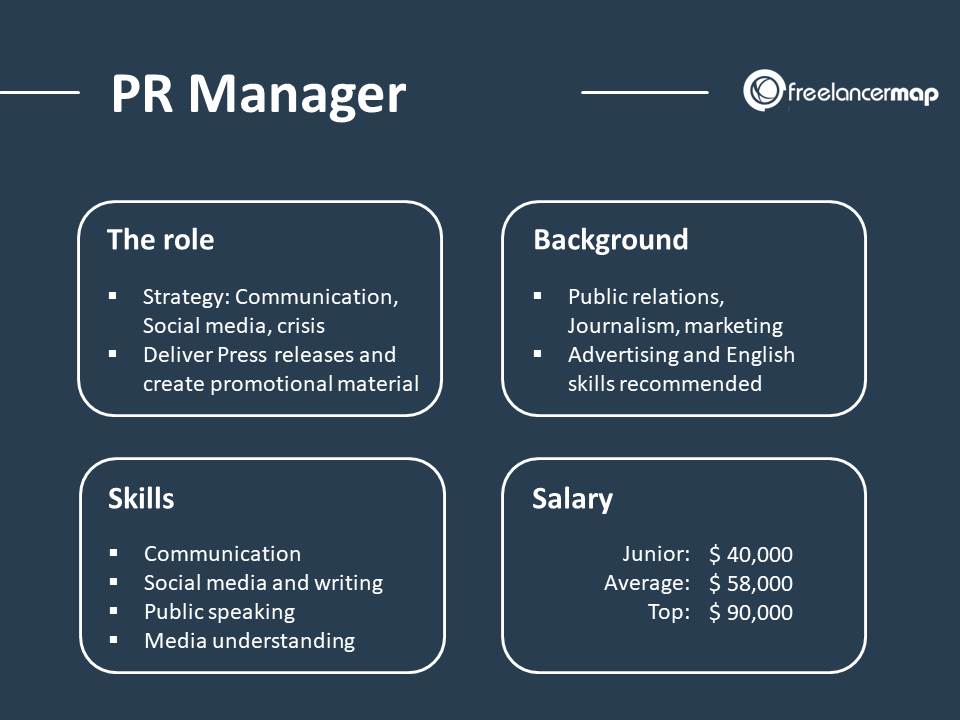
To understand what a PR Manager does, one must look through the lens of brand strategy. They do not just “get people talking”; they ensure that the conversation aligns with the brand’s desired identity.
The Architect of Reputation: Defining the PR Manager’s Role in Brand Strategy
At its core, a PR Manager is responsible for crafting and maintaining a favorable public image for their client or organization. In the context of brand strategy, this means moving beyond simple visibility to focus on the nuances of perception.
Bridging the Gap Between the Brand and the Public
The PR Manager serves as the official spokesperson and the primary liaison for the brand. Their goal is to translate complex internal company goals into compelling external narratives. This involves a deep understanding of the brand’s mission and the ability to articulate that mission to diverse audiences. Whether they are writing a press release about a new product launch or coordinating a community outreach program, the PR Manager ensures that the brand’s voice remains consistent and authentic. They listen to public sentiment as much as they project messages, acting as a feedback loop that helps the brand stay relevant and responsive to its audience’s needs.
Cultivating a Cohesive Corporate Identity
A brand is more than a logo; it is the sum of every interaction a person has with a company. PR Managers work closely with design and marketing teams to ensure that the brand’s corporate identity is cohesive. They manage how the brand “shows up” in the world. This includes overseeing internal communications to ensure that employees—the brand’s most important ambassadors—are aligned with the company’s values. By fostering a strong internal culture, the PR Manager ensures that the external brand promise is backed by internal reality, preventing the “brand-value gap” that can lead to public skepticism.
Strategic Communications: How PR Managers Build Brand Authority
One of the most critical functions of a PR Manager is the creation of authority. In a saturated market, consumers gravitate toward brands they perceive as experts or leaders in their field. PR Managers use strategic communication to build this perception through earned media rather than paid advertising.
Media Relations and Press Outreach
The cornerstone of traditional PR is media relations. A PR Manager spends a significant portion of their time building and maintaining relationships with journalists, editors, and bloggers. By pitching stories that are newsworthy and relevant, the PR Manager secures “earned media”—coverage that isn’t paid for but is granted because of the brand’s relevance. This type of coverage carries far more weight than an advertisement because it comes with the third-party validation of a reputable news outlet. A well-placed feature story in a major publication can do more for a brand’s credibility than a million-dollar ad campaign.
Thought Leadership and Executive Positioning
Modern PR Managers are increasingly focused on personal branding for senior executives. By positioning CEOs and founders as thought leaders, the PR Manager humanizes the brand and attaches a face and a philosophy to the corporate entity. This involves securing speaking engagements at major industry conferences, ghostwriting op-eds for prestigious publications, and managing the executive’s professional social media presence. When a leader is seen as a visionary, the entire brand benefits from that reflected authority, making it easier to attract top talent and loyal customers.
Crisis Management: Safeguarding the Brand’s Integrity
While much of PR is about building a brand up, a significant portion is about protecting it when things go wrong. In the digital age, a brand’s reputation is its most fragile asset. A PR Manager is the “first responder” in times of crisis, tasked with minimizing damage and steering the narrative back to safety.

Proactive Risk Assessment
A seasoned PR Manager does not wait for a crisis to happen; they anticipate it. They perform regular audits of the brand’s vulnerabilities, from potential supply chain issues to controversial social media trends. By developing a “crisis playbook,” they ensure that the brand has a pre-approved communication strategy for various scenarios. This proactive approach allows the brand to respond with speed and composure, which is often the difference between a minor PR hiccup and a full-scale brand disaster.
Reactive Communication and Damage Control
When a crisis hits—be it a product recall, a legal dispute, or a leadership scandal—the PR Manager takes control of the communication flow. They draft official statements, organize press conferences, and monitor social media sentiment in real-time. The goal here is transparency and accountability. A PR Manager understands that trying to hide the truth often leads to more damage; instead, they focus on showing how the brand is fixing the problem. By managing the narrative during a crisis, the PR Manager helps the brand maintain the trust of its audience, even in difficult times.
Digital PR and the Modern Branding Landscape
The rise of the internet has fundamentally changed what a PR Manager does. While the core principles of storytelling remain the same, the tools and platforms have shifted. Today’s PR Manager must be as tech-savvy as they are articulate, navigating a complex web of digital influence.
Influencer Partnerships and Social Proof
In the modern branding world, influencers have become the new “media.” PR Managers identify and partner with digital creators whose personal brands align with the company’s values. Unlike traditional celebrity endorsements, these partnerships are built on social proof and authenticity. The PR Manager manages these relationships to ensure that the content produced feels organic and reinforces the brand’s identity. These collaborations allow the brand to reach niche communities in a way that feels personal and trustworthy.
SEO and Online Brand Visibility
There is a growing intersection between PR and Search Engine Optimization (SEO). When a PR Manager secures a backlink from a high-authority news site, they are not just getting a story; they are boosting the brand’s digital footprint. A PR Manager works to ensure that when someone searches for the brand, the first page of Google is filled with positive, authoritative content. This “Online Reputation Management” is a critical part of modern brand strategy, ensuring that the digital first impression of the brand is as polished as the physical one.
Measuring the Impact: From Sentiment Analysis to Brand Equity
A common critique of PR is that its results are “intangible.” However, a professional PR Manager uses a variety of metrics to demonstrate how their work contributes to the brand’s bottom line and long-term value.
Tracking Brand Awareness and Perception
Using sophisticated monitoring tools, PR Managers track “Share of Voice”—the percentage of the conversation the brand owns compared to its competitors. They also use sentiment analysis to gauge whether the public conversation is positive, negative, or neutral. By tracking these metrics over time, the PR Manager can see how specific campaigns or communication shifts affect public perception. This data is invaluable for refining brand strategy and ensuring that the brand is moving in the right direction.
The Long-term Value of Sustained PR Efforts
Unlike a short-term marketing campaign that ends when the budget runs out, the work of a PR Manager builds “brand equity”—the commercial value derived from consumer perception of the brand name. High brand equity allows a company to charge premium prices and weather economic downturns more effectively. The PR Manager’s role is to steadily deposit “trust” into the brand’s bank account through consistent, honest, and engaging communication. Over years, these efforts create a resilient brand that is not just known, but respected and loved.
In conclusion, a PR Manager is the strategic heartbeat of a brand. They are storytellers, protectors, and connectors. By meticulously managing the narrative, fostering key relationships, and navigating the complexities of the digital landscape, they ensure that a brand’s identity is not just a marketing slogan, but a lived reality that resonates with the public. To invest in a PR Manager is to invest in the long-term health and integrity of the brand itself.
aViewFromTheCave is a participant in the Amazon Services LLC Associates Program, an affiliate advertising program designed to provide a means for sites to earn advertising fees by advertising and linking to Amazon.com. Amazon, the Amazon logo, AmazonSupply, and the AmazonSupply logo are trademarks of Amazon.com, Inc. or its affiliates. As an Amazon Associate we earn affiliate commissions from qualifying purchases.