
In the world of business finance, the Operations Manager (OM) is often described as the engine room of an organization. While the CEO sets the vision and the CFO manages the capital, the Operations Manager is the individual responsible for turning those resources into a profitable reality. At its core, the role of an operations manager is about maximizing the “Money” aspect of a business—ensuring that every dollar spent on labor, materials, and technology yields the highest possible return on investment (ROI).
Whether you are an aspiring professional, a business owner looking to hire, or an investor evaluating a company’s health, understanding the financial impact of operations management is crucial. An OM doesn’t just “oversee things”; they engineer the systems that protect the bottom line and facilitate sustainable wealth creation.
The Financial Engine: Why Operations Management is a Money Game
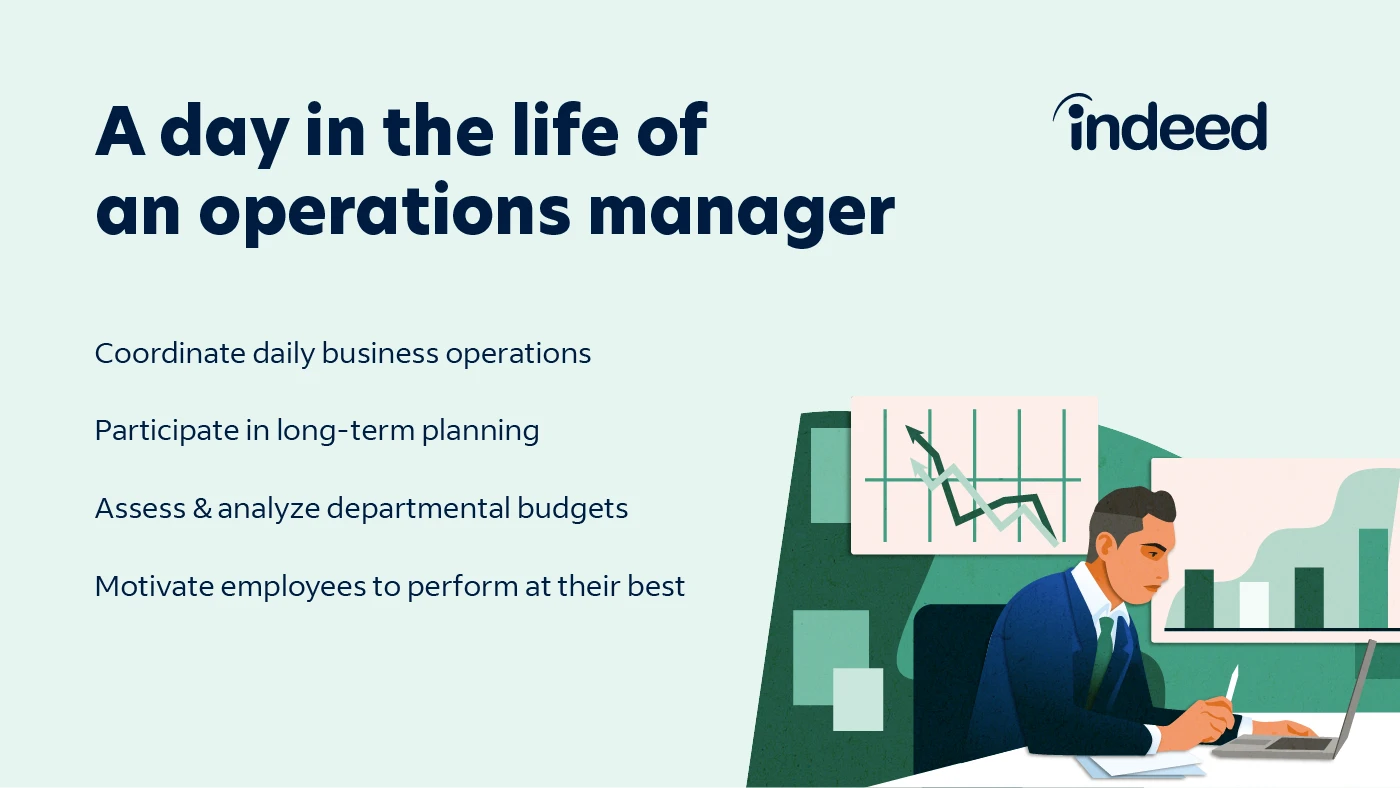
Every business is essentially a series of inputs and outputs. The Operations Manager sits in the middle of this flow, tasked with a singular primary objective: increasing efficiency to widen profit margins. In the niche of business finance, the OM is the primary steward of a company’s Operating Expenses (OPEX).
Mastering Resource Allocation
One of the most critical financial tasks an operations manager performs is the strategic allocation of resources. This involves deciding where capital should be deployed to minimize waste. For instance, in a service-based business, the OM analyzes labor costs versus billable hours. If a team is overstaffed during low-demand periods, the company loses money through “leakage.” The OM implements scheduling systems and workflow automations to ensure that human capital is used effectively, directly impacting the company’s EBITDA (Earnings Before Interest, Taxes, Depreciation, and Amortization).
Budget Management and Cost Suppression
An operations manager is the frontline defender against “scope creep” and budget overflows. They work closely with the finance department to set realistic departmental budgets and then monitor them with surgical precision. By negotiating better rates with vendors, auditing internal processes for redundancies, and identifying cheaper yet effective alternatives for logistics, the OM can shave significant percentages off the cost of goods sold (COGS). In large-scale enterprises, even a 1% increase in operational efficiency can result in millions of dollars in additional profit.
Forecasting and Financial Planning
Operations managers use historical data to predict future needs. This financial forecasting prevents the “money traps” of overstocking inventory (which ties up liquid cash) or understocking (which results in lost revenue). By mastering the timing of the supply chain, the OM ensures that the business maintains a healthy cash flow, which is the lifeblood of any growing enterprise.
Scaling for Profit: The OM’s Role in Revenue Growth
Scaling a business is not just about selling more; it is about selling more while maintaining or improving profit margins. This is where the Operations Manager becomes indispensable. Without a strong operational foundation, rapid growth can actually lead to financial ruin—a phenomenon known as “overtrading,” where a business runs out of cash because it can’t fund the operations required to meet new demand.
Process Optimization as a Revenue Driver
Operations managers look at business processes as financial assets. A disorganized process is a liability that costs money. By implementing methodologies like Lean Six Sigma or Agile, the OM removes bottlenecks that slow down the production cycle. Faster production means faster delivery, which leads to quicker invoicing and improved cash cycles. In the “Money” niche, the speed of money (velocity) is just as important as the amount of money, and the OM is the person who accelerates that velocity.
Supply Chain and Procurement Strategy
For businesses involved in physical products, the supply chain is where the most significant financial gains (or losses) are made. The operations manager analyzes the “Total Cost of Ownership” for every material and service the company uses. They look beyond the sticker price to consider shipping costs, import duties, storage fees, and the cost of capital. By diversifying suppliers and optimizing the logistics network, the OM protects the business from market volatility and inflation, ensuring that the company’s profit margins remain insulated even during economic downturns.
Technology Integration for ROI
In the modern business landscape, an operations manager must decide which financial tools and software are worth the investment. They evaluate the ROI of Enterprise Resource Planning (ERP) systems and automated accounting software. By choosing the right tech stack, the OM reduces the need for expensive manual labor and minimizes human error in financial reporting, which saves the company from costly audits and fines.

Risk Management and Financial Stability
Beyond growth and efficiency, an operations manager acts as a risk mitigator. In the realm of business finance, risk is the greatest threat to capital preservation. The OM identifies potential points of failure within the business infrastructure that could lead to financial catastrophe.
Compliance and Legal Safeguards
Non-compliance is expensive. Whether it’s labor laws, environmental regulations, or financial reporting standards, the operations manager ensures the company operates within legal boundaries. This prevents the “bleeding” of money through legal fees, fines, and settlements. By maintaining rigorous quality control and safety standards, the OM also protects the company from product liability claims that could bankrupt a firm.
Data-Driven Decision Making
The modern OM is a data scientist of sorts. They track Key Performance Indicators (KPIs) such as the Labor Productivity Ratio, the Inventory Turnover Ratio, and the Customer Acquisition Cost (CAC) relative to Lifetime Value (LTV). By interpreting these financial metrics, the operations manager provides the executive team with the insights needed to make “Go/No-Go” decisions on new projects. This ensures that the company doesn’t “throw good money after bad” on ventures that are operationally unfeasible.
Business Continuity Planning
What happens to the company’s income if a key supplier goes bust or a natural disaster strikes? The operations manager builds the contingency plans that ensure the business remains a “going concern” during crises. By securing insurance, creating disaster recovery protocols, and establishing backup systems, the OM protects the investors’ equity and ensures the long-term financial viability of the brand.
Operations Management as a Career: Income Potential and ROI on Skills
From an individual “Money” perspective, the role of an operations manager is one of the most lucrative and stable career paths in the corporate world. Because the role is so directly tied to the financial health of a company, skilled OMs are highly compensated.
Salary Expectations and Market Demand
The salary for an operations manager can vary widely depending on the industry, but because they are responsible for the “bottom line,” their leverage in salary negotiations is high. In the finance, manufacturing, and tech sectors, senior operations managers often command six-figure salaries plus performance-based bonuses tied to cost-saving targets or profit milestones. This makes the “Return on Education” for this career path exceptionally high, especially for those with MBAs or specialized certifications in project management and supply chain logistics.
The OM as a Fractional Consultant
A growing trend in the “online income” and “side hustle” niche is the rise of the Fractional Operations Manager. Small business owners and entrepreneurs often reach a ceiling where they have a great product but “messy” operations that are costing them money. Experienced OMs are now selling their services as high-ticket consultants, helping these smaller entities clean up their systems for a premium fee. This allows the OM to diversify their income streams and build a personal brand as a “profitability architect.”
Building Equity and Wealth
Many operations managers in the startup world are compensated with equity or stock options. Because the OM has a direct hand in improving the company’s valuation through operational excellence, they are uniquely positioned to turn their professional labor into significant long-term wealth. When the company goes through an exit—be it an acquisition or an IPO—the operations manager’s contribution to the financial structure of the company often results in a substantial windfall.

Conclusion: The Bottom Line on Operations Management
So, what does an operations manager do? They manage the intersection of money and movement. They are the architects of efficiency, the guardians of the budget, and the engineers of scalability. In any discussion regarding business finance or personal wealth through corporate leadership, the operations manager stands out as the pivotal figure who ensures that a company’s financial potential is fully realized.
By focusing on resource optimization, risk mitigation, and strategic scaling, the operations manager ensures that the business doesn’t just survive, but thrives financially. For anyone looking to understand how money is actually made and kept within a business, the role of the operations manager provides the ultimate blueprint. It is a career and a function dedicated to the art of the “profitable process,” making it one of the most vital roles in the global economy.
aViewFromTheCave is a participant in the Amazon Services LLC Associates Program, an affiliate advertising program designed to provide a means for sites to earn advertising fees by advertising and linking to Amazon.com. Amazon, the Amazon logo, AmazonSupply, and the AmazonSupply logo are trademarks of Amazon.com, Inc. or its affiliates. As an Amazon Associate we earn affiliate commissions from qualifying purchases.