
In the modern era, we interact with the “cloud” hundreds of times a day. Whether we are streaming a high-definition video, sending an encrypted message, or running complex AI simulations, we rarely pause to consider where that data actually lives. While the term “cloud” suggests something ethereal and weightless, the reality is far more industrial. Data centers are the physical manifestation of the internet—sprawling, high-tech fortresses filled with humming machinery, miles of fiber-optic cabling, and sophisticated cooling systems.
To understand what a data center looks like is to understand the intersection of high-end architecture, mechanical engineering, and cutting-edge digital infrastructure. From the outside, they may appear as nondescript warehouses, but inside, they are some of the most complex and tightly regulated environments on Earth.
The Exterior: From Windowless Monoliths to Modular Designs
The first thing most people notice about a data center is what it lacks: windows. Unlike a traditional office building or a corporate headquarters, a data center’s exterior is designed for two primary purposes: security and thermal insulation.
Architectural Anonymity and Security
Most enterprise-level data centers are designed to be “security through obscurity.” They are often located in industrial parks or remote areas where they blend into the landscape. The walls are typically reinforced concrete or thick steel, designed to withstand natural disasters such as tornadoes, earthquakes, and even physical breaches. The lack of windows isn’t just about preventing prying eyes; glass is a poor insulator and a structural weak point. By maintaining a solid, windowless shell, operators can better control the internal temperature—a critical factor for hardware longevity.
The Rise of Sustainable and Hyper-scale Facilities
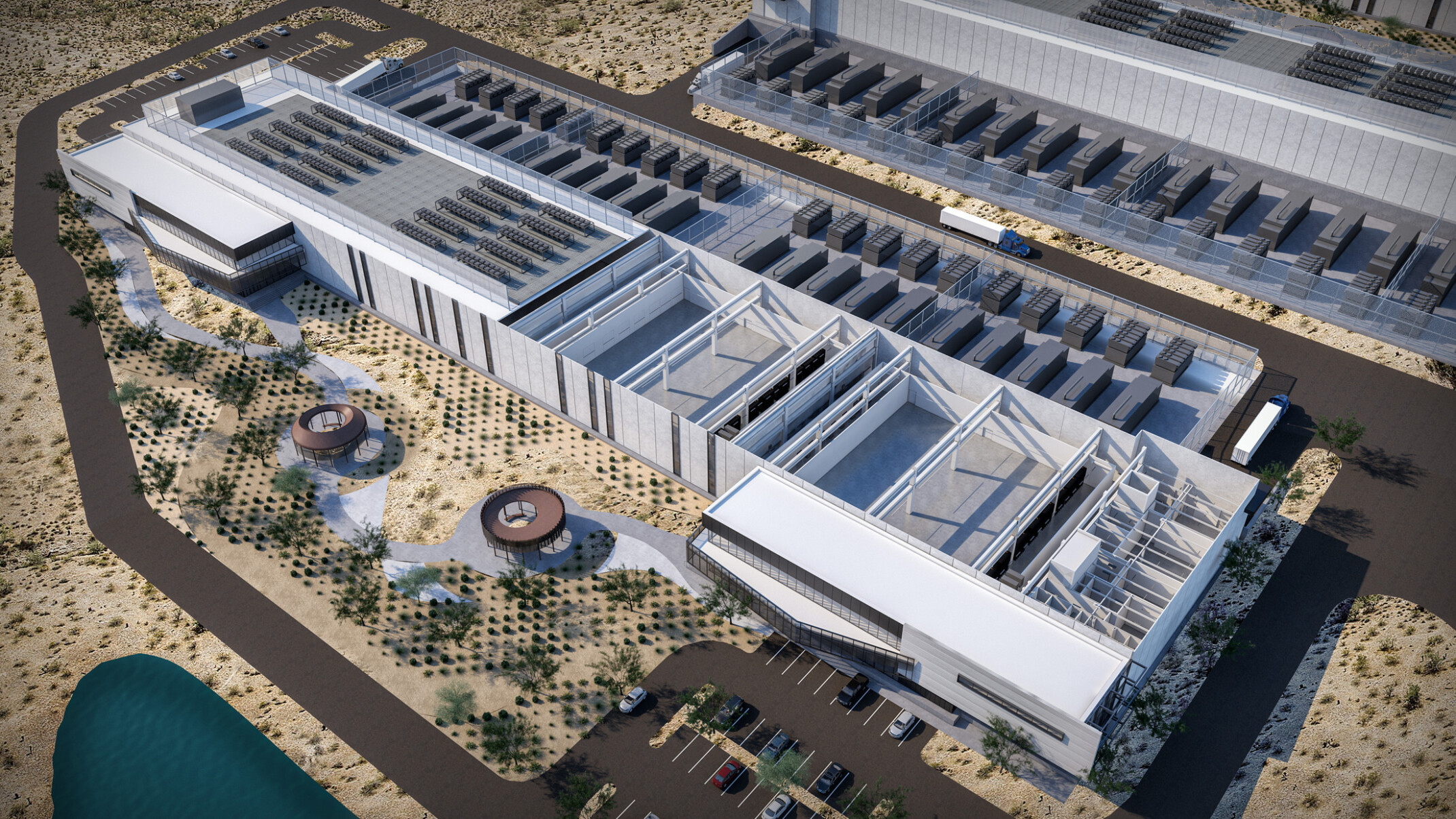
As the tech industry moves toward “Green IT,” the exterior of data centers is changing. Companies like Google, Microsoft, and Facebook (Meta) are building hyper-scale facilities that cover hundreds of thousands of square feet. These sites often feature massive substations nearby to handle the immense power draw and large arrays of cooling towers on the roof. In some modern designs, you might see living walls (vertical gardens) or sleek, futuristic facades that reflect the innovative tech housed within, though the core “fortress” mentality remains the standard.
The Heart of the Operation: Server Rows and Racks
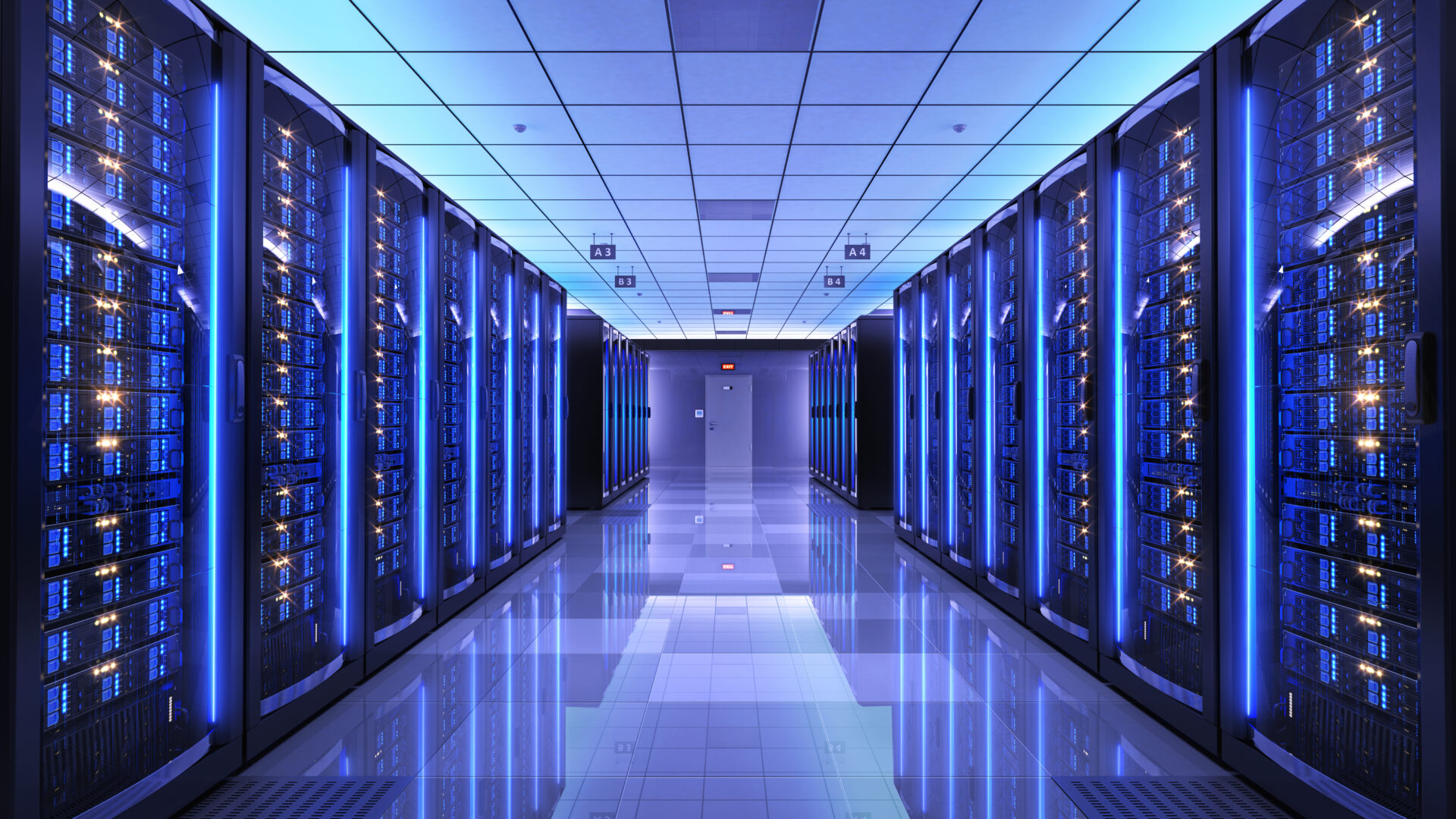
Once you pass through the multi-layered security checkpoints and enter the “white space”—the actual data hall—the visual experience changes dramatically. The environment is defined by symmetry, neon indicator lights, and a constant, low-frequency hum.
The Anatomy of a Server Rack
The primary unit of the data center is the server rack. These are standardized steel frames, usually 19 inches wide and several feet tall, designed to hold “U” (rack units) of equipment. Within these racks sit the servers themselves: flat, rectangular chassis that house CPUs, GPUs, RAM, and storage drives. A single row might contain dozens of racks, and a single hall might contain hundreds of rows. When you look down a long aisle, you see a sea of blinking green, amber, and blue LEDs, each representing a heartbeat of data processing or network activity.
Cable Management: The Nervous System of Data
One of the most visually striking aspects of a well-maintained data center is the cabling. Thousands of fiber-optic and Ethernet cables must be routed from servers to top-of-rack switches and then to the main distribution area. In professional facilities, this is a masterpiece of organization. Cables are color-coded based on their function—blue for data, red for power, yellow for fiber—and are neatly bundled in overhead “ladder racks” or tucked beneath raised flooring. This isn’t just for aesthetics; organized cabling is essential for airflow and makes it possible for technicians to troubleshoot hardware without untangling a “spaghetti” mess of wires.
The Critical Infrastructure: Cooling and Power Systems

A data center is essentially a machine that turns electricity into heat. If the cooling or power systems fail, the hardware can be destroyed in minutes. Consequently, much of what a data center “looks like” is actually the support machinery required to keep the servers running.
Precision Cooling: CRAC Units and Hot/Cold Aisles
If you walk into a data hall, you will notice the floor is often made of removable perforated tiles. This is part of a “raised floor” system used to distribute cold air. Data centers are typically organized into “Hot Aisle/Cold Aisle” configurations. In this setup, the fronts of the server racks face each other (the cold aisle), and the backs face each other (the hot aisle).
Massive Computer Room Air Conditioning (CRAC) units or Computer Room Air Handlers (CRAH) line the perimeter of the room. They blast cold air under the floor and up through the perforated tiles into the cold aisle. The servers pull this air in, cool their internal components, and exhaust the hot air into the hot aisle, where it is sucked back into the CRAC units to be chilled again. Visually, this looks like long corridors separated by plastic curtains or glass partitions to “contain” the air and maximize efficiency.
Redundant Power: UPS Systems and Backup Generators
Data centers are designed for “five nines” of availability (99.999% uptime). This means the facility must look like it is prepared for an apocalypse. In separate rooms, you will find massive banks of Uninterruptible Power Supply (UPS) systems—large cabinets filled with batteries that can take over the load instantly if the main power grid fails. Outside, or in reinforced basements, sit industrial-grade diesel generators the size of locomotives, capable of powering the entire facility for days. These elements ensure that even during a city-wide blackout, the digital world stays online.
Security and Surveillance: The Fortress Mentality
Because data centers house sensitive corporate information, financial records, and personal user data, they are among the most heavily guarded civilian buildings on the planet. The visual cues of this security are everywhere.
Physical Access Controls and Biometrics
Entry into the server rooms is not a matter of a simple keycard. Most high-tech facilities utilize “man-traps”—small vestibules where one door must close and lock before the second door opens, preventing “tailgating.” Inside these traps, visitors often encounter biometric scanners, such as iris or fingerprint readers. You will also notice a high density of CCTV cameras mounted at every possible angle, often equipped with AI-driven motion detection to alert security to any unauthorized movement.
Monitoring the “White Space”
Inside the data hall, you will often see “cages”—fenced-off areas within the larger room. These are used in colocation facilities where different companies share the same space. Each company’s racks are locked inside a floor-to-ceiling steel cage to ensure that only their authorized technicians can touch their specific hardware. Above, sensors for smoke, humidity, and temperature are peppered across the ceiling, providing a constant stream of telemetry to the Network Operations Center (NOC)—the “mission control” of the data center.
The Evolving Aesthetics: Edge Computing and Beyond
While the classic image of a data center is a massive warehouse, the physical look of the industry is evolving to meet the needs of lower latency and 5G technology.
Edge Data Centers and Modular Pods
Not all data centers are giants. “Edge” data centers are becoming more common. These look like shipping containers or small, reinforced sheds placed at the base of cell towers or on top of office buildings. Inside, they contain the same racks and cooling systems as their larger counterparts but at a micro-scale. This “modular” look allows tech companies to deploy computing power closer to the end-user, reducing the time it takes for a signal to travel.
Subsea and Extreme Environments
In a quest for better cooling and land-use efficiency, some data centers are moving to extreme locations. Microsoft’s “Project Natick” successfully tested a subsea data center—a sealed, white cylinder filled with servers and submerged on the ocean floor. Others are built deep inside mountains (like the Lefdal Mine in Norway) or in the Arctic Circle to take advantage of naturally cold air. In these cases, a data center looks less like a building and more like a high-tech submarine or a secret villain’s lair.
In conclusion, a data center is far more than a collection of computers. It is a highly engineered environment where every cable, floor tile, and cooling vent has a specific, mission-critical purpose. While the “cloud” may feel invisible, the physical structures that support it are massive, impressive feats of technology that serve as the hidden foundation of our modern digital life.
aViewFromTheCave is a participant in the Amazon Services LLC Associates Program, an affiliate advertising program designed to provide a means for sites to earn advertising fees by advertising and linking to Amazon.com. Amazon, the Amazon logo, AmazonSupply, and the AmazonSupply logo are trademarks of Amazon.com, Inc. or its affiliates. As an Amazon Associate we earn affiliate commissions from qualifying purchases.