
In the world of modern consumer marketing, few intellectual properties have achieved the seasonal dominance of The Elf on the Shelf. While millions of parents annually search for the literal answer to “what day does the Elf on the Shelf leave,” branding experts look at the question through a different lens. The departure of the Scout Elf—traditionally on Christmas Eve—is not merely a narrative conclusion to a holiday tradition; it is a masterclass in seasonal brand strategy, scarcity marketing, and consumer lifecycle management.
Created by Carol Aebersold and her daughters, Chanda Bell and Christa Pitts, the brand has transformed from a self-published book into a global phenomenon under The Lumistella Company. By examining why the “exit” is as important as the “arrival,” we can uncover vital lessons in brand longevity and emotional resonance.

The Narrative Arc as a Brand Strategy
Every successful brand tells a story, but The Elf on the Shelf manages to embed its narrative directly into the daily lives of its consumers for a fixed period each year. The brand’s power lies in its rigid structure, which dictates when the product is “active” and when it must “retire.”
Creating Emotional Brand Equity
The “departure” on December 24th is the emotional climax of a month-long engagement. In branding, emotional equity is built through consistent, high-stakes interactions. By positioning the Elf as a visitor who must eventually leave, the brand creates a high-pressure environment where every interaction is precious. This narrative arc ensures that the product is never perceived as a stagnant toy but rather as a fleeting, living experience. This emotional investment makes the brand “sticky,” ensuring that customers return to the IP year after year.
The Psychology of Scarcity and Anticipation
The departure of the Elf is the ultimate exercise in the Scarcity Principle. Unlike evergreen brands that fight for attention 365 days a year, The Elf on the Shelf leverages its absence to build value. When the Elf leaves on Christmas Eve, it initiates a nearly 11-month “cooling off” period. This absence creates a vacuum that only the brand can fill the following year. By strictly defining the exit date, the brand protects itself from consumer fatigue, ensuring that the “magic”—or the brand’s value proposition—never becomes mundane.
Sustaining Seasonal Authority through Ecosystem Expansion
A brand that only exists for 24 days a year faces the risk of being forgotten. To combat this, The Lumistella Company has built a robust brand ecosystem that supports the “departure” narrative while keeping the brand relevant during the off-season.
Beyond the Box: Multi-Platform Presence
The exit of the physical doll from the home doesn’t mean the brand leaves the consumer’s mind. Through animated specials, mobile apps, and social media engagement, the brand maintains a “whisper” of presence throughout the year. For brand strategists, this is a lesson in omni-channel storytelling. The physical product (the Elf) serves as the primary touchpoint, but the brand’s authority is reinforced by secondary digital products that explain where the Elf goes after December 24th (the North Pole), thus maintaining the brand’s lore even when the shelves are empty.
Licensing and Horizontal Brand Extension
The departure date also marks the transition for retail partners. The Lumistella Company has masterfully expanded into “Claus Couture,” elf-sized accessories, and pets (the Elf Pets line). By creating these extensions, the brand increases the average order value (AOV) per customer. Parents aren’t just buying a doll; they are buying an evolving wardrobe and a supporting cast. These extensions make the annual “arrival” more complex and the “departure” more significant, as an entire collection of branded assets is packed away, ready to be rediscovered the following year.
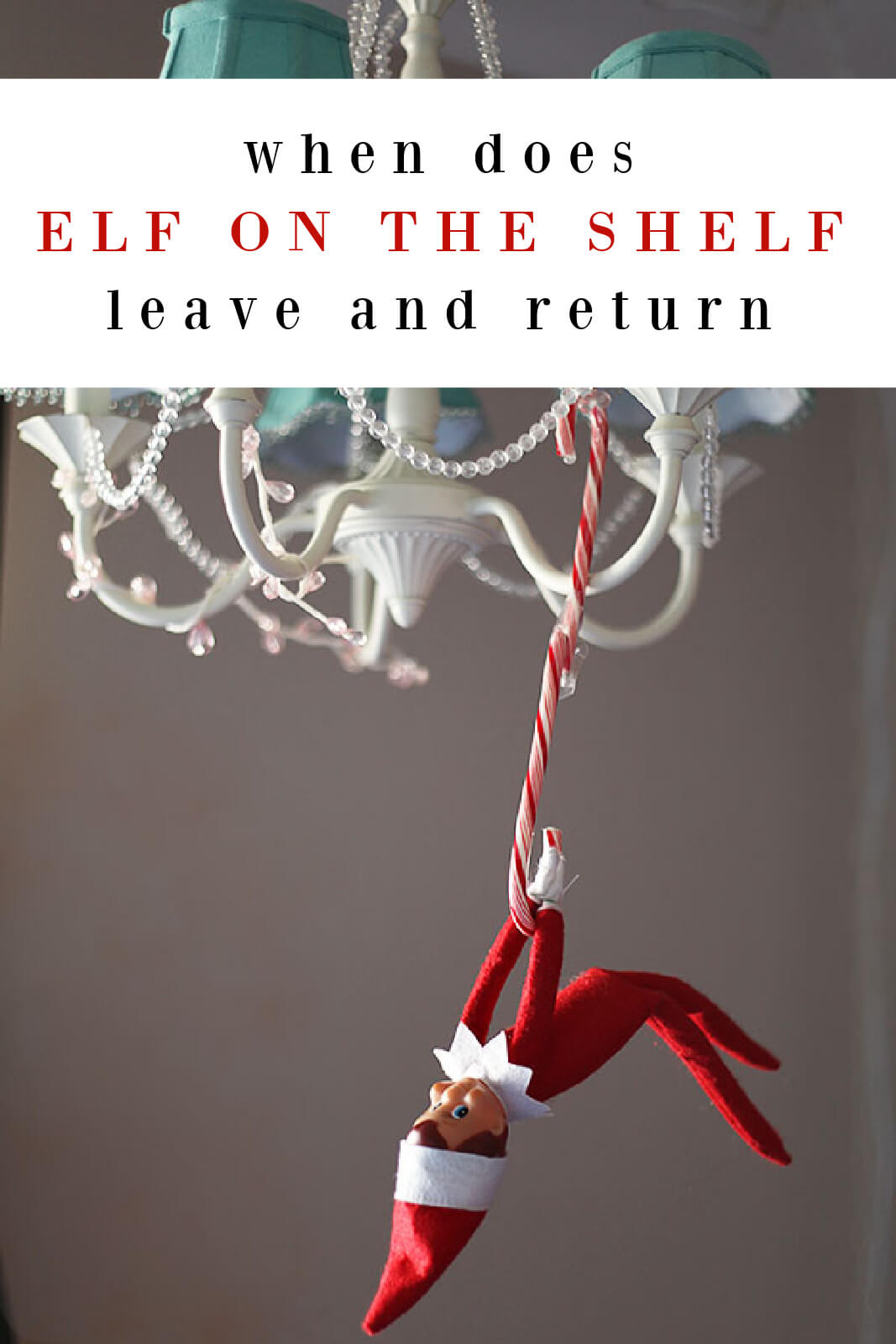
The “Exit” as a Brand Touchpoint: Why December 24th Matters
In corporate branding, the “offboarding” process is often overlooked. However, The Elf on the Shelf treats the departure as a critical touchpoint. The way a brand leaves a consumer’s life is just as important as how it enters.
Maintaining Brand Consistency and Ritual
The brand’s literature is very clear: the Elf leaves with Santa Claus on Christmas Eve. This consistency is vital for brand trust. In branding, deviation from the core promise can lead to a loss of identity. By tying the Elf’s departure to the most famous figure in holiday lore, the brand borrows the immense “legacy equity” of Santa Claus. It aligns its corporate identity with a global cultural phenomenon, making the Elf’s exit feel like an inevitable, high-status event rather than a simple end-of-sale.
Preparing for the Next Lifecycle
The departure is not an end, but a “reset” for the next fiscal cycle. From a marketing perspective, the exit date is the beginning of the “Retention Phase.” The brand often encourages children to write farewell notes or for parents to create elaborate “goodbye” scenes. This interaction serves as a final, positive brand experience. It ensures that the last memory of the brand for that year is one of wonder and excitement, which directly impacts the likelihood of re-engagement the following November. It is a strategic move that minimizes churn and maximizes the Lifetime Value (LTV) of the customer.
Protecting the Brand: Intellectual Property and Market Positioning
As a brand grows, it becomes a target for imitation. The “Elf” model has been mimicked by dozens of competitors, yet the original remains the market leader. This is due to a rigorous commitment to brand protection and positioning.
The Lumistella Company’s Defensive Strategy
The brand’s creators have been famously protective of their Intellectual Property (IP). They don’t just sell a doll; they sell “The Scout Elf.” This distinction is a key lesson in brand positioning. By using specific terminology and trademarked characters, they differentiate themselves from generic “elves” found at discount retailers. Their strategy involves legal protection of their “exit and entry” lore, ensuring that when consumers ask “what day does the Elf leave,” they are looking for the official Elf on the Shelf answer, not a competitor’s.
Premium Pricing and Brand Prestige
Despite being a mass-market product, The Elf on the Shelf maintains a premium price point compared to knock-offs. This is supported by the “official” nature of the brand. The departure ritual—the return to the North Pole—is part of the “premium experience.” Parents are willing to pay more for the brand that comes with a cohesive story, a hardcover book, and a globally recognized departure date. The brand creates a sense of “membership” in an exclusive club, where the rules of the Elf’s stay are part of the value proposition.

Conclusion: The Business of Magic
The question of “what day does the Elf on the Shelf leave” is more than a calendar query; it is a testament to a perfectly executed brand lifecycle. By choosing December 24th as the hard exit, the brand leverages the peak of holiday excitement to cement its status in the family home.
For brand managers and marketers, The Elf on the Shelf offers three vital takeaways:
- Controlled Scarcity: Limiting the availability of your core brand experience can exponentially increase its value and consumer anticipation.
- Narrative Discipline: A brand that stays true to its internal logic—such as a specific departure date—builds deeper trust and ritualistic behavior among its user base.
- The Power of the Lifecycle: Every brand should have a clear “arrival” and “exit” strategy. How you leave your customer’s life determines how eagerly they will welcome you back in the future.
While the Scout Elves may fly back to the North Pole every Christmas Eve, the brand itself never truly leaves. It simply moves into the next phase of its strategic cycle, proving that in the world of branding, a well-timed exit is the best way to ensure a triumphant return.
aViewFromTheCave is a participant in the Amazon Services LLC Associates Program, an affiliate advertising program designed to provide a means for sites to earn advertising fees by advertising and linking to Amazon.com. Amazon, the Amazon logo, AmazonSupply, and the AmazonSupply logo are trademarks of Amazon.com, Inc. or its affiliates. As an Amazon Associate we earn affiliate commissions from qualifying purchases.