
For centuries, the question of exactly what day Jesus was crucified has been a subject of intense theological and historical debate. However, in the 21st century, this investigation has transitioned from the pulpit to the laboratory. Through the lens of “Chronotechnology”—the application of advanced computational modeling, astronomical algorithms, and digital forensics—modern researchers are finally narrowing down a precise date. This article explores the technology, software, and data-driven methods used to solve one of history’s most enduring chronological puzzles.
The Intersection of Ancient Texts and Modern Algorithms
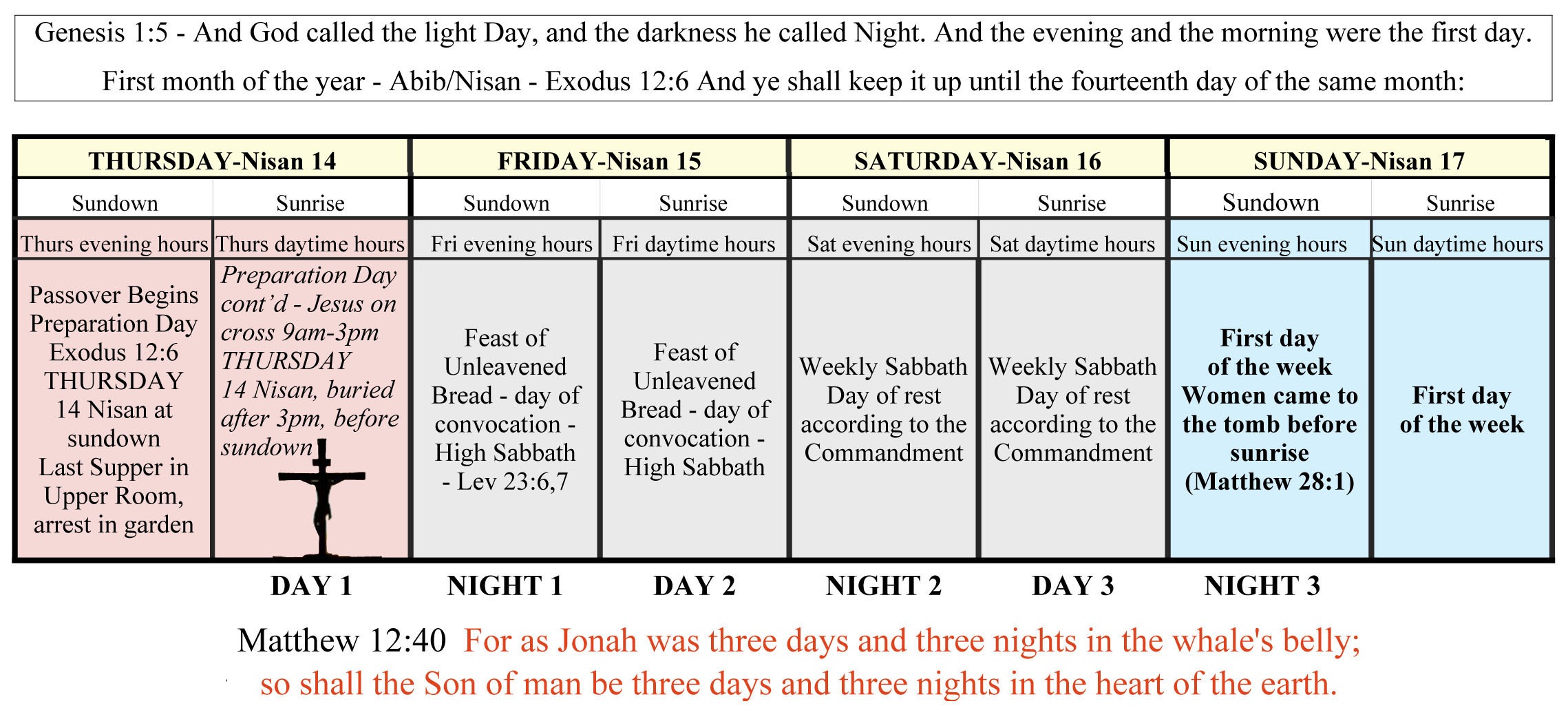
The challenge of dating any historical event from two millennia ago lies in the discrepancy between ancient lunar calendars and modern solar-based software. To determine the day of the crucifixion, tech-driven historians must first synchronize the Hebrew calendar of the 1st century with the Julian and Gregorian calendars used in modern data systems.
Digital Forensics of Biblical Chronology
Modern software developers have created tools that act as “digital forensic investigators” for ancient texts. By inputting variables from historical records—such as the governorship of Pontius Pilate, the high priesthood of Caiaphas, and the reign of Tiberius Caesar—algorithms can filter out impossible years. This process is known as “Constraint Satisfaction Modeling.” By applying these historical constraints to a digital timeline, technology has effectively narrowed the window to a handful of years, primarily 30 A.D. and 33 A.D.
Using Luni-Solar Calendars in Software Modeling
The Judean calendar in the 1st century was a luni-solar system, where the beginning of each month was determined by the first sighting of the new moon. This presents a unique challenge for software engineers: atmospheric visibility. Modern chronotechnology uses “visibility algorithms” that account for the geographical coordinates of Jerusalem, historical weather patterns, and the elevation of the observer. By simulating the night sky over Jerusalem in the early 1st century, software can determine exactly when the month of Nisan began, which is crucial for identifying the date of Passover and, consequently, the crucifixion.
Astronomical Simulation: Software as a Time Machine
The most significant technological breakthrough in this field is the use of high-precision astronomical simulation software. Programs such as Stellarium, SkySafari, and NASA’s JPL (Jet Propulsion Laboratory) Horizons system allow researchers to “rewind” the sky to any point in history with a margin of error measured in seconds.
Reconstructing the Judean Sky with JPL Horizons
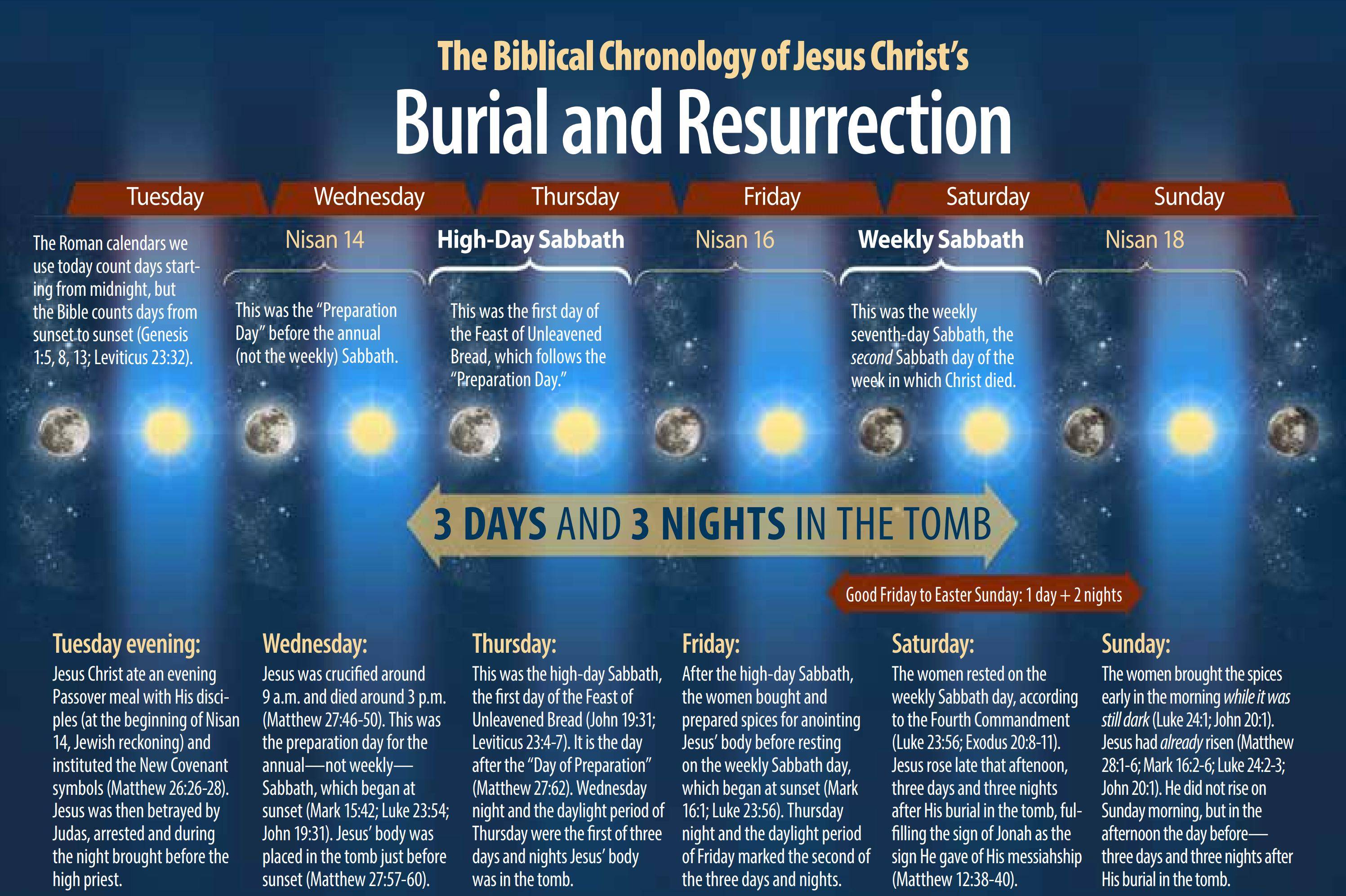
The JPL Horizons system provides highly accurate “ephemerides”—data tables showing the positions of celestial bodies. By utilizing these datasets, researchers can model the exact position of the sun and moon relative to Jerusalem in the years 26–36 A.D. The objective is to find a year where the 14th of Nisan (the day of the Passover sacrifice) fell on a Friday, as the Gospel accounts consensus identifies the day as the “Day of Preparation” for the Sabbath. Tech-driven analysis shows that only a few specific dates in the 1st century meet this rigid orbital criteria.
The Lunar Eclipse Factor: Identifying the “Blood Moon”
A fascinating piece of the puzzle involves “Retrograde Calculation” of eclipses. Ancient reports, including references in the Book of Acts and later secondary historical accounts, mention the “moon turning to blood” on the day of the crucifixion. This is a classic description of a lunar eclipse.
Modern astronomical software has been used to search for lunar eclipses visible from Jerusalem during the Passover windows of the 1st century. The data reveals a partial lunar eclipse that occurred on April 3, 33 A.D. The software shows that this eclipse would have been visible at moonrise in Jerusalem, appearing red due to atmospheric refraction. Without high-definition orbital modeling, this correlation would remain a mere suggestion; with it, it becomes a data-backed probability.

Data Filtering and Probabilistic Analysis
When tech experts approach a problem like the date of the crucifixion, they use “Probabilistic Filtering” to weigh various data points. This involves creating a matrix where different historical and astronomical variables are assigned weights based on their reliability.
Eliminating Variable Dates through Computational Constraints
By running simulations for every possible Friday during Passover between 26 A.D. and 36 A.D., computer models have narrowed the possibilities down to two primary candidates: April 7, 30 A.D., and April 3, 33 A.D.
However, when you add secondary data layers—such as the time required for certain historical journeys described in the texts or the specific day of the week a certain festival fell on—the 33 A.D. date emerges as the statistically superior fit. Software that handles “Big Data” integration allows historians to overlay Roman administrative cycles with Jewish liturgical cycles, ensuring that the chosen date doesn’t conflict with other known historical milestones.
Why April 3, 33 A.D. is the Tech-Driven Consensus
Through the integration of astronomical data and software-based calendar conversion, April 3, 33 A.D., has become the leading candidate in the tech community. The reasoning is three-fold:
- Orbital Mechanics: The moon was at its full phase, consistent with the 14th of Nisan.
- Temporal Alignment: It was a Friday, aligning with the “Day of Preparation” narrative.
- Visual Confirmation: Software models confirm a visible lunar eclipse at sunset on that specific evening, providing a technical explanation for the “Blood Moon” descriptions.
The Future of Historical Tech: AI and Carbon Dating Integration
As we look forward, the technology used to date historical events is becoming even more sophisticated. We are moving beyond simple orbital mechanics into the realm of Artificial Intelligence (AI) and Machine Learning (ML).
Machine Learning in Paleography and Textual Analysis
AI is now being used to analyze thousands of ancient manuscripts simultaneously to identify linguistic patterns that correlate with specific years. By training ML models on dated documents from the Roman era, researchers can compare the syntax and vocabulary used in crucifixion narratives to more accurately place them in a specific decade. This “Digital Paleography” helps confirm the historical context surrounding the 33 A.D. date, providing a textual layer of verification that complements the astronomical data.
Refining Chronological Precision via Big Data
In the future, “Multi-Proxy Data Integration” will allow us to combine astronomical software with dendrochronology (tree-ring dating) and ice core data to account for atmospheric conditions. For instance, if an ancient text mentions a “darkness over the land,” AI can scan geological and climate databases to see if a volcanic eruption or massive dust storm occurred on that specific date in 33 A.D., providing a technical explanation for atmospheric anomalies described in historical records.
Conclusion: Bridging the Gap Between History and Technology
The question of what day Jesus was crucified is no longer just a matter of faith or literary interpretation; it is a data problem. Through the power of astronomical modeling, lunar visibility algorithms, and digital chronotechnology, we have moved from vague estimates to a high-probability specific date.
The application of technology to historical mysteries demonstrates the incredible versatility of modern software. By utilizing tools like the JPL Horizons system and advanced probabilistic filters, we can look back through the “digital noise” of two thousand years to find a singular Friday in April. As our tech continues to evolve, our ability to reconstruct the past with surgical precision will only grow, proving that the most ancient mysteries often require the most modern solutions.
aViewFromTheCave is a participant in the Amazon Services LLC Associates Program, an affiliate advertising program designed to provide a means for sites to earn advertising fees by advertising and linking to Amazon.com. Amazon, the Amazon logo, AmazonSupply, and the AmazonSupply logo are trademarks of Amazon.com, Inc. or its affiliates. As an Amazon Associate we earn affiliate commissions from qualifying purchases.