
In the modern professional landscape, the act of hitting the “submit” button on a job portal is rarely the end of a journey; rather, it is the entry point into a complex, tech-driven ecosystem. For many candidates, the period following the submission is defined by a singular, often cryptic phrase: “Application In Progress.” While it may feel like your resume has vanished into a digital void, the reality is that a sophisticated suite of technologies is working behind the scenes to parse, rank, and evaluate your professional identity.
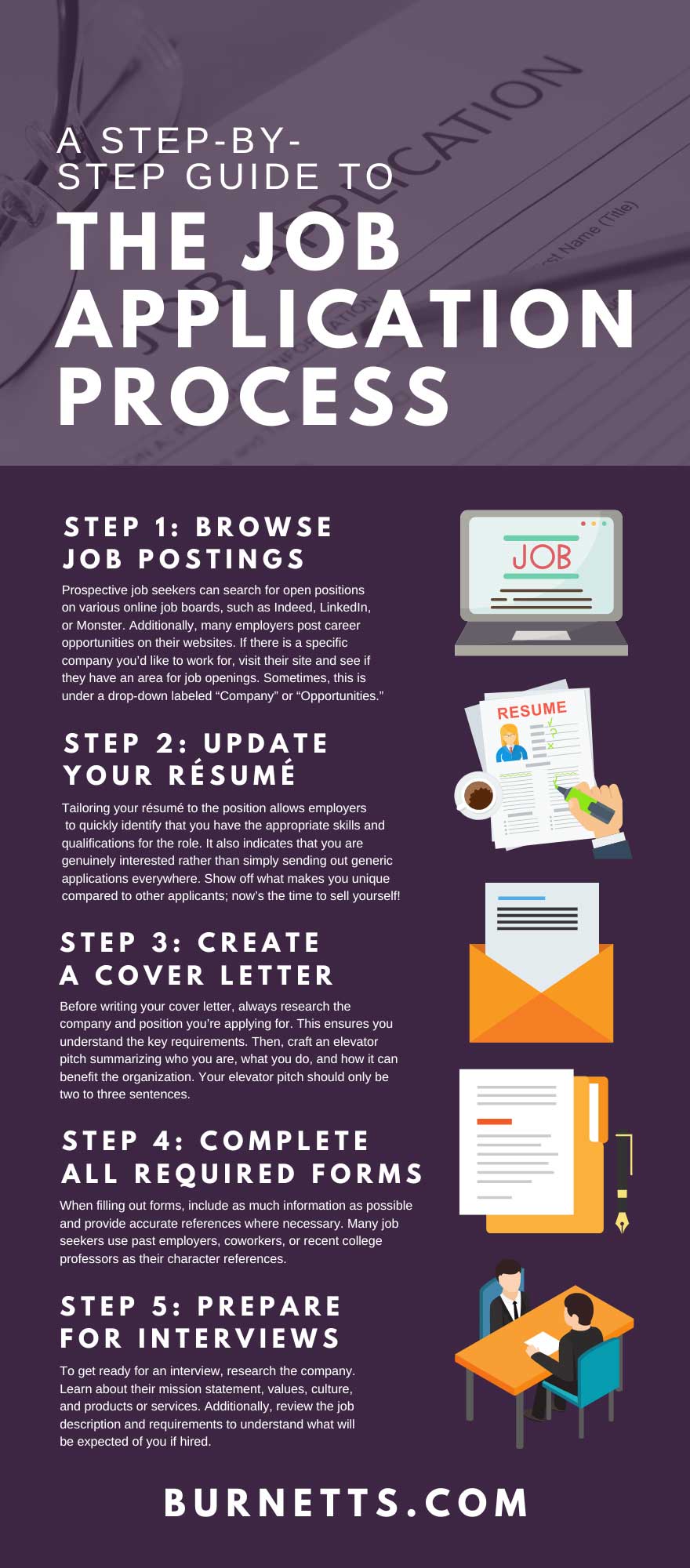
Understanding what comes after a job application is “In Progress” requires a deep dive into the world of HR technology—from Applicant Tracking Systems (ATS) to Artificial Intelligence (AI) screening tools. This article explores the technical lifecycle of a digital application, the algorithms that determine your progress, and the next-generation tools you will encounter as you move through the hiring funnel.
1. The Architecture of the Applicant Tracking System (ATS)
The “In Progress” status is essentially a notification from an Applicant Tracking System (ATS), a software application designed to manage the recruitment and hiring process. When you see this status, it means your data has successfully integrated into the company’s database. However, what happens within that database is governed by complex technical protocols.
How Algorithms Parse Your Data
The moment your application is received, an ATS uses Natural Language Processing (NLP) to “parse” your resume. Parsing is the process of converting an unstructured document (like a PDF or Word file) into a structured format that the database can understand. The tech breaks your resume down into data points: years of experience, specific software proficiencies, educational level, and job titles. If the parsing engine cannot read your layout—perhaps due to complex graphics or non-standard fonts—your application may be “In Progress” but effectively invisible to the human recruiter because the data fields remain empty.
Status Triggers and Automated Workflows
An “In Progress” status is often a placeholder for a series of automated workflows. Recruitment platforms like Workday, Taleo, or Greenhouse allow recruiters to set “triggers.” For example, if a candidate checks a box indicating they have a specific certification, the system might automatically move the status from “Submitted” to “In Progress” or “Under Review.” This automation ensures that the recruitment team focuses only on candidates who meet the baseline technical requirements established by the software’s filtering parameters.
The Role of AI in Initial Screenings
Modern recruitment tech has evolved beyond simple keyword matching. Many companies now employ AI-driven ranking systems that use machine learning to compare your resume against the top performers currently in the role. These tools look for semantic relationships between your skills and the job description. When your application is “In Progress,” the AI may be assigning you a “relevancy score.” High-scoring candidates are flagged for human review, while lower-scoring profiles may stay “In Progress” indefinitely until the position is filled and the system bulk-rejects the remaining pool.
2. Deciphering the Technical Stages of “In Review”
Once the ATS has categorized your data, the application moves into more active technical phases. Understanding these sub-statuses is crucial for candidates who want to know where they stand in the digital queue.
Review Pending vs. Under Consideration
Technically, “In Progress” is the umbrella term, but many portals provide more granular feedback. “Review Pending” typically means the automated screening is complete, and your profile is now in a digital folder accessible to the hiring manager. “Under Consideration” often indicates that a human user has opened your file or that your profile has been moved into a “shortlist” bucket within the software’s UI. This transition is usually triggered by a recruiter clicking a specific button in their dashboard, which sends a localized API call to update the status you see on your end.
The Hidden Stages: Background Tech Checks
In many tech-heavy industries, the “In Progress” stage includes automated background verification and “social scraping.” Some advanced recruitment platforms integrate with third-party APIs to verify the technical credentials you’ve listed. For software engineers, this might involve a background script checking the public repositories of a provided GitHub link to verify activity and coding languages. This digital due diligence happens long before a human picks up the phone.
Why Some Statuses Never Change
A common frustration is the “perpetual in progress” status. Technically, this occurs when a recruiter has found a candidate but has not yet “closed the requisition” in the ATS. Because the software is designed to keep the pool open until a contract is signed, the system keeps all active applications in the “In Progress” state. Understanding this helps candidates realize that the status is often a reflection of the software’s administrative cycle rather than a reflection of their specific qualifications.
3. Enhancing Your Digital Visibility Post-Application

While you wait for your status to change, the “In Progress” period is the ideal time to optimize your external digital footprint. Recruiters who are intrigued by an application will often move from the ATS to broader web-based tools to validate a candidate’s expertise.
Optimizing Your LinkedIn for “Recruiter Search” Algorithms
Recruiters use a specific version of LinkedIn called “LinkedIn Recruiter,” which functions as a powerful search engine. Even if your application is “In Progress” in an internal system, recruiters will often search for your name on LinkedIn to see your “Skill Endorsements” and “Recommendations.” To stay relevant, ensure your profile is optimized with the same technical keywords used in your application. The goal is to create a “digital echo”—where the recruiter sees the same high-value technical terms on your resume and your social profiles.
Utilizing Portfolio Tech and Cloud-Based References
For those in creative or technical fields, your application should point to a live environment. Whether it’s a Behance portfolio, a personal website hosted on Vercel, or a series of technical whitepapers on Medium, these digital assets serve as “proof of work.” During the “In Progress” stage, monitoring your site analytics (like Google Analytics) can actually give you a clue if you are being researched. Seeing a spike in traffic from a specific geographic location where the company is headquartered is a strong technical indicator that your application has moved to a manual review stage.
Digital Networking: Beyond the Application Portal
Technology offers ways to bypass the “In Progress” stalemate. Tools like Hunter.io or Lusha allow candidates to find the direct professional email addresses of hiring managers. Using these tools to send a brief, professional follow-up can move your application from the “unstructured data” pile into the recruiter’s direct inbox. This multi-channel approach ensures that you are not relying solely on the ATS algorithm to advocate for your candidacy.
4. Preparing for the Next Tech Milestone: Video Interviews and AI Assessments
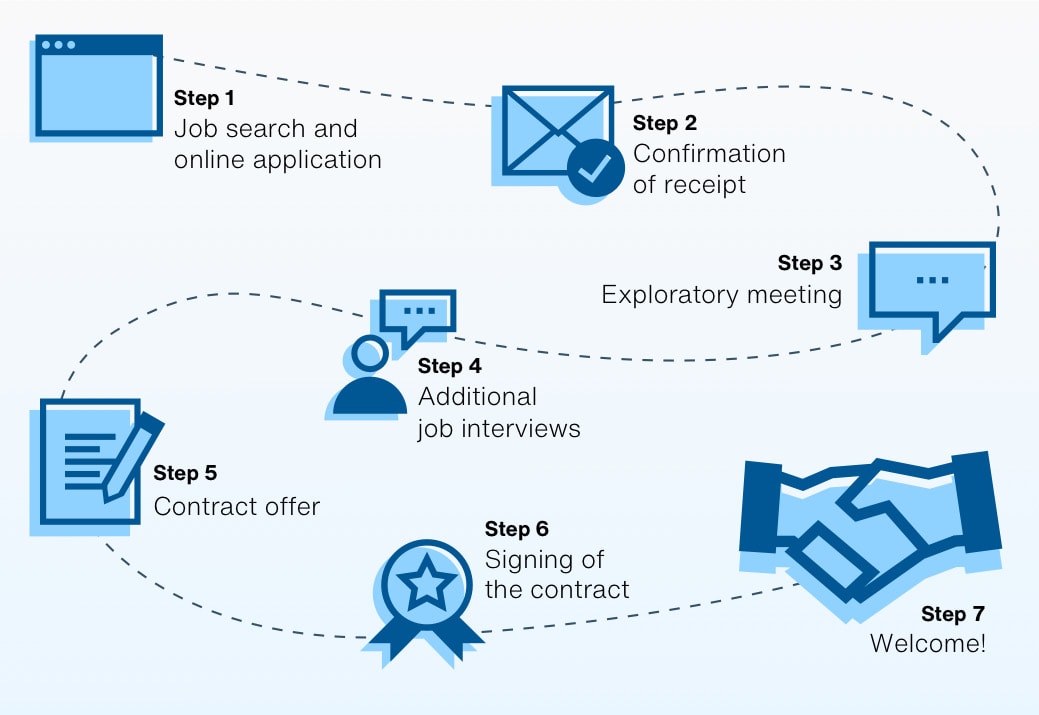
If your “In Progress” status updates to “Interview Scheduled,” you will likely move from the ATS to a different set of technological platforms. The interview process itself has become highly digitized.
Mastering Asynchronous Video Interviews (AVIs)
Many companies now use platforms like HireVue or Spark Hire for the first round of interviews. These are “asynchronous,” meaning you record your answers to pre-set questions. Behind the scenes, these tools often use “affective computing”—AI that analyzes your tone, facial expressions, and vocabulary to assess “soft skills” or “culture fit.” Preparing for this requires a technical understanding of your hardware: ensuring high-quality audio input, stable bandwidth for upload, and proper lighting to ensure the AI facial recognition software can accurately map your expressions.
Gamified Assessments and Psychometric Tech
Depending on the role, the next stage after “In Progress” might be a gamified assessment. Platforms like Pymetrics use neuroscience-based games to measure cognitive and emotional attributes. These tools collect thousands of data points on how you approach problems, your risk tolerance, and your speed of data processing. This is a purely technical evaluation where your “score” is compared against a benchmark of successful employees within the firm.
The Technical Setup for Virtual Success
In the final stages, you will likely encounter synchronous video conferencing tech like Zoom, Microsoft Teams, or Google Meet. Success here is not just about your answers, but about your “digital hygiene.” This includes using “Blur Background” features to maintain professional privacy, utilizing noise-cancellation software like Krisp to ensure clear communication, and mastering screen-sharing protocols for presenting technical projects or slide decks.
5. Future Trends: Blockchain and Decentralized Hiring
As we look toward the future of what comes after an application, the technology is shifting toward even more transparency and security.
Verified Credentials and On-Chain Resumes
We are beginning to see the rise of blockchain-verified credentials. In the future, the “In Progress” stage might be significantly shortened because your degrees, certifications, and previous job titles will be “on-chain” and instantly verifiable. This eliminates the need for manual background checks and allows the ATS to trust the data instantly, moving candidates through the funnel with unprecedented speed.
The Shift Toward Skill-Based Technical Valuations
As AI continues to evolve, the “resume” itself may become obsolete. Future application portals may focus on “Live Coding” or “Real-time Problem Solving” modules. Your status will change based on your performance within a sandbox environment rather than your ability to write a clever cover letter.
In conclusion, the “In Progress” status is a window into a complex digital world. By understanding the Applicant Tracking Systems, AI filters, and digital assessment tools that define the modern hiring process, candidates can navigate the “digital black hole” with confidence. The transition from application to offer is no longer just a human conversation; it is a sophisticated data journey. Mastering the technology behind that journey is the key to career success in the digital age.
aViewFromTheCave is a participant in the Amazon Services LLC Associates Program, an affiliate advertising program designed to provide a means for sites to earn advertising fees by advertising and linking to Amazon.com. Amazon, the Amazon logo, AmazonSupply, and the AmazonSupply logo are trademarks of Amazon.com, Inc. or its affiliates. As an Amazon Associate we earn affiliate commissions from qualifying purchases.