
When one hears the word “sapphire,” an immediate mental image often conjures a deep, majestic blue. This association is not without merit; blue sapphires have historically captivated royalty, graced precious heirlooms, and adorned the most discerning collectors. However, to truly understand the financial implications and investment potential of this exquisite gemstone, one must delve deeper than the popular perception. The spectrum of sapphire colors is far broader and more nuanced than many realize, and critically, each hue carries distinct financial valuations, market demands, and investment considerations. For the astute investor, understanding the intricate relationship between a sapphire’s color and its monetary worth is paramount. This article aims to unpack the diverse palette of sapphires, shedding light on how each color translates into an asset, influencing its desirability, liquidity, and long-term financial viability within the luxury goods and investment markets.

The Iconic Blue: Sapphire’s Premier Market Driver
The blue sapphire remains the undisputed king in terms of market recognition and traditional value. Its unparalleled beauty and historical significance have cemented its status as a cornerstone in the world of precious gems. For investors, understanding the nuances of blue sapphire color is not merely an aesthetic pursuit but a critical financial analysis. The depth, intensity, and purity of blue significantly dictate its market price and investment potential.
The Rarity and Value of Royal Blue
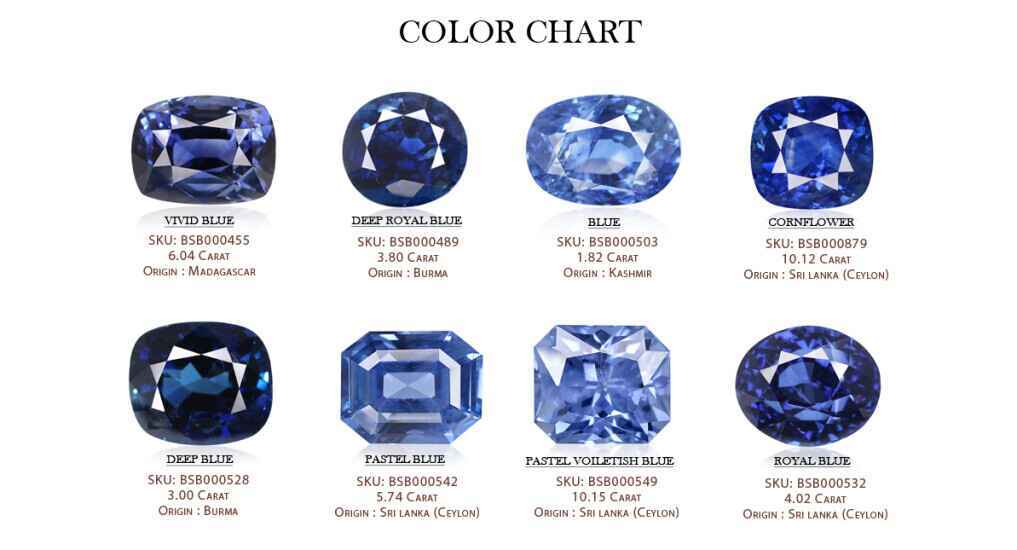
The most coveted blue sapphires exhibit a rich, velvety, “royal blue” hue – a medium-dark to dark violetish blue, with strong to vivid saturation. Gemologists often refer to this as a cornflower blue or a vivid royal blue. These stones represent the pinnacle of sapphire quality and command premium prices. The rarity of naturally occurring sapphires with this ideal color profile means they are often seen as stable, long-term investments, much like fine art or rare coins. Their consistent demand from high-net-worth individuals and discerning collectors ensures a robust market. Investors seeking to acquire these top-tier blue sapphires are effectively securing a tangible asset with a strong track record of value retention and appreciation. The provenance of such stones, particularly those from historic mines like Kashmir or Burma (Myanmar), further amplifies their value, often resulting in auction prices that far exceed their weight-based estimates due to their historical significance and exceptional color.
Factors Affecting Blue Sapphire Price: Tone, Saturation, Hue
Beyond the general “royal blue” descriptor, the specific characteristics of a sapphire’s color – tone, saturation, and hue – are crucial determinants of its financial worth.
- Tone refers to how light or dark the color is. The most valuable blue sapphires typically have a medium to medium-dark tone. Sapphires that are too light lack intensity, while those that are too dark can appear blackish and lose their brilliance.
- Saturation describes the intensity or strength of the color. Vivid to strong saturation is highly prized, meaning the color is vibrant and not diluted. A sapphire with weak saturation will appear washed out and significantly diminish in value.
- Hue is the primary color itself. While we speak of “blue,” many sapphires exhibit secondary hues, such as violet or green. The purest blue, with minimal secondary hues (or a slight violetish-blue that enhances its depth), is generally the most valuable. A prominent green secondary hue, for instance, typically reduces a blue sapphire’s value.
Understanding these interconnected factors allows investors to precisely evaluate a blue sapphire’s market position and potential return on investment. A sapphire with the optimal balance of tone, saturation, and a desirable hue is not just beautiful; it is a strategically valuable asset.
Geographical Origins and Market Premium
The origin of a blue sapphire can imbue it with a significant market premium, primarily due to the historical association of certain locales with specific color qualities.
- Kashmir sapphires are legendary for their intense, velvety blue color, often described as “sleepy” due to minute rutile inclusions that scatter light and give them a soft, glowing appearance. Though mining ceased decades ago, their rarity and exceptional color quality mean they fetch astronomical prices at auction, making them prime investment pieces.
- Burmese (Myanmar) sapphires are also highly regarded for their deep, rich blue, often leaning towards a vivid royal blue, and are considered among the finest available today.
- Sri Lankan (Ceylon) sapphires are celebrated for their brighter, often lighter blue hues with excellent clarity. While perhaps not reaching the absolute peak prices of Kashmir or Burmese gems, they represent a strong, accessible investment option with consistent demand.
- Madagascar sapphires have emerged as a significant source, producing a range of blues, some rivaling the quality of established origins, albeit often without the historical premium.
For investors, the geographical origin, when verifiable and documented, adds another layer of financial weight to a blue sapphire, transforming it from merely a gemstone into a historical artifact with verifiable provenance, thereby enhancing its investment appeal.
Beyond Blue: Fancy Sapphires as Diverse Investment Opportunities
While blue commands the spotlight, sapphires naturally occur in nearly every color of the rainbow, collectively known as “fancy sapphires.” These vibrant alternatives offer unique investment avenues, often appealing to different market segments and presenting distinct risk-reward profiles compared to their blue counterparts. Their rarity in specific hues can sometimes rival or even exceed that of fine blue sapphires.
Padparadscha: The Sunset Sapphire and Its Exclusivity
The Padparadscha sapphire is arguably the most coveted of all fancy sapphires, commanding prices that often surpass even the finest blues. Its name, derived from the Sinhalese word for “lotus flower” or “sunset,” perfectly describes its unique color: a delicate blend of pink and orange. For a sapphire to be classified as Padparadscha, its color must fall within a very specific and strict range, a harmonious balance between pink and orange with no dominant hue. The precise ratio is critical; if it’s too pink, it’s a pink sapphire; too orange, it’s an orange sapphire.
This exquisite and extremely rare color makes natural Padparadscha sapphires, particularly those untreated, exceptionally valuable and a prime investment target. Their limited supply and high demand from connoisseurs make them a potentially lucrative addition to a diverse gemstone portfolio, often seeing significant appreciation over time. Investors considering Padparadscha must prioritize stringent certification to confirm its natural, unheated status and exact color classification, as these factors are paramount to its financial value.
Yellow, Pink, and Green Sapphires: Assessing Market Demand
Other fancy sapphire colors also present compelling investment cases, though their market dynamics differ.
- Yellow Sapphires range from pale lemon to intense canary yellow. Vivid, unheated yellow sapphires, particularly those from Sri Lanka, can be quite valuable. They offer a more accessible entry point into fancy sapphire investment compared to Padparadscha but still represent a tangible asset with good market liquidity.
- Pink Sapphires have seen a significant surge in popularity and value, especially in recent decades. Shades from delicate pastel pink to vivid fuchsia are sought after. Unheated, vibrant pink sapphires, particularly those with strong saturation, are excellent investments, often appealing to a younger, fashion-conscious luxury market. Their growing appeal has driven consistent price increases.
- Green Sapphires are less common and often overlooked but can be stunning. They typically range from light mint to deep forest green. While generally less expensive than blue or pink sapphires, fine quality, rich green sapphires without excessive secondary hues can represent an undervalued investment opportunity, especially as market tastes broaden.
For each of these, the intensity of color, clarity, and lack of treatment are fundamental to their financial standing. A vibrant, well-cut, and clean fancy sapphire of any of these colors will always hold strong investment potential.
Star Sapphires: A Niche Investment for Collectors
Star sapphires, regardless of their body color (which can be blue, black, pink, or even grey), are unique due to a phenomenon called asterism – a star-like pattern that appears on the surface when light reflects off microscopic needle-like inclusions within the stone. A well-defined, sharp, and centered star with strong arms that extend to the girdle is highly prized.
While their overall value might not always reach the per-carat prices of transparent, facetted sapphires with exceptional color, star sapphires represent a distinct and highly specialized niche investment. Collectors are often willing to pay a premium for exceptional examples, especially those with rare body colors and perfectly formed stars. Their rarity and unique optical effect make them an intriguing, albeit less liquid, asset for specialized gemstone portfolios. Investors in star sapphires should focus on the quality of the star, the body color, and the stone’s overall size and clarity, as these elements dictate their market value.
Color as the Core Determinant of Sapphire’s Financial Worth
In the world of colored gemstones, color is not merely an aesthetic preference; it is the single most critical factor influencing financial value. While clarity, cut, and carat weight (the “4 Cs”) are universally applied, the impact of color on a sapphire’s price often overshadows all other attributes. For an investor, understanding this primacy is key to making informed decisions and maximizing returns.
The 4 Cs (Color, Clarity, Cut, Carat Weight) Re-evaluated for Color’s Primacy
While the 4 Cs provide a comprehensive framework for gem evaluation, their relative importance shifts dramatically when dealing with colored stones like sapphires.
- Color: As discussed, the specific hue, tone, and saturation of a sapphire can account for 50-70% of its overall value. A sapphire with exceptional color can often compensate for minor inclusions or a slightly less than ideal cut.
- Clarity: While inclusions reduce value, sapphires are generally expected to have some minor internal characteristics. Unlike diamonds where flawless clarity is paramount, a sapphire’s value is less impacted by inclusions as long as they do not significantly detract from the stone’s beauty or durability, or obscure its color. A very clean sapphire of moderate color is often less valuable than an exceptionally colored sapphire with minor, eye-invisible inclusions.
- Cut: The cut of a sapphire is vital for maximizing its color and brilliance. A good cut will display the color optimally, minimize windowing (areas where light passes through without reflection), and enhance sparkle. However, cutters often prioritize retaining carat weight or optimizing color saturation, meaning ideal proportions sometimes take a backseat to these considerations. An excellent cut can enhance a sapphire’s value, but it cannot create good color where none exists.
- Carat Weight: Larger sapphires are rarer and thus command higher per-carat prices. However, a large sapphire with poor color will always be less valuable than a smaller sapphire with exceptional color. The exponential increase in value with size only applies to stones that already possess desirable color.
Ultimately, color acts as the primary filter. Only sapphires meeting certain color standards proceed to be judged critically on the other Cs. An investor must therefore first seek optimal color, then evaluate the other factors.
Certification and Appraisal: Ensuring Investment Integrity
For any significant sapphire investment, independent third-party certification from reputable gemological laboratories is non-negotiable. Institutions like the Gemological Institute of America (GIA), Gubelin Gem Lab, or the Swiss Gemmological Institute (SSEF) provide unbiased reports detailing a sapphire’s color, origin, presence of treatments (heating, diffusion, etc.), and other identifying characteristics.
- Color Description: These reports provide precise color descriptions, often using standardized terminology or color charts, which are crucial for confirming the sapphire’s grade and market category (e.g., “vivid blue,” “Padparadscha”).
- Treatment Disclosure: Treatments, especially heat treatment, are common in sapphires and, while widely accepted, generally reduce the value compared to an equivalent unheated stone. Diffusion treatment, which artificially enhances color, drastically reduces value. A certificate explicitly stating “no indications of heating” or “natural color” significantly enhances a sapphire’s investment profile and liquidity.
- Origin: As discussed, origin can add substantial value. Verifiable origin statements from reputable labs lend credibility and financial weight.
An appraisal from a certified appraiser, leveraging these laboratory reports, provides a monetary valuation, essential for insurance, estate planning, and understanding the current market value of the investment. Without these documents, a sapphire’s true financial standing is speculative at best.

Market Trends and Forecasting Sapphire Value by Color
The sapphire market, like any investment market, is subject to trends. While classic blue sapphires maintain enduring appeal, demand for certain fancy colors has fluctuated. For instance, the demand for pink sapphires surged significantly over the last two decades.
Investors should:
- Monitor auction results: High-profile auction sales of rare and exceptional sapphires provide benchmarks for top-tier values.
- Follow industry publications: Gemological and jewelry trade journals often report on market shifts, emerging sources, and changing consumer preferences.
- Understand global demand: Rising affluence in new markets (e.g., Asia) has increased demand for luxury colored gemstones, potentially influencing prices for specific colors.
- Consider scarcity: Unheated sapphires of exceptional color from classic mining locations are becoming increasingly rare, driving up their value as finite resources.
Forecasting sapphire value by color involves a blend of historical data, current market sentiment, and an understanding of supply and demand dynamics. Investing in sapphires is not merely buying a pretty stone; it’s a strategic allocation of capital based on a profound understanding of its most defining characteristic: color.
aViewFromTheCave is a participant in the Amazon Services LLC Associates Program, an affiliate advertising program designed to provide a means for sites to earn advertising fees by advertising and linking to Amazon.com. Amazon, the Amazon logo, AmazonSupply, and the AmazonSupply logo are trademarks of Amazon.com, Inc. or its affiliates. As an Amazon Associate we earn affiliate commissions from qualifying purchases.