
In the modern era, the intersection of human biology and high-performance technology has created a unique set of physiological challenges. Among the most prevalent of these is the “tech-induced” wrist injury. Whether you are a software developer committing thousands of lines of code, a graphic designer navigating complex layers, or a competitive gamer operating at high actions-per-minute (APM), the wrist has become the primary interface between human intent and digital execution. However, this interface is often the first point of failure.
Sore wrists are no longer just a symptom of aging; they are a byproduct of our evolving relationship with hardware and software. To understand what causes sore wrists in a tech-centric world, we must look beyond simple “overuse” and examine the specific ergonomic failings of modern peripherals, the intensity of digital workflows, and the technological solutions emerging to mitigate these risks.

The Hardware Factor: Peripheral Design and Ergonomic Gaps
The primary culprit behind wrist discomfort in the tech industry is the hardware we use daily. Most standard peripherals were designed for mass production and aesthetic appeal rather than anatomical alignment. When we interact with these devices, we often force our wrists into unnatural positions that create long-term strain.
The Standard Keyboard Conundrum
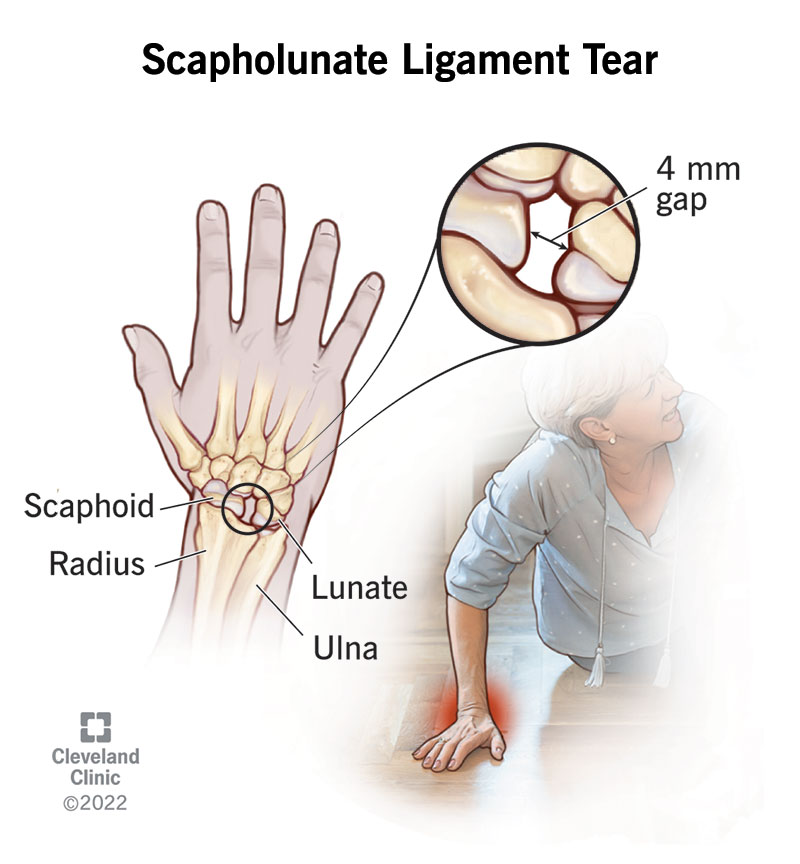
The traditional QWERTY keyboard is an architectural relic. Originally designed for mechanical typewriters to prevent key jams, the layout forces the hands into a “pronated” position—palms flat against the desk. This position requires the two bones in the forearm (the radius and ulna) to cross, creating tension in the surrounding musculature.
Furthermore, most standard keyboards lack a “split.” This forces users to angle their wrists outward to align their fingers with the keys, a condition known as ulnar deviation. Over hours of coding or typing, this deviation compresses the carpal tunnel and inflames the tendons, leading to the dull ache or sharp pains commonly associated with tech work.
Optical Mice vs. Trackpads: The Repetitive Strain Cycle
The mouse is perhaps the most dangerous tool in a tech professional’s arsenal. Using a traditional mouse requires a “claw” or “palm” grip that keeps the wrist in a state of constant extension (bent upwards). This position puts direct pressure on the median nerve.
Moreover, the repetitive motion of “micro-adjusting” a cursor—essential for UI/UX designers or data analysts—leads to repetitive strain injury (RSI). Trackpads, while offering gesture support, often exacerbate the issue by requiring the user to “hover” their fingers, leading to static muscle loading. This lack of a neutral “handshake” position is a primary driver of chronic wrist soreness.
Software Workflow and the Intensity of Digital Pace
While hardware provides the physical catalyst, the way we interact with software dictates the intensity of the strain. The “always-on” nature of modern tech roles means that our wrists are under constant load for 8 to 12 hours a day.
High-Intensity Coding and Gaming
In the worlds of software engineering and eSports, the volume of input is staggering. A developer may make thousands of keystrokes in a single session. If the software environment (the IDE) isn’t optimized with keyboard shortcuts, the user is forced into “mouse-heavy” navigation, switching back and forth between the keyboard and mouse. This constant transition creates a “shearing” effect on the wrist tendons.
In gaming, the stakes are even higher. Professional gamers often utilize high-sensitivity settings that require minute, high-tension movements of the wrist. The psychological stress of high-stakes environments causes users to grip their peripherals more tightly, a phenomenon known as “death gripping,” which significantly accelerates muscle fatigue and tendon inflammation.
The Mobile Era: “Texting Thumb” and Wrist Flexion
The tech niche extends beyond the desktop. The rise of mobile-first workflows means that many professionals manage their communications and even perform light coding or system monitoring via smartphones. The heavy weight of modern flagship phones, combined with the “pinky-propping” technique used to stabilize the device, places an immense load on the wrist. Constant thumb abduction to reach across large screens creates a chain reaction of tension that travels through the de Quervain’s tendons and into the wrist joint itself.
Engineering the Solution: Tech-Forward Ergonomics
As the tech industry recognizes the “sore wrist” epidemic as a threat to productivity and longevity, a new wave of ergonomic technology has emerged. These are not merely accessories; they are essential tools for anyone serious about a career in the digital space.
Mechanical Keyboards and Custom Keymaps
The enthusiast mechanical keyboard community has pioneered many solutions for wrist health. Unlike “mushy” membrane keyboards, mechanical switches offer tactile feedback and varied “actuation forces.” This allows users to choose switches that require less pressure to register a keypress, reducing the impact on the finger joints and wrists.
Advanced tech users are also turning to “ortholinear” and “split” keyboards. Ortholinear layouts align keys in straight columns to match the natural movement of fingers, while split keyboards allow the hands to remain shoulder-width apart. By utilizing firmware like QMK or VIA, users can create “layers,” bringing the keys to their fingers rather than stretching their wrists to reach distant keys.
Vertical Mice and Trackballs
The shift toward “Vertical Mice” is a direct response to the pronation problem. By tilting the mouse at a 57-degree angle, these devices allow the hand to rest in a neutral “handshake” position. This eliminates forearm twisting and significantly reduces pressure on the carpal tunnel.
Similarly, many developers are returning to the trackball. Because the device remains stationary and the cursor is moved using the thumb or fingers, the wrist remains completely neutral. This tech-driven shift in peripheral choice is often the single most effective way to eliminate wrist soreness caused by navigation-heavy tasks.
AI and Voice-to-Text as Physical Mitigators
We are entering an era where “typing” may no longer be the primary method of data entry. The integration of sophisticated AI and Natural Language Processing (NLP) allows for highly accurate voice-to-text workflows. For a developer, using AI-assisted coding tools (like GitHub Copilot) means writing fewer lines of code manually. By generating boilerplate code through simple prompts, the physical load on the wrists is reduced by up to 40%. This transition from “manual input” to “logical oversight” is the ultimate technological fix for physical strain.
The Future of Workspace Tech: Beyond the Desk
As we look toward the future of the tech industry, the focus is shifting toward “Active Ergonomics”—technology that monitors our health in real-time to prevent injury before it occurs.
Haptic Feedback and Wearable Stress Sensors
The next generation of wearables will do more than count steps; they will monitor wrist angle and muscle tension. Imagine a smartwatch or a specialized wristband that vibrates when it detects “ulnar deviation” or excessive “extension.” By providing immediate haptic feedback, these devices can train users to maintain neutral postures during long coding sessions.
The Spatial Computing Shift
With the advent of spatial computing (VR/AR), the very concept of a “wrist-based” interface is changing. Devices like the Apple Vision Pro or Meta Quest utilize eye-tracking and hand gestures in three-dimensional space. While this introduces new ergonomic challenges (such as “gorilla arm”), it removes the static, compressed nature of desk-bound wrist movements. As gesture-based interfaces become more refined, the repetitive, micro-motions of the wrist on a flat surface may become a relic of the past.
Conclusion
Sore wrists in the technology sector are not an inevitable cost of doing business; they are a design challenge waiting to be solved. The causes are rooted in a mismatch between our static hardware and our dynamic, high-intensity digital lives. From the “pronated” grip forced by 1980s-era keyboard designs to the high-APM requirements of modern software, the strain is a multi-faceted technological issue.
However, the solution lies in the same place as the problem: innovation. By embracing split mechanical keyboards, vertical mice, AI-driven input, and wearable bio-feedback, tech professionals can protect their most valuable physical assets. As the industry moves toward spatial computing and more intuitive interfaces, we may finally see an end to the “digital strain,” allowing our wrists to function as they were intended—as precise, pain-free conduits for human creativity.
aViewFromTheCave is a participant in the Amazon Services LLC Associates Program, an affiliate advertising program designed to provide a means for sites to earn advertising fees by advertising and linking to Amazon.com. Amazon, the Amazon logo, AmazonSupply, and the AmazonSupply logo are trademarks of Amazon.com, Inc. or its affiliates. As an Amazon Associate we earn affiliate commissions from qualifying purchases.