
In the pantheon of automotive history, few decisions have been as audacious or as brand-defining as BMW’s move to place a high-revving, naturally aspirated V10 engine into a mid-sized executive sedan. When enthusiasts ask, “What BMW has a V10?” the answer—the E60 M5 and the E63/64 M6—is only the beginning of a much larger story. For BMW, the V10 was not merely a mechanical component; it was a cornerstone of brand strategy, a physical manifestation of corporate identity, and a masterclass in marketing through engineering.
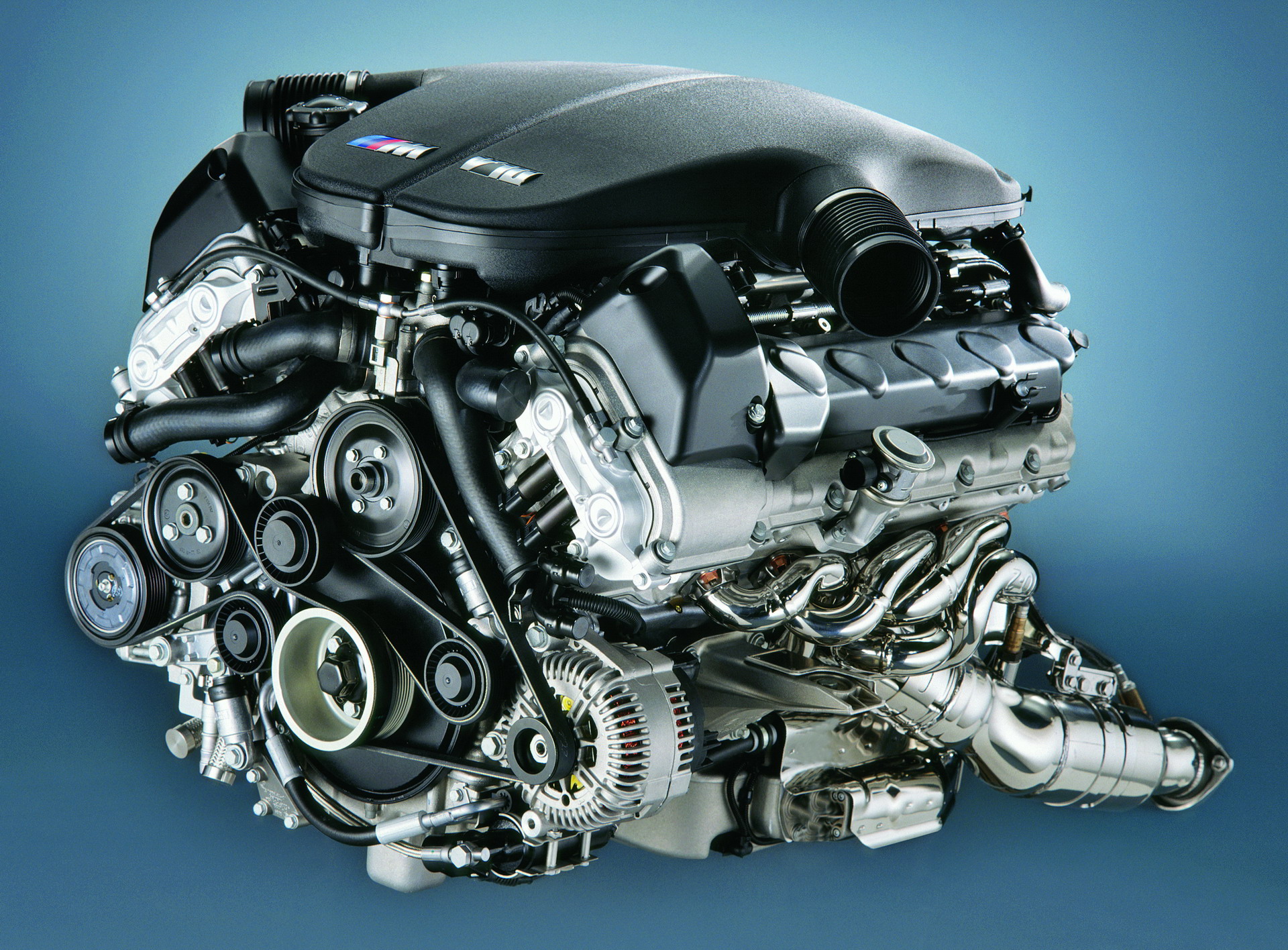
The S85 engine, a 5.0-liter V10, remains the only ten-cylinder engine BMW has ever produced for a road car. To understand why it exists, one must look past the specifications and into the brand’s desire to solidify its position as the “Ultimate Driving Machine” during a period of intense global competition.
The Formula 1 Connection: Engineering a Brand Narrative
The early 2000s marked a pivotal era for BMW’s brand positioning. The company was heavily invested in Formula 1 as an engine supplier for the Williams team. This wasn’t just a quest for trophies; it was a strategic marketing move designed to infuse the road-going “M” (Motorsport) division with the DNA of the world’s most elite racing series.
Bridging the Gap Between Track and Tarmac
In branding, “heritage” and “authenticity” are high-value currencies. By developing a V10 engine for the M5 and M6, BMW created a direct, tangible link between their F1 racing efforts and their consumer products. The S85 engine shared more than just a cylinder count with the BMW Sauber F1 engines; it shared a high-revving philosophy, achieving its peak power at a staggering 7,750 RPM. This allowed BMW’s marketing departments to sell a narrative of “F1 technology for the road,” a claim that few competitors could legitimately match.
The Power of the “M” Sub-Brand
The V10 era was instrumental in elevating the “M” sub-brand from a niche performance tuning arm to a global symbol of prestige. By choosing a V10 layout—at the time the standard for F1—BMW signaled to the market that they were the leaders in high-performance engineering. This helped differentiate the brand from Mercedes-Benz’s AMG, which favored large-displacement V8s and superchargers, and Audi’s RS division, which was then focused on biturbo engines. The V10 became a unique selling proposition (USP) that defined BMW’s corporate identity as the choice for the “purist” driver.
Product Positioning: The E60 M5 and E63 M6 as Halo Vehicles
A “halo vehicle” serves a specific role in brand strategy: it is a product designed to showcase the absolute peak of a company’s capabilities, thereby casting a favorable light on the more affordable models in the lineup. The V10-powered BMWs were the ultimate halo cars of the 2000s.
The E60 M5: The Wolf in Sheep’s Clothing
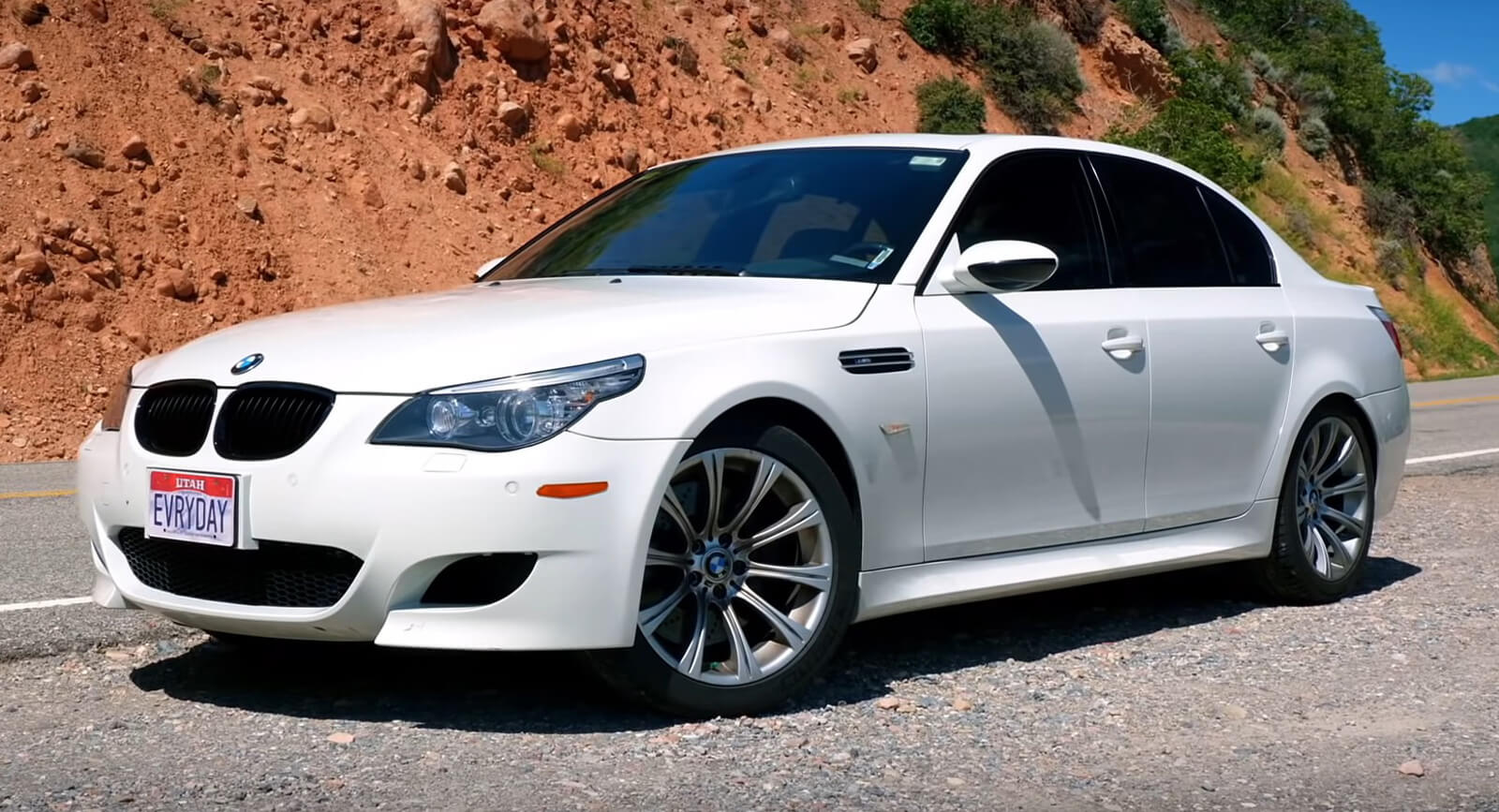
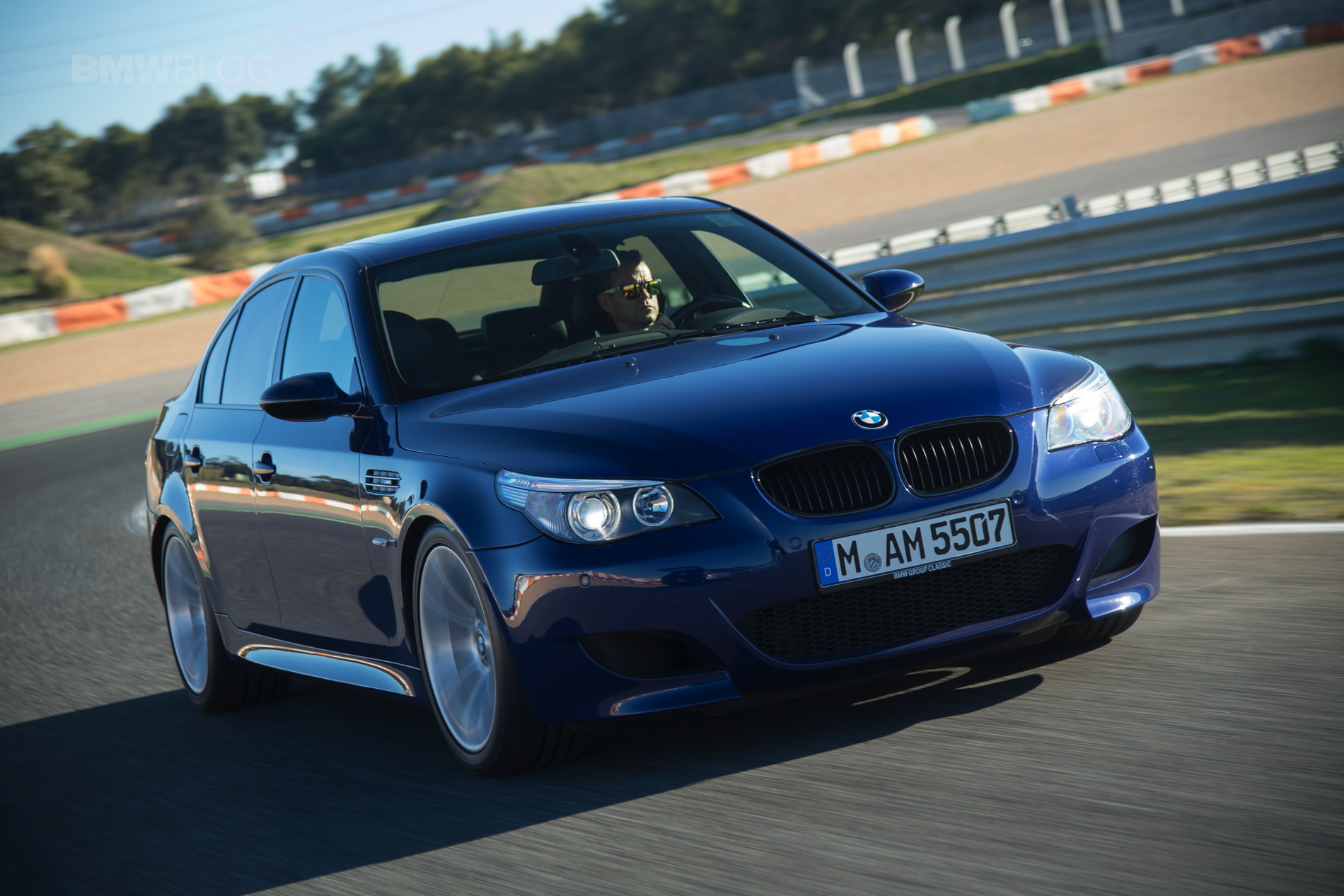
The E60 M5, produced between 2004 and 2010, was a masterclass in brand contrast. On the outside, it was a sophisticated four-door sedan suitable for a corporate executive. Under the hood, however, lay a screaming V10 that produced 500 horsepower. This “dual personality” was essential to BMW’s brand identity—it promised that one could have professional respectability without sacrificing the raw, visceral thrill of a race car. This positioning helped BMW capture a segment of the market that found exotic cars too flashy but found standard luxury cars too sterile.
The E63 M6: Luxury Meets Audacity
While the M5 focused on the executive market, the M6 brought the V10 to the grand touring segment. It was designed to compete with brands like Aston Martin and Maserati. By utilizing the same S85 engine, BMW proved that their brand could flex across different lifestyles—from the family-oriented performance seeker to the luxury-focused enthusiast. The inclusion of a carbon fiber roof on the M6 was another branding masterstroke, highlighting BMW’s commitment to lightweight “Tech” and innovation long before it became a standard industry practice.
Brand Perception and the “Ultimate Driving Machine” Ethos
The success of a brand is often measured by its emotional resonance. The BMW V10 era succeeded because it tapped into the sensory experiences of its customers, creating a brand “aura” that persists to this day.
Auditory Branding: The Sound of Performance
In the world of marketing, sound is a powerful tool. The unique, high-pitched wail of the S85 V10 engine became an unofficial “sonic logo” for BMW’s performance division. Even today, the sound of an E60 M5 at full tilt is instantly recognizable to car enthusiasts. This auditory signature reinforced the brand’s identity as being focused on “soul” and “mechanical emotion” rather than just cold, clinical performance figures. It turned owners into brand ambassadors every time they accelerated onto a highway.
The Boldness of the Bangle Era
The V10 cars were launched during the tenure of design chief Chris Bangle, a period characterized by “flame surfacing” and radical aesthetic shifts. This was a deliberate brand strategy to move BMW away from its “evolutionary” design past and into a “revolutionary” future. The V10 engine provided the mechanical muscle to back up these controversial design choices. It sent a clear message: BMW was no longer content with being the safe, conservative choice. They were now the brand of the bold, the technological leaders who weren’t afraid to take risks.
The Long-term Impact on BMW’s Corporate Identity
As the automotive industry shifted toward turbocharging and electrification, the naturally aspirated V10 era became a closed chapter. However, its impact on BMW’s brand equity continues to pay dividends.
The Transition to the “Modern” M Brand
The V10 era was the high-water mark for naturally aspirated engines at BMW. Following the S85, the company transitioned to turbocharged V8s (like the S63). While these newer engines were more efficient and produced more torque, the V10 had already done the heavy lifting of cementing BMW’s reputation for high-performance dominance. The “M” brand had become so strong during the V10 years that it could withstand the transition to more “sensible” turbocharged engines without losing its luster.
Collectibility and Brand Prestige
Today, the V10-powered M5 and M6 are becoming increasingly sought-after modern classics. From a brand perspective, this is the ultimate validation. When a company’s past products remain highly desirable, it bolsters the perceived value of its current lineup. The V10 era is now viewed as a “golden age,” a piece of corporate history that allows BMW to market its current “M” cars as descendants of a legendary lineage. It provides the historical weight necessary to justify the premium pricing of modern BMW performance vehicles.
Lessons in Brand Audacity
The V10 BMW remains a case study in how a brand can use a single, extreme product to redefine its entire global image. By asking, “What if we put an F1 engine in a sedan?” BMW moved from being a manufacturer of high-quality German cars to a global icon of engineering audacity. It was a risk that prioritized brand “soul” over mere market research, and it resulted in one of the most memorable chapters in automotive history.
In conclusion, the BMW V10 models—the E60 M5 and E63/64 M6—were much more than just fast cars. They were strategic assets designed to align BMW with the pinnacle of motorsport, create a unique auditory and emotional brand experience, and establish a “halo effect” that would define the company’s identity for decades. While the V10 may be gone from the production line, its influence remains embedded in the DNA of every vehicle that wears the M badge today, reminding the world that BMW is, at its heart, a brand built on the thrill of the drive.
aViewFromTheCave is a participant in the Amazon Services LLC Associates Program, an affiliate advertising program designed to provide a means for sites to earn advertising fees by advertising and linking to Amazon.com. Amazon, the Amazon logo, AmazonSupply, and the AmazonSupply logo are trademarks of Amazon.com, Inc. or its affiliates. As an Amazon Associate we earn affiliate commissions from qualifying purchases.