
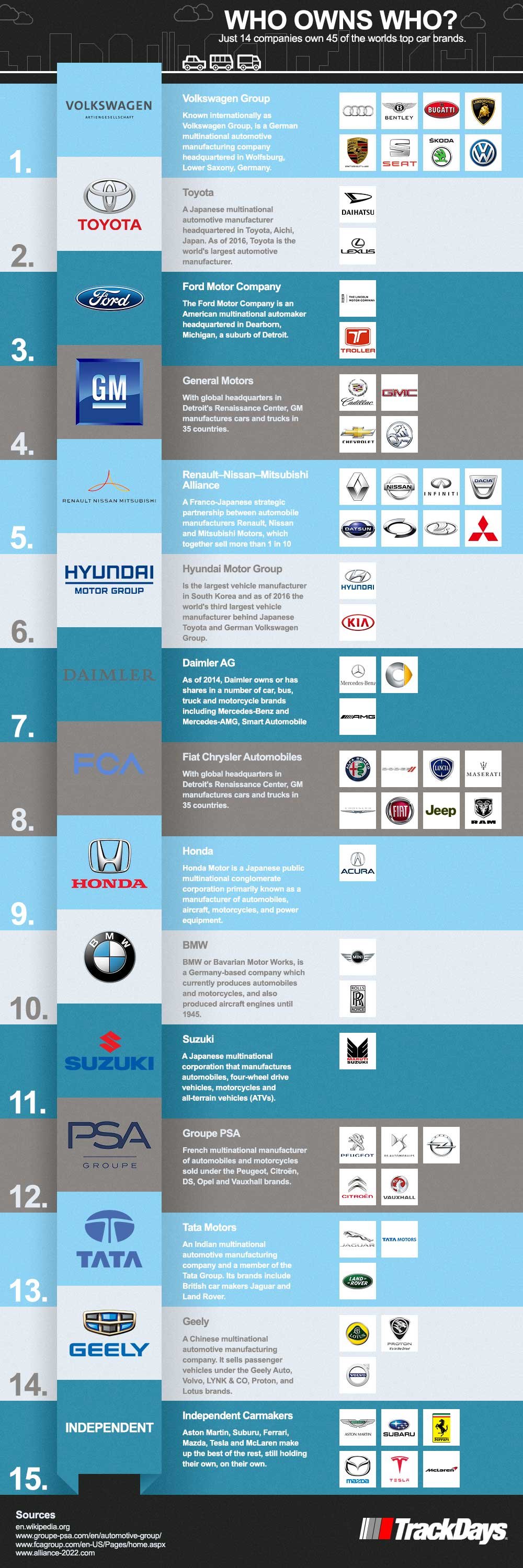
In the pantheon of global industry, few names carry as much weight as the Ford Motor Company. For over a century, the “Blue Oval” has stood as a symbol of American industrial might, innovation, and the democratization of travel. However, the question of “what auto companies does Ford own” is not merely a tally of acquisitions; it is a complex narrative of brand strategy, corporate evolution, and the strategic refinement of a global identity.
To understand Ford’s current holdings, one must look through the lens of brand architecture. Unlike conglomerates that seek to amass a diverse “house of brands,” Ford has transitioned toward a “branded house” strategy, focusing its energy on a lean, high-equity portfolio. Today, Ford’s ownership structure is more focused than it has been in decades, prioritizing the strength of its core identity over the breadth of its subsidiaries.
The Evolution of the Ford Blue Oval: A Masterclass in Brand Identity
The Ford brand itself is the cornerstone of the company’s corporate identity. In the world of marketing, the “Blue Oval” is one of the most recognized trademarks globally. Ford’s strategy has evolved from the early 20th-century obsession with vertical integration to a modern, streamlined approach that emphasizes brand consistency across various global markets.
Defining the Core: The Strength of the Ford Masterbrand
The primary brand under the Ford Motor Company umbrella is, unsurprisingly, Ford. However, the strategic management of this brand is what sets it apart. Ford is positioned as a “people’s brand,” but one that spans a massive gamut from the rugged, utilitarian F-150 to the performance-oriented Mustang. By keeping these diverse products under a single brand name, Ford leverages a “halo effect.” The performance prestige of the Mustang elevates the perceived engineering quality of the Ford Escape, while the toughness of the Super Duty trucks reinforces the reliability of the entire lineup.
The “One Ford” Philosophy: Streamlining for Global Consistency
A pivotal moment in Ford’s brand history was the implementation of the “One Ford” plan under former CEO Alan Mulally. Before this shift, Ford of Europe and Ford of North America often operated as distinct entities with different product lines and branding strategies. The “One Ford” strategy unified these identities. By streamlining the portfolio and ensuring that a Ford Focus in London looked and felt like a Ford Focus in Los Angeles, the company reinforced its global corporate identity, reduced marketing fragmentation, and solidified its brand equity on a worldwide scale.
Luxury and Legacy: The Lincoln Motor Company
While the Ford brand covers the mass market and performance sectors, the company maintains a dedicated luxury subsidiary: The Lincoln Motor Company. Acquired by Henry Ford in 1922 from Henry Leland, Lincoln serves as the sophisticated, premium arm of the Ford corporate family.
Positioning Lincoln: Quiet Flight and Modern Luxury
In recent years, Ford has undergone a significant rebranding effort for Lincoln to distinguish it from its parent company. Moving away from the “American luxury” tropes of the past, Lincoln now utilizes a brand pillar called “Quiet Flight.” This strategy focuses on serenity, effortless power, and “human-centric” design. By carving out this specific niche, Ford ensures that Lincoln does not compete directly with the Ford brand but instead attracts a different demographic—those seeking wellness and tranquility over raw utility or sportiness.
Distinguishing Lincoln from Ford: A Study in Brand Tiering
A major challenge in brand strategy is “badge engineering”—the practice of selling the same vehicle under two different names. Ford has worked aggressively to move Lincoln away from this perception. While Lincolns may share underlying platforms with Ford vehicles (such as the Navigator sharing components with the Expedition), the brand identity is managed through distinct aesthetic languages, exclusive dealership experiences, and high-touch customer service models like “Lincoln Black Label.” This clear tiering allows Ford to capture high-margin luxury sales without diluting the value of either brand.
The History of the Premier Automotive Group: A Lesson in Brand Dilution
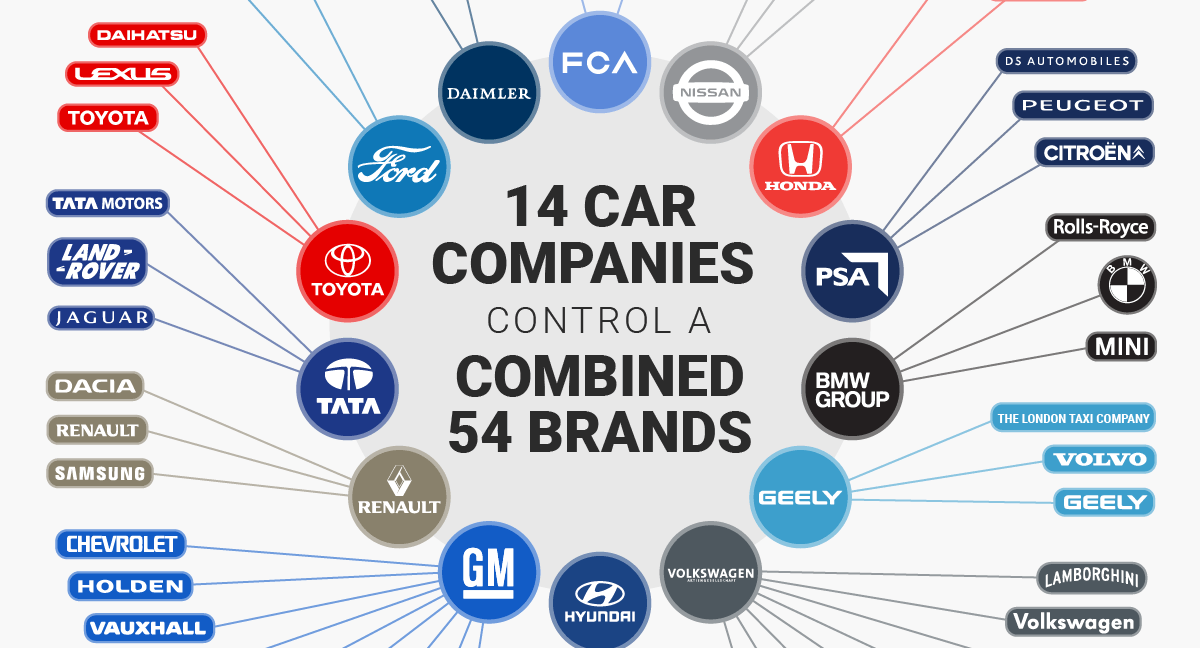
To understand why Ford’s current portfolio is so lean, one must examine the companies it used to own. In the late 1990s and early 2000s, Ford pursued a “House of Brands” strategy, acquiring several prestigious European marques under a division known as the Premier Automotive Group (PAG).
The Rise and Fall of the PAG
At its peak, Ford’s portfolio included Jaguar, Land Rover, Volvo, Aston Martin, and a significant stake in Mazda. The goal was to dominate every segment of the automotive market, from entry-level hatchbacks to ultra-luxury grand tourers. However, this strategy proved difficult to manage. The distinct brand identities of Jaguar and Volvo began to blur as Ford attempted to share parts and platforms across the group. Enthusiasts worried that a Jaguar was “just a Ford in a fancy suit,” which severely damaged the premium brand equity of the acquired companies.
Strategic Divestment: Why Ford Sold Its Premium Assets
During the financial crisis of 2008, Ford made the strategic decision to sell off its PAG holdings. Jaguar and Land Rover were sold to Tata Motors, Volvo to Geely, and Aston Martin to a consortium of investors. This was a move of brand purification. By divesting these labels, Ford could refocus its capital and creative energy on the Blue Oval. This era taught the industry a valuable lesson in corporate identity: owning more brands does not necessarily mean owning more market share if those brands lack a clear, non-conflicting purpose within the portfolio.
Emerging Brands and Strategic Partnerships: The Future of Ford’s Corporate Identity
As the automotive industry pivots toward electrification and software-defined vehicles, Ford is once again evolving its brand architecture. Rather than buying external companies, Ford is creating internal “brands within the brand” to navigate the transition to a digital future.
Ford Model e vs. Ford Blue: The Internal Brand Split
In a bold move for corporate identity, Ford recently split its operations into three distinct divisions: Ford Model e (electric vehicles), Ford Blue (internal combustion engines), and Ford Pro (commercial and fleet). While these are not separate “companies” in the traditional sense, they function as distinct brand entities with their own cultures and goals. This internal branding allows Ford to present itself as a nimble tech startup (Model e) while maintaining its heritage as a reliable industrial giant (Ford Blue).
Ford Pro: Transforming Fleet Management into a Lifestyle Brand
Ford Pro represents a significant shift in how the company views its commercial business. It is no longer just about selling vans and trucks; it is a comprehensive brand ecosystem that includes software, charging, and financing. By branding this division separately, Ford communicates to business owners that it is a partner in productivity, not just a hardware provider. This expands the Ford brand identity from “vehicle manufacturer” to “solution provider.”
Troller and Regional Identities
It is also worth noting Ford’s niche regional holdings, such as Troller Veículos Especiais in Brazil. While Ford has scaled back manufacturing in South America, the ownership of Troller represented a strategy of local brand resonance—owning a rugged, off-road brand that catered specifically to the unique demands of the Brazilian landscape. Although Ford eventually ended Troller production, the acquisition remains a case study in using sub-brands to capture regional market sentiment.

Conclusion: The Power of Focus in Modern Branding
So, what auto companies does Ford own? Today, the answer is primarily Lincoln and its specialized internal divisions like Ford Model e and Ford Pro. While the list is shorter than it was twenty years ago, the brand is arguably stronger because of it.
Ford’s journey from a massive, multi-brand conglomerate back to a focused, high-equity powerhouse demonstrates a sophisticated understanding of modern brand strategy. In the current market, success is not defined by the number of logos in a corporate portfolio, but by the clarity and resonance of the primary brand identity. By focusing on the core Ford and Lincoln marques, the company ensures that every innovation, marketing campaign, and customer interaction reinforces a singular, powerful message.
Ford’s corporate identity is no longer about being everything to everyone through a dozen different names. It is about proving that the Ford name itself is capable of leading the world into a new era of mobility—one that is electric, connected, and “Built Ford Proud.” Through strategic divestment and internal reorganization, Ford has crafted a brand architecture that is resilient, specialized, and ready for the future of the automotive landscape.
aViewFromTheCave is a participant in the Amazon Services LLC Associates Program, an affiliate advertising program designed to provide a means for sites to earn advertising fees by advertising and linking to Amazon.com. Amazon, the Amazon logo, AmazonSupply, and the AmazonSupply logo are trademarks of Amazon.com, Inc. or its affiliates. As an Amazon Associate we earn affiliate commissions from qualifying purchases.