
In the modern marketplace, a brand is far more than a logo or a color palette; it is a living narrative. Every piece of communication, from a high-level white paper to a social media caption, contributes to the perceived identity of an organization. Consequently, the writing process for a brand is not merely a creative exercise but a strategic operation. Understanding the steps of the writing process through the lens of brand strategy ensures that every word serves a purpose, resonates with a specific audience, and reinforces market positioning.
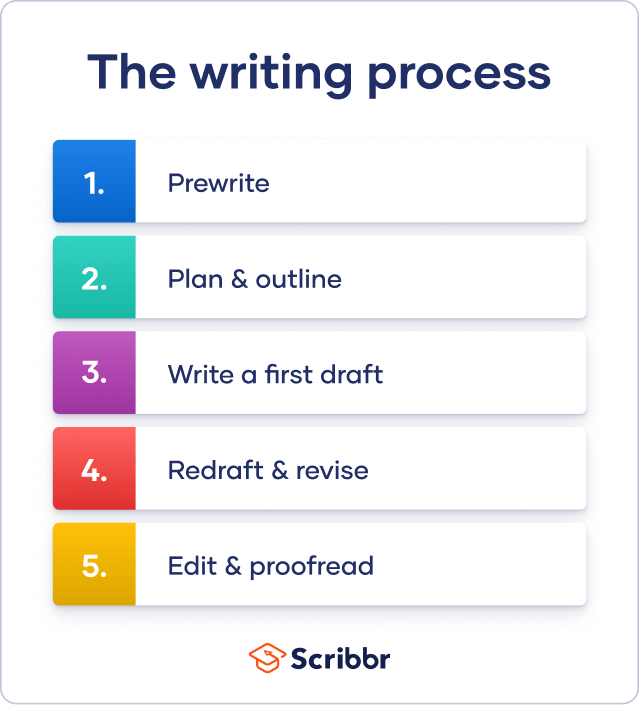
Professional brand writing requires a disciplined approach that balances creativity with analytical precision. By following a structured process, brand managers and content creators can move beyond “filler” content and produce messaging that drives loyalty and conversion.
Phase One: Discovery and Strategic Alignment
Before a single word is typed, the writing process must begin with deep discovery. In a brand context, writing without strategy is noise. This initial phase is about defining the “why” and “who” behind the message.
Defining the Brand Voice and Persona
A brand’s voice is its personality described in adjectives. Is the brand authoritative and clinical, or is it playful and disruptive? The writing process begins by revisiting the brand’s core identity documents. Writers must internalize the brand persona so that the output feels authentic. For instance, a luxury brand’s writing process involves selecting sophisticated, evocative vocabulary, while a fintech startup might prioritize clarity, brevity, and empowerment.
Identifying the Target Audience and Their Pain Points
Effective brand writing is audience-centric. The discovery phase involves building or reviewing buyer personas. What are their challenges? What keeps them up at night? By identifying these pain points early, the writing process becomes a mission to provide solutions rather than just features. Writing for a C-suite executive requires a different structural logic and tone than writing for a Gen Z consumer.
Setting Clear Objectives for the Content
Every piece of writing must have a KPI (Key Performance Indicator). Whether the goal is to increase brand awareness, drive newsletter sign-ups, or establish thought leadership, the objective dictates the structure of the writing. This strategic alignment ensures that the final draft isn’t just “good writing” but “effective brand communication.”
Phase Two: Research, Ideation, and Conceptualization
Once the strategy is set, the process moves into the gathering phase. In brand writing, research is twofold: it involves gathering factual data and understanding the competitive landscape to ensure the message stands out.
Competitive Analysis and Market Gaps
To create a unique brand position, one must know what competitors are saying. The research step involves auditing competitor content to identify “white space”—topics or tones that are currently underserved in the industry. If every competitor is writing technical manuals, a brand might find success by writing narrative-driven case studies. This stage of the writing process is where the brand’s unique value proposition (UVP) is sharpened.
Brainstorming Unique Value Propositions
Conceptualization is about finding the “angle.” In brand writing, this is often referred to as the “Big Idea.” This step involves brainstorming how to present information in a way that highlights the brand’s specific advantages. It’s not just about the product; it’s about the transformation the product offers. Writers must distill complex ideas into “sticky” concepts that remain in the reader’s mind long after they have finished reading.
Keyword Research and SEO Alignment
For digital brands, the research phase is incomplete without SEO analysis. Writing must be discoverable. By identifying high-intent keywords during the research phase, the writer can naturally integrate these terms into the narrative structure. However, in brand writing, the challenge is to balance search engine requirements with high-quality prose. The goal is to write for humans first and algorithms second.
Phase Three: Drafting and Narrative Development
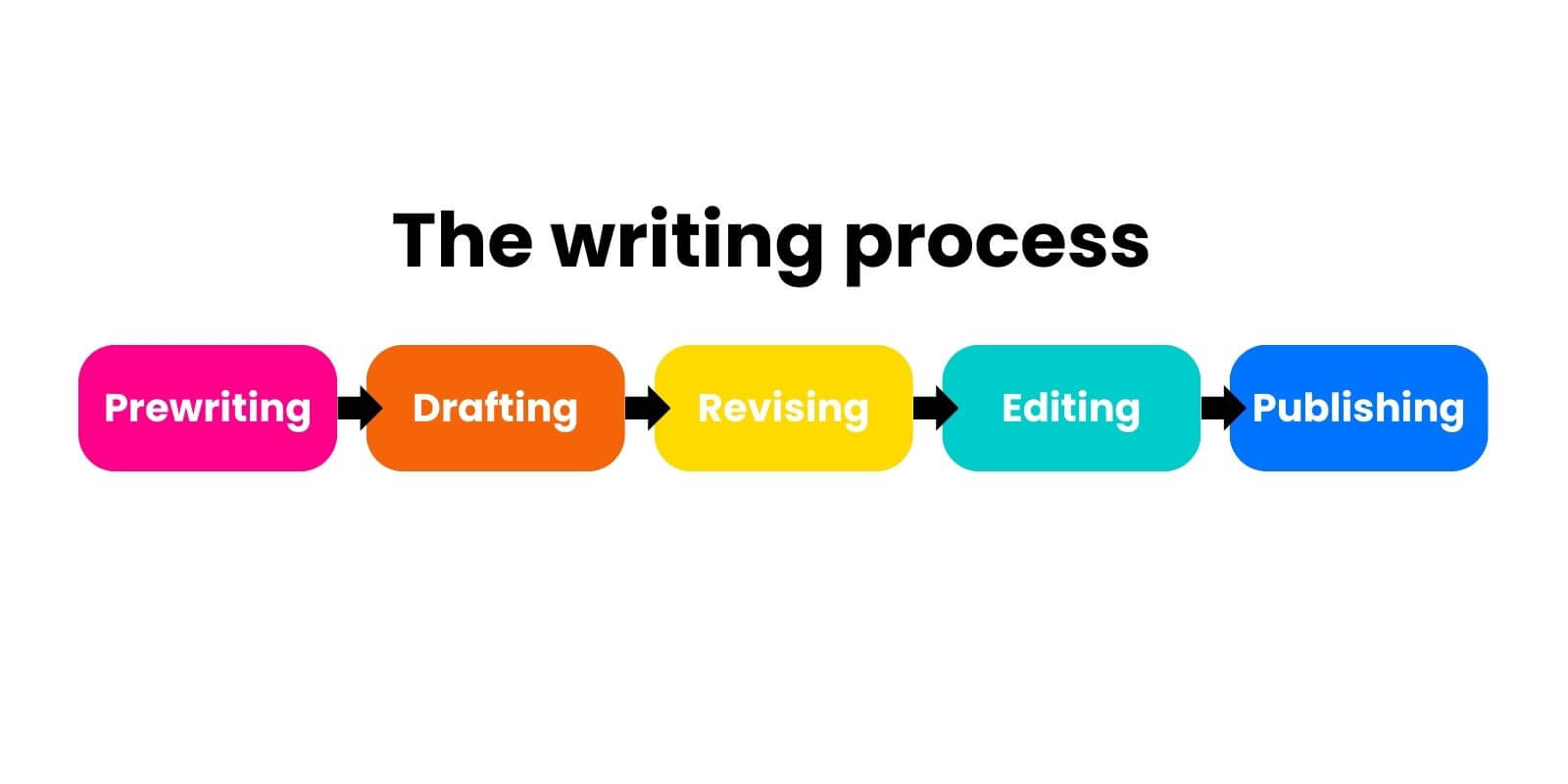
Drafting is the execution phase where strategy and research transform into a cohesive narrative. For a brand, the draft must do more than inform; it must evoke an emotional response and guide the reader toward a specific conclusion.
The Power of Storytelling in Branding
Modern consumers are resistant to traditional advertising but receptive to stories. During the drafting phase, professional writers use narrative arcs—introducing a protagonist (the customer), a conflict (the pain point), and a resolution (the brand’s solution). This storytelling approach humanizes the brand and fosters a deeper psychological connection with the audience.
Structuring the Message for Maximum Conversion
The structure of a brand document—whether it’s a blog post or a landing page—should follow a logical flow that respects the reader’s time. This usually involves a “Hook, Meat, and Action” framework.
- The Hook: An opening that grabs attention and promises value.
- The Meat: The core arguments, data, and benefits.
- The Action: A clear, compelling Call to Action (CTA) that tells the reader exactly what to do next.
Maintaining Consistency Across Channels
One of the greatest challenges in the brand writing process is maintaining a “Golden Thread” of consistency. Whether the draft is intended for a LinkedIn article or an internal corporate report, the core brand values must remain visible. This ensures that the brand remains recognizable regardless of the medium. Writers must be adept at “code-switching”—adjusting the format and length while keeping the soul of the message intact.
Phase Four: Refinement, Review, and Brand Alignment
The difference between amateur writing and professional brand communication lies in the rigor of the editing process. This phase is about stripping away the superfluous and ensuring the brand’s integrity is protected.
The Editing Process: Clarity and Conciseness
In the world of branding, less is often more. The refinement stage focuses on “killing your darlings”—removing beautiful but unnecessary sentences that don’t serve the strategic goal. This involves checking for active voice, removing jargon that might alienate the audience, and ensuring that the most important information is positioned where it will be seen (front-loading).
Ensuring Compliance with Brand Guidelines
Large organizations often have a Brand Bible—a document detailing specific grammar rules, banned words, and preferred nomenclature. A critical step in the refinement phase is a “Brand Compliance” check. Does the draft use the approved spelling of a product name? Does it avoid the “forbidden” list of overused industry cliches? This attention to detail builds professional credibility.
Collaborative Feedback Loops
Brand writing rarely happens in a vacuum. It often requires input from Subject Matter Experts (SMEs), legal teams, and marketing directors. The writing process must include a structured feedback loop where stakeholders can provide input without diluting the original creative vision. Managing this stage requires the writer to be a diplomat, balancing technical accuracy with readability and brand flair.
Phase Five: Distribution and Performance Analysis
The writing process does not end when the “Publish” button is pressed. In a professional brand environment, the final stage involves ensuring the writing reaches the right eyes and measuring how it performs against the initial goals.
Multichannel Distribution Strategies
A single piece of high-quality brand writing can be repurposed to maximize ROI. A comprehensive white paper might be broken down into a series of social media posts, an email marketing campaign, and a script for a video. This step of the process ensures that the brand’s message is amplified across the entire ecosystem, reaching the audience wherever they are most active.
Measuring Content Efficacy and ROI
To refine future writing processes, one must look at the data. Did the article lead to the expected conversion rate? Which sections had the highest engagement? In the “Money” side of branding, writing is an investment, and like any investment, its performance must be audited. By analyzing metrics such as time-on-page, bounce rate, and lead generation, brand strategists can determine what resonance looks like for their specific audience.
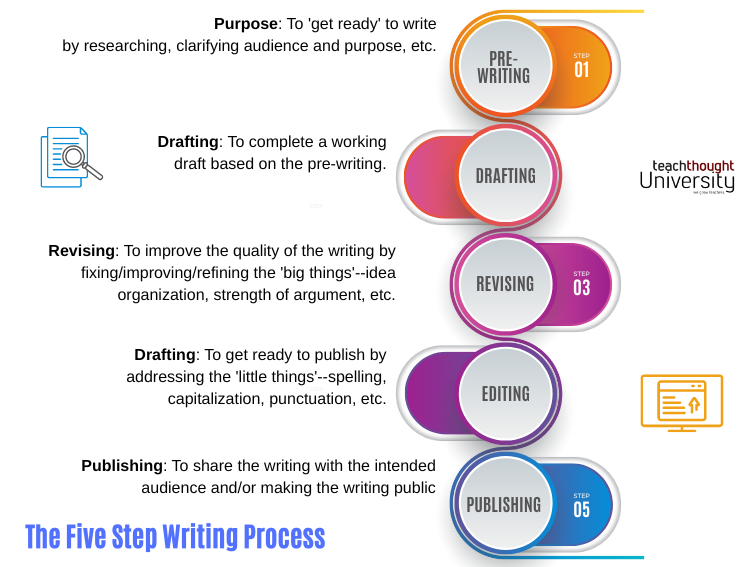
The Iterative Cycle of Brand Content
The final step is to take these insights and feed them back into Phase One. Brand writing is an iterative cycle. As market trends shift and consumer behaviors evolve, the writing process must adapt. By treating the writing process as a repeatable, data-driven system rather than a sporadic creative spark, brands can ensure a consistent, high-impact presence in a crowded marketplace.
In conclusion, mastering the steps of the writing process within a brand context requires a blend of artistic intuition and strategic rigor. From the initial discovery of the brand’s voice to the final analysis of performance metrics, each step is vital in building a cohesive and persuasive brand identity. By following this structured path, organizations can ensure that their communication is not just seen, but remembered and acted upon.
aViewFromTheCave is a participant in the Amazon Services LLC Associates Program, an affiliate advertising program designed to provide a means for sites to earn advertising fees by advertising and linking to Amazon.com. Amazon, the Amazon logo, AmazonSupply, and the AmazonSupply logo are trademarks of Amazon.com, Inc. or its affiliates. As an Amazon Associate we earn affiliate commissions from qualifying purchases.