
In the competitive landscape of personal wellness, the concept of “size” transcends mere physical dimensions; it serves as a critical pillar of brand identity, consumer trust, and market positioning. When consumers ask, “What are the sizes of condoms?” they are rarely looking for a mathematical lecture on millimeters. Instead, they are navigating a complex ecosystem of brand promises, psychological triggers, and retail categorization. For companies in the sexual health space, the way they communicate size is a masterclass in brand strategy, balancing the clinical necessity of a medical device with the aspirational lifestyle marketing of a consumer good.
The Psychology of Sizing in Brand Identity
The branding of size is one of the most delicate challenges in the wellness industry. Unlike the apparel industry, where sizing can sometimes be “vanity-driven,” the sexual health market must balance physical safety with consumer ego. Brands have long recognized that the nomenclature used for sizing significantly impacts brand loyalty and purchasing behavior.
Euphemisms and Masculinity: The “Standard” vs. “XL” Dilemma
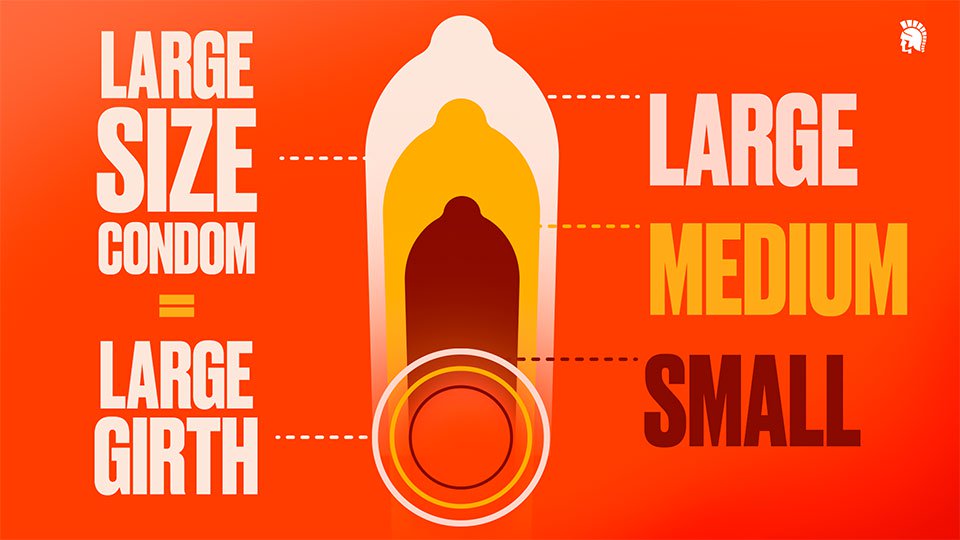
Historically, the “Standard” size has served as the anchor for most brand portfolios. However, from a brand strategy perspective, the label “Small” is virtually non-existent in the industry. Instead, brands utilize terms like “Snug,” “Iron Grip,” or “Slim Fit.” This is a calculated branding move to prevent the alienation of a specific demographic. By avoiding negative connotations, brands maintain a positive emotional connection with the user. On the opposite end of the spectrum, the branding of “Large” or “XL” has become synonymous with a specific type of hyper-masculine marketing. The “Magnum” brand by Trojan, for instance, is a textbook case of a product name becoming more recognizable than the size it represents, effectively creating a sub-brand that commands its own cultural identity.
Building Trust through Precision Engineering
For high-end or boutique brands, the focus shifts from ego to precision. Brands like MyONE have disrupted the traditional “three-size” model (Snug, Standard, Large) by offering dozens of unique size combinations. Their brand identity is built on the promise of “Custom Fit.” This strategy moves the conversation away from traditional marketing tropes and toward a “tech-forward” or “bespoke” positioning. By emphasizing that “one size does not fit all,” these brands position themselves as more sophisticated and scientifically rigorous than their mass-market competitors.
Market Segmentation: Why Size Variety is a Strategic Move
From a strategic standpoint, offering a wide range of sizes is not just about inclusivity—it is about capturing diverse market segments and building a defensive moat against competitors. Market segmentation allows a brand to speak to different demographics simultaneously, ensuring that they have a product for every shelf and every digital search query.
Catering to the Niche: The Rise of Custom-Fit Brands
The emergence of custom-fit brands represents a significant shift in the corporate identity of the wellness sector. In the past, major players focused on high-volume, standardized products to maximize manufacturing efficiency. However, the rise of direct-to-consumer (DTC) models has allowed smaller brands to thrive by focusing on the “long tail” of sizing. By catering to those who feel underserved by “standard” sizes, these brands cultivate intense customer loyalty. This niche strategy is particularly effective in digital marketing, where SEO and targeted ads can find the specific consumer looking for a precise fit that a traditional drugstore brand might not provide.

Global Standards vs. Regional Brand Preferences
A global brand must navigate varying international standards and regional preferences, which influences their global brand architecture. For example, the “nominal width” (the measurement across the open end of a flattened condom) that is considered “Standard” in European markets may differ slightly from those in Asian or North American markets due to different regulatory bodies and demographic data. A successful global brand identity requires a localized approach to sizing—adapting packaging, language, and dimensions while maintaining a consistent visual identity across borders.
Design and Packaging: Communicating Size without Stigma
Packaging design is the primary touchpoint between the brand and the consumer in a retail environment. Because the product itself is hidden inside a foil wrapper and a box, the design must do the heavy lifting of communicating size, feel, and reliability instantly.
Visual Cues and Color Coding
Most major brands utilize a sophisticated system of color coding to help consumers identify sizes at a glance. For instance, a brand might use gold or black for its “Premium” or “Large” lines, while using blue or green for “Standard” or “Natural” fits. This visual shorthand is essential for maintaining a seamless customer experience. If a customer can identify their preferred size through color alone, it reduces the friction of the purchasing process. This “recognition over recall” strategy is a cornerstone of effective retail branding.
The Digital Shelf: How E-commerce Brands Revolutionize Size Selection
In the e-commerce era, the way brands present size information has evolved. Digital-first brands often provide downloadable rulers, interactive size finders, or comparison charts. This transparency is a branding tool in itself. It positions the brand as a helpful partner in the consumer’s journey rather than just a faceless manufacturer. By providing digital tools to help the consumer find the right size, the brand reduces the “risk” of purchase, which is particularly important for high-priced, specialty products.
The Future of Branding in Personal Wellness and Customization
As we look toward the future, the branding of condom sizes is likely to become even more personalized and data-driven. The intersection of technology and brand strategy is creating new opportunities for companies to redefine what “fit” means in the 21st century.
From Mass Production to Personalization
The “mass-brand” model is under pressure from the “personal-brand” model. In the future, we may see brands utilizing AI-driven body scanning or data analytics to suggest the perfect size based on a series of lifestyle questions. From a branding perspective, this shifts the identity of the company from a “manufacturer” to a “wellness consultant.” The focus moves away from the physical dimensions of the product and toward the results: comfort, safety, and an enhanced experience.

Case Study: How “One Size Does Not Fit All” Redefined a Market
Consider the success of brands that have leaned into the “Body Positivity” movement. By rebranding size variety as a form of inclusivity rather than a clinical necessity, these companies have aligned themselves with contemporary social values. This alignment is a powerful branding tool. When a brand advocates for a better fit, they are essentially advocating for the consumer’s well-being. This creates a deep, values-based connection that transcends the functional attributes of the product. The message is clear: “We see you, we understand your unique needs, and we have designed a solution specifically for you.”
In conclusion, when discussing the sizes of condoms through the lens of brand strategy, it is evident that size is much more than a measurement. It is a communication tool, a method of market segmentation, and a way to build lasting consumer trust. Whether through the bold branding of “XL” lines or the clinical precision of custom-fit models, brands use size to tell a story about who they are and who they are for. In an increasingly crowded market, the brands that master this narrative—balancing technical accuracy with emotional resonance—will be the ones that achieve long-term success. The evolution of sizing from a functional requirement to a branding powerhouse demonstrates the sophistication of the modern wellness industry and its commitment to meeting the diverse needs of a global population.
aViewFromTheCave is a participant in the Amazon Services LLC Associates Program, an affiliate advertising program designed to provide a means for sites to earn advertising fees by advertising and linking to Amazon.com. Amazon, the Amazon logo, AmazonSupply, and the AmazonSupply logo are trademarks of Amazon.com, Inc. or its affiliates. As an Amazon Associate we earn affiliate commissions from qualifying purchases.