
In the rapidly shifting landscape of social media technology, features often cycle between being cutting-edge innovations and forgotten relics. One of the most curious survivors of the early Web 2.0 era is the “Poke.” Launched during the infancy of Facebook, the Poke has managed to endure for two decades, recently experiencing a massive resurgence in popularity. While seemingly a simple notification, the Facebook Poke represents a fundamental case study in low-friction user interface (UI) design and the psychology of digital interaction.
Understanding the Facebook Poke: Definition and Digital Origin
At its core, a Facebook Poke is a minimalist interaction tool. It is a one-click notification sent to another user that says, simply, “[Name] poked you.” There is no text, no media, and no specific “call to action” attached to it. Its ambiguity is its defining characteristic—a digital “nudge” that serves as a placeholder for a variety of social intentions.
The Early Days of Social Interaction
When Mark Zuckerberg and his team developed the Poke in 2004, it was designed as a feature without a predefined purpose. In the early days of “TheFacebook,” the site was primarily a directory for college students. The Poke was introduced to facilitate interaction between peers without the pressure of drafting a full message. It was a technological solution to the “cold start” problem in social networking: how do you initiate contact with someone you don’t know well?
Unlike the “Wall” (the predecessor to the Timeline), which was public, the Poke was a private, low-stakes signal. It quickly became the platform’s most enigmatic feature, leading to the “Poke Wars” of the mid-2000s, where two users would incessantly poke each other back and forth for weeks or even months.
The Technical Implementation of the Poke
From a software architecture perspective, the Poke is a lightweight notification trigger. When a user clicks the “Poke” button, the system sends a specific signal to the recipient’s notification tray. In terms of data usage and server load, it is one of the most efficient interactions on the platform. Unlike a video upload or a high-resolution image post, a Poke is a simple boolean-style interaction that requires minimal bandwidth but generates immediate user engagement (push notifications).
How to Poke in the Modern Era: Navigation and UX
As Facebook evolved into a multi-purpose platform featuring Marketplace, Groups, and Gaming, the Poke was relegated to the background. For several years, many users believed it had been removed entirely. However, in early 2024, Meta (Facebook’s parent company) updated its UX to make Pokes more discoverable, leading to a 13-fold increase in usage, particularly among Gen Z users who were experiencing the feature for the first time.
Finding the Hidden “Pokes” Page
Currently, the Poke feature is not prominently displayed on the main navigation sidebar or the home feed. To access it, users must navigate through a specific path:
- The Search Bar Method: The most direct way to find the feature is by typing “Pokes” into the Facebook search bar. This redirects the user to a dedicated “Pokes” page.
- The Poke Page Interface: Once on the page, the UI displays a list of people who have poked you, along with a list of “Suggested Pokes” (usually friends or friends-of-friends).
- The “Poke Back” Mechanism: The interface is designed for speed. A single tap on the “Poke Back” button acknowledges the previous interaction and returns the signal.
Mobile vs. Desktop Interface Nuances
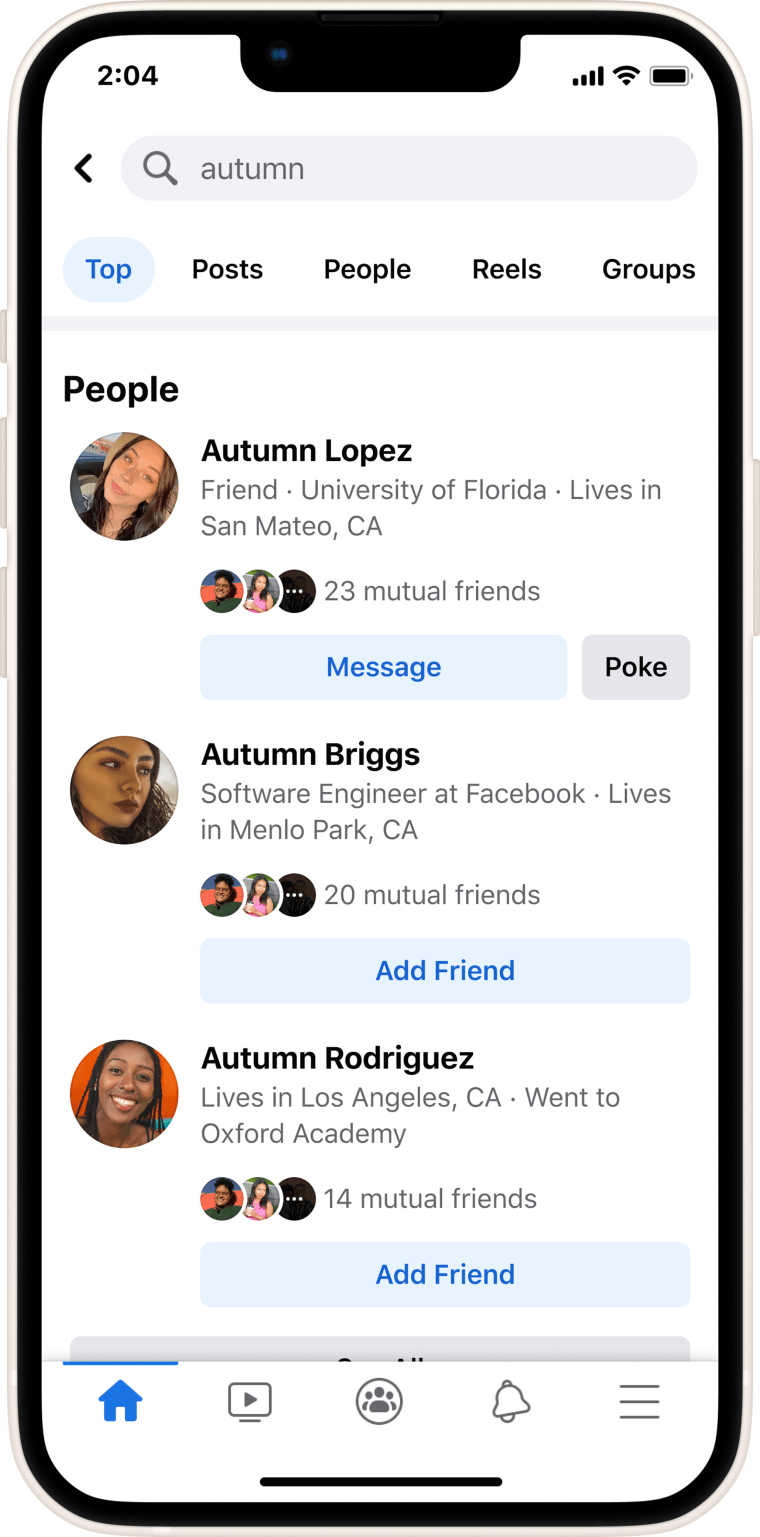
While the desktop version provides a dedicated landing page for Pokes, the mobile app experience is more streamlined. Meta has integrated Poke suggestions into the search interface for many users. The technical design here focuses on haptic feedback and immediate notification delivery, ensuring that the “digital nudge” is felt instantly on the recipient’s smartphone. This “mobile-first” refinement is a key reason for the feature’s recent resurgence.
The Psychology and Etiquette of Digital Nudging
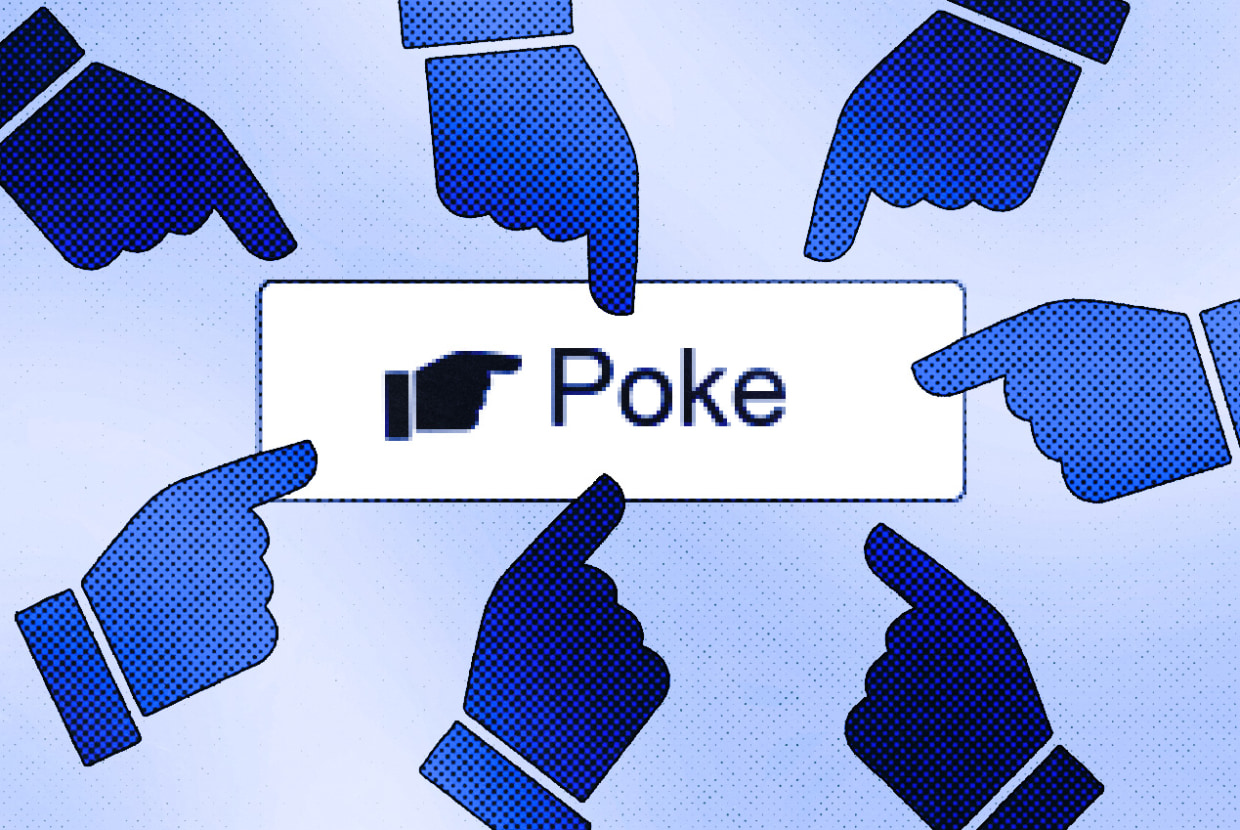
In the niche of technology and software design, the Poke is often discussed as a “frictionless” interaction. High-friction interactions, such as writing a long post or editing a photo, require significant cognitive load. Low-friction interactions, like “Liking” or “Poking,” allow for social maintenance with minimal effort.
Non-Verbal Communication in a Text-Heavy World
In a digital environment saturated with long-form content and complex threads, the Poke serves as a form of non-verbal communication. It can mean many things depending on the context:
- The “Thinking of You”: A way to maintain a social connection without needing a specific topic of conversation.
- The “Digital Wave”: A simple “hello” to a friend you haven’t spoken to in years.
- The “Nudge”: A reminder to someone to reply to a different message or fulfill a request.
- The “Check-in”: A signal to see if an old acquaintance is still active on the platform.
The Cultural Impact and Meme Status
The Poke has transitioned from a utility to a cultural icon. For many, it represents the “Old Internet.” Tech historians view the Poke as the ancestor of the “Heart” on Instagram or the “React” on Slack. By keeping the Poke largely unchanged, Facebook has preserved a piece of digital heritage that now serves as a nostalgic bridge between the Millennials who used it in college and the Gen Z users who are discovering it as a “retro” way to communicate.
Privacy, Security, and Management of Interactive Features
As with any interactive tech feature, the Poke comes with its own set of privacy considerations. In the early 2010s, “poke-spamming” was a minor nuisance where automated bots or over-eager users would flood notifications. Over time, Facebook’s software engineers implemented safeguards to prevent the feature from being abused.
Managing Notifications and Unwanted Interactions
Facebook’s current software architecture allows for granular control over Pokes. Users who find the feature intrusive can manage it through several layers of security:
- Blocking: If you block a user on Facebook, they lose the ability to poke you entirely. This is the most definitive way to stop unwanted “nudges.”
- Notification Settings: Within the “Settings & Privacy” menu, users can toggle off push notifications for Pokes while still allowing the interactions to sit quietly on the dedicated Pokes page.
- Privacy Circles: Pokes are generally restricted to friends. You cannot poke a stranger unless your privacy settings (or theirs) are specifically set to allow public interactions, which is rare in the current privacy-focused climate of Meta’s ecosystem.
The Role of the Poke in Digital Wellbeing
From a digital security and wellness perspective, the Poke is relatively harmless. Unlike algorithmic feeds that can lead to “doomscrolling,” the Poke page is finite and transactional. It does not harvest significant personal data beyond the fact of the interaction itself, making it one of the more privacy-neutral features on the platform.
Why Meta Revived the Poke: Data and User Engagement Trends
The decision to bring the Poke back to the forefront of the UI in 2024 was not accidental. It was a data-driven move based on user engagement metrics.
Nostalgia as a Retention Tool
In the competitive landscape of social media, retaining long-term users is a challenge. By surfacing the Poke, Meta taps into “digital nostalgia.” For older users, it triggers memories of the platform’s early, simpler days. For younger users, it offers a novel, low-pressure way to engage that feels distinct from the high-pressure environment of TikTok or Instagram.
Comparing the Poke to Modern Rivals
When we look at the broader tech ecosystem, the Poke has several spiritual successors:
- Snapchat’s “Snapstreaks”: While more demanding, streaks serve a similar purpose of daily “check-ins.”
- Apple’s “Digital Touch”: On the Apple Watch, users can send heartbeats or taps, a direct hardware-integrated evolution of the Poke.
- Slack’s “Reactions”: Using an emoji to acknowledge a message without typing a response is a professional adaptation of the Poke’s core philosophy.

The Future of the Poke
As Meta explores the “Metaverse” and VR/AR integration, the Poke may evolve once again. Imagine a 3D environment where a “Poke” translates to a haptic vibration in a VR controller or a visual cue in augmented reality glasses. The technology may change, but the human desire for a simple, low-effort way to say “I see you” remains constant.
In conclusion, the Facebook Poke is far more than a digital novelty. It is a masterclass in minimalist software design and a testament to the power of low-friction social interaction. Whether used as a nostalgic joke among old friends or a new discovery for the younger generation, the Poke continues to be a vital, if understated, part of the social media landscape. Its recent resurgence proves that in the world of technology, sometimes the simplest tools are the most enduring.
aViewFromTheCave is a participant in the Amazon Services LLC Associates Program, an affiliate advertising program designed to provide a means for sites to earn advertising fees by advertising and linking to Amazon.com. Amazon, the Amazon logo, AmazonSupply, and the AmazonSupply logo are trademarks of Amazon.com, Inc. or its affiliates. As an Amazon Associate we earn affiliate commissions from qualifying purchases.