
In the world of fast-moving consumer goods (FMCG), the term “cooking wine” occupies a unique and often misunderstood niche. From a brand strategy perspective, the question of what makes a “good” cooking wine is not merely a matter of acidity or residual sugar; it is a complex study in market positioning, brand equity, and the psychology of utility-based luxury. When a consumer asks, “What are good cooking wines?” they are seeking a balance between functional reliability and the perceived value of the brand they are introducing into their kitchen.
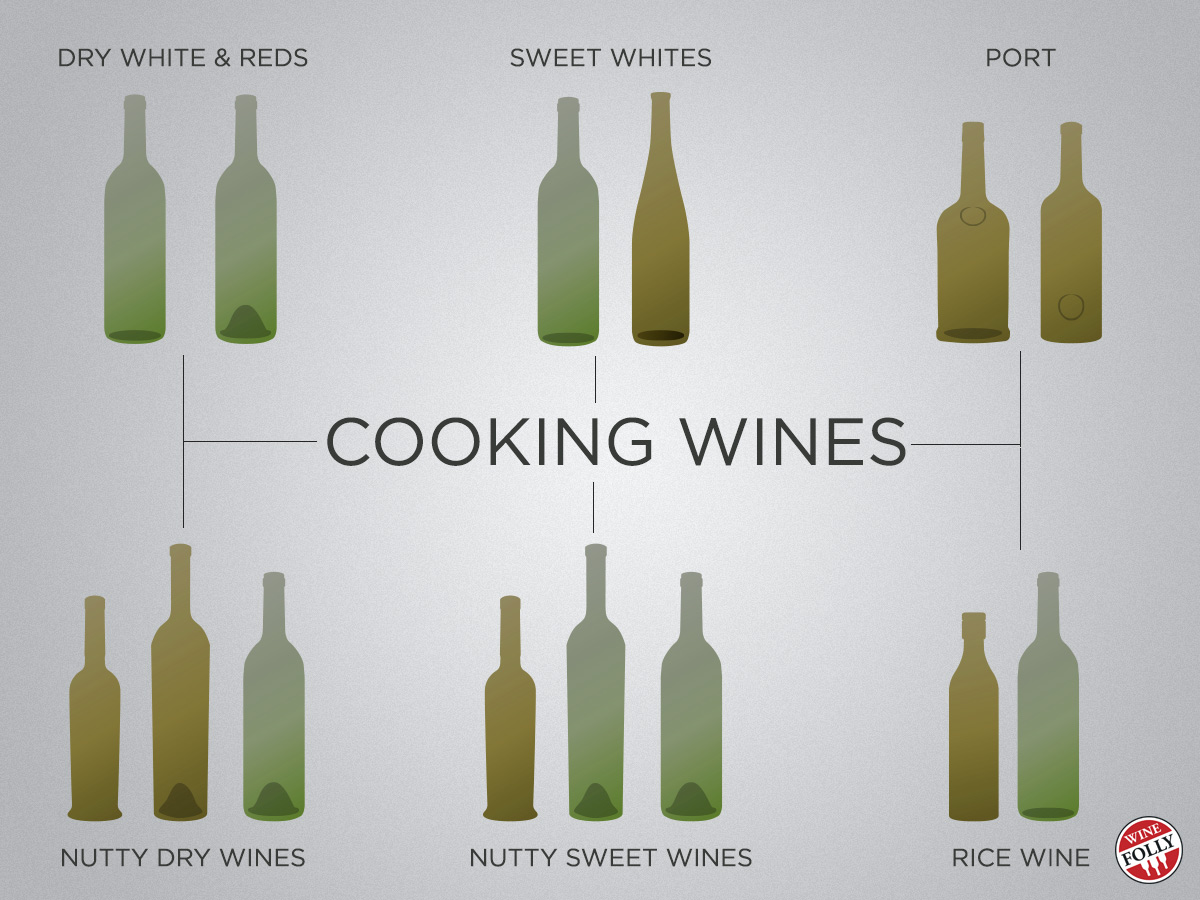
For brand strategists, the culinary wine sector provides a masterclass in how to manage “secondary use” products. Whether it is a dedicated “salted” cooking wine found in the spice aisle or a budget-friendly table wine repurposed for a deglaze, the branding determines the consumer’s trust. This article explores the brand architecture of the culinary wine market, identifying how successful brands position themselves to become the “secret ingredient” in the global household.
The Identity Crisis: Positioning Wine as a Culinary Ingredient
The most significant challenge in branding cooking wine is overcoming the “dual-identity” hurdle. A product can either be branded as a professional tool (a culinary ingredient) or as a lifestyle product (a beverage). The most successful brands in this space are those that successfully navigate this tension, creating a narrative of “utilitarian excellence.”
The “Professional Grade” Narrative
Brands that cater to the home chef often lean heavily into a “professional grade” identity. By using packaging that mimics apothecary bottles or professional kitchen carafes, these brands signal to the consumer that this wine is a specialized tool. The branding strategy here is built on authority. When a brand positions itself as “The Chef’s Choice,” it removes the decision-making fatigue from the consumer. They are no longer looking for a wine; they are looking for a reliable component of a recipe. This strategy relies on high-trust brand triggers: minimalist labels, endorsements from culinary institutes, and a focus on consistency over vintage variability.
Visual Identity and Shelf Presence
The visual identity of a “good” cooking wine brand must differ significantly from that of a “sipping” wine. While boutique wineries focus on terroir and heritage, cooking wine brands must focus on clarity of use. Strategic use of color—deep burgundies for reds, crisp greens or golds for whites—helps the consumer identify the product’s function instantly. Furthermore, the typography used in this niche often emphasizes “Dry,” “Robust,” or “Sweet” over the specific grape variety. This is a functional branding choice: it tells the consumer exactly what “flavor profile” they are buying for their dish, reinforcing the brand’s role as a reliable pantry staple.
Brand Equity and the “Drinkability” Threshold
A perennial debate in branding is whether a cooking wine brand should also be marketed as a drinkable product. The old adage “never cook with a wine you wouldn’t drink” is a significant psychological barrier for low-cost culinary brands. How a brand addresses this threshold defines its equity and its market share.
Transferred Trust from Beverage Portfolios
Many of the “good” cooking wines identified by consumers are actually budget-tier beverage brands (such as Barefoot or Yellow Tail). These brands benefit from “transferred trust.” Because the consumer recognizes the brand from the social context of drinking, they feel safer using it in their food. For these corporations, the strategy is not to market “cooking wine” specifically, but to market “versatility.” By positioning their product as an affordable luxury that works both in a glass and in a pan, they capture a massive segment of the market that views dedicated, salted cooking wines as inferior.
Price Anchoring in the Grocery Aisle
Price is a core component of brand strategy. In the cooking wine category, brands often use “price anchoring” to define quality. A brand priced at $2.99 (often the salted varieties) is perceived as a chemical additive, whereas a brand priced at $8.99 to $12.99 is perceived as an “ingredient.” The “good” brands—those with the highest consumer loyalty—usually sit in the mid-tier. They are expensive enough to suggest quality and safety, but cheap enough that the consumer doesn’t feel they are “wasting” a premium bottle on a sauce. Successful brand managers in this space carefully monitor this “sweet spot” to ensure their product remains the default choice for the middle-class pantry.

Marketing the Utility: Use-Case Segmentation
To dominate the market, a brand cannot simply be “wine.” It must be a specific solution to a specific culinary problem. This is known as use-case segmentation, and it is where the distinction between “good” and “bad” cooking wine is often made in the mind of the consumer.
The Rise of Regionality as a Brand Asset
Lately, brand strategies have shifted toward regionality. Instead of just “White Cooking Wine,” we see the rise of “Spanish Sherry for Cooking” or “Italian Marsala.” By tying the brand to a specific geographical heritage, companies tap into the consumer’s desire for authenticity. A brand that positions itself as the “Authentic Madeira for Sauce Grand-Veneur” carries a higher perceived value than a generic alternative. This strategy uses the “Halo Effect”—the consumer’s positive association with French or Italian cuisine is transferred directly to the bottled product.
Convenience and Modern Packaging Solutions
Innovation in packaging is a powerful brand differentiator. Brands like Public Goods or various boxed wine labels have rebranded the “cooking wine” experience through convenience. The move toward tetra-paks or small-format cans addresses a major pain point: the fact that most recipes only require half a cup of wine. Brands that offer “freshness seals” or “incremental sizing” are winning because their brand promise is not just quality, but the elimination of waste. In this context, a “good” cooking wine brand is one that understands the modern consumer’s kitchen habits.
Case Study: The Disruption of Private Label Cooking Wines
In the last decade, private labels (like Trader Joe’s “Two Buck Chuck” or Costco’s Kirkland Signature) have redefined what it means to be a “good” cooking wine. Their strategy is a masterclass in corporate branding: leveraging the parent company’s reputation to sell high-volume, low-margin goods.
Kirkland Signature, for example, does not market its wine as “cooking wine.” However, because the Kirkland brand is synonymous with “high quality at a fair price,” it has become the gold standard for home cooks who need large quantities of wine for braising. The brand strategy here is “Reliability at Scale.” By removing the vanity of the wine world and focusing on the sheer value proposition, these private labels have effectively cannibalized the market share of traditional cooking wine brands. They have taught the consumer that “good” means “consistent and affordable,” a powerful shift in brand perception.

The Future of Branded Culinary Liquids: Beyond the Bottle
As we look toward the future of brand strategy in the culinary space, the definition of a “good” cooking wine is expanding. We are seeing the emergence of “dehydrated” wine powders and “wine-reduction concentrates.” These products represent a total re-branding of the category—moving away from the vineyard and toward the laboratory.
The brands that succeed in this new era will be those that can maintain a “natural” and “artisanal” image while providing high-tech convenience. The storytelling will shift from “the hills of Tuscany” to “the essence of the grape.” For a brand to be considered “good” in 2025 and beyond, it will need to prove its sustainability credentials, its ease of storage, and its ability to deliver concentrated flavor without the bulk of a glass bottle.
In conclusion, “good cooking wines” are products of meticulous brand positioning. They are the brands that manage to occupy the intersection of culinary authority, price-point accessibility, and functional design. Whether it is a storied estate selling its surplus as a premium kitchen staple or a modern startup reinventing the pantry through minimalist packaging, the brand is the ingredient that truly makes the dish. For the consumer, the best cooking wine is the one that provides the confidence to create; for the strategist, it is the one that has successfully turned a commodity into a kitchen essential.
aViewFromTheCave is a participant in the Amazon Services LLC Associates Program, an affiliate advertising program designed to provide a means for sites to earn advertising fees by advertising and linking to Amazon.com. Amazon, the Amazon logo, AmazonSupply, and the AmazonSupply logo are trademarks of Amazon.com, Inc. or its affiliates. As an Amazon Associate we earn affiliate commissions from qualifying purchases.