
The secondary ticket market has transformed the way consumers access live entertainment, turning a once-fragmented industry into a multi-billion-dollar “experience economy.” At the center of this transformation is StubHub, the world’s largest ticket marketplace. However, for many fans, the excitement of securing a seat at a sold-out concert or a high-stakes playoff game is often dampened by “sticker shock” during the final stages of the checkout process.
Understanding the fees on StubHub is more than just a matter of curiosity; it is a vital component of modern personal finance and savvy consumer behavior. When the base price of a ticket is listed at $100, but the final total reaches $135 or more, it impacts a household’s entertainment budget and the perceived value of the transaction. This guide provides a deep dive into the financial mechanics of StubHub fees, exploring why they exist, how they are calculated, and how you can manage your finances to account for the true cost of live events.
The Anatomy of StubHub Fees: Breaking Down the Costs
StubHub operates as a platform-as-a-service (PaaS), connecting individual sellers and professional brokers with eager buyers. Because StubHub does not own the inventory, their revenue is generated through transaction fees. These fees are generally split into two categories: those charged to the buyer and those charged to the seller.
Buyer Fees: Service and Fulfillment Charges
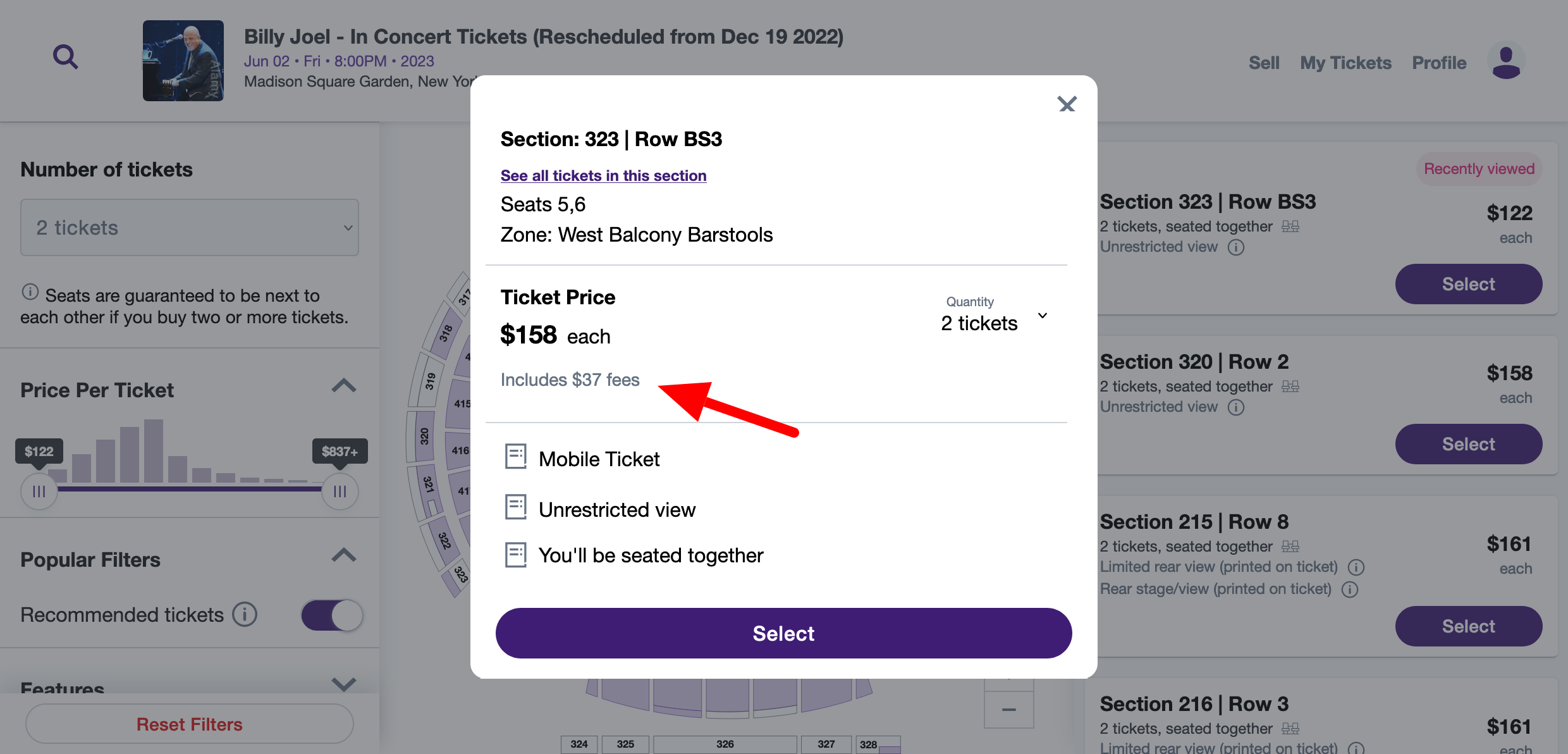
When you purchase a ticket on StubHub, the price you see on the initial search page is often the “listing price” set by the seller. However, the final price includes a “Service Fee” and, occasionally, a “Fulfillment Fee.”
The service fee is not a fixed dollar amount; rather, it is a percentage of the ticket price. While StubHub does not publicly list a static percentage—as fees can fluctuate based on event demand, venue type, and market volatility—buyers can generally expect to pay between 20% and 35% in additional fees. These charges cover the cost of maintaining the platform’s infrastructure, providing 24/7 customer support, and, most importantly, funding the FanProtect Guarantee, which ensures that buyers receive valid tickets in time for the event or a full refund.
Seller Fees: The Cost of Market Access
Sellers are also subject to the financial ecosystem of the platform. To list a ticket on StubHub is free, but once a sale is finalized, StubHub typically deducts a commission. Historically, this seller fee has hovered around 10% to 15%.
For the seller, this is an “overhead cost” of doing business. The fee pays for the security of the transaction and the massive marketing reach StubHub provides. From a financial perspective, sellers often “bake” these fees into their listing price. If a seller wants to net $100 for a ticket, they must list it for at least $115 to account for the commission. This creates a compounding effect where the buyer eventually pays for both the seller’s commission and their own service fees.
The Economics of the Secondary Market: Why Fees Exist
To the casual observer, fees can feel like an arbitrary surcharge. However, from a business finance perspective, these fees are the lifeblood of a secure secondary marketplace. They represent the “cost of trust” in an industry that was historically plagued by fraud and “street-level” scalping.
Platform Maintenance and Digital Security
StubHub invests millions of dollars annually into digital security and anti-fraud technology. Unlike a direct peer-to-peer transfer via social media, where a buyer has zero recourse if a ticket is fake, StubHub acts as a financial intermediary. The fees fund the sophisticated verification systems that integrate with primary ticket providers (like Ticketmaster or AXS) to ensure that barcodes are legitimate and that ownership is successfully transferred.
Furthermore, the “Fulfillment Fee” specifically covers the logistics of getting the ticket to the buyer. Whether it is a mobile transfer, a PDF download, or physical shipping via UPS for hard-copy tickets, there is a logistical cost associated with the secure movement of high-value digital and physical assets.
Market Volatility and Dynamic Pricing
StubHub utilizes a dynamic pricing model for its fees. This means that fees are not just a reflection of the ticket price, but also the complexity of the market at that moment. For high-demand events, such as the Super Bowl or a Taylor Swift tour, the administrative and financial risk to the platform increases.
In a high-volatility market, the cost of the FanProtect Guarantee rises. If a seller fails to deliver a ticket for a high-demand show, StubHub often has to buy a replacement ticket at a significantly higher market rate to satisfy the buyer. The fees collected across all transactions act as a collective insurance pool to cover these financial liabilities, ensuring the marketplace remains stable even when individual sellers default.

Strategic Budgeting for Live Events: How to Manage Hidden Costs
Because fees can significantly alter the “bottom-line” price of an outing, consumers must approach ticket buying with a clear financial strategy. Treating the listed price as the final price is a common budgeting error that can lead to overspending and credit card debt.
Utilizing “Estimated Fees” Filters
One of the most effective ways to manage your entertainment budget on StubHub is to use the “Show prices with estimated fees” toggle. This feature is often tucked away in the filter settings. By enabling this, the prices displayed in the search results will reflect the total cost (excluding tax) rather than just the seller’s listing price.
From a psychological and financial standpoint, this “all-in” pricing helps buyers make more rational decisions. It prevents the “sunk cost” fallacy, where a buyer spends 20 minutes selecting seats and entering credit card info, only to accept a high fee at the very last second because they feel they have already invested too much time in the process.
Comparing StubHub with Competitors
In the world of personal finance, shopping around is a fundamental rule. While StubHub is the market leader, other platforms like SeatGeek, Vivid Seats, and TickPick offer different fee structures. For example, TickPick markets itself on an “all-in” pricing model with no added buyer fees, though the base listing prices are often higher to compensate.
By comparing the final checkout total across two or three platforms, you can ensure you are getting the best “Return on Investment” for your entertainment dollar. Even a 5% difference in total fees can result in significant savings on premium seating or multi-ticket purchases for a family.
Maximizing Your Value: Financial Tips for StubHub Users
To navigate the StubHub marketplace like a professional, one must understand the timing and the protections afforded by the platform. Being a smart participant in this market requires more than just knowing the fees; it requires knowing how to leverage the platform’s rules to your advantage.
Timing Your Purchase for Better Margins
The secondary market is governed by the laws of supply and demand. Generally, ticket prices (and consequently, the dollar amount of the fees) tend to fluctuate as the event date approaches. For non-sell-out events, prices often drop significantly in the 48 hours leading up to the show as sellers scramble to recoup any value before the asset expires (becomes worthless).
However, for “bucket list” events, waiting can be a financial risk. If you have a set budget, it is often better to buy when you see a price that fits your “maximum comfortable spend,” rather than gambling on a last-minute drop that may never come. Understanding your personal “price floor”—the lowest amount you are willing to pay for a certain level of access—is key to disciplined financial planning.
Understanding Refund Policies and Financial Protection
The “Value” in the fees you pay is most apparent when things go wrong. StubHub’s FanProtect Guarantee is essentially a built-in insurance policy. If an event is canceled and not rescheduled, StubHub’s policy typically offers a choice between a credit for a future purchase (often at 120% value) or a full cash refund.
From a financial security perspective, this makes StubHub a safer “investment” than buying tickets through unverified third parties on platforms like Craigslist or Facebook Marketplace. While you pay a premium in fees, you are eliminating the risk of total capital loss due to fraud. In any financial transaction, paying a small percentage for 100% principal protection is often a wise move.

Conclusion: The True Cost of the Experience
In conclusion, fees on StubHub are not merely “extra charges”; they are the operational costs of a complex, global financial exchange for live entertainment. By understanding that these fees typically range from 20% to 35% for buyers and roughly 10% to 15% for sellers, you can more accurately budget for your next major event.
Navigating the StubHub marketplace with a “Money-First” mindset—using fee filters, comparing platforms, and understanding the insurance value of the FanProtect Guarantee—allows you to enjoy the world’s greatest performances without compromising your financial health. In the modern experience economy, the smartest fans are those who look past the listing price and account for the total cost of the seat.
aViewFromTheCave is a participant in the Amazon Services LLC Associates Program, an affiliate advertising program designed to provide a means for sites to earn advertising fees by advertising and linking to Amazon.com. Amazon, the Amazon logo, AmazonSupply, and the AmazonSupply logo are trademarks of Amazon.com, Inc. or its affiliates. As an Amazon Associate we earn affiliate commissions from qualifying purchases.