
In the landscape of modern finance, where digital transfers and instant payment apps dominate daily commerce, the traditional paper check often feels like a relic of a bygone era. However, when it comes to high-value transactions—such as purchasing a vehicle, placing a down payment on a home, or settling a legal debt—the standard personal check lacks the necessary security to satisfy all parties involved. This is where the certified check enters the fold. A cornerstone of the “Money” niche, certified checks provide a bridge of trust between buyers, sellers, and financial institutions.
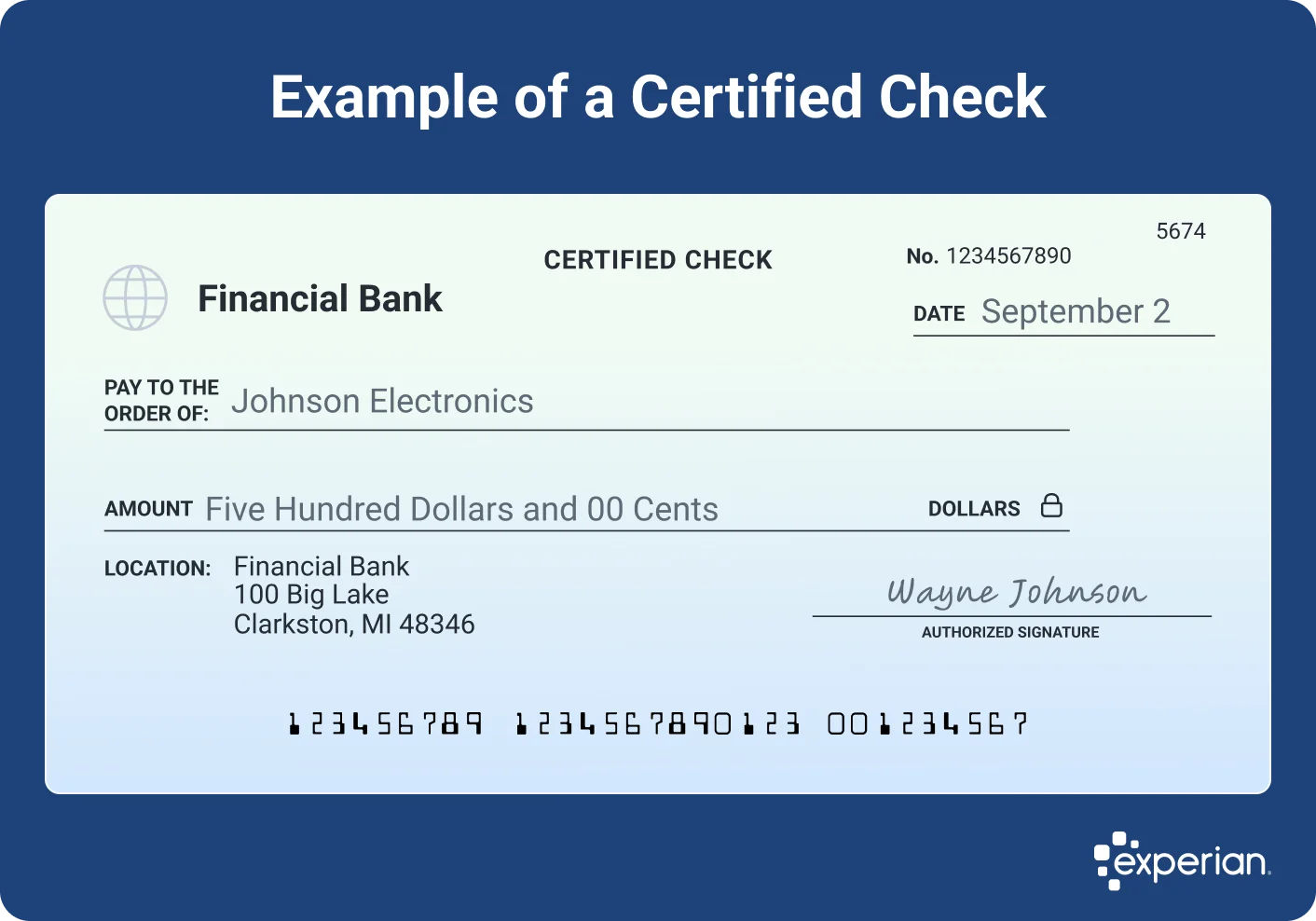
A certified check is a specific type of check where the issuing bank guarantees that the account holder has sufficient funds to cover the amount specified. Furthermore, the bank confirms that the signature on the check is genuine. In an era where “insufficient funds” or “bounced checks” can derail significant business deals, understanding the mechanics, costs, and strategic use of certified checks is essential for anyone navigating personal or business finance.
The Mechanics of a Certified Check: How Trust is Verified
To understand why a certified check is valued, one must first understand the inherent risk of a standard personal check. When you write a personal check, the recipient has no way of knowing if your bank account actually contains the balance required to fulfill that payment until they attempt to deposit it. A certified check eliminates this uncertainty through a two-step verification process performed by the financial institution.
The Verification of Funds
The primary function of a certified check is the verification of the account balance. When a customer requests a certification, the bank immediately reviews the account to ensure the funds are present. Once confirmed, the bank “earmarks” or “freezes” those funds. This means the account holder cannot withdraw or spend that specific amount of money on other transactions. The money is effectively held in escrow within the account, dedicated solely to the fulfillment of that specific check.
The Authentication of the Signature
Beyond the balance, a certified check serves as a guarantee of identity. A bank officer verifies that the signature on the check matches the signature on file for the account holder. This adds a layer of protection against forgery and identity theft. In the eyes of the recipient, the bank’s stamp or signature on the instrument serves as a professional endorsement that the transaction is legitimate and the payer is who they claim to be.
The Official Marking
Once the funds are verified and the signature is authenticated, the bank applies a physical mark to the check. This is typically a stamp that says “Certified” or “Accepted,” accompanied by the date and the signature of a bank official. This physical modification transforms a standard personal check into a legally binding guarantee from the financial institution, elevating its status from a private promise to a public financial commitment.
Certified Checks vs. Other Financial Instruments
In the world of personal finance, certified checks are frequently confused with other “guaranteed” payment methods like cashier’s checks and money orders. While they all serve to reduce the risk of non-payment, they operate under different legal and financial frameworks.
Certified Checks vs. Cashier’s Checks
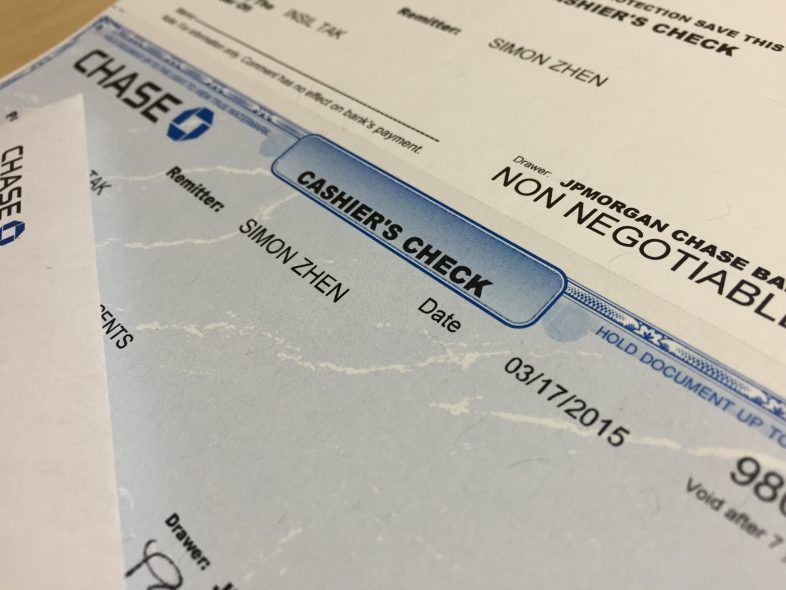
The most common point of confusion is the difference between a certified check and a cashier’s check. While both are guaranteed by the bank, the source of the funds differs. In a certified check, the money stays in the payer’s personal account but is frozen by the bank. In a cashier’s check, the bank takes the money from the payer upfront and issues the check against the bank’s own internal accounts. Generally, cashier’s checks are considered slightly more secure because the bank assumes full liability, whereas, with a certified check, the bank simply guarantees the funds are present in the customer’s account.
Certified Checks vs. Money Orders
Money orders are another alternative, but they are generally used for smaller amounts, typically capped at $1,000. Money orders are purchased with cash or a debit card at post offices, grocery stores, or convenience stores. Certified checks, by contrast, are used for much larger sums and require the payer to have an existing relationship (an account) with the bank issuing the certification. For major business finance needs, a money order is rarely an acceptable substitute for a certified check.
Why Personal Checks Fall Short in High-Stakes Deals
The reason sellers often refuse personal checks for large purchases is the “float” time. It can take several business days for a check to clear the banking system. If a seller releases a car title or a property deed based on a personal check that later bounces, they face a legal and financial nightmare. A certified check provides “same-day” or “near-instant” peace of mind, as the bank has already done the due diligence that the recipient would otherwise have to wait days to confirm.
When and Why You Need a Certified Check
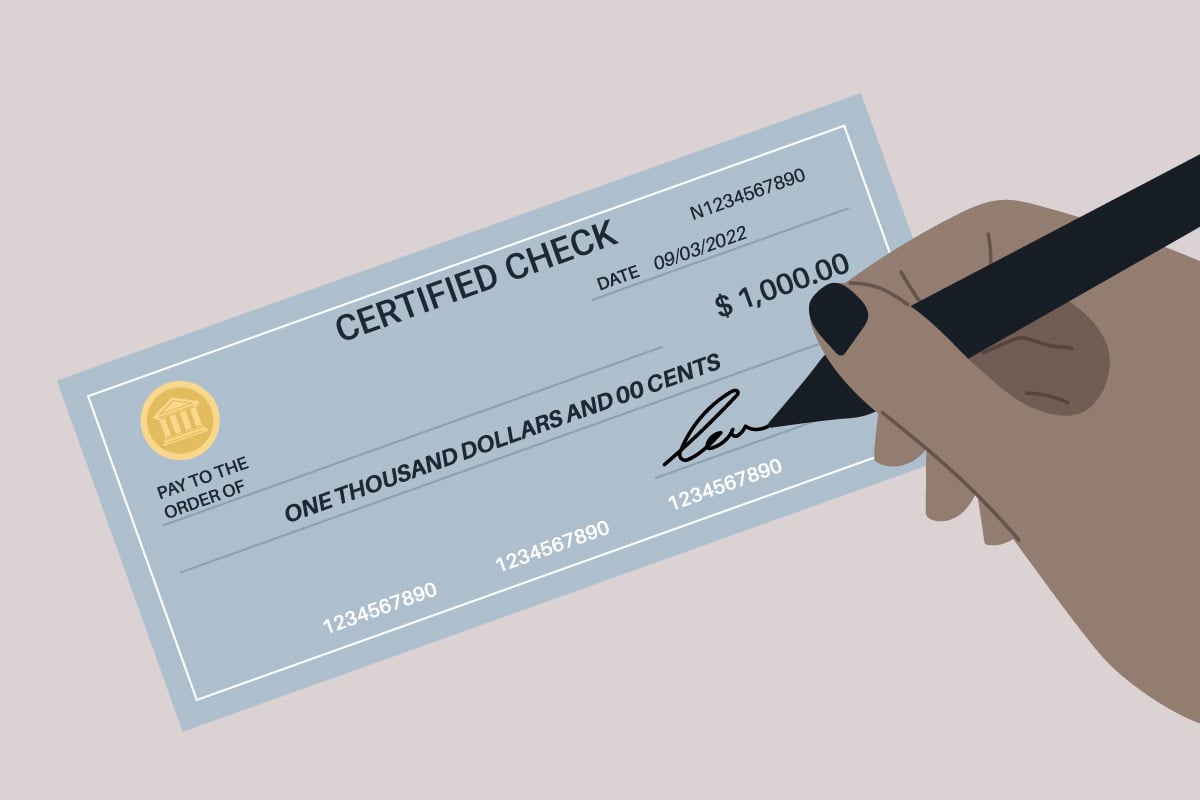
Certified checks are not intended for everyday purchases like groceries or utility bills. They are specialized tools for specific financial milestones where the stakes are high and the parties involved may not have a long-standing relationship of trust.
Real Estate and Down Payments
Real estate is perhaps the most common sector where certified checks (or their close cousin, the cashier’s check) are mandatory. When closing on a home, title companies and attorneys require “cleared funds.” They cannot risk a personal check for hundreds of thousands of dollars failing to clear. Using a certified check ensures that the closing process proceeds without a hitch, allowing for the legal transfer of property to occur the moment the documents are signed.
Purchasing Vehicles from Private Sellers
If you are buying a used car from an individual rather than a dealership, the seller will likely be wary of a personal check. From their perspective, once you drive away with the car and the signed title, they have little recourse if your check is returned for non-sufficient funds. Providing a certified check demonstrates financial responsibility and provides the seller with the guarantee they need to finalize the sale confidently.
Legal Settlements and Large Debts
In legal proceedings or when settling significant debts, certified checks are often used to fulfill contractual obligations. Because a court or a collection agency requires proof of payment that is immediate and irrevocable, a certified check serves as the gold standard. It provides a clear paper trail and an immediate transfer of value that satisfies the legal requirements of “good funds.”
How to Obtain a Certified Check: A Step-by-Step Guide
Securing a certified check is a straightforward process, but it does require a physical trip to your financial institution and a clear understanding of your current liquid assets.
Visiting Your Local Branch
Unlike standard checks, which you can write at home, a certification must happen at the bank. You must bring the check you have written (or write one there) and present a valid government-issued ID. A bank representative will then check your account balance and perform the certification process. It is important to note that many modern “online-only” banks do not offer certified checks because they lack physical branches to stamp the document; in these cases, they usually offer cashier’s checks delivered via overnight mail.
Associated Fees and Costs
Financial institutions charge for the service of certifying a check. On average, this fee ranges from $10 to $20 per check. This fee covers the administrative cost of the verification and the “opportunity cost” for the bank to hold those funds in a frozen state. For premium account holders or those with high balances, some banks may waive this fee as a loyalty perk.
Maintaining the Paper Trail
When you receive a certified check, it is vital to keep your receipt and a copy of the check. Because the funds are frozen in your account, if the check is lost, it can be difficult to “unfreeze” that money. The bank may require an indemnity bond—a type of insurance policy—to protect them in case the “lost” check is eventually found and cashed. This process can be expensive and time-consuming, making the physical security of the check as important as the funds themselves.
Security and Fraud Prevention in the Modern Era
While certified checks are designed for security, they are not immune to the sophisticated tactics of modern fraudsters. As a participant in the financial ecosystem, knowing how to protect yourself is vital.
Spotting Counterfeit Checks
The “certified check scam” is a common tactic used in online marketplaces. A buyer (the scammer) sends a check for more than the purchase price and asks the seller to wire back the difference. By the time the bank realizes the “certified” check is a sophisticated fake, the seller has already wired their own real money to the scammer. To protect yourself, always verify a certified check by calling the issuing bank using a phone number found on their official website—not a number printed on the check itself.
What to Do if a Check is Lost or Stolen
If you are the payer and you lose a certified check, contact your bank immediately. As mentioned, the funds are already “gone” from your available balance. You will likely have to wait a period (often 90 days) before the bank will issue a replacement or release the funds back into your account. This waiting period ensures the check hasn’t been cashed by someone else in the meantime.
Best Practices for Receivers
If you are the one receiving a certified check, it is best practice to accompany the payer to their bank to watch the certification happen in person. If that isn’t possible, do not release the goods or services until you have deposited the check and your bank has confirmed the funds are available. Even though “certification” means the funds are there, it is always safer to let your own financial institution’s fraud department perform their checks before you complete your end of the bargain.
Conclusion: The Enduring Value of Guaranteed Funds
In a world of rapid digital evolution, the certified check remains a vital instrument in the “Money” and finance niche. It serves as a physical manifestation of trust, backed by the institutional weight of the banking system. Whether you are navigating the complexities of your first home purchase or managing the finances of a growing business, understanding when to use a certified check—and how to verify its authenticity—is a hallmark of financial literacy. By utilizing these tools correctly, you ensure that your most significant transactions are handled with the professional security and reliability they deserve.
aViewFromTheCave is a participant in the Amazon Services LLC Associates Program, an affiliate advertising program designed to provide a means for sites to earn advertising fees by advertising and linking to Amazon.com. Amazon, the Amazon logo, AmazonSupply, and the AmazonSupply logo are trademarks of Amazon.com, Inc. or its affiliates. As an Amazon Associate we earn affiliate commissions from qualifying purchases.