
The global transition toward renewable energy is no longer a peripheral environmental movement; it is a full-scale technological revolution. At the forefront of this shift is wind energy, a sector that has evolved from simple mechanical windmills to sophisticated, data-driven power plants. The advantages of using wind energy today are rooted in high-level engineering, advanced materials science, and the integration of artificial intelligence. As we move away from finite resource extraction, wind power offers a scalable, high-tech solution to the world’s growing energy demands.
This article explores the core technological advantages of wind energy, focusing on how innovations in hardware and software are making wind one of the most efficient and reliable components of the modern energy grid.
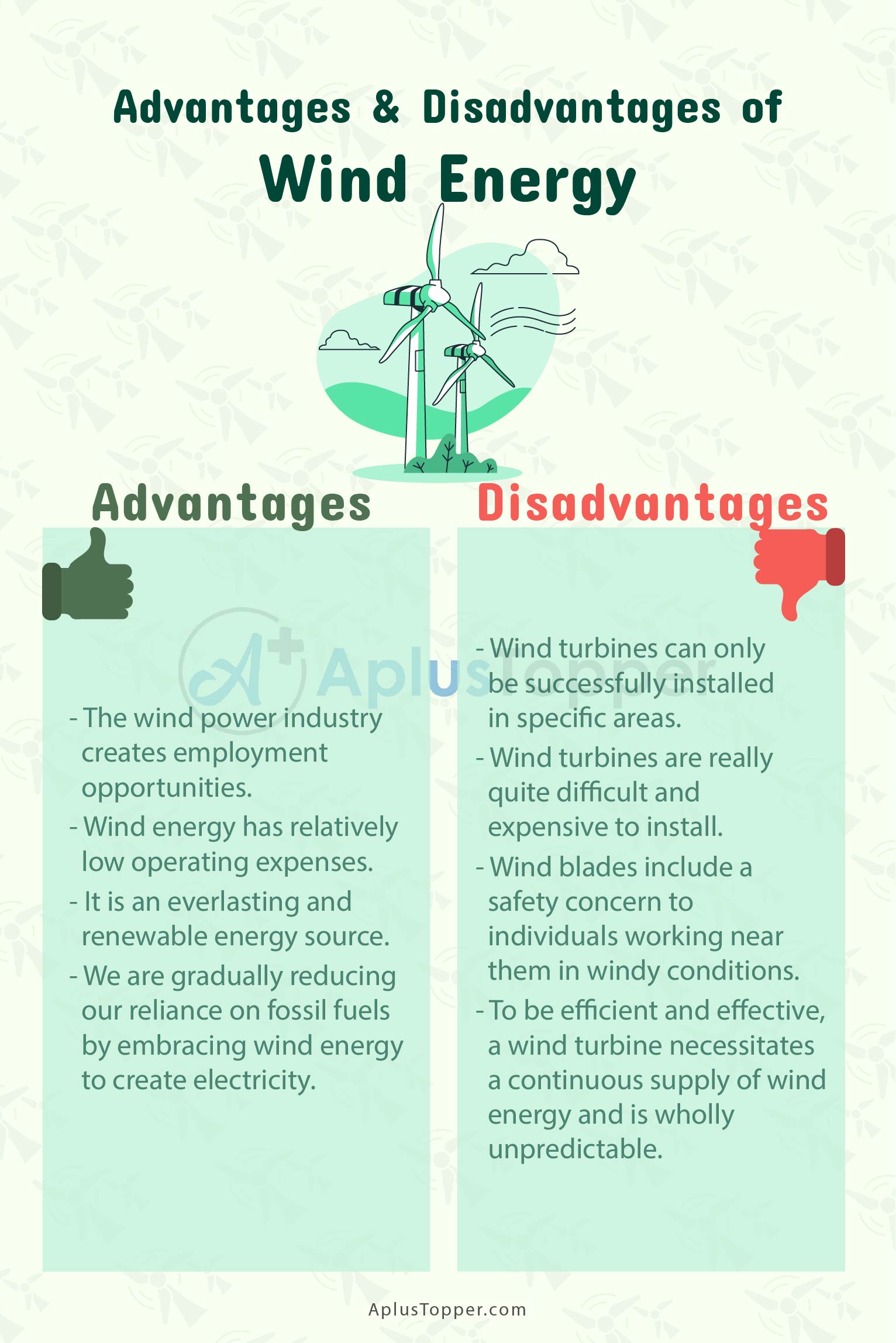
Engineering Efficiency: Advances in Turbine Technology and Aerodynamics
The most visible advantage of modern wind energy lies in the sheer engineering prowess of the turbines themselves. Unlike the early models of the 1980s, today’s wind turbines are masterpieces of aerodynamic engineering and materials science, designed to extract the maximum possible kinetic energy from the air.
Smart Blade Design and Materials Science
Modern turbine blades are not merely static pieces of fiberglass; they are highly engineered structures that utilize carbon fiber composites and advanced polymers to achieve a balance between strength and flexibility. One of the primary tech advantages here is the use of “smart blades.” These are equipped with sensors that can detect changes in wind speed and direction in real-time, allowing the blade’s pitch to adjust automatically. This optimization ensures that the turbine operates at its “sweet spot” for as long as possible, significantly increasing the capacity factor of the installation.
Increased Hub Heights and Energy Capture
The physics of wind energy dictate that wind speeds are higher and more consistent at greater altitudes. Technological leaps in crane design and modular tower construction have allowed developers to reach hub heights exceeding 150 meters. By accessing these higher-altitude winds, modern turbines can generate significantly more power with a smaller footprint. Furthermore, the development of larger rotor diameters—some now rivaling the wingspan of jumbo jets—means that a single turbine can power thousands of homes, a level of efficiency that was technologically impossible just a decade ago.
Integration and Grid Stability: The Role of AI and IoT in Wind Management
One of the historical criticisms of wind energy was its intermittency. However, modern technology has largely mitigated this through the application of the Internet of Things (IoT) and Artificial Intelligence (AI). The advantage of wind energy in a “Tech” context is its ability to function as a smart, responsive node within a digitalized power grid.
Predictive Maintenance through Machine Learning
Digital Twin technology is perhaps the most significant software advantage in the wind sector. By creating a virtual replica of a physical wind turbine, operators can use machine learning algorithms to simulate various stress conditions. Sensors on the actual turbine feed real-time data regarding vibration, temperature, and torque into the AI model. This allows for predictive maintenance—identifying a potential component failure months before it happens. This reduces “downtime” and ensures that the technology remains operational during peak wind conditions, maximizing energy yield and reducing the cost of repairs.
Smart Grids and Real-Time Load Balancing
The integration of wind energy into smart grids is a triumph of software engineering. Advanced forecasting algorithms now use satellite data and localized weather sensors to predict wind patterns with incredible accuracy. This data allows grid operators to balance the load in real-time, shifting energy storage or adjusting other power sources to compensate for fluctuations. The result is a more resilient and flexible grid that can handle high penetrations of renewable energy without sacrificing stability.
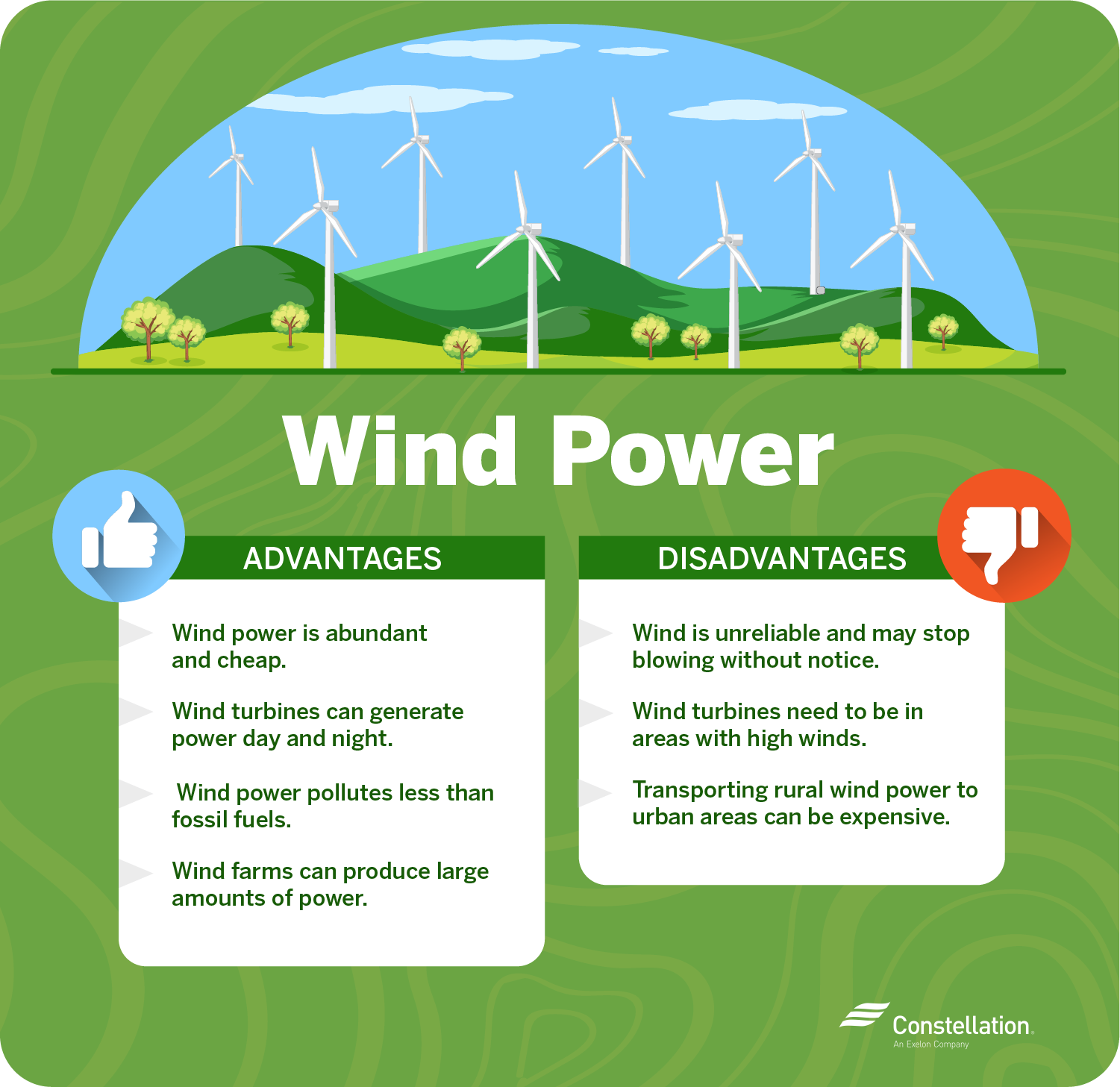
Scaling Offshore: The Frontiers of Marine Engineering
The move toward offshore wind farms represents one of the most ambitious engineering challenges of the 21st century. The technological advantage of offshore wind is the access to powerful, unobstructed sea breezes that are far more consistent than those found on land.
Floating Wind Platforms and Deep-Water Access
Traditionally, offshore wind was limited to shallow waters where turbines could be fixed to the seabed. However, the emergence of floating offshore wind technology is a game-changer. Using principles derived from deep-sea oil and gas platforms, engineers have developed semi-submersible and spar-buoy foundations that allow turbines to be stationed in much deeper waters. This technological leap opens up vast areas of the ocean for energy production, often in locations where the wind is strongest and most reliable.
High-Voltage Direct Current (HVDC) Transmission
Transporting electricity from a remote offshore farm to the mainland results in significant energy loss if using standard alternating current (AC). To solve this, the industry has turned to High-Voltage Direct Current (HVDC) technology. HVDC systems allow for the efficient transmission of massive amounts of power over long distances with minimal loss. The development of compact, sea-based converter stations is a pinnacle of modern electrical engineering, enabling wind energy to serve major inland metropolitan areas from hundreds of miles away.
Decentralization and Software-Defined Power
Wind energy is also driving a shift toward decentralized power structures. In the tech world, decentralization is a key trend (as seen in edge computing and blockchain), and wind energy follows this trajectory by allowing for localized power generation.
Microgrids and Edge Computing
Small-scale wind technology is becoming increasingly sophisticated, allowing for the creation of microgrids. These are localized energy systems that can operate independently of the main grid. For remote tech facilities, such as data centers or research outposts, wind-powered microgrids provide a reliable and sustainable power source. When coupled with edge computing, these systems can autonomously manage energy distribution, prioritizing critical loads during low-wind periods and storing excess energy when production peaks.
Energy Storage Integration and Software Synchronization
The final piece of the technological puzzle for wind energy is its synergy with battery storage technology. Sophisticated Energy Management Systems (EMS) use software to synchronize wind production with Large-Scale Battery Energy Storage Systems (BESS). When the wind blows at night (when demand is low), the software directs power into lithium-ion or flow batteries. When demand spikes during the day, the software releases that stored wind energy. This seamless synchronization, managed by complex algorithms, transforms wind from a variable source into a “baseload” equivalent power provider.
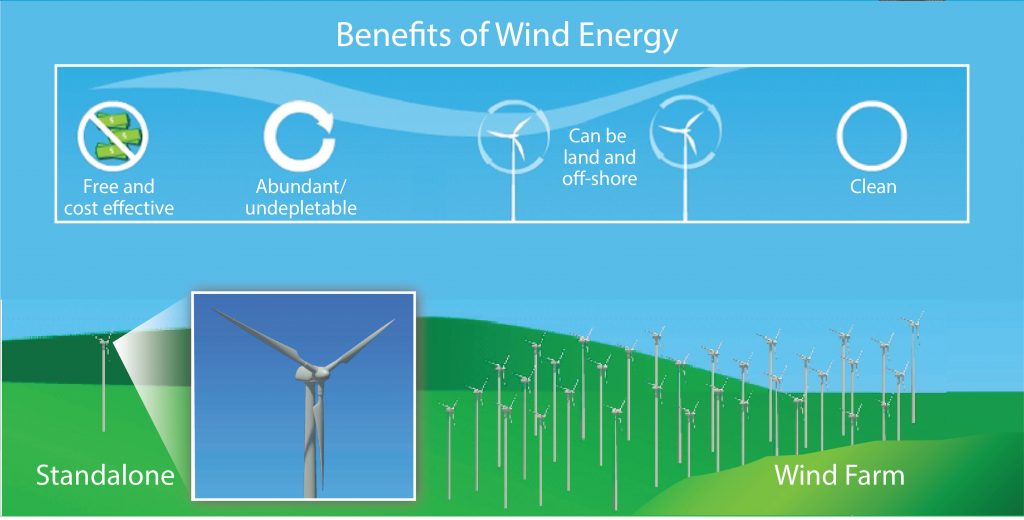
The Future of Wind as a High-Tech Resource
The advantages of using wind energy extend far beyond simple “green” benefits; they represent the cutting edge of what is possible when we combine heavy engineering with advanced software. From the use of LIDAR (Light Detection and Ranging) to “see” incoming wind gusts before they hit the blades, to the use of autonomous drones for turbine inspections, the wind industry is a hotbed of technological innovation.
As we look toward the future, the continued evolution of wind energy will likely involve even more integration with AI-driven weather modeling and the development of new superconducting materials for generators. These advancements will continue to drive down costs, increase efficiency, and solidify wind energy’s position as a cornerstone of the global high-tech infrastructure. By investing in the “tech” of wind, we are not just changing how we power our world; we are redefining the limits of human engineering and digital optimization.
aViewFromTheCave is a participant in the Amazon Services LLC Associates Program, an affiliate advertising program designed to provide a means for sites to earn advertising fees by advertising and linking to Amazon.com. Amazon, the Amazon logo, AmazonSupply, and the AmazonSupply logo are trademarks of Amazon.com, Inc. or its affiliates. As an Amazon Associate we earn affiliate commissions from qualifying purchases.