
To the casual observer, the Federalist Papers are a series of 85 essays written between 1787 and 1788 to urge New Yorkers to ratify the proposed United States Constitution. However, to the economist, the investor, and the student of business finance, these documents represent something far more profound: they are the foundational business plan for the American economy. Written primarily by Alexander Hamilton, James Madison, and John Jay, the papers argued for a transition from a loose, bankrupt confederation of states into a unified, credit-worthy, and commercially vibrant nation.
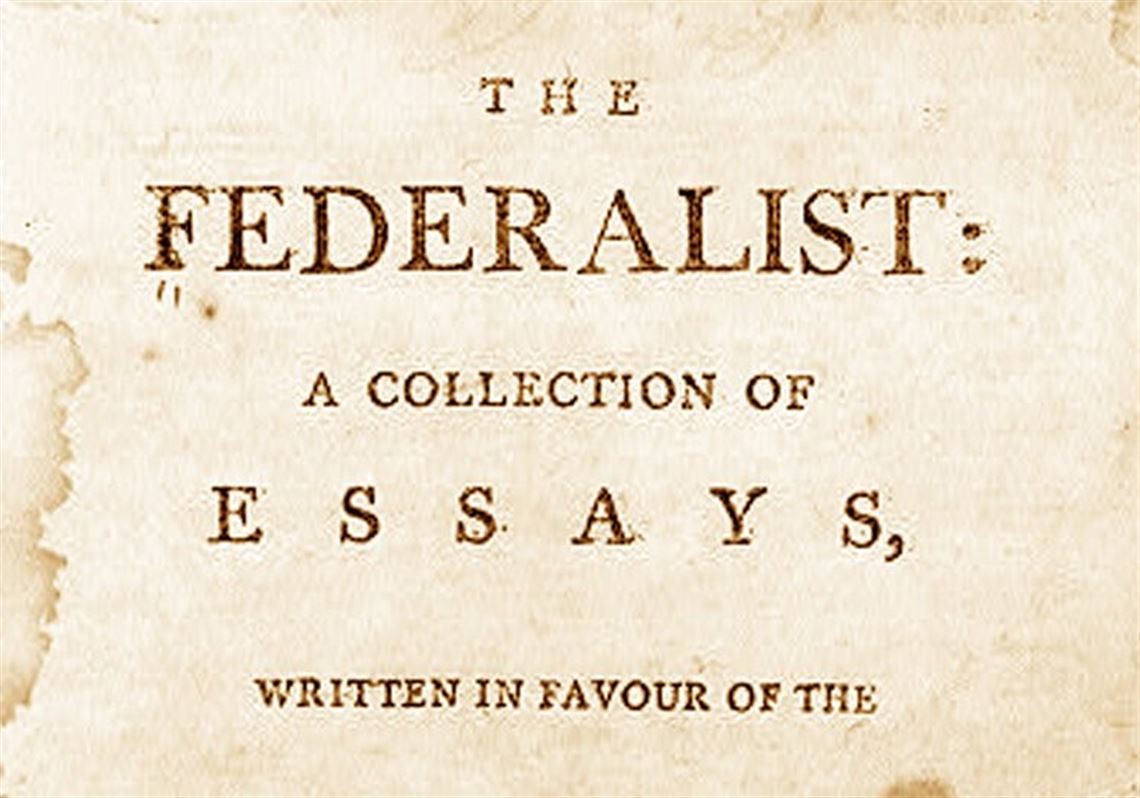
By analyzing what the Federalist Papers argued through the lens of Money—specifically personal finance, sovereign credit, and macro-economic stability—we discover that the “Founding Fathers” were, in many ways, the first great venture capitalists of the Western world. They recognized that without a strong central financial structure, the American experiment would fail not due to a lack of liberty, but due to a lack of capital.
The Case for a Centralized Economic Engine
Under the preceding Articles of Confederation, the United States was a financial disaster. The central government had the power to borrow money but no power to tax, leading to a “free-rider” problem where states refused to contribute their share to the national treasury. The Federalist Papers, particularly those penned by Alexander Hamilton, argued that a nation without a reliable revenue stream was a nation without a future.
Ending the Chaos of State-Level Currencies
One of the primary financial arguments in the Federalist Papers was the need for a uniform currency and a prohibition on states issuing their own “bills of credit.” In the 1780s, various states were printing their own paper money to help debtors pay off loans, which led to hyperinflation and the total erosion of trust in the marketplace.
Federalist No. 44, written by Madison, argued that the power of states to emit paper money had caused “distortions in the value of property” and “instability in the medium of exchange.” By arguing for a federal monopoly on coining money, the Federalist Papers laid the groundwork for a stable monetary policy, which is the bedrock of any modern investment environment. They argued that for commerce to thrive, a merchant in Virginia must have absolute confidence in the value of the currency he receives from a buyer in Massachusetts.
The Power to Tax and the Foundation of Sovereign Credit
Hamilton’s arguments in Federalist No. 30 focused on the “general power of taxation.” He argued that if the federal government remained dependent on voluntary contributions from the states, it would never be able to secure loans from foreign or domestic investors.
In the world of finance, credit is everything. Hamilton argued that a government must have the “natural right” to tax the wealth it protects. Without this, the U.S. would be seen as a “subprime” borrower on the world stage. By establishing a central authority with the power to levy duties and excises, the Federalist Papers argued for the creation of a reliable “cash flow” that could be used to service national debt, thereby making the United States a safe haven for global capital.
Building National Credit: The Hamilton Strategy
At the heart of the Federalist arguments was the belief that “a national debt, if it is not excessive, will be to us a national blessing.” This was not an argument for reckless spending, but rather an argument for the strategic use of leverage. The Federalist Papers argued that the United States needed to consolidate the debts of the individual states into a single national debt to establish the country’s creditworthiness.
Turning Public Debt into an Asset
Hamilton argued that by funding the national debt and paying interest regularly, the government could turn its debt certificates into a liquid asset. These certificates could be used as collateral for loans or as a medium of exchange, effectively increasing the “money supply” in a capital-starved nation.
This was a revolutionary concept in business finance. The Federalist Papers argued that a well-funded debt would act as “an artificial capital,” allowing entrepreneurs to find the funding necessary for industrialization and westward expansion. It was the first step toward the creation of the American bond market, which remains the largest and most liquid financial market in the world today.
Attracting Foreign Capital through Stability
In Federalist No. 11, the argument turned toward the international stage. The authors understood that the U.S. was a “developing nation” that desperately needed investment from Europe. However, no sensible investor would put money into a country where the legal system was unpredictable and the states were constantly at each other’s throats.
The Federalist Papers argued that a strong federal government would provide the legal “certainty” that investors crave. By ensuring that contracts were upheld across state lines and that the federal judiciary had the final say in maritime and commercial disputes, the Constitution would attract the “surplus capital” of Europe. This focus on protecting the rights of the creditor was essential to the arguments for ratification, as it promised a future of lower interest rates and higher investment.

Commercial Unity and the Common Market
Before the Constitution, the thirteen states functioned like thirteen separate countries, often engaging in “trade wars” with one another. New York would tax goods coming from New Jersey, and states would compete to offer the lowest standards for international shipping. The Federalist Papers argued that this fragmentation was an existential threat to American prosperity.
Dismantling Internal Trade Barriers
Federalist No. 11 argued for a “thriving commerce” based on the removal of internal tariffs. The authors envisioned the United States as a massive “common market”—a precursor to the modern European Union or the United States-Mexico-Canada Agreement (USMCA).
The argument was simple: a larger, unified market allows for greater specialization and economies of scale. By removing state-level barriers, the Federalist Papers argued that the U.S. could foster a “vent for its own surplus,” ensuring that every region could contribute its unique resources—whether it be the timber of the North or the agriculture of the South—to a single, powerful national economy. This “Internal Commerce” clause was presented as a way to increase the aggregate wealth of every citizen.
Protecting Maritime Commerce and International Trade
A significant portion of the Federalist arguments focused on the “Navy.” From a financial perspective, a navy was an insurance policy for trade. At the time, American merchant ships were being harassed by pirates and foreign powers.
The Federalist Papers argued that a unified government could afford to build and maintain a navy that would protect the “commercial rights” of Americans. In modern business terms, this was an argument for protecting the global supply chain. By securing the seas, the government would lower the cost of insurance and shipping for American merchants, thereby increasing the profitability of international trade and boosting the nation’s “Gross Domestic Product” (though the term didn’t exist then).
Fiscal Checks and Balances: Protecting the Taxpayer
While the Federalist Papers argued for a powerful central government, they were also deeply concerned with “fiscal responsibility.” The authors knew that if the government had too much power to spend, it would eventually lead to the same kind of tyranny and bankruptcy they had just escaped.
Preventing Executive Overreach in Spending
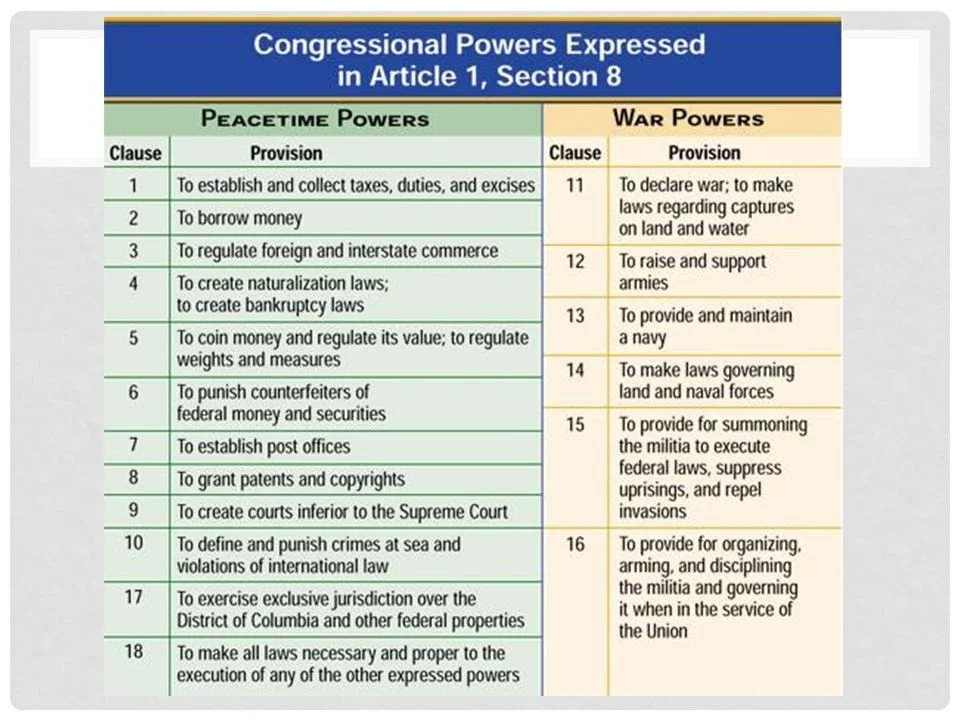
One of the most important arguments in the Federalist Papers was the “power of the purse.” Federalist No. 58 argued that the House of Representatives—the body most directly accountable to the people—should have the sole authority to originate revenue bills.
This was a fundamental principle of “Personal Finance” writ large: the people who pay the taxes should have the final say in how that money is spent. By separating the power to command the military (the President) from the power to fund it (Congress), the Federalist Papers argued for a system of fiscal checks and balances designed to prevent the “misapplication” of public funds.
The Role of the House in Origination of Revenue
The papers argued that this structural constraint would force the government to be more efficient. Unlike the monarchies of Europe, which could tax their subjects at will to fund lavish lifestyles or endless wars, the American system would require a transparent and debated budget process. This was intended to protect the individual’s “disposable income” from being drained by an overzealous state, ensuring that capital remained in the hands of private citizens who could invest it more productively.
The Legacy of the Federalist Papers in Modern Finance
In conclusion, when we ask “what did the Federalist Papers argue,” we must look beyond the political philosophy and see the financial architecture. They argued for the creation of a “Financial Union” that would serve as the bedrock for the American Dream.
They successfully argued that:
- Sovereign Credit is a nation’s most valuable asset.
- A Stable Currency is the prerequisite for all commercial investment.
- Unified Markets create wealth through the free flow of goods and capital.
- Fiscal Discipline is the only way to protect the long-term purchasing power of the citizenry.
The Federalist Papers did not just argue for a new form of government; they argued for a new kind of economy. They envisioned a world where a strong, credit-worthy central government could facilitate a massive, interconnected marketplace. Today, every time we trade a stock on the NYSE, use a dollar bill, or see the U.S. Treasury issue a bond, we are witnessing the enduring success of the arguments made in 1787. The Federalist Papers were the ultimate “pitch deck” for the most successful economic startup in history.
aViewFromTheCave is a participant in the Amazon Services LLC Associates Program, an affiliate advertising program designed to provide a means for sites to earn advertising fees by advertising and linking to Amazon.com. Amazon, the Amazon logo, AmazonSupply, and the AmazonSupply logo are trademarks of Amazon.com, Inc. or its affiliates. As an Amazon Associate we earn affiliate commissions from qualifying purchases.