
The passing of Elizabeth Montgomery on May 18, 1995, marked the end of an era for classic television. While fans frequently ask, “What did Elizabeth Montgomery die of?”—the answer being a rapid and tragic battle with colon cancer—the more profound story lies in the brand she built and the legacy she left behind. Montgomery was more than just a talented actress; she was a pioneer in personal branding during a time when the concept was still in its infancy. Her career offers a masterclass in how to manage a public image, navigate the perils of typecasting, and transition from a commercial icon to a respected dramatic force and social advocate.

Defining the Personal Brand of Elizabeth Montgomery
In the mid-20th century, personal branding was less about social media metrics and more about “star power” and consistency. Elizabeth Montgomery’s brand was built on a foundation of sophisticated charm, intelligence, and an approachable yet magical quality that resonated with a burgeoning middle-class audience in America.
Transitioning from Film to Television
Before becoming a household name, Montgomery spent years honing her craft in film and theater. However, her strategic move to television was a pivotal brand decision. At the time, television was often seen as “lesser” than cinema, but Montgomery recognized the medium’s power to create an intimate connection with the audience. By choosing the role of Samantha Stephens in Bewitched, she didn’t just accept a job; she accepted a role that would define the archetype of the modern woman for a decade.
The Iconography of Samantha Stephens
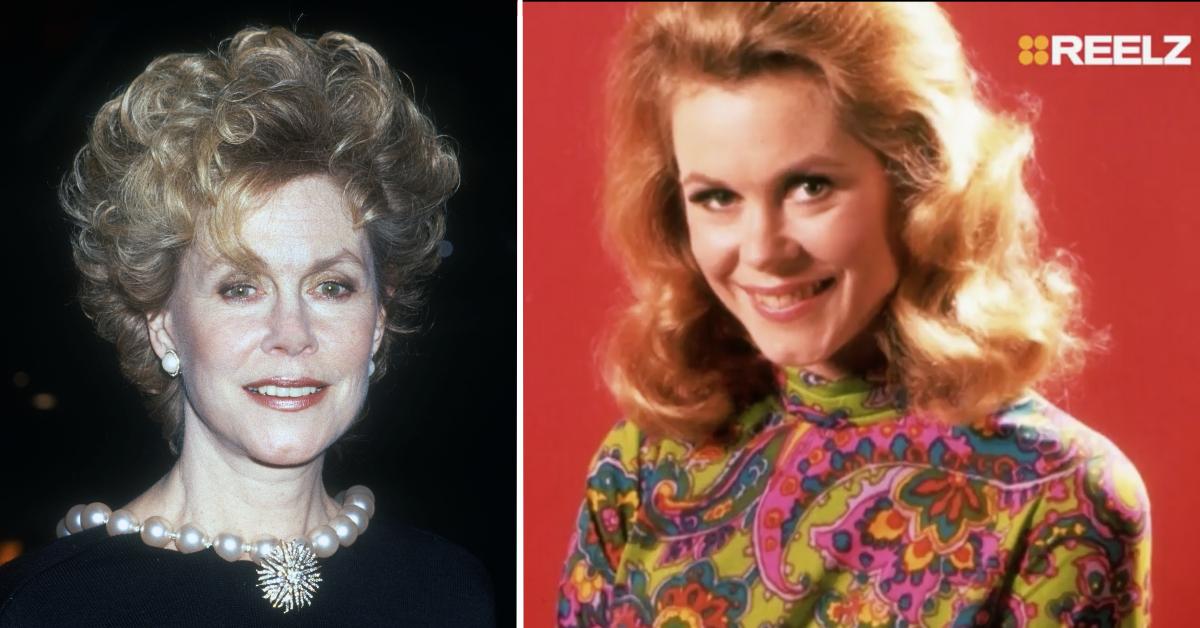
The brand of Elizabeth Montgomery is inseparable from the iconography of Bewitched. The “nose twitch” became a global trademark—a physical brand signifier as recognizable as any logo. Yet, Montgomery was careful to ensure that the character of Samantha was not just a housewife with powers, but a woman of agency and intelligence. This nuanced performance ensured that her brand was synonymous with empowerment, even within the confines of a 1960s sitcom. She managed to balance the “perfect housewife” trope with a subtle subversion that made her relatable to women who were beginning to question traditional societal roles.
Brand Reinvention: Breaking the Sitcom Mold
One of the greatest challenges in personal branding is the “golden cage”—the phenomenon where a single successful role prevents an artist from being seen in any other light. For Montgomery, Bewitched was so successful that it threatened to overshadow her range as an actress. Her strategy for brand reinvention in the 1970s and 80s remains a blueprint for career longevity.
Post-Bewitched Career Moves
After Bewitched ended in 1972, Montgomery took a radical turn in her brand strategy. She deliberately sought out “gritty” and dramatic roles to distance herself from the “wholesome witch” image. Her performance in the 1974 television film A Case of Rape was a watershed moment. It was one of the first times a major star had tackled such a sensitive and taboo subject on primetime television. This move successfully transitioned her brand from “sitcom star” to “prestige dramatic actress,” proving that she could command the screen without the need for special effects or a laugh track.
Leveraging Social Activism as Brand Purpose
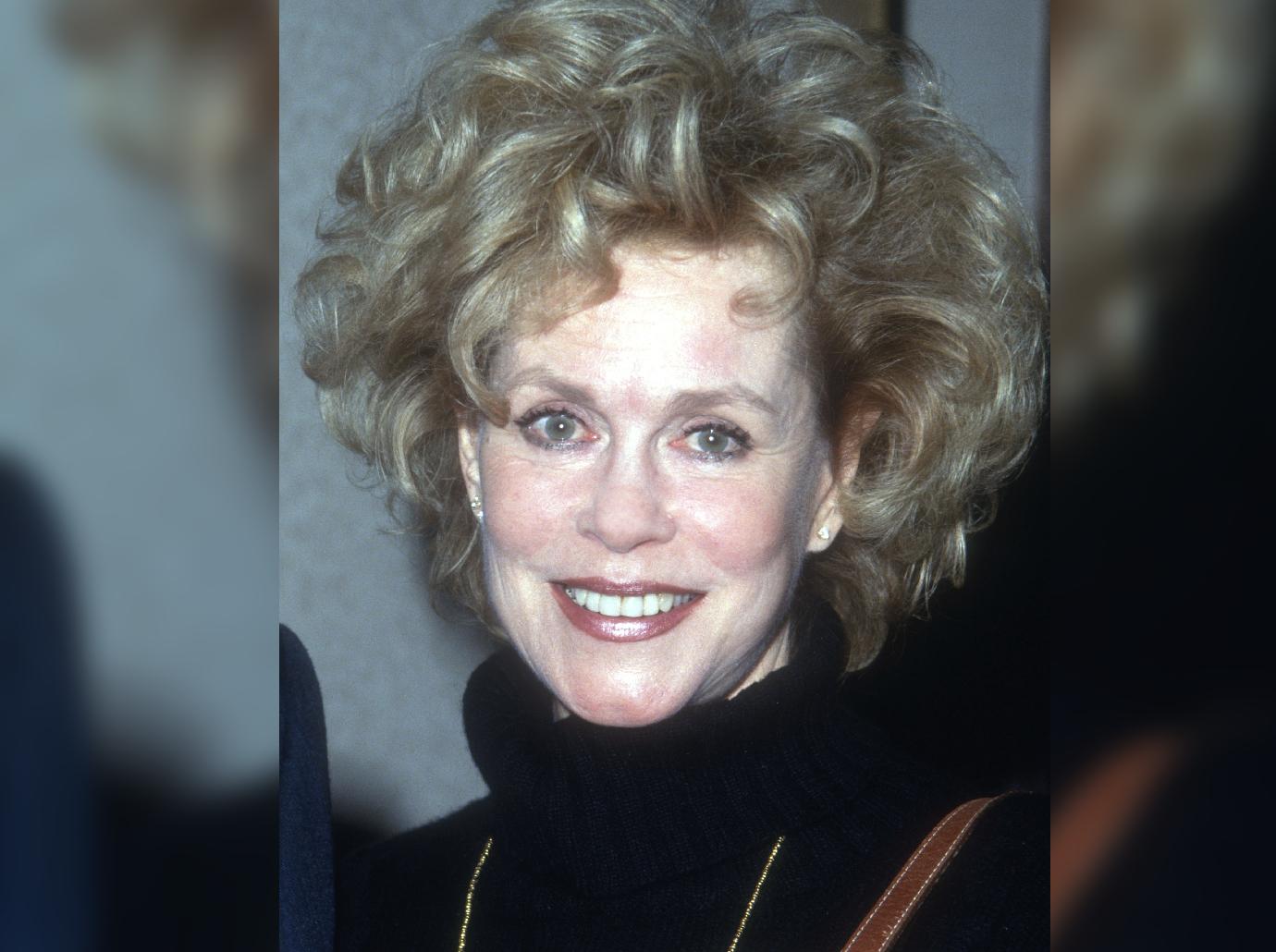
In her later years, Montgomery’s brand became increasingly defined by her advocacy. She was an early and vocal supporter of LGBTQ+ rights and was heavily involved in AIDS activism at a time when many public figures remained silent. By aligning her personal brand with social justice, she added a layer of “Brand Purpose” that went beyond her professional output. This humanitarian work ensured that her legacy was not just about entertainment, but about influence and integrity. She used the capital she had built over decades in the spotlight to shine a light on marginalized communities, reinforcing her brand as one of substance.
The Management of a Public Crisis and Posthumous Legacy
The way a brand handles a crisis—even a personal one—often determines how it is remembered. Elizabeth Montgomery’s diagnosis and subsequent passing were handled with a level of privacy and dignity that reflected the core values of her personal brand.
Navigating Personal Health in the Public Eye
Elizabeth Montgomery was diagnosed with colon cancer only weeks before she passed away. In an era before the 24-hour news cycle and the invasive nature of social media, she chose to keep her struggle private. This was a strategic choice as much as a personal one. By managing the information surrounding her illness, she ensured that the public’s final image of her remained one of strength and vitality. When she finally succumbed to the disease at the age of 62, the shock felt by the public was a testament to how effectively she had maintained her privacy.
Preserving the “Bewitched” Brand in the Digital Age
Following her death, the “Montgomery Brand” transitioned into a legacy phase. This phase is characterized by how her work is curated for new generations. Through syndication and later streaming services, Bewitched has remained a constant in the cultural zeitgeist. The management of her estate and the continued licensing of her image have been handled with a focus on quality and nostalgia. Her brand now exists as a symbol of “The Golden Age of Television,” representing a time of craftsmanship and universal appeal that brands today struggle to replicate.
Lessons in Long-Term Brand Equity
Analyzing Elizabeth Montgomery’s career through a modern lens reveals several key lessons in building and maintaining brand equity. Her success was not accidental; it was the result of a consistent commitment to quality and a keen understanding of her audience’s expectations.
Consistency and Reliability in Casting
Montgomery understood the value of consistency. Whether she was playing a suburban witch or a historical figure like Lizzie Borden, she brought a specific “quality of presence” to her roles. In branding terms, this is known as “Brand Reliability.” Her audience knew that if Elizabeth Montgomery was in the credits, the production would have a certain level of gravitas and professionalism. This reliability allowed her to maintain a top-tier status for over four decades, a rarity in an industry known for its fickleness.
The Enduring Financial and Cultural Value of Syndication
The financial aspect of her brand cannot be overlooked. Montgomery was a savvy businesswoman who understood the power of residuals and syndication rights. By starring in a show with high “rewatchability,” she ensured that her brand—and her estate—would generate value long after the cameras stopped rolling. Bewitched became one of the most successful syndicated shows in history, creating a cycle of brand reinforcement where each new generation of viewers becomes a customer of the Montgomery legacy.
Conclusion: The Immortal Brand of Elizabeth Montgomery
What Elizabeth Montgomery died of was a biological tragedy, but what she lived for was the creation of an enduring cultural institution. From the twitch of a nose to the championing of human rights, she navigated the complexities of fame with a strategic mind and a graceful heart.
Her ability to pivot from a commercial icon to a dramatic powerhouse, all while maintaining a private life that commanded respect, is a feat few modern celebrities achieve. Today, her personal brand stands as a testament to the power of authenticity and the importance of evolving with your audience. As we look back at her career, we see more than just an actress; we see a visionary who understood that a truly great brand is one that leaves the world a little more magical than they found it. Elizabeth Montgomery’s legacy is not defined by her death, but by the indelible mark she left on the history of branding, media, and social progress.
aViewFromTheCave is a participant in the Amazon Services LLC Associates Program, an affiliate advertising program designed to provide a means for sites to earn advertising fees by advertising and linking to Amazon.com. Amazon, the Amazon logo, AmazonSupply, and the AmazonSupply logo are trademarks of Amazon.com, Inc. or its affiliates. As an Amazon Associate we earn affiliate commissions from qualifying purchases.