
The human skin, an intricate organ, presents a breathtaking spectrum of colors that has captivated scientists, artists, and individuals across centuries. Far from a superficial characteristic, skin color is a complex biological trait, influenced by a myriad of factors. In an era defined by rapid technological advancement, our understanding of what determines the color of the skin has moved beyond mere observation to profound molecular and computational insights. This article delves into how cutting-edge technology—from genomics and artificial intelligence to advanced imaging—is unraveling the mysteries of pigmentation, transforming our approach to dermatology, cosmetics, and even our societal understanding of human diversity.
Unraveling Genetic Blueprints with Genomic Technology
At the heart of skin color lies genetics. Our DNA contains the instructions for every aspect of our being, including the production and distribution of pigments. While the concept of inherited traits is ancient, it is only with modern genomic technology that we have begun to decode the specific genetic sequences and mechanisms responsible for the vast palette of human skin tones.
The Melanin Master Code: Genes and Pigmentation
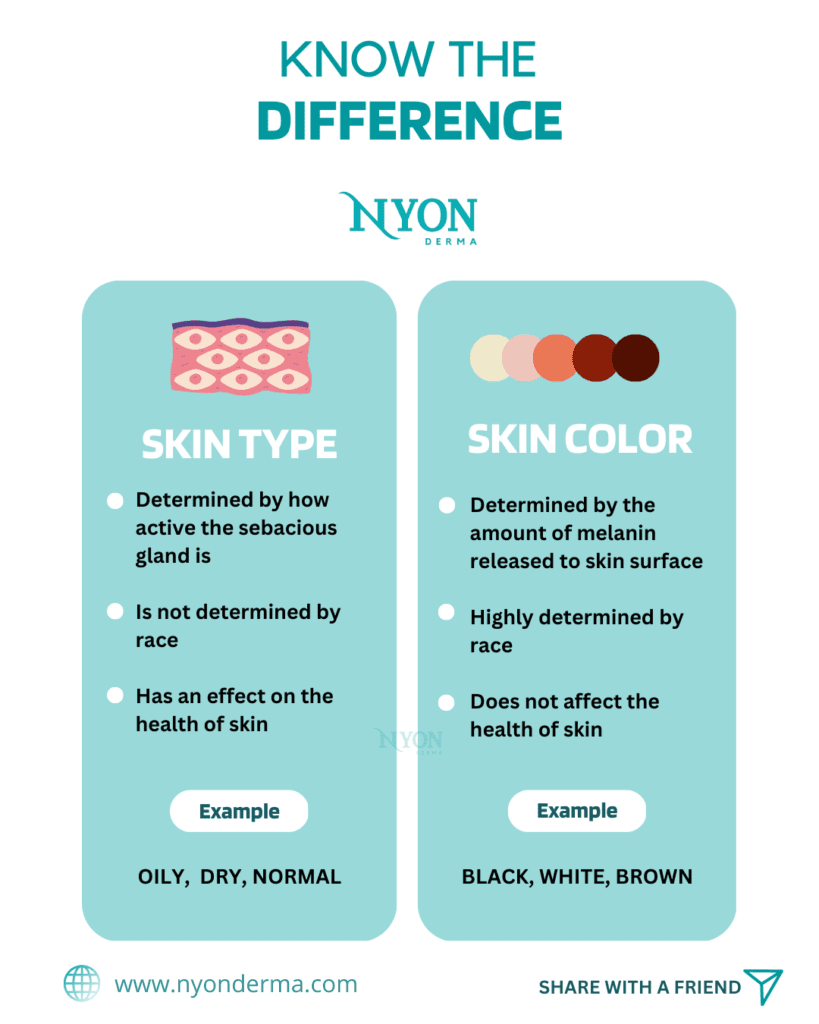
The primary determinant of skin color is melanin, a pigment produced by specialized cells called melanocytes, located in the outermost layer of the skin (epidermis). There are two main types of melanin: eumelanin (brown/black pigment) and pheomelanin (red/yellow pigment). The proportion and amount of these two types, along with their distribution in the skin, dictate an individual’s skin tone.
Genomic technologies, particularly high-throughput DNA sequencing, have revolutionized our ability to identify the genes that control melanin production. Researchers can now rapidly sequence entire genomes, comparing DNA sequences across diverse populations to pinpoint genetic variations (polymorphisms) associated with different skin tones. Key genes identified include:
- MC1R (Melanocortin 1 Receptor): This gene is perhaps the most famous, largely responsible for determining whether a person produces more eumelanin or pheomelanin. Variations in MC1R are strongly linked to red hair, fair skin, and a reduced ability to tan.
- OCA2 (Oculocutaneous Albinism Type II): Involved in the production of the P protein, which plays a role in melanosome (the organelle where melanin is synthesized) development. Variations in OCA2, often in conjunction with HERC2, are strongly associated with blue eyes and lighter skin in European populations.
- TYR (Tyrosinase): This gene codes for the enzyme tyrosinase, a critical enzyme in the melanin synthesis pathway. Mutations in TYR can lead to albinism.
- SLC24A5 and SLC45A2: These genes are involved in melanin processing and transport within melanocytes and are strongly associated with lighter skin pigmentation in people of European and East Asian descent.
The advent of CRISPR-Cas9 gene-editing technology, while not currently used to alter human skin color, serves as a powerful research tool. By selectively modifying these genes in laboratory models, scientists can better understand their precise function and interaction in melanin synthesis, paving the way for targeted treatments for pigmentation disorders.
Big Data and Population Genomics
Understanding skin color isn’t just about individual genes; it’s about the complex interplay of many genes, often with small individual effects, acting in concert. This complexity necessitates the use of big data analytics and population genomics. Large-scale genomic studies, such as the 1000 Genomes Project and the UK Biobank, collect genetic data from hundreds of thousands of individuals, along with phenotypic data (like skin color measurements).
Computational power and sophisticated algorithms are then employed to analyze these massive datasets, identifying genetic variants common in certain populations and correlating them with specific skin tones. These studies have revealed fascinating insights into human migration patterns and adaptation to different environments, particularly UV radiation levels. For instance, lighter skin evolved as humans migrated away from the equator, facilitating vitamin D synthesis in regions with lower sunlight exposure, while darker skin provides protection against UV damage in high-sunlight environments. Genomic technology provides the empirical evidence for these evolutionary hypotheses, mapping the genetic landscape of human diversity.
AI and Machine Learning: Predicting and Personalizing Skin Science
The sheer volume and complexity of genetic, environmental, and physiological data related to skin color make it an ideal domain for artificial intelligence (AI) and machine learning (ML). These technologies are transforming our ability to predict skin characteristics, personalize skincare, and develop more precise medical interventions.
Predictive Modeling of Pigmentation
AI algorithms excel at identifying complex patterns and correlations within vast datasets that would be impossible for human analysis alone. In the context of skin color, AI can be trained on datasets containing:
- Genetic markers: As discussed above, individual genetic profiles.
- Environmental factors: Historical UV radiation data (from satellite imagery, personal UV sensors), climate information, and pollution levels.
- Lifestyle data: Diet, sun exposure habits, use of skincare products.
- Physiological data: Skin hydration levels, melanin index measurements, presence of conditions affecting pigmentation.
By integrating these diverse data points, machine learning models can develop highly accurate predictive models for an individual’s current skin tone, their susceptibility to tanning or sunburn, and even their likelihood of developing certain pigmentation disorders. For instance, an AI model could predict how a person’s skin might respond to a particular level of sun exposure based on their genetic predisposition and historical data, offering personalized sun protection advice.
Revolutionizing Personalized Skincare and Medicine
The insights generated by AI-driven predictive modeling are directly translating into personalized applications, particularly in the beauty and medical industries.
- AI-driven diagnostics: Dermatologists are beginning to use AI tools for early detection and diagnosis of various skin conditions, including melanoma, by analyzing images of skin lesions. This can extend to identifying subtle changes in pigmentation indicative of underlying health issues or aging processes.
- Customized cosmetic formulations: Beauty companies are leveraging AI to offer hyper-personalized skincare. By analyzing a customer’s skin selfies, genetic data (if provided), and environmental factors, AI algorithms can recommend or even formulate custom skincare products with precise ingredient combinations tailored to an individual’s unique skin tone, concerns, and sensitivities. This moves beyond generic “normal/oily/dry” categories to truly bespoke solutions that consider specific melanin content and distribution.
- Wearable technology for skin health: Smart patches and wearable sensors can continuously monitor environmental factors like UV exposure, skin hydration, and temperature. Integrated with AI, these devices can provide real-time, personalized advice on sun protection, moisturizing, and even suggest when to seek professional dermatological consultation, especially for individuals prone to pigmentation issues or sun damage.

This shift towards personalization, powered by AI, ensures that skincare and medical advice are not only more effective but also more inclusive, catering to the unique needs of every skin tone.
Advanced Imaging and Diagnostic Tools for Precision Analysis
Beyond genetic and computational approaches, technological advancements in imaging and diagnostics provide a deeper, more quantitative understanding of skin color and its underlying components. These tools allow scientists and clinicians to measure, visualize, and analyze skin pigmentation with unprecedented precision.
Beyond the Naked Eye: Spectrophotometry and Hyperspectral Imaging
While the human eye perceives skin color subjectively, advanced optical technologies offer objective, quantitative measurements:
- Spectrophotometry: This technique measures the intensity of light reflected or transmitted by the skin at different wavelengths. Because melanin and hemoglobin (which gives skin its red undertones) absorb and reflect light differently, spectrophotometers can accurately quantify their concentrations in the skin. This provides an objective “melanin index” and “erythema index,” which are crucial for research, clinical assessment of skin conditions (like hyperpigmentation or vitiligo), and evaluating the efficacy of skincare products.
- Hyperspectral Imaging (HSI): Taking spectrophotometry to the next level, HSI captures images across a broad spectrum of light, allowing for the creation of detailed “spectral maps” of the skin. Each pixel in a hyperspectral image contains a complete spectral signature, enabling researchers to differentiate and quantify various chromophores (light-absorbing molecules) in the skin, including melanin, hemoglobin, and even bilirubin, with spatial resolution. This technology is invaluable for non-invasive diagnosis, assessing treatment responses, and understanding the subtle variations in skin composition that contribute to overall color.
These technologies provide a scientific basis for understanding how skin color varies and changes, moving beyond qualitative descriptions to precise, measurable data.
Microscopic Insights: Understanding Cellular Mechanisms
To truly understand what determines the color of the skin, we must delve into its cellular and subcellular structures. Advanced microscopy techniques allow us to visualize melanocytes and melanosomes with remarkable detail.
- Electron Microscopy: This powerful tool provides ultra-high-resolution images, revealing the intricate structures of melanocytes, the morphology of melanosomes (their size, shape, and internal structure), and how melanin granules are synthesized and transferred to keratinocytes (the surrounding skin cells). Differences in melanosome characteristics and distribution are key factors contributing to variations in skin color across individuals and ethnic groups.
- Confocal Microscopy: This optical imaging technique creates high-resolution, three-dimensional images of skin layers without the need for invasive biopsies. It allows researchers to visualize melanocytes and melanosomes in vivo, observing their distribution and activity in real-time. This is particularly useful for studying dynamic processes like tanning or the progression of pigmentation disorders.
- Multiphoton Microscopy: A more advanced form of confocal microscopy, it can penetrate deeper into the skin with less damage, allowing for longitudinal studies of melanin production and cellular interactions over time, offering insights into the kinetics of pigmentation changes.
These microscopic technologies provide the foundational understanding of the cellular machinery that produces skin color, bridging the gap between genetic instructions and visible pigmentation.
Ethical Frontiers and the Future of Skin Tech
As technology increasingly shapes our understanding and interaction with skin color, it also brings forth critical ethical considerations, particularly regarding inclusivity, bias, and the responsible use of powerful tools.
Addressing Bias in AI and Data Representation
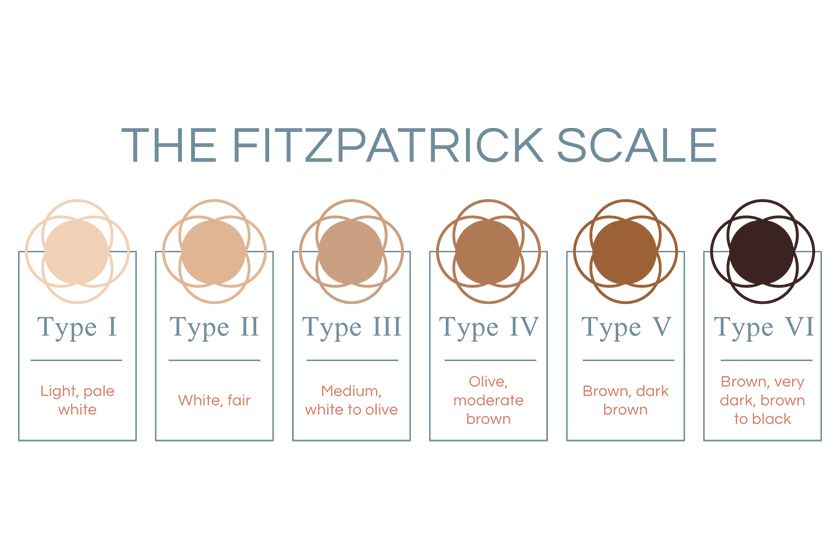
The effectiveness of AI models is heavily dependent on the quality and diversity of the data they are trained on. Unfortunately, historically, many AI datasets, especially in fields like facial recognition and dermatology, have been disproportionately biased towards lighter skin tones. This leads to:
- Algorithmic bias: AI models trained on imbalanced datasets may perform less accurately or even fail when applied to individuals with darker skin tones, leading to misdiagnosis in healthcare, errors in facial recognition, or inadequate personalized product recommendations.
- Exacerbating disparities: If technology doesn’t work equally well for everyone, it risks deepening existing societal inequalities and biases.
Addressing this requires conscious efforts to build diverse and representative datasets that encompass the full spectrum of human skin tones. This means actively collecting data from various ethnic groups and ensuring that AI algorithms are rigorously tested for fairness and accuracy across all populations. Furthermore, ethical guidelines and regulatory frameworks are necessary to ensure that AI in dermatology and cosmetics is developed and deployed responsibly, promoting equity and avoiding discrimination.
The Promise of Precision Dermatology and Beyond
Looking ahead, the convergence of genomics, AI, and advanced imaging promises a future of precision dermatology. This paradigm shift will move from “one-size-fits-all” treatments to highly individualized care, leveraging an individual’s unique genetic makeup, environmental exposures, and physiological responses to optimize skin health.
Future advancements could include:
- Advanced gene therapies: For severe pigmentation disorders like albinism or vitiligo, gene-editing technologies might one day offer precise corrective therapies at the cellular level.
- Bio-engineered skin: For burn victims or individuals with extensive skin damage, bio-engineering holds the potential to create skin grafts that perfectly match an individual’s natural pigmentation.
- Hyper-personalized preventative care: Sophisticated predictive models will allow individuals to understand their skin’s vulnerabilities years in advance, enabling highly targeted preventative strategies against aging, sun damage, and disease.
- Enhanced cosmetic innovation: The beauty industry will continue to push boundaries, offering products that not only match but actively enhance and protect the unique qualities of every skin tone, driven by a deeper, tech-enabled understanding of pigmentation.
The journey to fully comprehend “what determines the color of the skin” is ongoing, driven by relentless technological innovation. From deciphering the genetic code to employing intelligent algorithms and visualizing cellular processes, technology has transformed a superficial observation into a profound scientific inquiry. As we continue to push these frontiers, the challenge and imperative will be to ensure that these powerful tools are used ethically, inclusively, and for the benefit of all humanity, celebrating the incredible diversity that defines us.
aViewFromTheCave is a participant in the Amazon Services LLC Associates Program, an affiliate advertising program designed to provide a means for sites to earn advertising fees by advertising and linking to Amazon.com. Amazon, the Amazon logo, AmazonSupply, and the AmazonSupply logo are trademarks of Amazon.com, Inc. or its affiliates. As an Amazon Associate we earn affiliate commissions from qualifying purchases.