
In a world increasingly powered by miniature marvels and vast digital infrastructures, the seemingly simple concept of “current” underpins almost every technological advancement. While alternating current (AC) often gets the spotlight for its role in delivering power to our homes and cities, direct current (DC) is the quiet, indispensable workhorse that energizes the very devices we interact with daily. From the smartphones in our pockets to the complex servers that run the internet, DC is the foundational electrical force driving innovation.
This article delves into the essence of direct current, exploring its fundamental nature, how it’s generated, its critical applications across various technological domains, and why its relevance is only growing in an ever-electrified future. Understanding DC isn’t just an academic exercise; it’s key to comprehending how modern technology operates, evolves, and continues to shape our connected world.
The Fundamental Nature of Direct Current
At its heart, electricity is the flow of electrons. What distinguishes direct current from its counterpart, alternating current, is the specific manner in which these electrons move. This fundamental difference dictates their respective applications and implications in the vast landscape of technology.
Defining DC: Unidirectional Flow
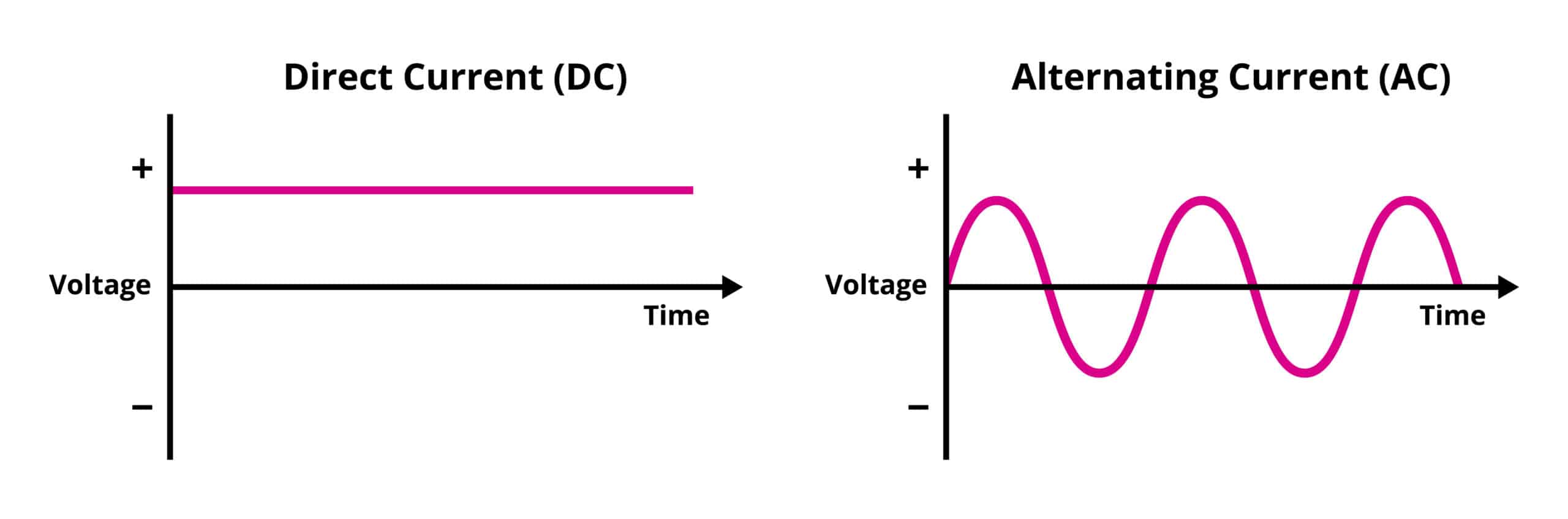
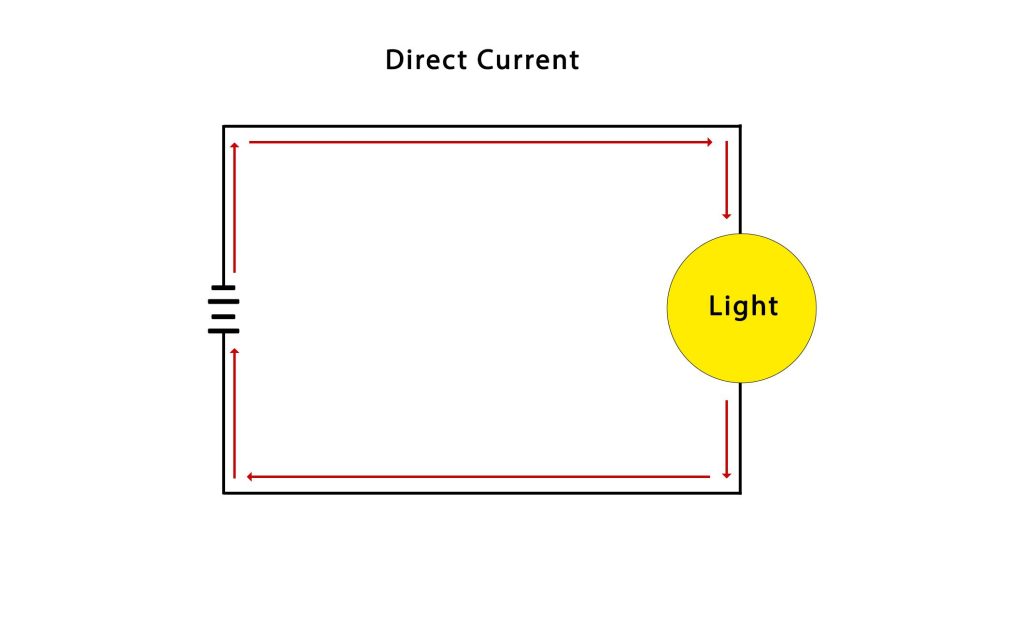
Direct current (DC) is characterized by the unidirectional flow of electric charge. This means that electrons move consistently in a single direction, from a point of higher potential (positive terminal) to a point of lower potential (negative terminal), maintaining a constant polarity over time. Imagine water flowing steadily through a pipe, always in the same direction – that’s analogous to DC. The voltage in a DC circuit remains constant (or nearly constant) with respect to time, providing a stable and predictable electrical supply. This unwavering flow is precisely what makes DC so suitable for sensitive electronic components that require a consistent electrical environment to function correctly. Without this stable, one-way flow, the intricate timing and logic operations within microprocessors and memory chips would be impossible.
Contrasting with Alternating Current (AC)
To fully appreciate DC, it’s helpful to briefly contrast it with alternating current (AC). AC, as its name suggests, involves an alternating or oscillating flow of electric charge. Electrons in an AC circuit periodically reverse direction, and the voltage and current levels fluctuate sinusoidally. The frequency of this oscillation, typically 50 Hz or 60 Hz, means the current changes direction many times per second. While AC is highly efficient for long-distance power transmission through grids due to the ease of transforming voltages using transformers, its fluctuating nature makes it unsuitable for directly powering most electronic devices without conversion. Every device plugged into a wall socket, from your laptop charger to your television, contains internal circuitry that converts the incoming AC power into stable DC power before it reaches the sensitive internal components.
Key Characteristics and Properties
Understanding DC also requires familiarity with its core electrical properties:
- Voltage (V): The electrical potential difference between two points, driving the current. In DC, this voltage is typically constant.
- Current (I): The rate of flow of electric charge, measured in amperes (A). In DC, the current flows steadily in one direction.
- Resistance (R): The opposition to the flow of current, measured in ohms (Ω). All electrical components have some resistance.
- Power (P): The rate at which electrical energy is transferred, calculated as P = V * I, measured in watts (W).
These properties are interconnected by Ohm’s Law (V = I * R), a fundamental principle governing all DC circuits. The simplicity and predictability of these relationships in DC circuits make them relatively straightforward to design and analyze, which is a significant advantage for engineers developing complex electronic systems.
Sources and Generation of DC Power
Unlike AC, which is predominantly generated by large-scale power plants and transmitted across vast distances, DC power is sourced from a variety of mechanisms, often tailored to specific applications or environments. Its generation methods highlight its versatility and fundamental role in diverse technologies.
Batteries: The Portable Powerhouse
Perhaps the most common and intuitive source of DC power is the battery. Batteries convert stored chemical energy directly into electrical energy via electrochemical reactions. This process creates a stable potential difference between their terminals, driving a unidirectional flow of electrons. Batteries are categorized into:
- Primary (Non-rechargeable) Batteries: Such as alkaline batteries (AA, AAA), used in remote controls, flashlights, and simple electronics, where convenience outweighs rechargeability.
- Secondary (Rechargeable) Batteries: Like lithium-ion (Li-ion), nickel-metal hydride (NiMH), and lead-acid batteries, found in smartphones, laptops, electric vehicles, and uninterruptible power supplies (UPS). Their ability to be recharged makes them crucial for portable and sustainable applications.
The constant voltage output of batteries makes them ideal for powering portable electronic devices that demand a reliable and consistent energy supply, independent of a grid connection.
Solar Cells (Photovoltaic): Harnessing Sunlight
Solar cells, or photovoltaic (PV) cells, directly convert light energy into DC electrical energy. This remarkable process leverages the photovoltaic effect in semiconductor materials, typically silicon. When photons from sunlight strike the semiconductor, they dislodge electrons, creating an electrical current. A single solar cell produces a small amount of DC voltage (around 0.5-0.6V), so multiple cells are connected in series and parallel to form solar panels, generating higher voltages and currents suitable for charging batteries or feeding into power inverters. The inherent DC nature of solar power is a key driver behind the growing adoption of renewable energy systems globally.
DC Power Supplies and Rectifiers
Since the vast majority of our residential and commercial grids supply AC power, electronic devices that run on DC require a DC power supply. This essential component transforms incoming AC power into stable DC power. The primary stages of this conversion involve:
- Transformers: To step down the high AC voltage from the mains to a lower, more manageable AC voltage.
- Rectifiers: Circuits, typically employing diodes, that convert the alternating AC waveform into a pulsating DC waveform by allowing current to flow in only one direction.
- Filters: Capacitors and inductors are used to smooth out the ripples in the pulsating DC, creating a more stable DC voltage.
- Voltage Regulators: Integrated circuits or discrete components that maintain a constant output voltage despite fluctuations in the input voltage or load current, ensuring a consistent and clean DC supply for sensitive electronics.
These integrated power supplies are ubiquitous, found in everything from phone chargers and computer power bricks to the internal power systems of TVs and home appliances.
DC Generators
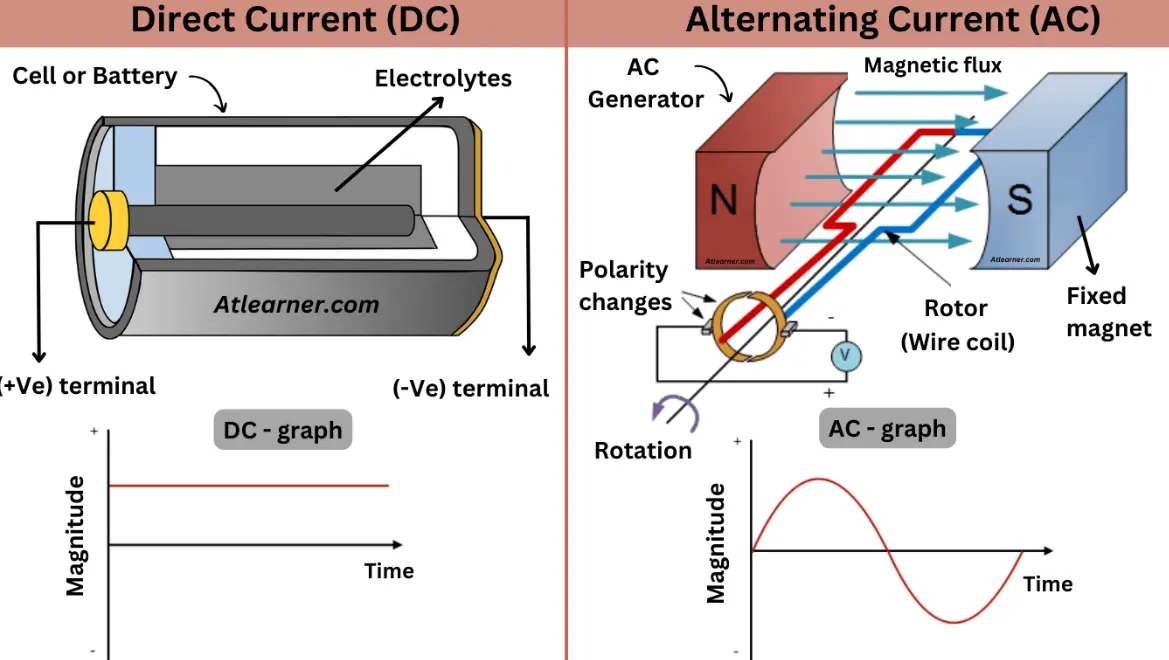
While less common for direct consumer use compared to rectifiers or batteries, DC generators are machines that convert mechanical energy into DC electrical energy through electromagnetic induction. They are primarily used in specific industrial applications, for excitation of larger AC generators, or in specialized transportation systems where robust, high-power DC is required. Historically, early electrical grids utilized DC generators, but the advent of AC transmission largely superseded them for widespread grid distribution due to AC’s advantages in long-distance transmission.
The Indispensable Role of DC in Modern Technology
The prevalence of DC in modern technology is staggering. It is the lifeblood of almost every electronic device, underpinning their functionality and enabling the digital revolution.
Powering Portable Electronics
The most immediate impact of DC is seen in portable electronics. Smartphones, laptops, tablets, smartwatches, wireless headphones, and a myriad of Internet of Things (IoT) devices all rely exclusively on DC power. Their internal circuitry, including microprocessors, memory chips, displays, and sensors, demands a stable, low-voltage DC supply. The integrated rechargeable batteries in these devices, almost universally lithium-ion, are DC sources, and their charging mechanisms involve converting grid AC to DC. This reliance on DC enables compactness, energy efficiency, and portability, making modern life possible on the go.
Automotive and Electric Vehicles
The automotive industry is undergoing a massive transformation, with electric vehicles (EVs) at its forefront. EVs are fundamentally DC-driven machines. Their large battery packs, the heart of the vehicle, are DC energy storage systems. DC motors, known for their torque characteristics and precise control at low speeds, are used in various auxiliary functions, and increasingly, powerful DC-to-AC inverters are used to drive three-phase AC traction motors, highlighting the interplay between AC and DC within complex systems. The entire vehicle’s electronic systems, from infotainment to safety sensors, operate on a low-voltage DC bus. Fast-charging stations for EVs also primarily deliver high-power DC directly to the vehicle’s battery, bypassing the slower onboard AC-to-DC conversion.
Computing and Data Centers
The digital backbone of our world – computers and data centers – are inherently DC environments. Every component inside a computer, from the CPU and GPU to RAM and SSDs, operates on various precise DC voltages (e.g., 3.3V, 5V, 12V). The computer’s power supply unit (PSU) is a sophisticated AC-to-DC converter, meticulously regulating these voltages. In large-scale data centers, the trend is moving towards DC-powered servers and racks. This eliminates multiple AC-DC conversion steps, reducing energy losses and improving overall efficiency, especially as renewable DC sources like solar become more integrated into the energy mix for these facilities.
Renewable Energy Systems
The integration of renewable energy systems like solar and wind power into the grid heavily relies on DC. As mentioned, solar panels inherently produce DC. While wind turbines often generate AC, their control systems and integration with battery storage (which is DC) mean that DC conversion stages are crucial. Energy storage solutions, predominantly large battery banks, operate on DC. Moreover, the efficient long-distance transmission of renewable energy, particularly across continents or between offshore wind farms and mainland grids, is increasingly handled by High-Voltage Direct Current (HVDC) links due to their lower transmission losses compared to AC over long distances.
LED Lighting
LED (Light Emitting Diode) lighting is another ubiquitous technology that fundamentally operates on DC. LEDs are semiconductor devices that emit light when a current flows through them in a specific direction. They require a stable, low-voltage DC supply. LED light bulbs that plug into AC sockets contain built-in miniature AC-to-DC rectifiers and drivers. The efficiency and long lifespan of LED technology are partly attributable to its DC nature, which allows for precise current control and eliminates the flickering associated with AC-driven incandescent or fluorescent lights.
Advantages, Challenges, and Future Trends of DC Technology
While AC has dominated grid infrastructure for over a century, DC boasts unique advantages and is experiencing a significant resurgence, driven by technological advancements and environmental imperatives.
Advantages of DC Systems
The benefits of DC are increasingly recognized across various applications:
- Efficiency for Specific Loads: Many electronic devices inherently run on DC. Using DC power directly eliminates the energy losses associated with multiple AC-DC conversion steps, particularly noticeable in data centers and renewable energy integration.
- Battery Compatibility: Batteries store and supply DC power naturally. DC systems are thus perfectly suited for direct integration with energy storage solutions, essential for grid stability and renewable energy deployment.
- Reduced Electromagnetic Interference (EMI): DC circuits can often produce less EMI compared to AC circuits, which is crucial for sensitive electronic equipment and high-frequency communication systems.
- Precise Control: DC motors offer excellent speed and torque control, which is vital in applications ranging from robotics to industrial machinery.
- HVDC for Long-Distance Transmission: For transmitting large amounts of power over very long distances, especially submarine cables or inter-grid connections, HVDC offers significantly lower transmission losses (no reactive power losses) and better stability compared to AC.
Challenges and Considerations
Despite its advantages, DC presents certain engineering challenges:
- Voltage Conversion Complexity: While AC voltage is easily transformed using simple transformers, converting DC voltage to different levels (step-up or step-down) requires more complex and often less efficient power electronics (DC-DC converters).
- Difficulty in Interrupting Arcs: Breaking a high-power DC circuit is challenging. When a DC circuit is opened, the continuous current flow can sustain a powerful electrical arc, which is harder to extinguish than an AC arc (which naturally extinguishes as the current crosses zero). This requires more sophisticated and robust DC circuit breakers.
- Historical AC Dominance: The existing electrical grid infrastructure is predominantly AC. Shifting towards DC requires significant investment and coordination in redesigning and upgrading infrastructure.
The Resurgence of DC: Microgrids and High-Voltage DC (HVDC) Transmission
The future of electrical power is poised for a significant embrace of DC, driven by several key trends:
- Microgrids and DC-Powered Buildings: As renewable energy sources (solar, batteries) become ubiquitous, the concept of DC microgrids is gaining traction. These localized grids, often independent of the main AC grid, can efficiently manage power generated and consumed in DC form, reducing conversion losses for residential, commercial, and industrial loads. There’s a growing movement towards DC-powered homes and data centers, where appliances and IT equipment receive DC directly, improving overall energy efficiency.
- HVDC for Global Energy Grids: HVDC technology is critical for building a more interconnected and resilient global energy grid. It facilitates long-distance transmission of renewable energy from remote generation sites (e.g., large solar farms in deserts, offshore wind farms) to population centers. HVDC links also allow asynchronous AC grids (grids operating at different frequencies or phases) to be interconnected, enhancing grid stability and allowing power sharing across regions.
- Electrification of Transportation: The continued growth of EVs, electric trains, and even electric aircraft reinforces the central role of DC in future transportation systems.
Conclusion
Direct current, often overshadowed by the more visible AC power of our grids, is undeniably the lifeblood of modern technology. From the smallest chip in a wearable device to the massive battery banks of electric vehicles and the intricate server racks in data centers, DC provides the stable, unidirectional flow of electrons essential for their operation. As we move towards a future dominated by portable electronics, renewable energy, and electrified transportation, the fundamental principles and versatile applications of DC will only grow in importance. Understanding “what DC current” is, therefore, isn’t just about electrical theory; it’s about grasping the very essence of how our technologically advanced world functions and continues to evolve. The quiet workhorse of direct current is poised to play an even more prominent and transformative role in shaping the innovations of tomorrow.
aViewFromTheCave is a participant in the Amazon Services LLC Associates Program, an affiliate advertising program designed to provide a means for sites to earn advertising fees by advertising and linking to Amazon.com. Amazon, the Amazon logo, AmazonSupply, and the AmazonSupply logo are trademarks of Amazon.com, Inc. or its affiliates. As an Amazon Associate we earn affiliate commissions from qualifying purchases.