
The question “What company makes Dr Pepper?” might seem straightforward, yet it delves into a fascinating narrative of brand evolution, strategic corporate maneuvering, and the intricate dance of identity within the highly competitive beverage industry. Dr Pepper, with its distinctive 23-flavor blend, holds a unique position in the pantheon of soft drinks. Its journey, marked by periods of independence, strategic partnerships, and significant mergers, offers a compelling case study in brand management and corporate identity. Understanding its current stewardship is not just about identifying a parent company; it’s about appreciating the strategic decisions that have shaped its market presence, marketing, and the very perception consumers hold of this beloved, enigmatic beverage.
The Curious Case of Dr Pepper’s Brand Ownership
Dr Pepper’s corporate history is anything but simple, reflecting a brand that, for much of its existence, navigated the market with a fiercely independent spirit before finding its place within larger conglomerates. This journey highlights the complexities of maintaining brand essence while adapting to shifting corporate landscapes.
A Legacy of Independence and Strategic Alliances
Originating in Waco, Texas, in 1885, Dr Pepper predates Coca-Cola and boasts a heritage as one of America’s oldest soft drinks. For decades, it operated as an independent entity, focusing on developing its unique flavor profile and building a loyal consumer base. Its independence, however, didn’t preclude strategic alliances. Dr Pepper often found itself bottled and distributed by both Coca-Cola and PepsiCo bottlers, an unusual arrangement that underscored its status as a “flavor franchise” rather than a direct competitor to the cola giants in every market. This dual distribution strategy was a testament to the brand’s unique appeal and the pragmatic approach of its early management to ensure widespread availability without committing to a single dominant distribution network. This period was crucial in cementing Dr Pepper’s distinct brand identity, allowing it to cultivate a loyal following without being overshadowed by the corporate identities of its larger rivals.
The Dr Pepper Snapple Group Era
The early 21st century brought significant consolidation to the beverage industry. In 2008, Cadbury Schweppes PLC spun off its beverage unit, creating the Dr Pepper Snapple Group (DPS). This move was pivotal, establishing an independent, publicly traded company dedicated primarily to non-cola carbonated soft drinks, juices, and other non-carbonated beverages. DPS brought together a diverse portfolio of iconic brands, including 7UP, A&W, Sunkist, Canada Dry, Schweppes, and Mott’s, under one corporate umbrella. For Dr Pepper, this meant being the flagship brand of a company whose core focus was precisely on the segment where Dr Pepper excelled. The creation of DPS allowed for a unified brand strategy, streamlined marketing efforts, and focused investment in a range of “challenger” brands that often competed with the giants of the industry. This era saw Dr Pepper benefiting from a dedicated leadership team focused on enhancing its brand equity, expanding its market reach, and leveraging its distinctive identity more effectively.
The Merger with Keurig Green Mountain
The most recent and perhaps most transformative chapter in Dr Pepper’s corporate identity began in 2018. The Dr Pepper Snapple Group merged with Keurig Green Mountain, a leading producer of coffee brewers and single-serve pods, to form Keurig Dr Pepper (KDP). This merger created a diversified beverage behemoth, uniting the strengths of hot and cold beverages, single-serve coffee systems, and traditional soft drink distribution. The rationale behind this union was to create a “total beverage company” capable of competing across a broader spectrum of consumer needs and consumption occasions. For Dr Pepper, this transition meant becoming a key pillar within an even larger, more complex corporate structure, integrating its brand strategy into a multi-category portfolio that spans everything from morning coffee rituals to afternoon soft drink indulgence.
Keurig Dr Pepper: A Formidable Beverage Powerhouse
Today, Dr Pepper is a cornerstone brand of Keurig Dr Pepper (KDP), a company that has strategically positioned itself as a major player in the North American beverage market. This corporate identity allows Dr Pepper to leverage significant resources and capabilities, shaping its future growth and market penetration.
Synergies of Coffee and Soft Drinks
The merger that formed KDP was predicated on the belief that combining coffee and soft drink portfolios would unlock significant synergies. From a brand perspective, this meant integrating marketing efforts that could speak to a wider range of consumer occasions. Imagine a household where KDP’s Keurig system provides the morning coffee, and its Dr Pepper satisfies an afternoon craving. This diversified brand architecture allows KDP to engage consumers throughout their day, creating a holistic beverage experience. The logistical and distribution benefits are equally compelling; KDP can leverage a single, robust supply chain and sales force to push both hot and cold beverages, maximizing efficiency and market reach. This synergy isn’t just about operational cost savings; it’s about building a brand ecosystem that offers convenience and variety, appealing to modern consumer preferences for integrated solutions.
Portfolio Diversification and Market Reach
KDP’s corporate identity is defined by its extensive and diversified portfolio. Beyond Dr Pepper and the Keurig coffee system, the company owns or licenses over 125 brands, including popular names like Canada Dry, Sunkist, A&W, Schweppes, Mott’s, Green Mountain Coffee Roasters, and Snapple. This broad spectrum of brands mitigates risk and ensures that KDP can adapt to evolving consumer tastes and health trends. If carbonated soft drink sales dip, growth in coffee, water, or juice categories can offset it. For Dr Pepper, being part of such a diverse family means access to unparalleled resources for research and development, marketing campaigns, and distribution channels. The sheer scale of KDP’s operations gives Dr Pepper a formidable presence in retail stores, convenience outlets, and food service establishments across North America, ensuring its availability wherever consumers seek it.
Brand Architecture within KDP
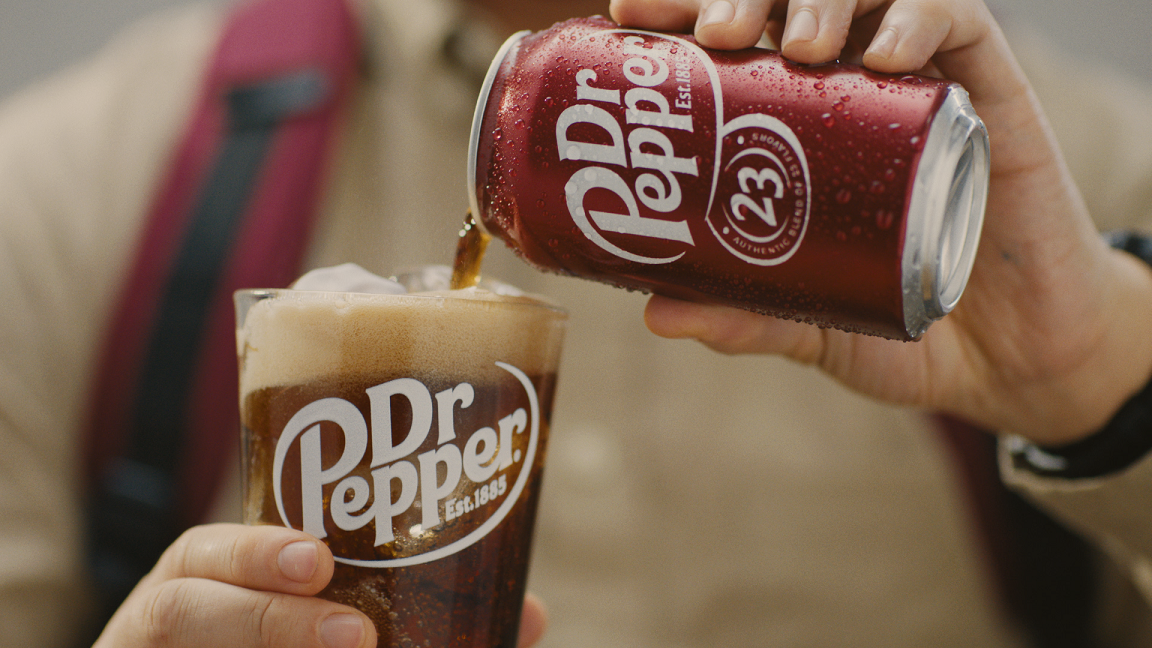
Within KDP’s vast brand architecture, Dr Pepper maintains a distinct and prominent position. It is not merely another product in a long list but a strategic “power brand” that contributes significantly to the company’s revenue and brand equity. KDP employs a well-defined brand strategy that ensures each brand, including Dr Pepper, has its unique voice, target audience, and market positioning while benefiting from the collective strength of the parent company. This means Dr Pepper’s iconic advertising campaigns, its unique flavor story, and its connection with its loyal fanbase are carefully preserved and amplified. KDP’s role is to provide the infrastructure, investment, and strategic direction that allows Dr Pepper to thrive, rather than to dilute its identity. The corporate identity of KDP supports and elevates the individual brand identities within its portfolio.
Strategic Branding and Marketing in a Competitive Landscape
Operating within the Keurig Dr Pepper framework, Dr Pepper leverages sophisticated branding and marketing strategies to maintain its relevance and unique position in a fiercely competitive beverage market. The focus is on reinforcing its distinct identity while navigating dynamic consumer preferences.
Maintaining Dr Pepper’s Unique Brand Voice
Dr Pepper has always cultivated a unique brand voice, often described as quirky, original, and unapologetically different. Its long-standing slogan, “Always One of a Kind,” perfectly encapsulates this positioning. Under KDP, significant effort is made to preserve and amplify this distinct voice across all marketing channels. This means developing advertising campaigns that resonate with its core demographic while also attracting new consumers who appreciate its non-conformist appeal. Unlike the “cola wars” that often pit Coca-Cola and Pepsi against each other, Dr Pepper has carved out a niche as an alternative, a beverage for those who seek something different. Its brand messaging often focuses on individuality, authenticity, and the joy of a unique taste experience. This consistent brand narrative is crucial for maintaining consumer loyalty and differentiating it from the myriad of beverage options available today.
Leveraging Heritage While Innovating
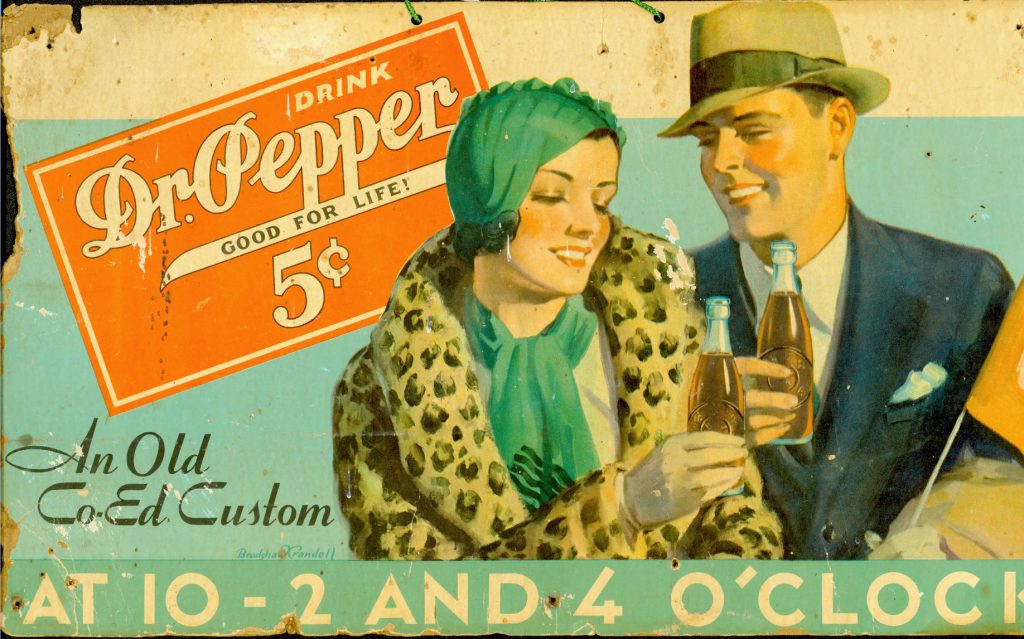
A key aspect of Dr Pepper’s brand strategy is its ability to honor its rich heritage while simultaneously embracing innovation. The brand regularly taps into its historical roots, reminding consumers of its long-standing presence and unique origin. Anniversary campaigns, retro packaging, and storytelling about its 23 flavors are common elements. However, this reverence for the past is balanced with strategic innovation. This includes introducing new flavor variations (e.g., Dr Pepper Cherry, Dr Pepper Cream Soda), experimenting with packaging formats (e.g., smaller cans, multi-packs), and adapting to changing dietary preferences with zero-sugar options. The goal is to keep the brand fresh and exciting for contemporary audiences without abandoning the core identity that has defined it for over a century. KDP provides the resources and market insights to guide these innovations, ensuring they align with broader consumer trends and KDP’s overall beverage strategy.
Distribution and Market Penetration Strategies
As part of Keurig Dr Pepper, Dr Pepper benefits from an incredibly robust distribution network, a critical component of its market penetration strategy. KDP’s extensive reach across North America includes direct store delivery (DSD) for many of its beverages, ensuring products are constantly stocked and visible in grocery stores, convenience stores, and other retail outlets. This DSD model is highly effective for soft drinks, allowing for frequent deliveries, merchandising, and rapid response to market demand. Additionally, KDP leverages its national account relationships to secure prominent placement in restaurants, vending machines, and mass merchandisers. This multi-channel distribution approach ensures Dr Pepper is readily available wherever consumers choose to purchase beverages, from a quick grab-and-go scenario to a weekly grocery shop. The corporate identity of KDP empowers Dr Pepper with a logistical advantage that would be challenging to replicate as an independent entity, contributing significantly to its competitive edge.
The Impact of Corporate Identity on Brand Perception
The transition of Dr Pepper through various corporate structures culminates in its current identity under Keurig Dr Pepper, a relationship that profoundly shapes public perception, guides corporate social responsibility, and dictates the brand’s future trajectory.
Consumer Trust and Brand Loyalty
For many consumers, the specific corporate parent behind a beloved brand might seem abstract, but it subtly influences trust and loyalty. A stable and reputable parent company like Keurig Dr Pepper lends credibility and reassurance to its portfolio brands. Consumers understand that KDP has the resources to ensure consistent quality, innovation, and broad availability of Dr Pepper. This corporate backing helps to reinforce the core brand promise of Dr Pepper itself. When a brand is part of a larger, diversified entity, there’s an implicit promise of longevity and sustained investment, which in turn fosters a deeper sense of reliability and trust among loyalists. KDP’s corporate identity, focused on being a leading total beverage company, communicates a commitment to excellence across its entire product range, which positively reflects on Dr Pepper.
Corporate Social Responsibility and Sustainability Initiatives
The corporate identity of Keurig Dr Pepper extends beyond its products to its broader impact on society and the environment. As a major beverage company, KDP has significant initiatives in corporate social responsibility (CSR) and sustainability. These include commitments to responsible sourcing, reducing packaging waste, improving water stewardship, and promoting diversity and inclusion. When Dr Pepper is marketed, these overarching KDP values are implicitly or explicitly associated with the brand. For example, KDP’s goals for 100% recyclable or compostable packaging by 2025 directly benefit the Dr Pepper brand by aligning it with consumer demands for more sustainable products. This integrated approach to CSR means that Dr Pepper, as a KDP brand, contributes to and benefits from a positive corporate image regarding environmental stewardship and social impact, which is increasingly vital for brand perception and attracting socially conscious consumers.
The Future of the Dr Pepper Brand under KDP
Under the stewardship of Keurig Dr Pepper, the future of the Dr Pepper brand appears robust and dynamic. KDP’s strategy is to grow its iconic brands by investing in marketing, innovation, and expanded distribution. This commitment means Dr Pepper will continue to be a focus for new product development, enhanced marketing campaigns, and strategic market expansion. The corporate identity of KDP as an innovative “total beverage company” means Dr Pepper is positioned to adapt to future beverage trends, whether that involves new formulations, healthier options, or different consumption experiences. The integration with Keurig’s hot beverage system also opens avenues for cross-promotional strategies and shared consumer insights, potentially leading to novel branding opportunities. Ultimately, KDP provides the comprehensive framework and visionary leadership necessary for Dr Pepper to not only maintain its “One of a Kind” status but also to evolve and thrive for generations to come, securing its legacy as a beloved and enduring beverage icon.
aViewFromTheCave is a participant in the Amazon Services LLC Associates Program, an affiliate advertising program designed to provide a means for sites to earn advertising fees by advertising and linking to Amazon.com. Amazon, the Amazon logo, AmazonSupply, and the AmazonSupply logo are trademarks of Amazon.com, Inc. or its affiliates. As an Amazon Associate we earn affiliate commissions from qualifying purchases.