
In an increasingly interconnected yet paradoxically fragmented world, effective communication stands as the bedrock of any successful brand. It is the invisible architecture that supports brand identity, fosters customer loyalty, and drives market penetration. Yet, myriad communication barriers constantly threaten to dismantle this architecture, distorting messages, eroding trust, and ultimately stifling growth. Understanding these barriers, from the subtle nuances of internal discourse to the complexities of global market engagement, is not merely an academic exercise but a strategic imperative for any brand aiming for enduring success.
This article delves into the multifaceted nature of communication barriers, exploring their manifestations across internal, external, and digital brand landscapes. We will uncover how these impediments can derail brand strategy, dilute corporate identity, and undermine marketing efforts, offering insights into how brands can proactively identify, mitigate, and ultimately overcome these challenges to forge stronger connections with all stakeholders.

Internal Communication: The Foundation of Brand Cohesion
A brand is not solely defined by its external facade; its true strength emanates from within. Internal communication, often overlooked in the pursuit of outward-facing campaigns, is critical for cultivating a unified culture, aligning employees with brand values, and ensuring consistent delivery of the brand promise. When internal communication falters, the ripple effects can be devastating, leading to operational inefficiencies, a disengaged workforce, and ultimately, a fractured brand identity.
Siloed Departments and Lack of Cross-Functional Synergy
One of the most prevalent internal communication barriers is the existence of departmental silos. In large organizations, teams often operate in isolation, focusing exclusively on their own objectives without a holistic understanding of the brand’s overarching mission. This fragmentation leads to a lack of cross-functional synergy, where departments like marketing, sales, product development, and customer service fail to share vital information, collaborate effectively, or even understand each other’s roles.
For a brand, this means that a new product launch might lack integrated messaging because the marketing team wasn’t fully aware of the product development challenges, or customer service might be ill-equipped to handle queries because they weren’t adequately briefed by the sales team. The customer experience becomes inconsistent, and the brand’s internal processes become inefficient, directly impacting its ability to deliver on its promises. A disjointed internal narrative inevitably translates into a disjointed external brand perception, undermining corporate identity and marketing efforts.
Inconsistent Messaging and Brand Voice
Another significant internal barrier is the proliferation of inconsistent messaging and a fragmented brand voice. When different departments, or even different individuals within the same department, communicate about the brand using varying language, tone, or emphasis, it creates confusion. This inconsistency can stem from a lack of clear brand guidelines, insufficient training, or a failure to regularly update employees on brand developments and strategic shifts.
The impact on a brand is profound. Employees, who are often the most potent brand ambassadors, may inadvertently contradict each other, leading to a diluted and uncertain brand image. If employees themselves are unclear about the brand’s core values, mission, or unique selling proposition, how can they effectively communicate it to customers? This internal dissonance makes it challenging for marketing teams to craft a unified message, for sales teams to articulate a consistent value proposition, and for the entire organization to project a cohesive corporate identity. The brand’s narrative loses its power, becoming a cacophony rather than a symphony.
Leadership Disconnect and Employee Engagement
Effective internal communication is fundamentally driven from the top down. A significant barrier arises when there is a disconnect between leadership and the broader employee base. If leaders fail to communicate strategic decisions, provide regular feedback, or engage transparently with their teams, it can breed distrust, disengagement, and a lack of motivation. Employees who feel unheard or uninformed are less likely to be invested in the brand’s success or to champion its values.
This leadership disconnect often manifests as a “tell, don’t ask” approach, where communication is purely directive rather than collaborative. It can also stem from an inability of leaders to articulate a compelling vision or to translate abstract goals into actionable steps for their teams. For a brand, this means that employee advocacy—a powerful, organic form of marketing—is significantly diminished. A disengaged workforce is less productive, less innovative, and less likely to deliver exceptional customer experiences, all of which directly impair the brand’s reputation and long-term viability. The brand’s “face” to the world, its employees, become less authentic and less enthusiastic representatives.
External Communication: Shaping Perception and Customer Loyalty
While internal communication builds the brand from within, external communication projects it outward, shaping public perception, attracting customers, and fostering loyalty. Barriers in external communication can prevent a brand from connecting with its target audience, differentiating itself from competitors, and effectively conveying its value proposition.
Jargon and Complexity in Brand Messaging
One of the most common external communication barriers is the overuse of industry jargon, technical terms, or overly complex language in brand messaging. While companies often aim to showcase their expertise, speaking “in-house” can alienate potential customers who may not share the same specialized vocabulary. This barrier is particularly prevalent in tech, finance, and specialized B2B industries, but it can affect any brand that fails to simplify its message for its intended audience.
When marketing materials, website content, or advertising campaigns are laden with impenetrable terminology, consumers become confused, disengaged, and often, distrustful. They struggle to understand the product’s benefits, the service’s value, or the brand’s core identity. This barrier prevents effective communication of the brand’s unique selling proposition, making it difficult for the brand to stand out in a crowded marketplace. The result is often missed sales opportunities, a diluted brand image, and a perception that the brand is either out of touch or intentionally obscure. Simplifying language and focusing on clear, benefit-oriented communication is paramount for a brand to resonate with a broad audience.
Misaligned Channels and Audience Segments
Another critical barrier arises when a brand’s communication channels are misaligned with its target audience segments. In today’s fragmented media landscape, consumers interact with brands across a multitude of platforms—social media, email, traditional advertising, influencer marketing, podcasts, and more. A brand that primarily communicates via traditional print ads might completely miss a younger, digitally native demographic, while one that relies solely on TikTok might fail to reach an older, more established clientele.
Moreover, the type of content and tone of voice must be tailored to each channel and audience segment. Broadcasting the same message across all platforms, regardless of their intrinsic characteristics or the audience’s expectations, is a recipe for inefficiency and disengagement. This misalignment leads to wasted marketing spend, low engagement rates, and a failure to build meaningful connections. For a brand to achieve true market penetration and build customer loyalty, it must meticulously identify where its target audience spends their time and then craft relevant, platform-specific content that speaks directly to their needs and interests. A scattergun approach dilutes the brand’s impact and prevents it from building a coherent and engaging narrative.
Cultural Nuances and Global Brand Expansion
As brands increasingly look to expand globally, cultural nuances present a formidable communication barrier. What might be perfectly acceptable, or even endearing, in one culture can be offensive or nonsensical in another. This extends beyond literal translation errors to include differences in non-verbal communication, color symbolism, humor, social etiquette, and even conceptual frameworks.
Failure to understand and adapt to these cultural subtleties can lead to catastrophic marketing blunders, damaging a brand’s reputation and alienating entire markets. A brand’s corporate identity, which is often deeply rooted in its origin culture, must be carefully adapted without losing its essence. Case studies abound of brands that have failed to conduct thorough cultural due diligence, resulting in campaigns that are either ignored or actively rejected. Navigating this barrier requires deep cultural intelligence, local market expertise, and a willingness to adapt brand messaging, design elements, and even product offerings to resonate authentically with diverse global audiences, while maintaining a core brand identity that is universally understood.
Digital Communication: Navigating the Modern Landscape
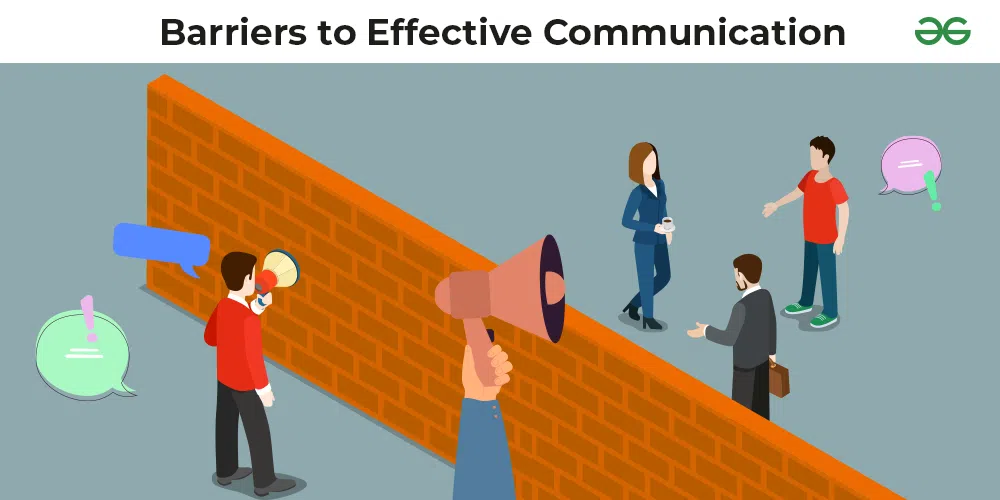
The digital age has revolutionized communication, offering unprecedented opportunities for brands to connect with customers in real-time. However, it has also introduced a new set of complex barriers, from information overload to the challenges of managing online reputation. Brands must master the intricacies of digital communication to remain relevant and competitive.
Information Overload and Attention Deficit
The digital landscape is characterized by an overwhelming deluge of information. Every day, consumers are bombarded with countless advertisements, social media posts, emails, and notifications. This constant barrage creates a significant communication barrier: information overload, leading to a collective attention deficit. Brands are now competing not just with direct competitors but with every other piece of digital content for a fleeting moment of a consumer’s attention.
For a brand, this means that even well-crafted messages can get lost in the noise. Consumers have become adept at filtering, ignoring, and scrolling past content that doesn’t immediately capture their interest. This barrier challenges traditional marketing strategies, demanding that brands be exceptionally concise, visually engaging, and highly relevant to break through the clutter. It necessitates a deep understanding of audience psychology and digital content consumption habits. Brands must craft messages that are not only clear but also compelling enough to stand out in a hyper-competitive attention economy, otherwise their brand message simply evaporates into the digital ether, failing to make any lasting impression or contribute to corporate identity.
Lack of Personalization and Authentic Engagement
In an era of advanced data analytics and AI, a significant digital communication barrier is the failure to deliver personalized experiences and foster authentic engagement. Generic, one-size-fits-all digital campaigns often fall flat because consumers expect brands to understand their individual preferences, needs, and past interactions. When communication feels impersonal or automated, it creates a sense of detachment, eroding trust and reducing the likelihood of meaningful connection.
Brands that treat their customers as mere data points rather than individuals miss a crucial opportunity to build loyalty. The lack of personalization in email marketing, social media responses, or website experiences can make a brand seem aloof or uncaring. Furthermore, true engagement goes beyond simply broadcasting messages; it involves active listening, responding thoughtfully, and participating in two-way conversations. Brands that fail to engage authentically risk appearing disingenuous or inaccessible, damaging their brand image and missing opportunities for valuable customer feedback that could inform future marketing and design choices.
Crisis Communication and Reputation Management in Real-Time
The real-time nature of digital communication presents both opportunities and profound challenges, particularly in crisis communication and reputation management. A single negative customer experience, a controversial statement, or an unforeseen event can rapidly escalate into a full-blown public relations crisis, amplified by the speed and reach of social media. The digital landscape often allows little room for error and demands immediate, transparent, and empathetic responses.
A significant communication barrier here is the inability to respond quickly, accurately, and consistently across all digital channels during a crisis. Delays, conflicting messages from different departments, or a tone that appears defensive rather than apologetic can irreparably damage a brand’s reputation and corporate identity. Brands must have robust digital crisis communication plans in place, including designated spokespersons, pre-approved statements, and monitoring tools to track sentiment. Failure to navigate digital crises effectively can lead to severe financial repercussions, loss of consumer trust, and a long-lasting negative brand perception that can take years, if not decades, to repair.
Overcoming Barriers: Strategies for Enhanced Brand Communication
Recognizing communication barriers is the first step; strategically overcoming them is the path to building a resilient and successful brand. Brands must adopt a holistic approach, integrating communication best practices into every facet of their operation, from internal culture to external marketing strategies.
Developing a Unified Brand Communication Strategy
The cornerstone of overcoming communication barriers is the development and consistent application of a unified brand communication strategy. This strategy should encompass clear brand guidelines, including messaging frameworks, tone of voice, visual identity standards, and an overarching narrative that defines the brand’s purpose, values, and unique selling proposition. These guidelines must be shared, understood, and adhered to by every employee, department, and external partner involved in communicating on behalf of the brand.
A unified strategy ensures that all communication—whether it’s a marketing campaign, a customer service interaction, an internal memo, or a press release—speaks with one consistent voice. This consistency builds trust, reinforces brand recognition, and strengthens corporate identity. Regular training sessions and accessible resources can help employees internalize these guidelines, transforming them into authentic brand advocates who can articulate the brand’s message clearly and consistently.
Fostering a Culture of Openness and Feedback
To dismantle internal communication silos and address leadership disconnects, brands must actively foster a culture of openness, transparency, and continuous feedback. This involves creating channels for employees to share ideas, voice concerns, and receive regular updates from leadership. Tools like internal newsletters, town hall meetings, anonymous suggestion boxes, and robust intranet platforms can facilitate two-way communication.
Leaders must actively listen, acknowledge feedback, and demonstrate how employee input contributes to brand strategy and decision-making. This participatory approach not only boosts employee engagement and morale but also provides invaluable insights from those on the front lines, helping to refine brand messaging and improve operational efficiency. A culture that values open dialogue ensures that communication flows freely across all levels and departments, cementing a cohesive corporate identity that is genuinely felt and expressed by everyone within the organization.
Leveraging Technology for Clarity and Reach
Technology, while sometimes a source of communication challenges, is also a powerful tool for overcoming them. Brands should strategically leverage digital platforms and communication technologies to enhance clarity, broaden reach, and facilitate engagement. This includes utilizing project management software to improve cross-functional collaboration, CRM systems to personalize customer interactions, and analytics tools to understand audience behavior and optimize message delivery.
For external communication, investing in user-friendly websites, engaging social media platforms, and responsive customer support chatbots can significantly improve accessibility and customer experience. For internal communication, platforms that allow for seamless information sharing, virtual meetings, and knowledge management can break down geographical and departmental barriers. The key is to choose and implement technologies that simplify, clarify, and enhance communication, rather than adding layers of complexity, ensuring that the brand’s marketing and design efforts are supported by efficient tools.
Investing in Training and Cross-Cultural Competence
Addressing the complexities of jargon, inconsistent messaging, and cultural nuances requires a sustained investment in training and development. For external communication, marketing and sales teams should receive training on simplifying complex information, adapting messages for different channels, and utilizing storytelling techniques to make the brand narrative more compelling.
For brands with global aspirations, cross-cultural competence training is indispensable. This goes beyond language lessons to include education on cultural sensitivities, communication styles, and local market dynamics. Empowering employees with the knowledge and skills to navigate diverse cultural contexts ensures that brand messaging is not only accurately translated but also culturally appropriate and resonant. This proactive approach minimizes the risk of miscommunication, strengthens brand reputation in new markets, and contributes to the brand’s overall strategic success.

Conclusion
Communication barriers, whether they manifest internally as silos and leadership disconnects or externally as jargon-laden messages and cultural missteps, pose a constant threat to a brand’s vitality. They can dilute corporate identity, undermine marketing effectiveness, and erode the trust that is fundamental to customer loyalty.
However, by proactively identifying these impediments and implementing strategic solutions—such as developing a unified communication strategy, fostering a culture of openness, leveraging technology judiciously, and investing in continuous training—brands can transform these challenges into opportunities. Mastering the art of clear, consistent, and empathetic communication is not just about avoiding pitfalls; it is about building a robust, authentic, and resonant brand that connects deeply with all its stakeholders, ensuring sustained growth and enduring success in an ever-evolving marketplace. The brand that communicates effectively is the brand that thrives.
aViewFromTheCave is a participant in the Amazon Services LLC Associates Program, an affiliate advertising program designed to provide a means for sites to earn advertising fees by advertising and linking to Amazon.com. Amazon, the Amazon logo, AmazonSupply, and the AmazonSupply logo are trademarks of Amazon.com, Inc. or its affiliates. As an Amazon Associate we earn affiliate commissions from qualifying purchases.