
For centuries, the world through a dog’s eyes remained largely a mystery, a subject of anecdotal observation and educated guesswork. The popular myth of dogs seeing only in black and white persisted, shaping our understanding and even the products we designed for our canine companions. However, in an era defined by rapid technological advancement, our capacity to peer into the biological mechanisms of perception has evolved dramatically. Today, sophisticated tech tools, from advanced imaging and AI to specialized software and behavioral tracking, are not only debunking old myths but are also providing unprecedented insights into the vibrant (or not so vibrant) world as perceived by our four-legged friends. This article delves into how technology illuminates canine color vision, detailing the tools that have unlocked these secrets and the innovations emerging from this deeper understanding.
The Science Behind Canine Color Perception and Technological Discovery
Understanding what colors dogs see begins at the biological level, examining the intricate design of the canine eye. Technology has been instrumental in dissecting this biological hardware and observing its function, moving beyond mere observation to precise measurement and simulation.
Retinal Structures and Photoreceptors: Understanding the Biological Hardware
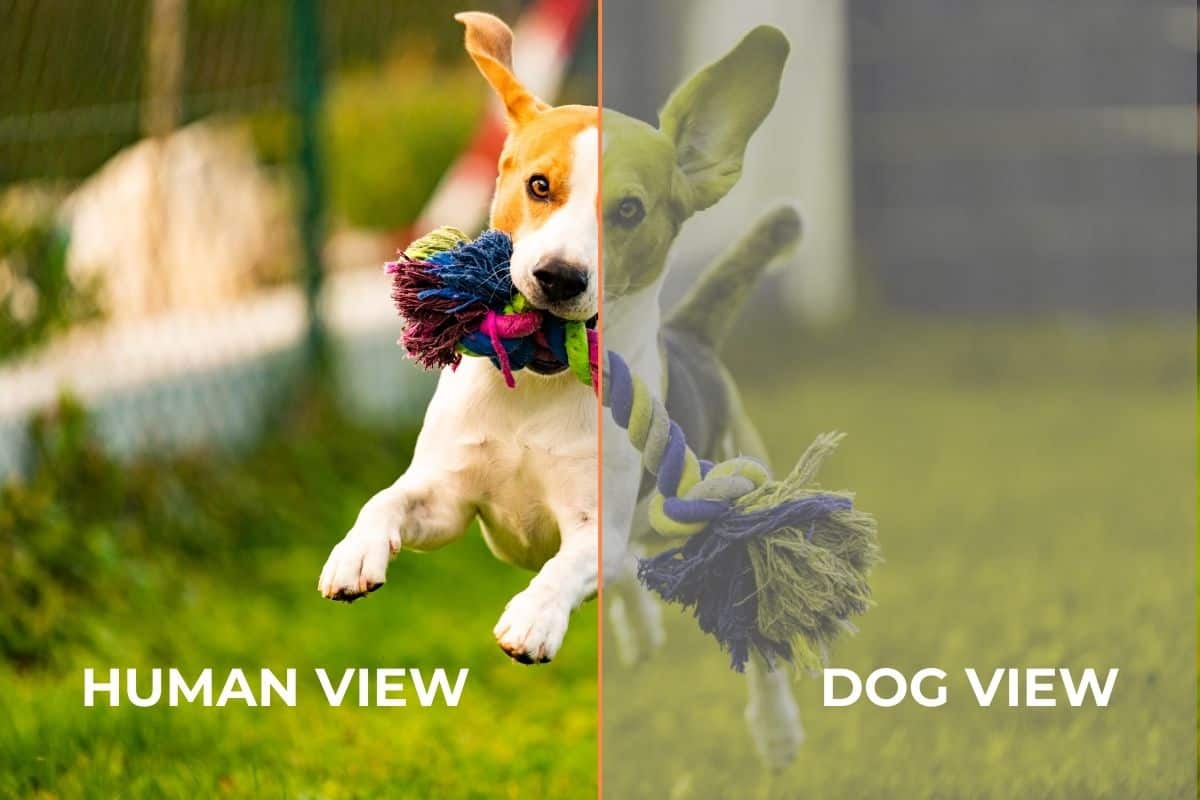
At the heart of color vision are photoreceptor cells in the retina: rods and cones. Rods are responsible for low-light vision and motion detection, while cones mediate color perception. Humans are trichromatic, possessing three types of cones sensitive to red, green, and blue light wavelengths. Dogs, however, are dichromatic, meaning they primarily have two types of cones. Early hypotheses about canine vision were often based on comparative anatomy and an understanding of human vision.
Modern optogenetic techniques, facilitated by advanced microscopy and gene sequencing, allow researchers to identify and characterize these photoreceptor types with remarkable precision. By analyzing retinal biopsies with high-resolution electron microscopes and using molecular biology tools to map genetic expressions related to opsins (the light-sensitive proteins in cones), scientists have confirmed that dogs possess cones sensitive to blue-violet and yellow-green light wavelengths. This scientific groundwork, heavily reliant on biochemical and imaging technologies, formed the basis for understanding the canine “color spectrum.”
Early Research Methods: From Behavioral Tests to Electrophysiology
Before the advent of complex digital simulations, scientists relied on ingenious, albeit labor-intensive, methods to probe canine vision. Early behavioral studies, often employing operant conditioning techniques, involved training dogs to distinguish between different colored stimuli to receive a reward. While effective, these methods were time-consuming and prone to observer bias.
The leap came with electrophysiological techniques. By implanting fine electrodes into the retina or visual cortex of anesthetized animals, researchers could measure the electrical responses of neurons to different light stimuli. Electroretinography (ERG), for instance, uses a contact lens electrode to measure the mass electrical response of the retina to light. Advanced ERG systems, coupled with digital signal processing algorithms, allowed for quantitative analysis of retinal sensitivity to various wavelengths, providing objective evidence of a dichromatic vision system in dogs. These technologies provided the first direct physiological evidence that dogs indeed perceive colors, albeit a more limited palette than humans.
Modern Imaging Techniques: Unveiling the Ocular World
The revolution in medical imaging has profoundly impacted our understanding of animal physiology, including vision. Techniques like Optical Coherence Tomography (OCT) provide non-invasive, cross-sectional imaging of the retina, allowing for detailed visualization of photoreceptor layers and their distribution. Functional Magnetic Resonance Imaging (fMRI), traditionally used in human neuroscience, has been adapted for animal studies, albeit with significant challenges related to animal cooperation. When successful, fMRI can map brain activity in response to visual stimuli, indicating which areas of the canine brain are activated by different colors or patterns.
Furthermore, adaptive optics (AO) imaging, originally developed for astronomy to correct atmospheric distortions, is now being applied to living eyes. AO systems can correct for optical aberrations in the eye, allowing for unprecedented resolution of individual photoreceptor cells in the living retina. This cutting-edge technology offers the potential to visualize the density and arrangement of cone types in dogs without invasive procedures, pushing the boundaries of what we can see within a living eye.
Simulating Canine Vision: AI, Algorithms, and Digital Tools
With a firm understanding of the biological and physiological underpinnings, the next frontier involves simulating canine vision. This allows humans to “see” the world as a dog does, fostering empathy and informing product design. This is where computational technology truly shines.
Software Applications for Vision Simulation
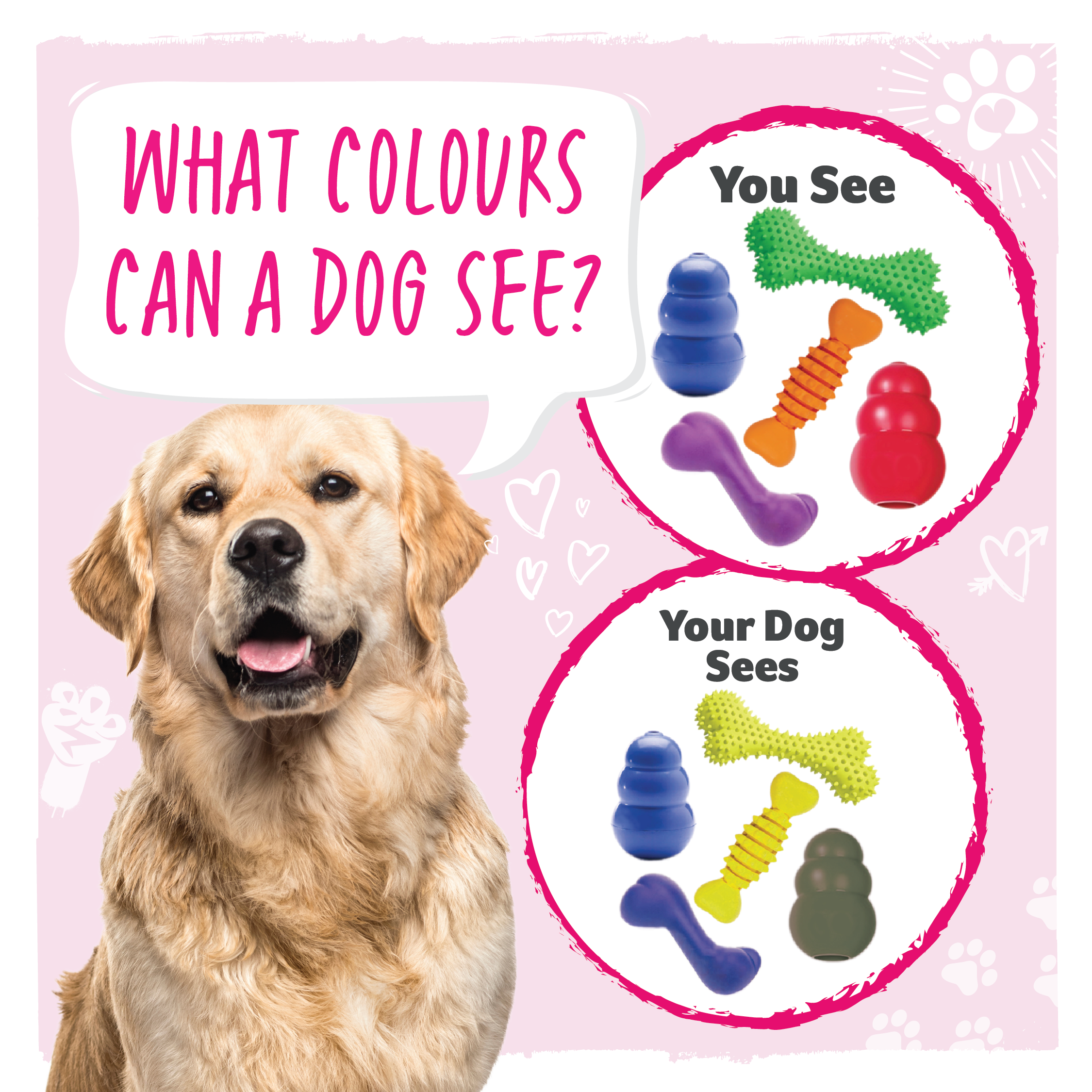
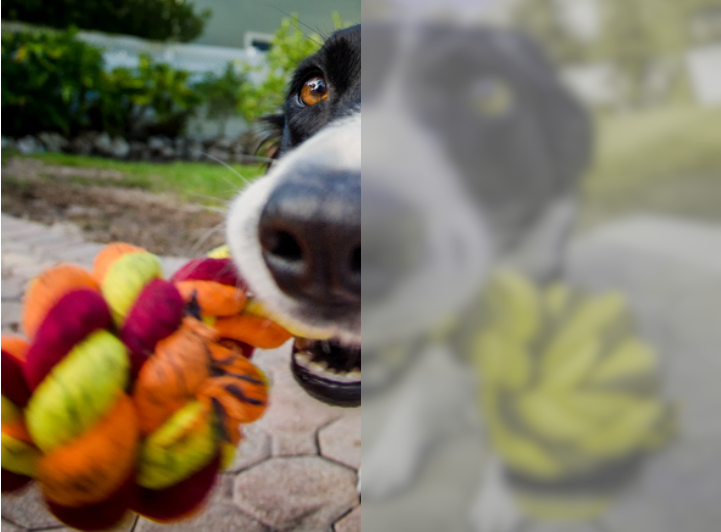
Based on the known spectral sensitivities of canine cones, specialized software algorithms have been developed to transform human-centric images into canine-centric ones. These applications typically adjust the color channels of an image to mimic dichromatic vision. For instance, they might merge the red and green channels into a single “yellow” spectrum while preserving the blue channel, reflecting the dog’s blue-yellow primary color perception.
Numerous online tools and smartphone apps now exist that allow users to upload photos or use their device’s camera to see their surroundings through a dog’s eyes. These tools, while simplified for user accessibility, are built upon complex color transformation matrices derived from scientific data. They serve as engaging educational resources and practical tools for pet owners and designers alike.
AI and Machine Learning in Understanding Animal Perception
Artificial intelligence and machine learning are poised to take vision simulation to the next level. Convolutional Neural Networks (CNNs), a type of AI particularly adept at image recognition, can be trained on vast datasets of visual stimuli and corresponding canine behavioral responses. While direct subjective experience remains elusive, AI can learn to predict how a dog might respond to certain visual cues based on its known perceptual capabilities.
Future AI models could integrate even more data points, including pupil dilation, gaze tracking (using eye-tracking hardware), and neurological responses, to create more nuanced and predictive models of canine visual processing. Imagine an AI that not only simulates the colors a dog sees but also predicts which visual elements are most salient to them based on their species-specific attention biases and sensory integration.
Virtual and Augmented Reality for Experiential Insights
Virtual Reality (VR) and Augmented Reality (AR) offer immersive platforms for experiencing simulated canine vision. VR headsets, equipped with custom-developed software that applies dichromatic filters and adjusts spatial resolution to match canine visual acuity, can create a truly immersive experience of “seeing like a dog.” This allows researchers, veterinarians, and pet product developers to walk through a simulated environment and directly assess how a dog might perceive it.
AR applications, by overlaying simulated canine vision filters onto real-time camera feeds, provide a more immediate and interactive way to observe the actual environment through a dog’s visual perspective. These technologies go beyond static images, offering dynamic, real-time insights that can inform the design of dog parks, training spaces, or even interactive dog toys.
Tech Innovations Guided by Dog Vision Insights
The knowledge gleaned from technological investigations into canine color vision is not merely academic; it has profound implications for developing better products and environments for dogs. Tech innovations are increasingly leveraging this understanding.
Smart Devices and Gadgets for Canine Enrichment
Understanding that dogs see primarily in shades of blue, yellow, and grey profoundly impacts the design of visual stimuli in pet products. Smart toys and interactive gadgets for dogs are now being developed with color palettes optimized for canine vision. For example, toys designed to be visually stimulating might prioritize blues and yellows over reds and greens, which appear as muted grays to dogs.
Furthermore, dog cameras with built-in displays and smart feeders that project visual games or puzzles can incorporate color schemes that are more discernible and engaging for dogs. The integration of AI-powered cameras that can recognize a dog’s gaze or attention allows these devices to adapt their visual output in real-time, making interactions more dynamic and meaningful for the pet.
Designing Visually Engaging Apps and Digital Content for Pets
The rise of “pet entertainment” and “pet therapy” apps underscores the need for visually appropriate digital content. Developers of apps for pet owners (which might include features like video calls with pets) and dedicated pet entertainment channels can leverage canine vision science to design more effective visual elements. This includes using contrasting blue and yellow hues for text and graphics, or ensuring that critical visual cues in training videos are not lost in the dog’s limited color spectrum.
Wearable cameras for dogs (e.g., GoPro mounts) can capture their point of view, and post-processing software can then render these videos in simulated canine vision, offering pet owners a glimpse into their dog’s daily visual experiences. This creates a new avenue for understanding and bonding, facilitated entirely by digital tools.
Pet-Centric Display Technologies and User Interfaces
As homes become smarter, and our pets become more integrated into our digital lives, there’s a growing need for pet-centric user interfaces. Imagine a smart home display that can switch to a “dog mode,” optimizing visuals for canine perception. This could involve larger icons, higher contrast, and color schemes (blues and yellows) that are easily distinguishable by a dog when they interact with a paw-activated screen or voice-command system.
Furthermore, digital signage in pet-friendly establishments (e.g., veterinary clinics, pet stores) can be designed with dog vision in mind. Rather than relying on red-green signals, which might be invisible, critical information or engaging visuals could utilize bright blue and yellow elements to catch a dog’s attention and potentially reduce stress in unfamiliar environments.
The Future of Canine Vision Research: Advanced Tech and Ethical Considerations
The journey into understanding canine vision is far from over. Future technological advancements promise even deeper insights, while also raising important ethical considerations.
Neuro-tech and Brain-Computer Interfaces in Animal Studies
The cutting edge of neuroscience includes neuro-tech and brain-computer interfaces (BCIs). While highly experimental and ethically sensitive in animals, future iterations might offer unprecedented windows into an animal’s subjective experience. Imagine a non-invasive BCI that could decode neural patterns related to visual perception, potentially translating a dog’s “visual thoughts” or preferences into a human-readable format. This remains largely speculative but highlights the extreme potential of technological convergence.
Less invasively, advanced eye-tracking technologies combined with AI analysis could infer cognitive states and visual attention patterns more accurately. By monitoring where a dog looks, for how long, and under what conditions, we can build more comprehensive models of their visual world, including their sensitivity to motion, depth, and specific visual cues.
Big Data and Collaborative Research Platforms
The accumulation of data from various technological sources – behavioral studies, physiological measurements, imaging, and simulations – will necessitate big data analytics. Cloud-based collaborative research platforms will allow scientists worldwide to share data, algorithms, and findings, accelerating the pace of discovery. Machine learning algorithms can then sift through these massive datasets to identify subtle patterns and correlations that might escape human observation, leading to breakthroughs in understanding the nuances of canine visual processing. This collective intelligence, empowered by technology, will be crucial.
Ethical AI and Responsible Tech Development for Animals
As we develop more sophisticated technologies to understand and interact with animal senses, ethical considerations become paramount. The development of ethical AI frameworks for animal research and product development is crucial. This includes ensuring that technologies designed for pets truly enhance their well-being, avoid causing distress, and are implemented with transparency and accountability. Future tech in canine vision will need to balance scientific curiosity and commercial innovation with a deep commitment to animal welfare, ensuring that the insights gained from technology are used responsibly to enrich the lives of our canine companions.
In conclusion, what colors dogs see is no longer a mystery shrouded in myth, but a scientifically understood reality, brought to light and continuously refined by an array of powerful technologies. From detailed biological imaging to sophisticated AI simulations and pet-centric smart devices, technology has transformed our understanding of canine vision, bridging the gap between human and animal perception and paving the way for a more visually enriched world for our beloved dogs.
aViewFromTheCave is a participant in the Amazon Services LLC Associates Program, an affiliate advertising program designed to provide a means for sites to earn advertising fees by advertising and linking to Amazon.com. Amazon, the Amazon logo, AmazonSupply, and the AmazonSupply logo are trademarks of Amazon.com, Inc. or its affiliates. As an Amazon Associate we earn affiliate commissions from qualifying purchases.