
The vibrant green that dominates our terrestrial landscapes is far from arbitrary; it’s a profound visual cue to one of the most critical biochemical processes on Earth: photosynthesis. At its heart lies chlorophyll, a pigment whose remarkable ability to capture specific wavelengths of light fuels life itself. While this might seem like a purely biological phenomenon, the question of “what colors do chlorophyll absorb” has become a cornerstone for a vast array of technological innovations, driving advancements in fields from agriculture to environmental science, all powered by sophisticated data acquisition and analysis tools.
Understanding chlorophyll’s light absorption spectrum isn’t just academic curiosity; it’s the gateway to decoding the health, stress, and productivity of plant life on an unprecedented scale. Through the lens of technology, we can now move beyond simple observation, employing advanced sensors, artificial intelligence, and big data analytics to gain insights that were once unimaginable. This article delves into how technology is revolutionizing our understanding and application of chlorophyll’s light absorption properties, transforming how we interact with and manage our planet’s green infrastructure.
The Fundamental Science Reimagined for Tech
At its core, chlorophyll’s function is elegantly simple: absorb light energy and convert it into chemical energy. However, the precise wavelengths it prefers and rejects are what make it a powerful indicator for technological applications.
Photosynthesis: A Data-Rich Biological Process
Photosynthesis is a complex, multi-stage process where plants, algae, and some bacteria convert light energy into chemical energy, primarily in the form of sugars. This conversion is initiated by light-absorbing pigments, predominantly chlorophyll a and chlorophyll b. While the process itself is biological, the inputs (light, CO2, water) and outputs (O2, glucose) can be meticulously measured and modeled using technology. Every environmental factor influencing photosynthesis—temperature, water availability, nutrient levels, and light intensity—leaves a measurable signature on the plant’s light absorption and reflection patterns. For tech developers, these signatures represent invaluable data points that can be captured, transmitted, and analyzed. Understanding photosynthesis in a data-rich context means treating plant physiology as a complex system ripe for algorithmic interpretation.
The Spectrum of Light: Identifying Key Absorption Bands
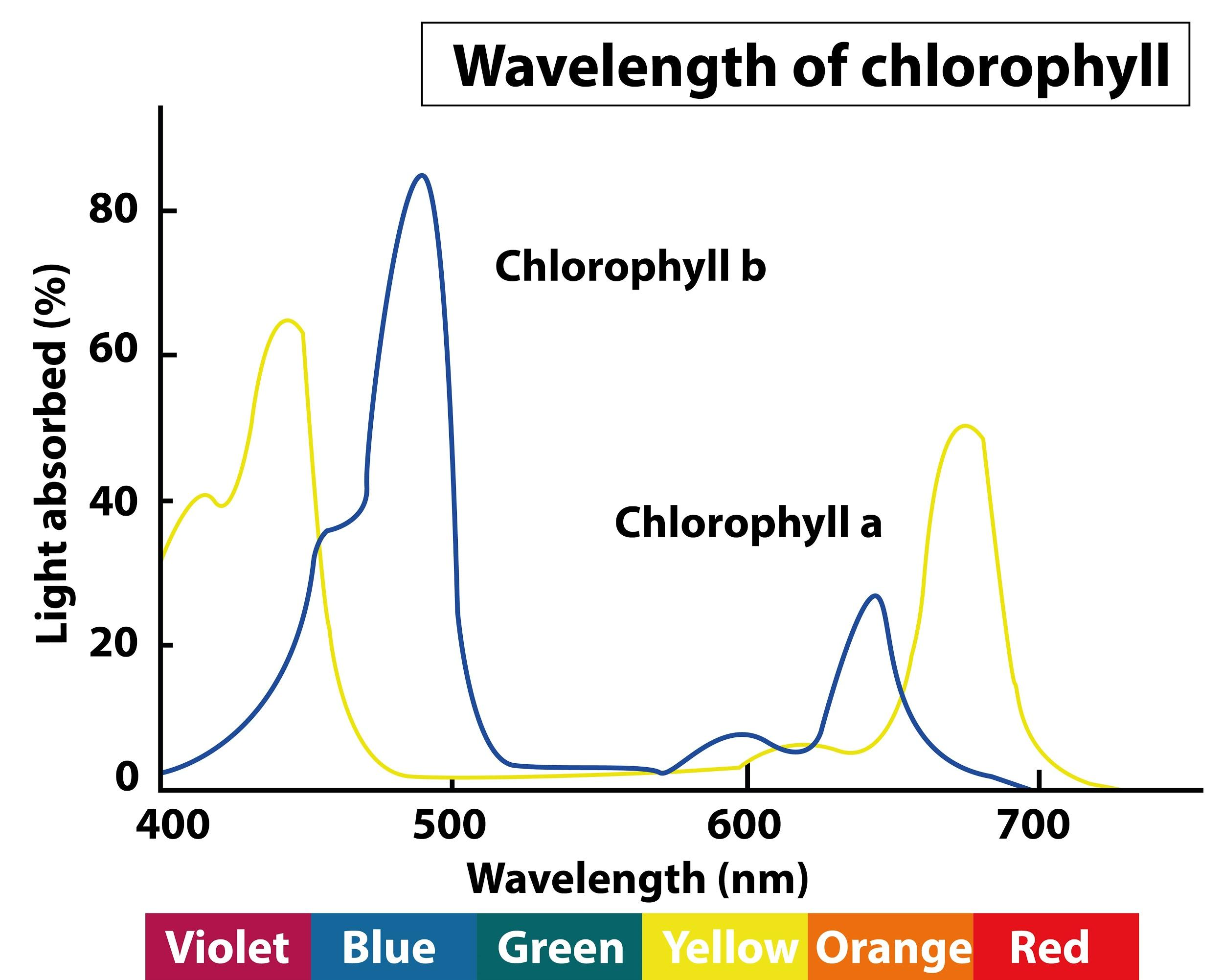
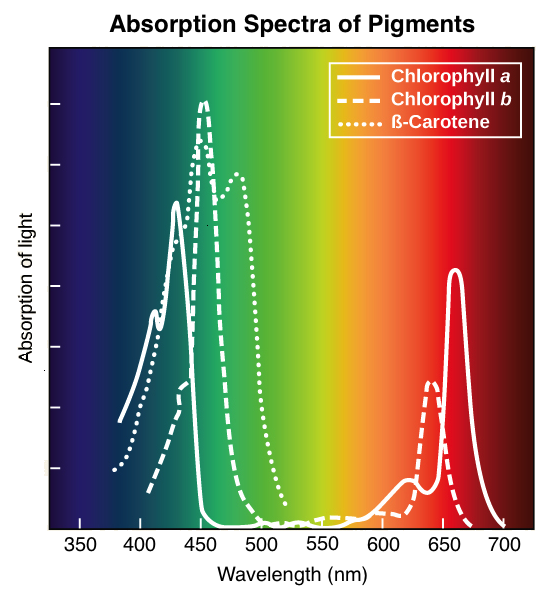
Chlorophyll doesn’t absorb all colors equally. Its absorption spectrum reveals strong absorption in the blue (around 430-470 nm) and red (around 640-670 nm) regions of the visible spectrum. Conversely, it reflects most of the green light (around 500-570 nm), which is why we perceive plants as green. This specific spectral fingerprint is crucial. For technologists, these distinct absorption peaks and reflection troughs are the “signal” they are looking for. Multispectral and hyperspectral sensors are specifically designed to target these very narrow bands of the electromagnetic spectrum, providing a highly granular view of a plant’s biochemical state. By precisely measuring how much light is absorbed or reflected at these specific wavelengths, technology can infer a wealth of information about chlorophyll concentration, photosynthetic efficiency, and overall plant vitality.
Why Green is Reflected: The Visual Paradox
The reflection of green light is often seen as a curious paradox. If plants absorb light for energy, why reject the most abundant color in sunlight? The leading theory suggests that early photosynthetic organisms evolved in environments where green light was already filtered by overlying photosynthetic layers, making blue and red light more accessible and energetically efficient to capture. Regardless of the evolutionary reasoning, this reflection of green light, along with significant reflection in the near-infrared (NIR) spectrum, provides a powerful diagnostic tool. The ratio of reflected green to reflected NIR, for example, forms the basis of many vegetation indices (like NDVI – Normalized Difference Vegetation Index), which are extensively used in remote sensing and precision agriculture to quantify biomass, vigor, and stress levels. Tech applications capitalize on this “visual paradox” by building algorithms that translate these reflected patterns into actionable insights.
Sensing the Invisible: Technologies for Chlorophyll Analysis
The ability to accurately measure chlorophyll’s light absorption and reflection has been revolutionized by advanced sensing technologies, moving far beyond manual observations to provide granular, real-time data.
Hyperspectral and Multispectral Imaging: Beyond the Human Eye
One of the most impactful technological advancements is the advent of hyperspectral and multispectral imaging. Unlike standard cameras that capture light in three broad bands (red, green, blue), these sophisticated sensors divide the electromagnetic spectrum into dozens or even hundreds of narrow, contiguous bands. Multispectral sensors typically capture 3-10 bands, while hyperspectral sensors can capture hundreds, providing an incredibly detailed spectral signature for every pixel in an image. When deployed on drones, satellites, or ground-based platforms, these systems can identify minute changes in a plant’s spectral reflectance that are invisible to the human eye. This allows for early detection of nutrient deficiencies, water stress, pest infestations, and diseases, often days or weeks before visual symptoms appear. The sheer volume and detail of data collected by these sensors are monumental, requiring robust data processing and storage solutions—a clear domain for advanced computing tech.
Spectrophotometers and Portable Sensors: On-Site Data Acquisition
While remote sensing provides a broad overview, ground-truthing and highly localized measurements are equally crucial. Spectrophotometers, once confined to laboratories, are now available in portable, handheld formats, allowing agronomists and researchers to take precise light absorption measurements directly in the field. These devices shine a controlled light source onto a leaf and measure the reflected or transmitted light across various wavelengths. Similarly, specialized chlorophyll meters (like SPAD meters) provide rapid, non-destructive estimations of chlorophyll content by measuring light transmission at specific red and near-infrared wavelengths. These portable technologies empower on-site decision-making, enabling immediate corrective actions in crop management and providing crucial validation data for larger-scale remote sensing efforts. The integration of these devices with smartphones and cloud platforms further enhances their utility, allowing for instant data logging and sharing.
LiDAR and Remote Sensing: Aerial Perspectives on Plant Health
Beyond spectral analysis, Light Detection and Ranging (LiDAR) technology offers another dimension of insight. While not directly measuring chlorophyll absorption, LiDAR provides highly accurate 3D structural information about vegetation, such as canopy height, density, and biomass. This structural data, when combined with multispectral or hyperspectral data, paints a more complete picture of plant health and growth. For instance, a dense canopy (LiDAR data) that shows low chlorophyll content (spectral data) could indicate disease affecting leaf pigments but not yet causing defoliation. Remote sensing platforms, encompassing satellite imagery, drone-mounted sensors, and even manned aircraft, are the vehicles for these advanced data collection tools. The logistical challenges of deploying, calibrating, and managing these platforms, along with the processing of their massive datasets, are significant technological undertakings, requiring expertise in robotics, aerospace engineering, data transmission, and cloud computing.
AI and Data Analytics: Translating Plant Signals into Actionable Insights
Collecting vast amounts of spectral data is only half the battle. The true power lies in translating this raw data into meaningful, actionable insights, a task perfectly suited for artificial intelligence and advanced data analytics.
Machine Learning for Early Disease Detection
The subtle changes in a plant’s spectral signature that indicate stress or disease are often too complex for human interpretation, especially across large areas. This is where machine learning excels. Algorithms can be trained on vast datasets of healthy and diseased plant spectra, learning to identify specific patterns associated with various pathogens, nutrient deficiencies, or environmental stressors. By continually feeding new hyperspectral or multispectral imagery into these trained models, farmers and environmental managers can receive early warnings of potential problems, enabling proactive intervention. This early detection capability can prevent widespread crop losses, reduce pesticide use through targeted applications, and ultimately enhance food security. The development and refinement of these AI models are at the cutting edge of agri-tech.
Predictive Modeling for Yield Optimization
Understanding “what colors do chlorophyll absorb” extends beyond detecting current problems; it’s also about predicting future outcomes. By combining spectral data on plant vigor with historical yield data, weather patterns, soil conditions, and even genetic information, AI-driven predictive models can forecast crop yields with increasing accuracy. These models can also simulate the impact of different management practices, such as irrigation schedules or fertilizer application rates, allowing farmers to optimize resource allocation. This sophisticated foresight, powered by complex algorithms and massive datasets, moves agriculture from reactive management to proactive, data-driven strategy, maximizing efficiency and profitability.
Real-time Data Visualization and Decision Support Systems
The final piece of the puzzle is presenting these complex insights in an understandable and actionable format. Real-time data visualization platforms and decision support systems are crucial tech tools that aggregate data from multiple sources (sensors, weather stations, soil probes, satellite imagery) and display it through intuitive dashboards, maps, and alerts. Farmers, agronomists, and land managers can access this information on their smartphones, tablets, or computers, allowing them to make informed decisions quickly. These systems often include features like automated reporting, task scheduling for precision equipment, and integration with farm management software, transforming raw spectral data into practical guidance for irrigation, fertilization, pest control, and harvesting.
Applications in a Connected World: From Agriculture to Environmental Monitoring
The technological understanding of chlorophyll absorption has far-reaching implications, extending into critical sectors that shape our planet’s future.
Precision Agriculture and Smart Farming Solutions
Nowhere is the impact of chlorophyll sensing technology more evident than in precision agriculture. By mapping variations in plant health across a field with high spatial resolution, farmers can apply water, fertilizers, and pesticides only where and when they are needed. This targeted approach, facilitated by GPS-guided machinery and variable-rate application technology, drastically reduces waste, lowers operational costs, and minimizes environmental impact. From optimizing irrigation based on water stress indicators derived from spectral data, to applying specific nutrients to areas with detected deficiencies, precision agriculture is transforming how food is produced, making it more sustainable and efficient. Smart farming solutions that integrate chlorophyll data are central to feeding a growing global population responsibly.
Environmental Impact Assessment and Climate Change Research
Beyond agriculture, understanding chlorophyll absorption is vital for monitoring ecosystem health and assessing environmental impacts. Satellites equipped with multispectral and hyperspectral sensors track changes in forest cover, detect algal blooms in aquatic environments, and monitor the health of grasslands and wetlands. These technologies provide critical data for climate change research, allowing scientists to monitor carbon sequestration rates by vegetation, track the spread of invasive species, and assess the impact of extreme weather events on ecosystems. The ability to remotely analyze vegetation health on a global scale empowers environmental agencies and researchers to make informed policy decisions and develop strategies for conservation and climate adaptation.
Urban Greening and Smart City Initiatives
Even in urban environments, the principles of chlorophyll absorption are being applied through technology. Smart cities are increasingly utilizing sensors to monitor the health of urban trees and green spaces, identifying areas that require more water or nutrient supplementation. This data-driven approach supports urban planning, ensuring the longevity of green infrastructure that provides crucial ecosystem services like air purification, temperature regulation, and stormwater management. Technologies that assess the health of urban vegetation contribute to creating more resilient, livable, and sustainable cities, demonstrating how fundamental biological principles, when augmented by tech, can improve human well-being.
The Future of Photosynthesis Monitoring: Towards Fully Autonomous Systems
The trajectory of chlorophyll absorption monitoring points towards increasingly autonomous, integrated, and intelligent systems, further blurring the lines between biology and technology.
Miniaturization and Integration with IoT
The future promises even smaller, more energy-efficient sensors capable of continuous, real-time monitoring. Miniaturized spectral sensors integrated into the Internet of Things (IoT) network could be embedded directly into plant leaves, deployed as vast sensor networks across fields, or attached to individual trees. These “smart plants” could then continuously broadcast data on their photosynthetic activity, water status, and nutrient levels directly to cloud-based analytics platforms. This pervasive sensing capability will provide an unprecedented density of data, enabling hyper-localized management strategies and nearly instantaneous responses to environmental changes.
Robotics and Autonomous Drones for Data Collection
The manual operation of sensors and even current drone flights will increasingly be replaced by fully autonomous robotic systems. Agricultural robots could patrol fields, equipped with an array of spectral sensors, 3D LiDAR, and environmental probes, meticulously collecting data on individual plants. Swarms of autonomous drones could continuously monitor vast tracts of land, identifying stress hotspots and reporting back to a central AI system. These robotic platforms will reduce labor costs, increase data collection frequency and precision, and operate 24/7, even in conditions unsuitable for human intervention, pushing the boundaries of what is possible in data acquisition.

Ethical Considerations and Data Privacy in Agri-Tech
As technology delves deeper into monitoring and managing natural processes, new ethical considerations emerge. The vast amounts of data collected on farmlands and natural ecosystems raise questions about data ownership, privacy, and security. Who owns the spectral data collected from a farmer’s field? How is this data protected from misuse or cyber threats? The development of robust regulatory frameworks and industry best practices will be crucial to ensure that these powerful technologies are used responsibly and equitably. As we move towards a future where chlorophyll absorption data is a key resource, addressing these ethical challenges will be paramount to building trust and ensuring the sustainable adoption of agri-tech innovations.
In conclusion, “what colors do chlorophyll absorb” is no longer just a biological fact but a technological blueprint. From the fundamental understanding of light interaction to the sophisticated sensors, AI models, and autonomous systems that apply this knowledge, technology has transformed our ability to monitor, manage, and optimize plant life across the globe. This synergy between biology and technology is not only advancing scientific understanding but also creating tangible solutions for pressing global challenges, promising a greener, more sustainable future powered by insightful data.
aViewFromTheCave is a participant in the Amazon Services LLC Associates Program, an affiliate advertising program designed to provide a means for sites to earn advertising fees by advertising and linking to Amazon.com. Amazon, the Amazon logo, AmazonSupply, and the AmazonSupply logo are trademarks of Amazon.com, Inc. or its affiliates. As an Amazon Associate we earn affiliate commissions from qualifying purchases.