
The global feminine hygiene market is currently undergoing a seismic shift, valued at over $40 billion and projected to grow steadily through the next decade. Historically, this sector was dominated by a handful of legacy conglomerates that prioritized cost-efficiency and mass distribution over ingredient transparency. However, a new era of consumer activism and scientific scrutiny regarding “what chemicals are in tampons” has transformed a once-static commodity market into a high-stakes battlefield of innovation, investment, and strategic rebranding. For the modern investor or business leader, understanding the chemical composition of these products is no longer just a matter of public health—it is a critical factor in market valuation, risk assessment, and long-term financial viability.
The Financial Shift Toward Organic: Market Valuation and Consumer Spending Trends
The primary driver of the current market evolution is the “Clean Care” movement. As consumers become more literate in reading ingredient labels, their purchasing power is migrating away from traditional synthetic products toward organic and natural alternatives. This shift has created a significant price premium in the market, where “clean” products often command a 20% to 50% higher retail price than their conventional counterparts.
Analyzing the Premium Pricing of “Clean” Alternatives
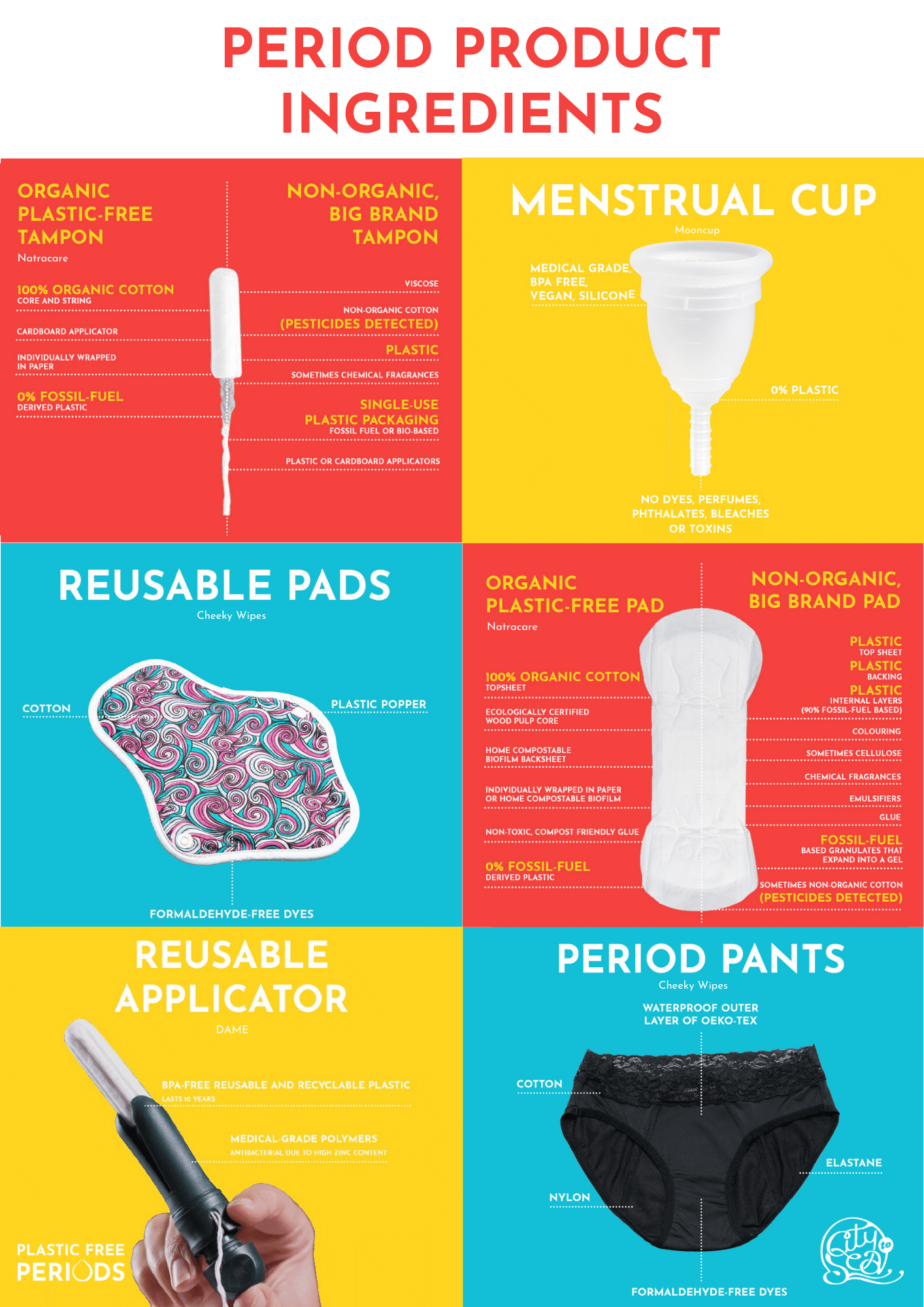
From a financial perspective, the premium pricing of organic tampons is justified by higher raw material costs and more rigorous supply chain audits. Conventional tampons have historically utilized a blend of rayon and cotton, often treated with chlorine bleaching processes that can leave trace amounts of dioxins. The transition to 100% organic cotton eliminates these specific chemical risks but introduces higher production costs.
Investors are closely watching the “Elasticity of Demand” in this sector. Despite inflationary pressures, the “clean” feminine care segment has shown remarkable resilience. Consumers view these products as “non-discretionary health investments” rather than mere household staples. This allows brands to maintain high margins and provides a buffer against the price wars typically seen in the consumer packaged goods (CPG) sector.
The Cost of Ingredient Disclosure for Legacy Brands
For legacy brands, the demand for transparency is a double-edged sword. While it offers an opportunity to innovate, the financial burden of retrofitting manufacturing plants and sourcing new, non-synthetic materials is immense. Companies that have relied on proprietary “fragrance” blends—often containing phthalates and other undisclosed chemicals—are now facing the “Cost of Reformulation.”
This process involves not only R&D expenses but also the potential write-down of existing inventory that no longer meets the evolving standards of transparency. The market is increasingly penalizing companies that are slow to disclose their chemical profiles, as seen in the shifting market share toward agile, transparency-first startups.
Investment Strategies in the FemCare Sector: Where the Capital is Flowing
The venture capital (VC) landscape has recognized the lucrative potential of “transparent” feminine care. In the last five years, hundreds of millions of dollars have flowed into startups that market themselves as chemical-free or “radically transparent.” These companies are not just selling a product; they are selling a lower-risk profile to health-conscious consumers.
Venture Capital and the Rise of Direct-to-Consumer (DTC) Brands
The Direct-to-Consumer (DTC) model has been instrumental in the financial success of brands like Lola, Cora, and August. By leveraging subscription models, these companies secure predictable, recurring revenue—a metric that is highly prized by private equity and VC firms. The core of their marketing strategy often centers on the absence of specific chemicals: no pesticides, no bleach, and no synthetic fibers.
From an investment standpoint, the “Life-Time Value” (LTV) of a customer in this space is exceptionally high. Once a consumer finds a brand they trust regarding ingredient safety, the churn rate is significantly lower than in other beauty or personal care categories. This stability makes the “clean” tampon market an attractive haven for capital in a volatile economy.

Risk Assessment: Litigation and the Liability of “Forever Chemicals”
Perhaps the most significant financial risk currently facing the industry is the potential for mass-tort litigation. Recent studies identifying heavy metals (such as lead and arsenic) and PFAS (per- and polyfluoroalkyl substances) in various tampon brands have sent shockwaves through the financial markets.
For institutional investors, this represents a “Tail Risk”—a low-probability but high-impact event that could lead to billion-dollar settlements, similar to the litigation faced by the tobacco or talcum powder industries. Consequently, “Chemical Due Diligence” is becoming a standard part of mergers and acquisitions within the CPG space. Buyers are no longer just looking at EBITDA; they are examining lab reports and supply chain certificates to ensure they aren’t acquiring a future legal liability.
The Global Economic Impact of Regulatory Shifts and Material Innovation
As governments around the world, particularly in the EU and certain US states like California and New York, move toward mandatory ingredient labeling for menstrual products, the economic landscape is shifting from voluntary transparency to regulatory compliance. This shift creates both winners and losers based on their technical and financial readiness.
Supply Chain Diversification: From Synthetic to Sustainable
The move away from synthetic chemicals is forcing a global reorganization of supply chains. Rayon and polyester, derivatives of the timber and petroleum industries respectively, are being replaced by organic cotton and bamboo. This has created a “Commodity Boom” in organic textiles.
However, this transition is not without its financial hurdles. The scarcity of certified organic cotton can lead to supply chain bottlenecks. Smart companies are investing in “Vertical Integration”—buying stakes in organic farms or developing proprietary sustainable materials—to hedge against price volatility in the raw materials market. This strategic move requires significant upfront capital but secures the long-term cost of goods sold (COGS).
The “Pink Tax” vs. The Cost of Quality: A Macroeconomic Perspective
The debate over “what chemicals are in tampons” also intersects with the broader economic discussion of the “Pink Tax”—the tendency for products marketed to women to be more expensive. While activists fight to remove sales tax on menstrual products to increase accessibility, the rising cost of “safe” materials creates a counter-pressure.
There is a growing “Economic Divide” in feminine hygiene. Lower-income consumers may be forced to buy cheaper, synthetic-heavy products, while affluent consumers can afford the “safety premium” of organic brands. This disparity is leading to a new market segment: “Mass-Premium” brands. These are companies attempting to achieve economies of scale to bring the cost of chemical-free products down to a level that is competitive with traditional brands, effectively democratizing access to safer alternatives while capturing a massive middle-market share.

The Future of the Industry: Innovation as a Financial Asset
Looking forward, the financial winners in the feminine care space will be those who view “chemical transparency” not as a hurdle, but as a platform for innovation. We are seeing the rise of “Smart Tampons”—products designed to monitor health biomarkers or deliver therapeutic benefits.
The integration of technology into the product itself allows companies to move from a commodity-based pricing model to a value-based service model. If a brand can prove through rigorous testing and transparency that their product is not only free of harmful chemicals but also actively contributes to reproductive health, they can command a market position that is virtually untouchable by low-cost generic competitors.
In conclusion, the question of “what chemicals are in tampons” has moved far beyond the lab. It is now a core pillar of business strategy, influencing everything from R&D budgets and supply chain logistics to venture capital allocation and risk management. As transparency becomes the global standard, the companies that thrive will be those that prioritize the integrity of their ingredients as much as the strength of their balance sheets. The future of the $40 billion feminine care market is clean, transparent, and driven by a sophisticated understanding of the intersection between chemistry and capital.
aViewFromTheCave is a participant in the Amazon Services LLC Associates Program, an affiliate advertising program designed to provide a means for sites to earn advertising fees by advertising and linking to Amazon.com. Amazon, the Amazon logo, AmazonSupply, and the AmazonSupply logo are trademarks of Amazon.com, Inc. or its affiliates. As an Amazon Associate we earn affiliate commissions from qualifying purchases.