
In the landscape of modern personal finance, loyalty points have evolved from simple marketing gimmicks into a sophisticated form of private currency. For many high-earners and frequent travelers, American Airlines AAdvantage miles represent a significant line item in their net worth—if managed correctly. However, unlike a traditional savings account, the value of travel rewards is highly volatile and subject to the “inflation” of program devaluations. To truly maximize the return on investment (ROI) of your miles, you must treat them as a financial asset that requires a clear redemption strategy.
This guide explores the most effective ways to redeem American Airlines miles through a financial lens, focusing on valuation metrics, arbitrage opportunities within the Oneworld alliance, and tactical maneuvers to ensure your “travel portfolio” yields the highest possible dividends.
1. Understanding the Valuation of Your Travel Assets
Before spending a single mile, a savvy investor must understand the underlying value of the currency. In the world of points and miles, the primary metric is “Cents Per Mile” (CPM). This figure allows you to compare the cost of a ticket in cash versus its cost in miles to determine if you are getting a good deal.
The Economics of the AAdvantage Program
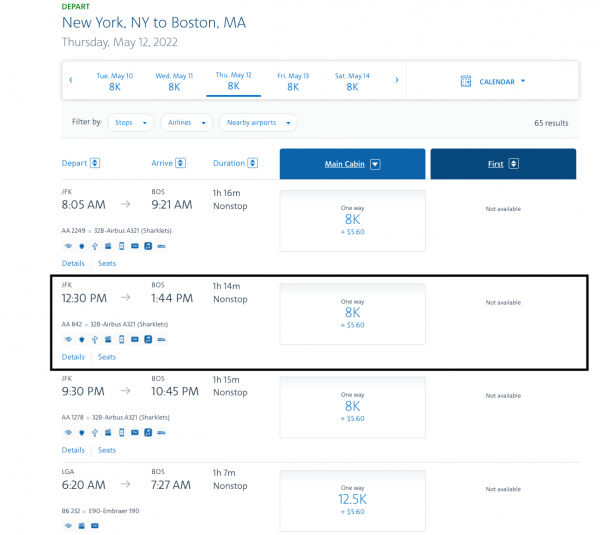
The AAdvantage program has transitioned toward a dynamic pricing model for its own flights, meaning the “price” in miles often fluctuates based on demand, similar to cash prices. However, American Airlines still maintains some level of consistency through “Web Specials” and fixed-rate partner awards. From a financial perspective, your goal should be to exceed a baseline valuation of 1.5 cents per mile. If a redemption offers less than this, you are effectively “selling” your miles at a loss compared to their potential market utility.
Calculating Your Cents Per Mile (CPM)
To calculate the CPM of a potential redemption, use the following formula:
(Cash Price of Ticket – Taxes and Fees) / Number of Miles Required x 100.
For example, if a flight costs $600 or 40,000 miles + $5.60 in taxes, your CPM is approximately 1.48. In this scenario, the redemption is mediocre. If that same flight costs $1,200 but remains 40,000 miles, your CPM jumps to 2.98, representing a high-yield use of your assets.
Why Your Miles Depreciate Over Time
In finance, the “time value of money” suggests that a dollar today is worth more than a dollar tomorrow. In the world of airlines, this is even more pronounced because airlines can devalue their award charts at any time without notice. Hoarding miles—often called “points camping”—is a poor financial strategy. Because miles do not earn interest and are subject to sudden devaluation, the most effective strategy is “earn and burn.” Aim to maintain a balance sufficient for your next two major trips, but liquidate excess “capital” before it loses purchasing power.
2. High-Value Redemption Pathways: Arbitrage and Alliances
The greatest financial “arbitrage” in the AAdvantage program is found not on American Airlines’ own metal, but through its Oneworld alliance partners. By leveraging miles for international premium cabins on partner airlines, you can often achieve a CPM of 5.0 to 10.0, a return that is virtually impossible to find in traditional equity markets.
Leveraging the Oneworld Alliance for International Luxury
American Airlines is a member of the Oneworld alliance, which includes world-class carriers like Qatar Airways, Japan Airlines (JAL), Cathay Pacific, and British Airways. While American may charge a premium for its own long-haul business class, partner award charts often remain more stable. Booking a “Qsuite” on Qatar Airways—widely considered the best business class in the world—using AA miles is one of the single most efficient transfers of value in the loyalty space.
Identifying “Sweet Spots” in the Award Chart
Financial efficiency is found in the “sweet spots”—routes where the mileage cost is disproportionately low compared to the cash price. For instance, flights from the U.S. to the Middle East or the Indian Subcontinent in business class often represent immense value. Similarly, short-haul flights within regions like Japan or South America (using partners like JAL or GOL) can bypass expensive regional cash fares, providing a high CPM for low mileage expenditures.
The Dynamics of Dynamic Pricing vs. Partner Awards
It is crucial to distinguish between AA’s “Dynamic Pricing” and “Partner Awards.” AA-operated flights can vary from 6,000 miles to 500,000 miles for the same seat depending on the day. Partner awards, however, often follow a more predictable (though hidden) chart. A savvy redeemer looks for “Saver” level availability on AA or fixed partner rates to ensure they aren’t paying “inflationary” prices during peak travel seasons.
3. Tactical Execution: How to Book for Maximum ROI
Executing a high-value redemption requires more than just a search on the homepage. To protect your financial interests, you must use the right tools to find “hidden” inventory and avoid unnecessary costs.
Using Advanced Search and Filter Tools
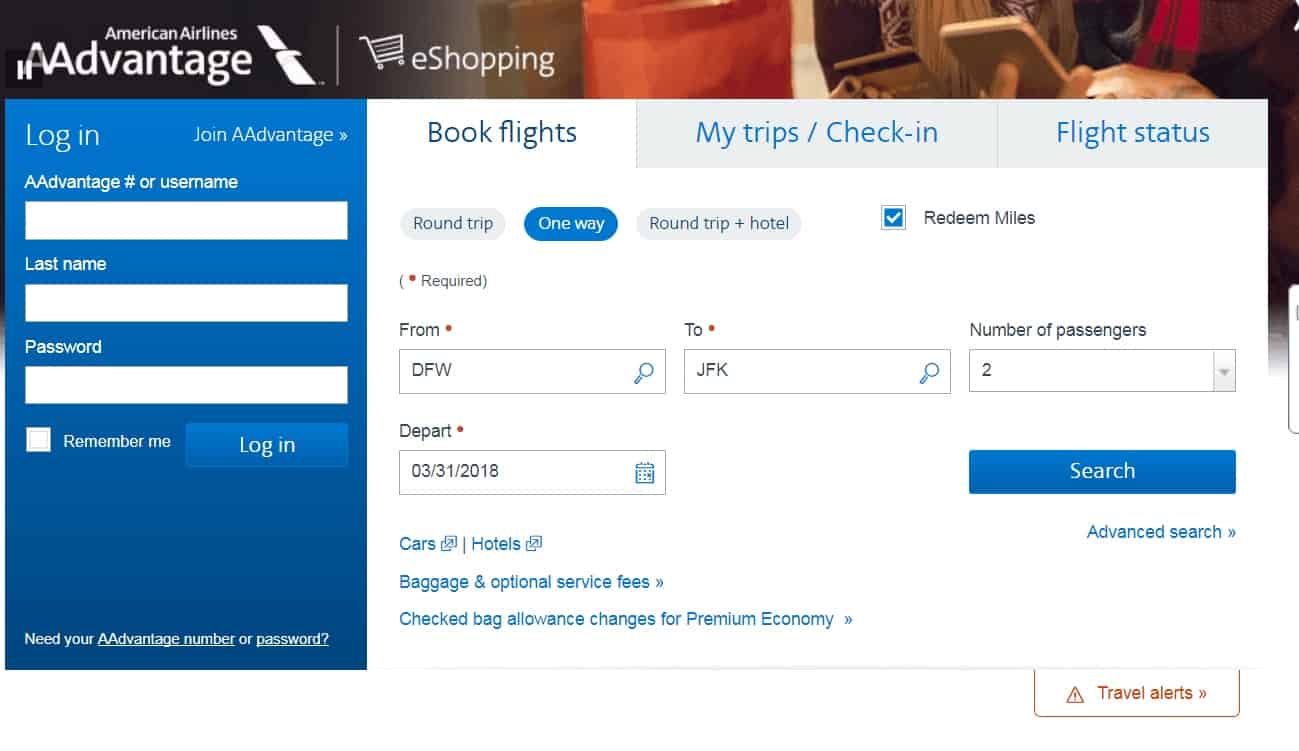
The American Airlines website is a powerful search engine, but it requires finesse. When searching for awards, always use the “Advanced Search” feature and select “Miles.” To see the most efficient options, use the “Calendar View.” This allows you to spot “Web Specials” and Saver-level awards across an entire month. From a management perspective, this is akin to using a stock screener to find undervalued assets.
Partner Bookings vs. Native American Airlines Flights
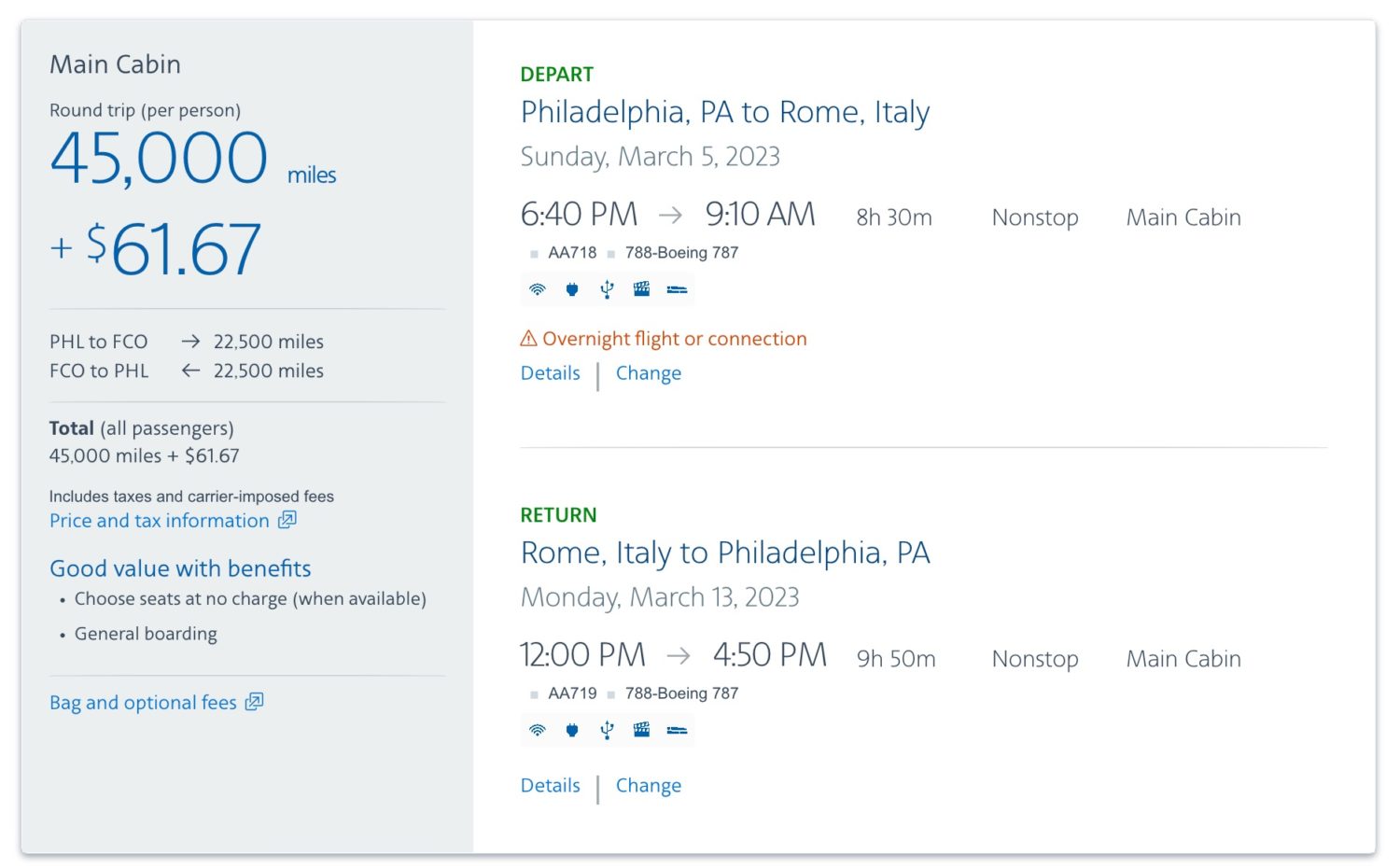
Not all partners are created equal. For example, while you can use AA miles to book British Airways, these tickets often come with massive “carrier-imposed surcharges” that can exceed $800 for a one-way business class ticket. From a cash-flow perspective, this is often a poor deal. Conversely, booking Qatar Airways or Finnair usually incurs minimal taxes. Always factor in the “cash out-of-pocket” cost when evaluating the total ROI of your redemption.
Avoiding “Value Traps”
American Airlines often encourages users to redeem miles for non-flight options, such as car rentals, hotel stays, or even magazines. From a financial standpoint, these are almost universally “value traps.” These redemptions typically offer a CPM of 0.5 to 0.8, which is a significant destruction of capital. To maintain the health of your travel portfolio, miles should be reserved exclusively for high-value airfare, where their leverage is greatest.
4. Advanced Portfolio Management of Your Miles
Successful financial planning involves long-term strategy and risk mitigation. Managing your AAdvantage account should be no different.
The “Book Early or Book Late” Investment Strategy
In the travel market, availability behaves like a “U-shaped” curve. The best “inventory” is usually released 330 days in advance or within 14 days of departure (last-minute “distressed inventory”). To maximize your miles, you should plan your “expenditures” nearly a year in advance or remain liquid enough to take advantage of last-minute openings. The “middle ground”—booking 3 to 6 months out—is often where availability is lowest and prices are highest.
Protecting Your Cash Flow: Taxes and Surcharges
As mentioned previously, the “cost” of a mile is not just the points, but the associated fees. When planning a redemption, consider the tax laws of the transit country. For example, departing from the United Kingdom triggers the “Air Passenger Duty” (APD), a significant cash expense. Strategically routing your return flight through a city like Dublin or Madrid can save hundreds of dollars in cash, improving the overall net value of the redemption.
Re-shopping Your Awards
One of the unique “dividends” of the AAdvantage program is its current flexible cancellation policy. As of the current writing, American Airlines allows for free cancellations and mileage reinstatements on most award tickets. This allows for a “re-shopping” strategy: book a solid redemption now to hedge against rising prices, but continue to monitor the site. If a “Web Special” or a better partner route opens up at a lower price, you can cancel your original booking, reclaim your “capital,” and re-invest it in the higher-yield flight.
Conclusion: Treating Travel as a Financial Discipline
Redeeming American Airlines miles is not merely a logistical task; it is a financial exercise in asset allocation. By moving away from a “spend as I go” mentality and toward a strategic “valuation-based” approach, you can transform your AAdvantage balance into a powerful tool for global mobility.
Whether you are leveraging the Oneworld alliance for a 10-cent-per-mile business class seat to Asia or tactically avoiding high-surcharge carriers to preserve your cash flow, the goal remains the same: maximizing the utility of every mile earned. In the world of personal finance, your miles are a currency. Spend them with the same rigor, research, and strategic oversight as you would any other investment in your portfolio.
aViewFromTheCave is a participant in the Amazon Services LLC Associates Program, an affiliate advertising program designed to provide a means for sites to earn advertising fees by advertising and linking to Amazon.com. Amazon, the Amazon logo, AmazonSupply, and the AmazonSupply logo are trademarks of Amazon.com, Inc. or its affiliates. As an Amazon Associate we earn affiliate commissions from qualifying purchases.