
In the modern digital landscape, a celebrity is no longer just an entertainer, athlete, or socialite; they are a multi-million dollar corporate entity. The concept of “Personal Branding” has evolved from a marketing buzzword into a complex science of public perception, market positioning, and risk management. One of the most significant—and polarizing—decisions a celebrity brand can make is the public declaration of political support.
When examining the question of which celebrities are Trump supporters, the conversation transcends mere gossip or political preference. From a brand strategy perspective, these endorsements represent a calculated (or sometimes reactionary) shift in market positioning. Whether it is an athlete, a musician, or a business mogul, aligning with a figure as distinct as Donald Trump serves as a powerful case study in how personal brands navigate high-stakes polarization.

1. The Architecture of Celebrity Brand Alignment
To understand why certain celebrities choose to voice support for Donald Trump, we must first look at the architecture of their personal brands. In branding, consistency is king. A brand must know its “why” and its “who.”
The Psychology of the Niche Audience
For many celebrities, their core audience exists within demographics that prioritize traditionalism, anti-establishment sentiments, or specific economic philosophies. When a celebrity like Kid Rock or John Schneider aligns with Trump, they aren’t necessarily looking to convert the opposition; they are deepening the loyalty of their existing base. This is a classic “brand deepening” strategy. By taking a firm stance, they increase the emotional resonance with their core consumers, often leading to higher engagement and “tribal” loyalty that protects them from broader market fluctuations.
Authenticity as a Brand Value
In the current era of “curated” perfection, authenticity has become the most valuable currency in personal branding. For many celebrities, the “rebel” or “outspoken” archetype is central to their identity. Supporting a polarizing political figure can be a strategic move to reinforce a brand image of “unfiltered truth” or “independence.” When a celebrity brand is built on the foundation of being an outsider, political alignment with a populist movement acts as a powerful signal of brand authenticity.
2. Navigating the Risks: The Brand Strategy of Polarization
In traditional corporate branding, the goal is often to appeal to the widest possible audience—the “middle of the road” strategy. However, the rise of the “Attention Economy” has changed the rules. For some celebrity brands, being loved by 50% of the population and ignored by the other 50% is less profitable than being worshipped by 25% and hated by 75%.
The Calculated Risk of “Cancel Culture”
The primary fear for any brand is a PR crisis. However, some celebrity brands have discovered that “cancellation” can actually be leveraged as a growth strategy. By supporting Donald Trump, certain celebrities lean into the “canceled” narrative, which allows them to pivot their brand toward platforms and audiences that value anti-censorship sentiments. This creates a “Brand Fortress,” where the celebrity is insulated by a fiercely loyal community that views external criticism as a badge of honor for the brand.
Market Segmentation and Economic Resilience
Celebrities often represent different market segments. For instance, a country music star (like Jason Aldean) or a professional fighter (like various UFC personalities) operates in a market segment that often skews toward conservative values. In these cases, supporting Trump is not a risk but a reinforcement of market alignment. From a brand strategy perspective, it is a move to secure the “Primary Market Share” rather than diluting the brand to chase a “Secondary Market” that was never likely to convert anyway.
3. Case Studies in Political Personal Branding
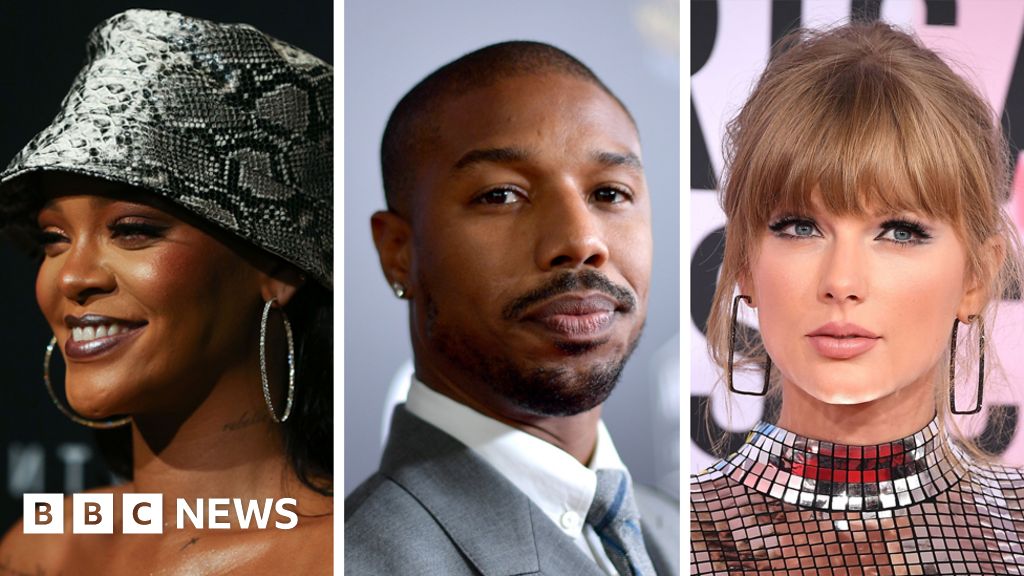
By looking at specific categories of celebrity supporters, we can identify the strategic patterns behind their public personas.
The “Legacy” Brand: Jon Voight and Roseanne Barr
Legacy brands are those that have been in the public eye for decades. For these celebrities, a political pivot often represents a “Brand Rejuvenation.” By becoming vocal supporters of the MAGA movement, legacy stars who might have been fading from the cultural zeitgeist find a new, highly active, and supportive audience. It transforms them from “vantage actors” into “active cultural commentators,” extending the lifecycle of their personal brand.
The “Disruptor” Brand: Elon Musk and Dana White
In the tech and sports entertainment worlds, the “Disruptor” brand is dominant. Dana White, President of the UFC, and Elon Musk have both aligned themselves with Trump in ways that mirror their own business philosophies: high-risk, high-reward, and aggressively anti-establishment. For Musk, the alignment serves a “Corporate Identity” purpose, signaling a move away from the traditional Silicon Valley brand mold toward a more libertarian, industrial-focused identity. For White, it reinforces the UFC’s brand as a “tough,” unapologetic entity that flouts traditional corporate sensitivities.
The “Cultural Outsider” Brand: Amber Rose and Lil Pump
A fascinating development in celebrity branding is the emergence of younger, urban, or counter-culture figures supporting Trump. From a marketing standpoint, this is an “Edge Case Strategy.” When a celebrity whose demographic typically leans left makes a public pivot, it generates massive “Earned Media” (free publicity). It forces a re-evaluation of the brand and positions the celebrity as a “free thinker,” which can be an attractive trait for Gen Z and Millennial audiences who value non-conformity.
4. The Financial Impact: Beyond the Endorsement
While branding is about perception, the ultimate goal of any brand strategy is financial sustainability. The decision to support a candidate like Trump has direct implications for a celebrity’s revenue streams.
Diversification of Revenue
Celebrities who align with Trump often see a shift in their income sources. While they may lose certain “Mainstream/Blue Chip” corporate sponsorships, they often gain access to new markets. This includes appearances at political events, book deals with conservative publishers, and partnerships with brands that specifically target the conservative demographic. This is a “Pivot Strategy” that replaces broad, shallow revenue with narrower, deeper revenue.
The “Echo Chamber” Economy
We are seeing the rise of a parallel economy. From niche streaming services to specialized merchandise platforms, celebrity brands that align with Trump are finding that they can bypass traditional gatekeepers. This “Direct-to-Consumer” (DTC) approach allows the celebrity brand to retain a higher percentage of their earnings by selling directly to a politically aligned base that is eager to support those they perceive as being “on their team.”
5. The Future of Personal Branding in a Divided Era
The trend of celebrities taking firm political stances is likely to accelerate. As data analytics become more sophisticated, celebrity management teams can now quantify the exact risk and reward of a political endorsement.
Data-Driven Alignment
In the past, endorsements were based on gut feeling. Today, they are based on data. A celebrity can analyze their social media followers to see exactly how many lean conservative. If 70% of a singer’s audience is in “red” states, the brand strategy for a Trump endorsement becomes a simple mathematical decision. We are entering an era of “Precision Branding,” where political identity is used as a tool for extreme market segmentation.
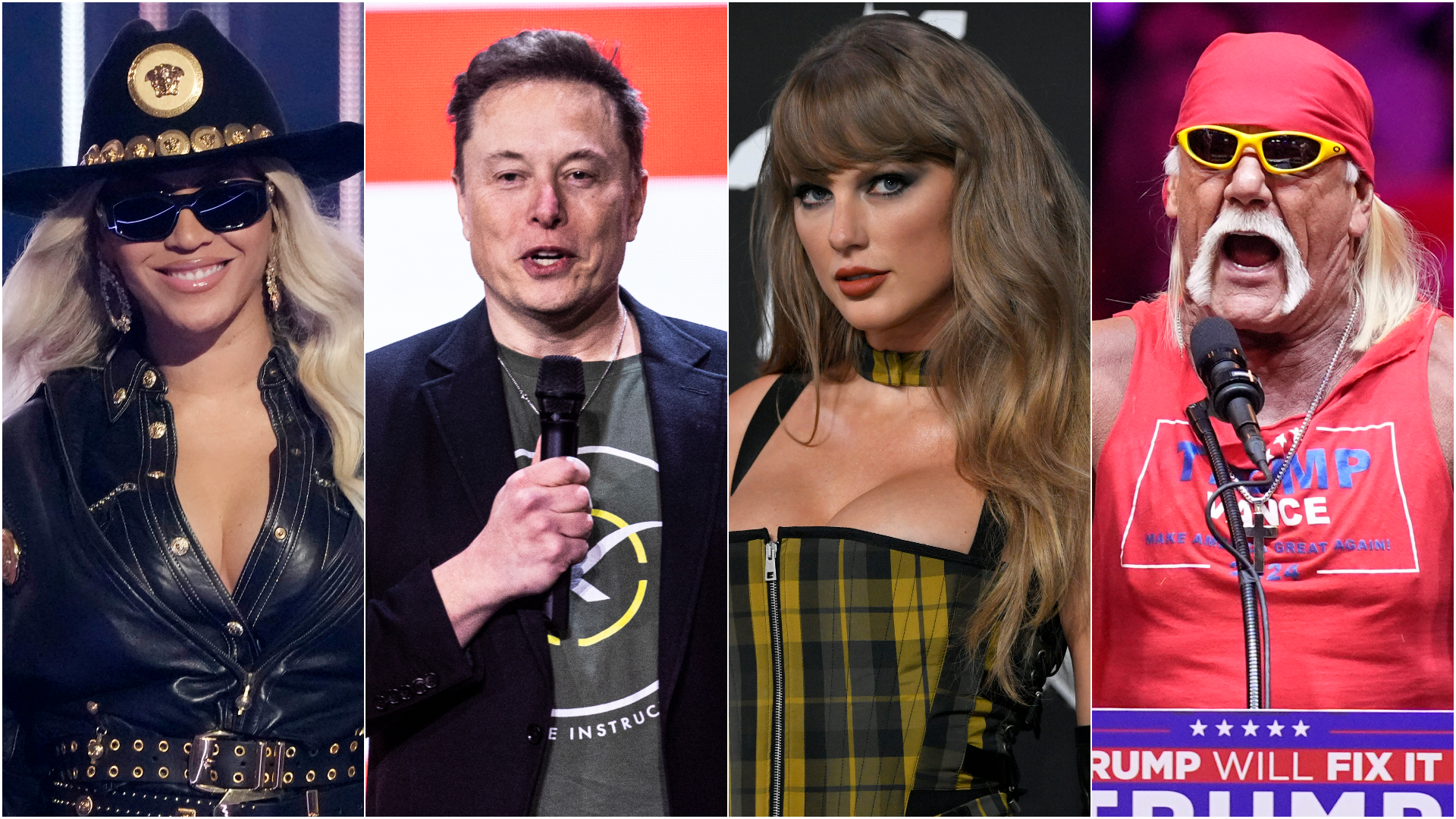
The Search for Authenticity in a Post-Neutral World
The “Neutral Brand” is dying. In a hyper-connected world, silence is often interpreted as a lack of conviction. For the modern celebrity, the greatest brand risk is no longer being controversial—it is being boring. As we look at the list of celebrities who support Trump, we see a diverse group of brands that have decided that the benefits of alignment—clarity, loyalty, and authenticity—outweigh the costs of polarization.
In conclusion, the question of “what celebrities are Trump supporters” is a gateway into a much deeper discussion about the evolution of personal branding. These celebrities are navigating a new world where your political identity is your brand identity. By choosing a side, they are not just making a political statement; they are executing a sophisticated brand strategy designed to thrive in a divided, high-attention marketplace. Whether this strategy succeeds in the long term depends on the brand’s ability to remain resilient against the tides of public opinion and to continue delivering value to the “tribe” they have chosen to lead.
aViewFromTheCave is a participant in the Amazon Services LLC Associates Program, an affiliate advertising program designed to provide a means for sites to earn advertising fees by advertising and linking to Amazon.com. Amazon, the Amazon logo, AmazonSupply, and the AmazonSupply logo are trademarks of Amazon.com, Inc. or its affiliates. As an Amazon Associate we earn affiliate commissions from qualifying purchases.