
The initial enthusiasm of embarking on a weight loss journey is often accompanied by swift and encouraging progress. Clothing feels looser, energy levels surge, and the scale reflects a steady decline. However, for many, this triumphant phase eventually gives way to a disheartening reality: the weight loss plateau. It’s a frustrating point where, despite continuing to adhere to diet and exercise plans, the numbers on the scale refuse to budge. Understanding the underlying causes of these plateaus is the first crucial step towards breaking through them and reigniting your progress. This article delves into the multifaceted reasons why weight loss stalls and provides actionable strategies to overcome these common challenges.
The Body’s Adaptive Response: Evolution’s Clever Trick
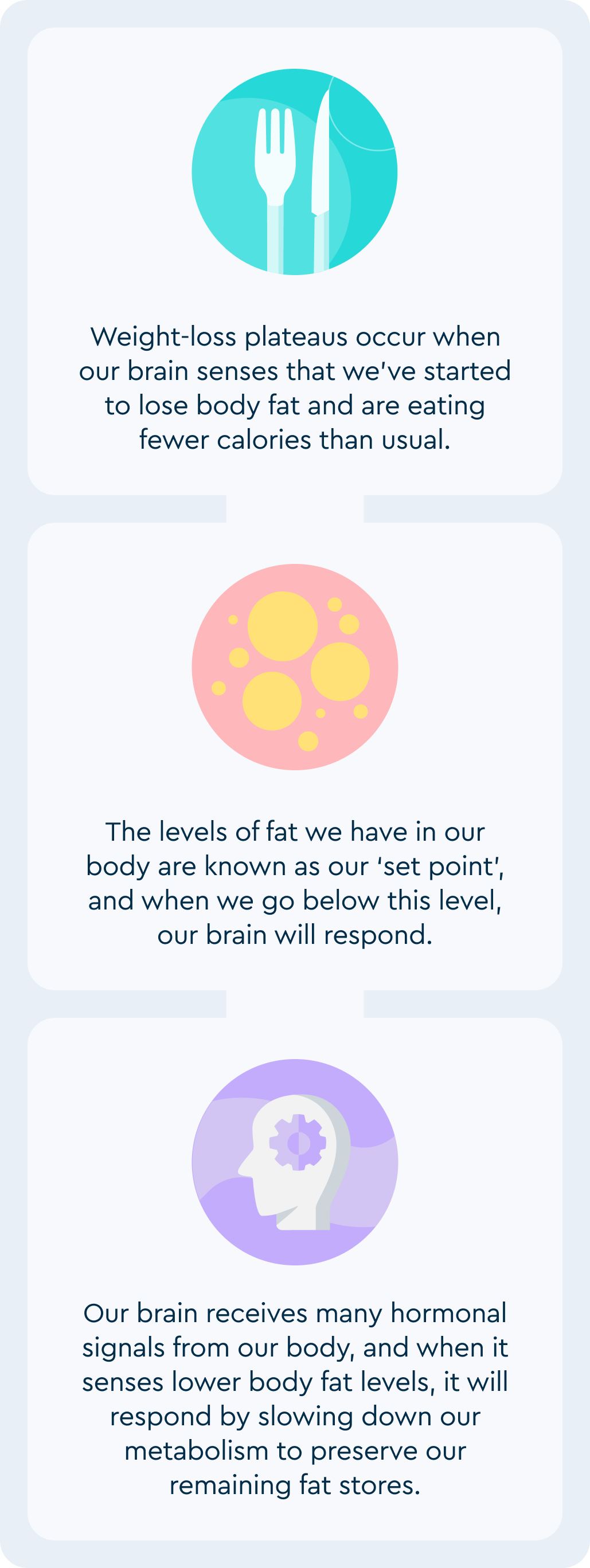
Your body is a remarkably intelligent and adaptive organism. When you embark on a weight loss journey, you are essentially signaling to your body that resources are scarce. In response, it initiates a series of physiological adaptations designed to conserve energy and maintain its current state. This is a survival mechanism honed over millennia.
Metabolic Adaptation: Slowing Down the Engine
One of the primary culprits behind weight loss plateaus is metabolic adaptation, often referred to as “starvation mode” by the public, though the scientific reality is more nuanced. When you consistently consume fewer calories than your body expends, your metabolism begins to adjust. This means your body becomes more efficient at using the energy it receives, burning fewer calories at rest and during physical activity.
Reduced Basal Metabolic Rate (BMR)
Your Basal Metabolic Rate (BMR) is the number of calories your body burns at rest to maintain basic functions like breathing, circulation, and cell production. As you lose weight, your BMR naturally decreases because there is less body mass to maintain. A smaller body requires less energy. However, beyond this natural reduction, your metabolism can also slow down further as a protective measure. This means that the calorie deficit you initially created might no longer be sufficient to drive further weight loss. The same amount of food that led to significant loss previously now simply maintains your current weight.
Hormonal Shifts and Appetite Regulation
Weight loss also triggers significant hormonal shifts that can make it harder to continue losing weight. Leptin, a hormone produced by fat cells, signals satiety and tells your brain when you’ve had enough to eat. As you lose fat, leptin levels decrease, which can lead to increased hunger and a reduced feeling of fullness. Conversely, ghrelin, often called the “hunger hormone,” tends to increase, further stimulating your appetite. These hormonal changes can make it challenging to stick to your calorie goals and increase cravings for calorie-dense foods.
Reduced Non-Exercise Activity Thermogenesis (NEAT)
NEAT encompasses all the calories you burn through activities that are not formal exercise. This includes fidgeting, walking around, standing, and even the unconscious movements you make throughout the day. When you’re in a calorie deficit, your body may unconsciously reduce NEAT. You might find yourself sitting more, fidgeting less, and generally moving less, all contributing to a lower overall calorie expenditure. This subtle, often unnoticed, reduction can have a significant impact on your daily energy balance.
Inaccuracies in Calorie Tracking and Exercise Estimation
Another common reason for hitting a plateau lies in the inaccuracies that can creep into our estimations of calorie intake and expenditure. While technology and tracking apps have become sophisticated, they are not always perfect.
The “Hidden Calories” Phenomenon
Even with diligent tracking, it’s easy to overlook or underestimate certain calorie sources. Small bites here and there, sauces, dressings, cooking oils, sugary beverages (even seemingly healthy ones like juices or specialty coffees), and even the occasional “treat” can add up quickly. These “hidden calories” can easily negate the calorie deficit you believe you are creating, leading to a stall in progress.
Portion Distortion and Serving Size Misinterpretations
Understanding and accurately measuring portion sizes is crucial. What looks like a standard serving size might actually be significantly more. Many people underestimate how many calories are in a given portion, especially with processed foods where serving sizes are often small. Furthermore, restaurant portions are notoriously larger than standard serving sizes, making it easy to overconsume calories without realizing it.
The Illusion of “Free” Foods
Certain foods are often categorized as “free” or “low-calorie” and can be consumed in larger quantities. While some of these, like non-starchy vegetables, are excellent choices, overconsumption can still contribute to calorie intake. It’s important to be mindful of the quantity even with these foods, especially if you are aiming for a very precise calorie deficit.
Overestimating Calorie Burn from Exercise
Similarly, exercise trackers and fitness machines can often overestimate the number of calories burned during a workout. Factors like individual heart rate, fitness level, and even the specific type of equipment can lead to inflated calorie burn estimates. Relying too heavily on these numbers to justify increased food intake can sabotage your efforts.
The Plateau Effect of Exercise
Furthermore, your body becomes more efficient at performing the exercises you do regularly. This means that over time, you may burn fewer calories doing the same workout as you did when you first started. Your cardiovascular system becomes more efficient, and your muscles become more adapted to the movements. This is a natural adaptation that necessitates adjustments to your training.
Lifestyle Factors Beyond Diet and Exercise
Weight loss is a holistic process, and factors beyond just what you eat and how much you move can significantly impact your progress and contribute to plateaus.
Insufficient Sleep: The Underrated Enemy
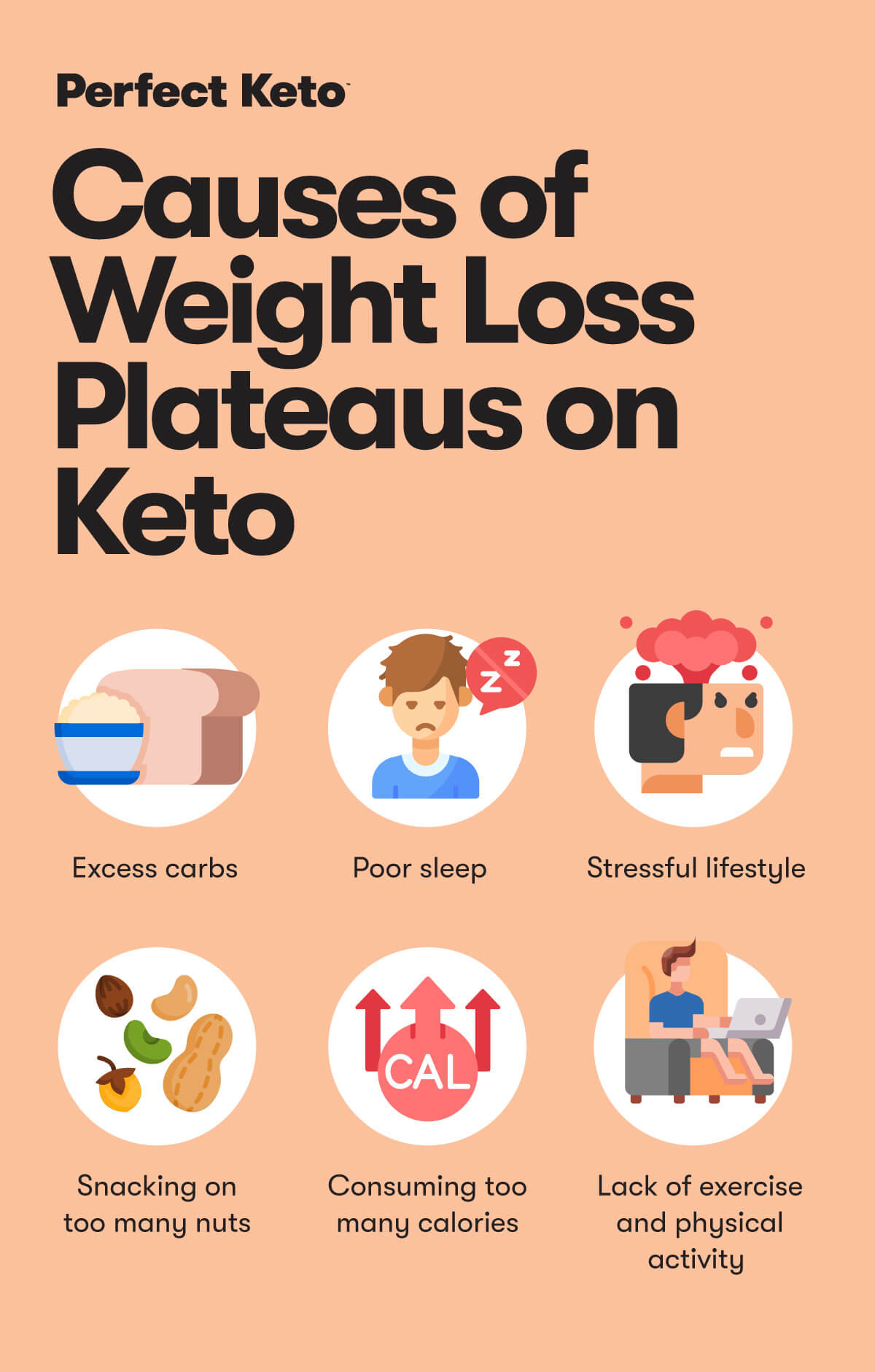
Adequate sleep is paramount for overall health and plays a critical role in weight management. When you don’t get enough quality sleep, your body experiences stress, which can lead to hormonal imbalances that hinder weight loss.
Hormonal Imbalance and Cravings
Sleep deprivation can disrupt the balance of leptin and ghrelin, increasing hunger and cravings for unhealthy, high-calorie foods. It can also increase cortisol levels, a stress hormone that can promote fat storage, particularly around the abdominal area. Furthermore, poor sleep can impair your decision-making abilities, making it harder to resist tempting foods.
Reduced Energy and Motivation for Exercise
When you’re tired, your motivation to exercise plummets, and your perceived exertion during workouts increases. This can lead to shorter, less intense workouts, or even skipping exercise altogether, further contributing to a calorie surplus and a stalled weight loss.
Chronic Stress: The Silent Saboteur
Living with chronic stress can have a profound impact on your body’s ability to lose weight. The body perceives chronic stress as a constant threat, leading to the release of cortisol.
Cortisol and Fat Storage
As mentioned, elevated cortisol levels can signal the body to store fat, especially in the abdominal region, which is particularly detrimental to metabolic health. It can also increase appetite and cravings for comfort foods, which are often high in sugar and fat.
Emotional Eating and Poor Food Choices
Stress can also trigger emotional eating, where individuals turn to food for comfort or as a coping mechanism. This can lead to impulsive food choices and a deviation from planned healthy eating patterns, derailing weight loss efforts. Finding healthy stress management techniques is therefore essential.

Underlying Medical Conditions and Medications
While less common, certain medical conditions and medications can also contribute to weight loss plateaus or even weight gain. It’s important to rule these out with your healthcare provider.
Thyroid Issues
An underactive thyroid (hypothyroidism) can significantly slow down metabolism, making it difficult to lose weight even with strict adherence to diet and exercise.
Polycystic Ovary Syndrome (PCOS)
PCOS is a hormonal disorder that can affect women, leading to insulin resistance and making weight loss a challenge.
Certain Medications
Some medications, including certain antidepressants, antipsychotics, and corticosteroids, can have side effects that promote weight gain or make weight loss more difficult. If you suspect a medication is affecting your weight, discuss potential alternatives with your doctor.
Strategies to Break Through the Plateau
Recognizing the causes of your weight loss plateau is the first step. The next is implementing strategies to overcome them. This often involves a combination of adjusting your current approach and incorporating new habits.
Re-evaluate and Adjust Your Calorie Intake
Your body has adapted, so it’s time to re-evaluate your calorie needs.
Calorie Cycling and Carb Cycling
Consider implementing calorie cycling, where you vary your calorie intake throughout the week. For example, you might have slightly higher calorie days interspersed with lower calorie days. Carb cycling involves alternating high-carb and low-carb days. This can help to “shock” your metabolism and prevent it from settling into a prolonged deficit.
Focus on Nutrient Density and Macronutrient Balance
Instead of solely focusing on calorie restriction, prioritize nutrient-dense foods. Ensure you are consuming enough protein, which is satiating and helps preserve muscle mass during weight loss. Balance your intake of healthy fats and complex carbohydrates. Adjusting your macronutrient ratios (protein, carbs, fats) based on your individual response and activity levels can also be beneficial.
Revitalize Your Exercise Routine
If your workouts have become routine, it’s time to inject some novelty and intensity.
Introduce High-Intensity Interval Training (HIIT)
HIIT involves short bursts of intense exercise followed by brief recovery periods. This type of training can be highly effective for burning calories in a shorter amount of time and can also boost your metabolism post-workout (the “afterburn effect”).
Incorporate Strength Training
Building and maintaining muscle mass is crucial for a healthy metabolism. Muscle tissue burns more calories at rest than fat tissue. Incorporating regular strength training sessions will help you preserve lean muscle, boost your metabolic rate, and continue to burn calories even when you’re not actively exercising.
Increase NEAT
Consciously find ways to increase your NEAT. Take the stairs, walk during phone calls, stand while working, and engage in active hobbies. Small, consistent increases in non-exercise activity can add up significantly over the course of a day.
Prioritize Sleep and Stress Management
These lifestyle factors are non-negotiable for sustainable weight loss.
Optimize Your Sleep Hygiene
Aim for 7-9 hours of quality sleep per night. Establish a regular sleep schedule, create a relaxing bedtime routine, and ensure your bedroom is dark, quiet, and cool. Limit screen time before bed and avoid caffeine and alcohol close to bedtime.
Implement Stress-Reduction Techniques
Explore stress management techniques that work for you. This could include meditation, yoga, deep breathing exercises, spending time in nature, engaging in hobbies, or talking to a therapist. Finding healthy ways to cope with stress is vital for both mental and physical well-being.
Seek Professional Guidance
If you’ve tried various strategies and are still struggling with a plateau, consider seeking professional help.
Consult a Registered Dietitian or Nutritionist
A registered dietitian or nutritionist can provide personalized guidance on your diet, assess your current eating patterns, and help you create a sustainable eating plan tailored to your needs and goals. They can also help identify any nutritional deficiencies or imbalances.
Discuss with Your Doctor
Your doctor can rule out any underlying medical conditions or review your medications that might be contributing to the plateau. They can also offer personalized advice and monitor your overall health.
Consider a Certified Personal Trainer
A certified personal trainer can help you design an effective and safe exercise program, ensuring you are using proper form and progressing appropriately. They can also offer motivation and accountability.
In conclusion, weight loss plateaus are a common and often discouraging, yet entirely normal, part of the weight loss journey. They are not a sign of failure but rather an indication that your body has adapted to its new circumstances. By understanding the physiological and lifestyle factors that contribute to these stalls, and by implementing a proactive and adaptable approach, you can effectively navigate these challenges, reignite your progress, and achieve your long-term weight management goals. Remember, consistency, patience, and a willingness to adjust your strategy are key to lasting success.
aViewFromTheCave is a participant in the Amazon Services LLC Associates Program, an affiliate advertising program designed to provide a means for sites to earn advertising fees by advertising and linking to Amazon.com. Amazon, the Amazon logo, AmazonSupply, and the AmazonSupply logo are trademarks of Amazon.com, Inc. or its affiliates. As an Amazon Associate we earn affiliate commissions from qualifying purchases.