
In the burgeoning field of health technology, few frontiers are as promising—or as visceral—as the analysis of human waste. While the question “what causes poop to smell bad” has traditionally been a matter of biology and basic hygiene, the modern tech landscape is reframing it as a data-science challenge. Today, the odors produced by the human body are no longer dismissed as mere byproducts of life; they are recognized as complex “volatile organic compounds” (VOCs) that serve as a high-fidelity data stream for diagnostic tools, artificial intelligence, and personalized wellness platforms.
The Bio-Data Behind the Scent: Understanding Volatile Organic Compounds (VOCs)
To understand how technology analyzes odor, we must first understand the “data” itself. The distinct scent of human waste is primarily the result of the fermentation of undigested food by trillions of bacteria in the large intestine. From a technological perspective, these are not just smells; they are chemical signatures that can be quantified and mapped.
The Chemical Blueprint: Indoles, Skatoles, and Sulfur
The biological culprits behind the pungent aroma are primarily gases such as indole, skatole, and hydrogen sulfide. These compounds are produced during the breakdown of proteins and sulfur-rich foods. In the realm of Bio-Tech, these chemicals are categorized as biomarkers. Tech firms specializing in metabolic health are now developing sensors capable of detecting the parts-per-billion concentration of these gases to determine the efficiency of a user’s digestive process. When the scent is particularly foul, it often indicates “malabsorption”—a data point that suggests the body is failing to process certain macronutrients effectively.
How AI Models Predict Gut Health via Chemical Signature
Machine learning has entered the fray by utilizing large datasets of VOC profiles to identify patterns that the human nose (or even standard lab tests) might miss. By feeding “smell data” into neural networks, researchers are training AI to recognize the subtle difference between “standard” digestive odor and the specific chemical footprint of conditions like Celiac disease, Crohn’s disease, or even early-stage colorectal cancers. The goal is to turn a subjective sensory experience into a predictive analytic tool.
Sensor Technology and the Rise of the “Smart Toilet”
The most significant hardware advancement in this niche is the development of the “Smart Toilet.” No longer a science-fiction concept, integrated sanitary tech is becoming a cornerstone of the “Internet of Medical Things” (IoMT). These devices are designed to capture biological data at the source, moving beyond simple weight or consistency analysis to focus on the molecular composition of waste.
Electronic Noses (e-Noses) in Health Diagnostics
The core technology driving this innovation is the “Electronic Nose” or e-nose. These are arrays of gas sensors that mimic the mammalian olfactory system. In a professional tech context, e-noses use conductive polymers or quartz crystal microbalances to detect specific VOCs. When these sensors “smell” the gases responsible for bad odors, they convert the chemical reaction into a digital signal. Companies in the Silicon Valley health-tech space are currently perfecting e-noses that can distinguish between a temporary dietary fluctuation (such as a high-protein “keto” diet) and a chronic pathological state, providing users with a daily “digestive score” via a smartphone app.

Real-time Monitoring and Data Privacy in Sanitary Tech
The integration of these sensors into the home environment raises significant technological hurdles regarding data telemetry and privacy. A smart toilet that analyzes odor must process data locally (edge computing) or transmit it securely to the cloud. As we move toward a future where our bathroom fixtures provide more health insights than our wearable watches, the tech industry is prioritizing end-to-end encryption for “biological data packets.” This ensures that a user’s metabolic trends—revealed by their digestive odors—remain private between them and their healthcare provider.
AI-Driven Nutritional Analysis and Microbiome Sequencing
While sensors capture the immediate data of odor, software platforms are being developed to interpret why that odor exists based on a user’s digital footprint. The synergy between microbiome sequencing and AI is creating a new vertical in the health-tech industry: Precision Nutrition.
Next-Generation Sequencing (NGS) and the Microbiome
The primary reason poop smells “bad” is the specific composition of an individual’s microbiome. Every person has a unique bacterial ecosystem. Tech companies like Viome and Zoe are utilizing Next-Generation Sequencing (NGS) to map these bacteria at a DNA/RNA level. By analyzing stool samples, these companies provide a digital map of the gut. When a user reports or a sensor detects an increase in malodorous gases, the NGS data can pinpoint exactly which bacterial strain is overproducing sulfur or methane, allowing for a hyper-personalized technological intervention.
Algorithmic Feedback: Apps that Track Digestive Efficiency
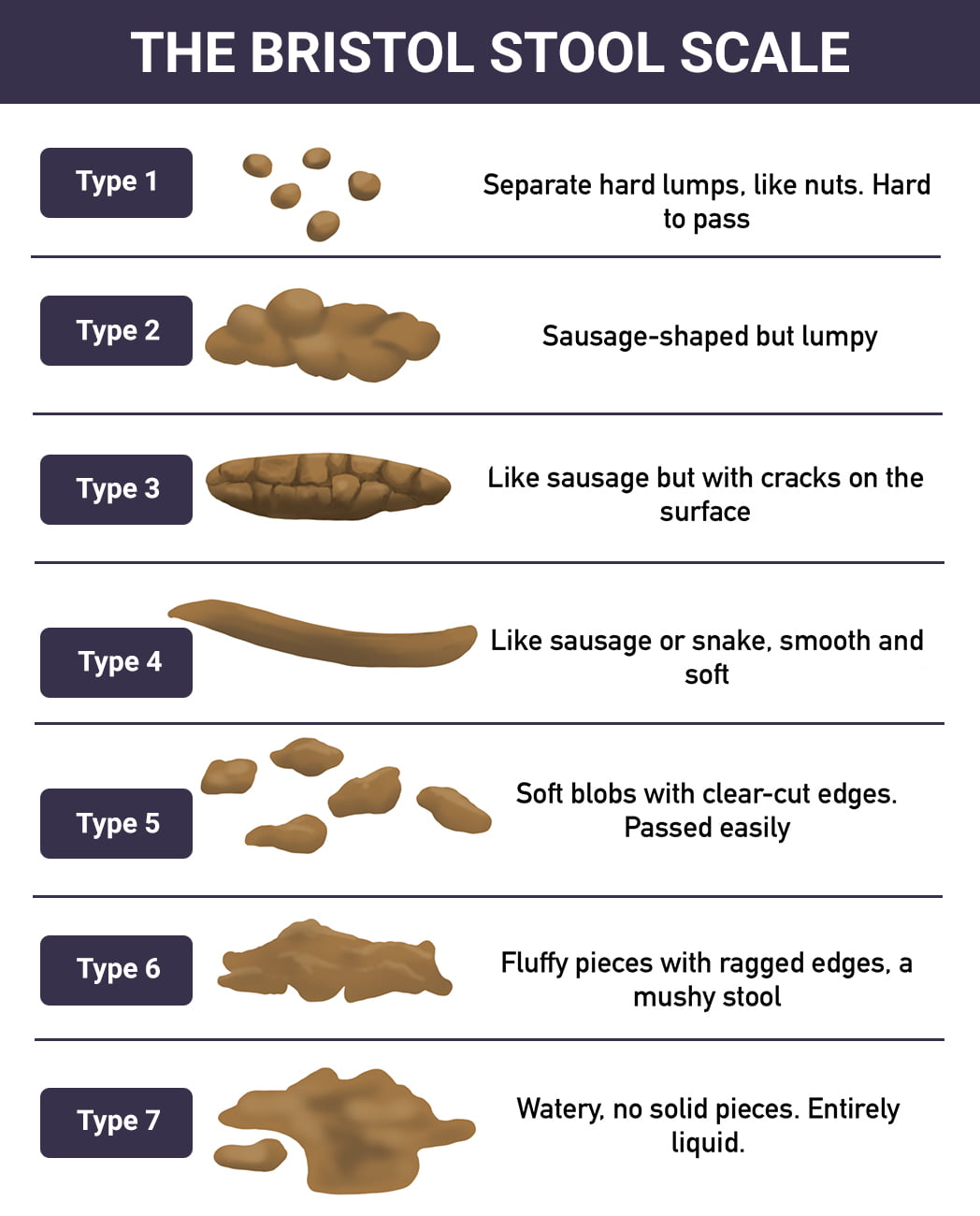
Modern wellness apps are now incorporating “digestive logging” features that use image recognition and AI to correlate food intake with digestive outcomes. By using computer vision to analyze the physical characteristics of waste and combining it with user-reported data on odor, these algorithms can provide real-time feedback. For instance, if a user’s “smell profile” shifts toward a high-sulfur concentration, the app’s AI might analyze the last 48 hours of logged meals and suggest a reduction in specific cruciferous vegetables or a change in protein sources to optimize metabolic efficiency.
The Future of Biotech: Engineering the Gut for Minimal Impact
As we look toward the future of technology in this space, we move from passive monitoring to active bio-engineering. The next decade of tech development aims not just to explain why waste smells, but to use synthetic biology to optimize the human digestive output.
CRISPR and Probiotic Engineering
Genetic engineering tools like CRISPR are being explored to create “designer probiotics.” These are engineered bacteria designed to be introduced into the human gut to neutralize the most offensive VOCs before they are even expelled. From a biotech investment perspective, this is a massive growth area. By modifying the metabolic pathways of common gut bacteria like Lactobacillus, researchers hope to create a “silent” digestive process that reduces gas production and neutralizes odors, which could have significant implications for social wellness and clinical gastrointestinal treatment.

Towards a Sustainable, Tech-Integrated Digestive Future
The ultimate goal of integrating tech with the study of digestive odors is the creation of a closed-loop health system. In this vision, your smart home detects a change in your VOC profile, your nutritional AI adjusts your grocery delivery list to include specific prebiotics, and your physician receives a notification if the chemical signature suggests an emerging health issue.
In conclusion, the question of what causes poop to smell bad is being answered through the lens of sophisticated sensors, AI algorithms, and genetic sequencing. We are transitioning from a period of biological mystery to an era of digital clarity. By treating the odors of the human body as a valuable data stream rather than a nuisance, the tech industry is unlocking new pathways for preventative medicine, personalized nutrition, and a deeper understanding of the human machine. The “smell” is no longer just a byproduct; it is a vital sign in the digital age.
aViewFromTheCave is a participant in the Amazon Services LLC Associates Program, an affiliate advertising program designed to provide a means for sites to earn advertising fees by advertising and linking to Amazon.com. Amazon, the Amazon logo, AmazonSupply, and the AmazonSupply logo are trademarks of Amazon.com, Inc. or its affiliates. As an Amazon Associate we earn affiliate commissions from qualifying purchases.