
In the rapidly evolving landscape of health technology, the traditional annual blood test is being replaced by continuous, data-driven insights. At the center of this transition is one of the most critical biomarkers in human health: creatinine. For decades, “what causes elevated creatinine levels” has been a question answered primarily in a doctor’s office after a week of waiting for laboratory results. However, as we move deeper into the era of the “Quantified Self,” technology is transforming how we detect, interpret, and respond to these physiological signals.
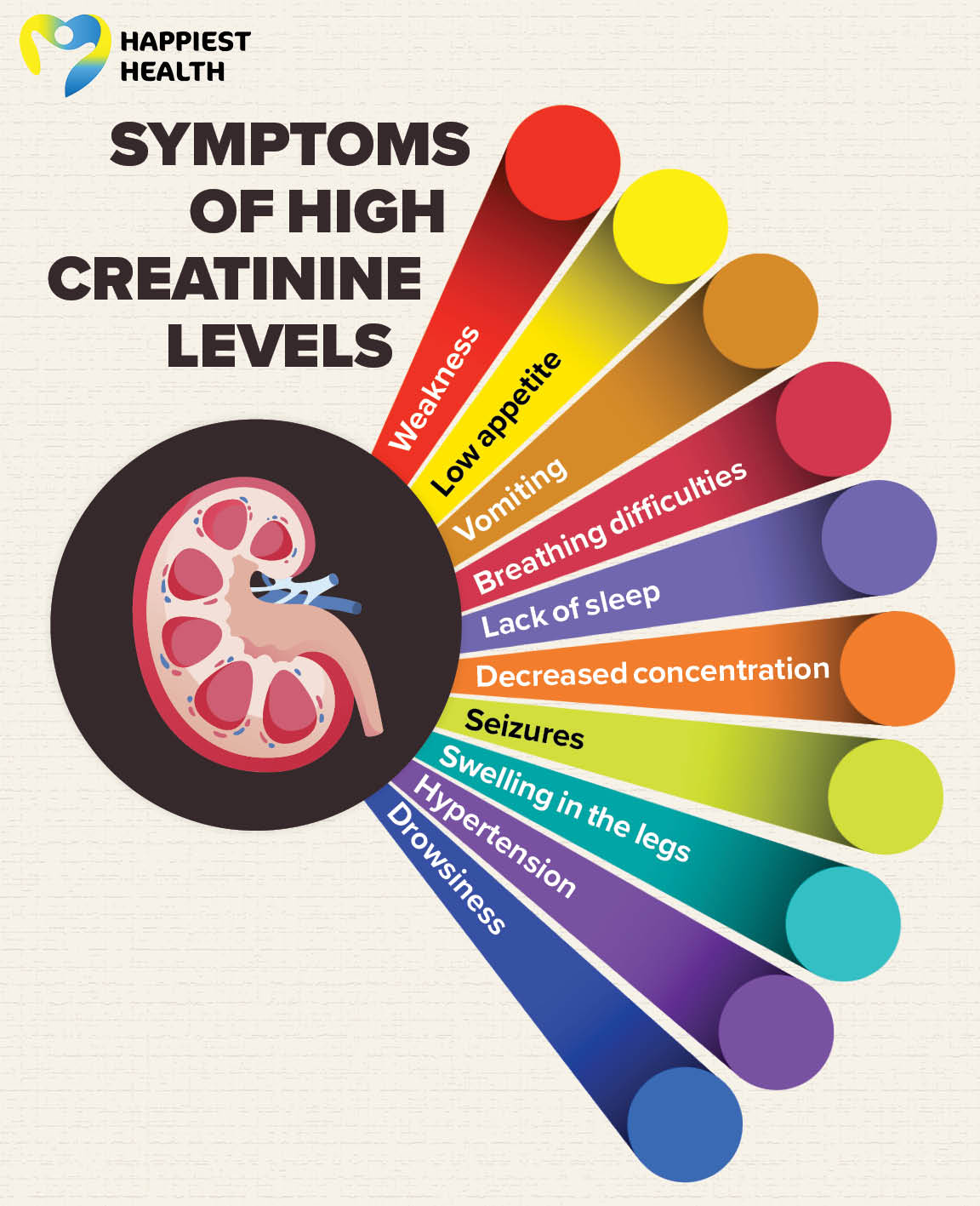
Elevated creatinine levels—typically indicative of impaired kidney function—are no longer just a medical data point; they are becoming a core metric in the health-tech ecosystem. From AI-driven predictive modeling to wearable biosensors, the tech industry is redefining renal care by providing a more granular look at what drives these spikes and how they can be managed through digital intervention.
Digital Biomarkers and the Evolution of Kidney Monitoring
The traditional method of measuring creatinine involves drawing blood and calculating the estimated Glomerular Filtration Rate (eGFR). While effective, this “snapshot” approach often misses the dynamic fluctuations caused by lifestyle, diet, or acute stress. The tech sector is bridging this gap by moving toward digital biomarkers.
From Laboratory Lag to Real-Time Data
The primary challenge with traditional creatinine monitoring is the “lag time.” By the time a patient receives a lab report showing elevated levels, the cause—be it dehydration, high-intensity exercise, or medication side effects—may have already caused minor but cumulative damage to the renal system. Modern health platforms are integrating “Point-of-Care” (PoC) testing devices that sync directly with smartphones. These devices use microfluidic technology to provide lab-grade creatinine results in minutes, allowing for immediate correlation between behavior and biological response.
The Role of AI in Interpreting Glomerular Filtration Rates (GFR)
Artificial Intelligence is proving to be a game-changer in understanding why creatinine levels rise. It is rarely a single factor; rather, it is a complex interplay of age, muscle mass, hydration, and metabolic health. AI algorithms can now ingest multi-modal data—integrating a user’s muscle mass data from smart scales, protein intake from nutritional apps, and hydration levels from smart bottles—to determine if a creatinine spike is a benign result of a high-protein diet or a warning sign of kidney dysfunction. This “context-aware” diagnostics prevents unnecessary panic while highlighting genuine risks.
Wearable Technology and the Quantified Self
Wearables have moved far beyond counting steps. The latest generation of health-tech hardware is focused on interstitial fluid analysis and non-invasive monitoring. For individuals concerned with kidney health, these gadgets provide a 24/7 window into their internal chemistry.
Non-Invasive Biosensors: The Next Frontier
One of the most exciting developments in the tech niche is the rise of transdermal biosensors. Startups are currently developing patches that use microneedles—smaller than a human hair—to sample interstitial fluid. These sensors are being calibrated to track creatinine and urea levels in real-time. By providing a continuous stream of data, these wearables can identify exactly when a user’s creatinine levels begin to trend upward, allowing the software to send a push notification recommending increased water intake or a consultation with a specialist.
Integrating IoT for Chronic Kidney Disease (CKD) Management
The Internet of Things (IoT) is creating a “connected clinic” environment for those managing chronic conditions. For patients with CKD, elevated creatinine is a constant threat. Smart home systems can now integrate with dialysis machines, smart toilets (which can analyze urine for protein and creatinine clearance), and medication dispensers. When these devices are networked, they create a comprehensive safety net. If the “smart toilet” detects a decrease in creatinine clearance, the system can automatically update the patient’s electronic health record (EHR) and alert their medical team, often before the patient even feels a single symptom.

Predictive Analytics: Identifying Causes Before the Spike
The true power of technology lies not just in monitoring, but in prediction. Machine learning (ML) thrives on large datasets, and the global aggregation of renal data is allowing tech companies to build models that predict renal failure with startling accuracy.
Machine Learning Models for Early Detection
What causes elevated creatinine levels is often a series of “micro-events.” Perhaps a patient started a new supplement, had a bout of mild dehydration, and took an over-the-counter NSAID—all in the same week. A human might not connect these dots, but an ML model trained on millions of patient histories can. Companies are developing SaaS (Software as a Service) platforms for hospitals that scan patient data to flag those at high risk of Acute Kidney Injury (AKI). By identifying these risks early, clinicians can adjust medication dosages or hydration protocols, preventing the creatinine level from ever reaching a dangerous threshold.
Genomic Sequencing and Personalizing Renal Care
The tech-driven field of pharmacogenomics is also shedding light on creatinine levels. We now know that certain genetic markers influence how the body processes creatinine and how the kidneys respond to certain toxins. Consumer genetics companies are increasingly offering reports on “renal predisposition.” By combining genetic data with real-time creatinine monitoring, health-tech platforms can offer “Hyper-Personalized Health Insights.” For instance, a user might receive an alert saying, “Based on your genetic profile and current creatinine levels, you should avoid high-dose creatine supplements, as your kidneys process them 20% slower than average.”
The Intersection of Software and Specialized Care
As the hardware and algorithms mature, the software layer—the interface between the patient and the data—becomes the most critical component. This is where “Big Data” becomes “Actionable Insight.”
Telemedicine and Remote Patient Monitoring (RPM)
The rise of Telemedicine has been accelerated by the development of robust Remote Patient Monitoring (RPM) software. For those with fluctuating creatinine levels, RPM allows for a “virtual ward” experience. Patients can upload their creatinine levels via an app, and the software uses “threshold-based alerting” to prioritize which patients a doctor should see first. This efficiency is vital in managing the global burden of kidney disease, where the number of nephrologists is often insufficient to meet patient demand.
Blockchain for Secure Medical Data Interchange
Because creatinine levels and renal history are sensitive pieces of medical data, security is paramount. Blockchain technology is being explored as a method to create immutable, patient-owned health records. In this model, a patient’s creatinine history is stored on a decentralized ledger. Whether they are seeing a specialist in New York or an emergency room doctor in London, the patient can grant immediate, secure access to their full diagnostic history. This ensures that any “elevated level” is viewed within the context of years of data, rather than as an isolated, potentially misleading incident.

The Algorithmic Future of Renal Health
Understanding what causes elevated creatinine levels is no longer a mystery reserved for the medical elite. Through the democratization of data and the advancement of health technology, individuals are more empowered than ever to take control of their renal health. We are moving toward a future where “preventative maintenance” is the standard.
In this new paradigm, your smartwatch might tell you to drink a glass of water because your interstitial creatinine levels are rising, your AI assistant might suggest a different workout supplement based on your latest lab sync, and your doctor might receive an automated alert from a predictive model weeks before your kidneys are in actual distress.
The convergence of AI, IoT, and biosensing technology is turning the “why” behind elevated creatinine into a solvable equation. As these tools become more accessible, the focus will shift from treating kidney disease to maintaining optimal kidney performance through the power of tech. The question is no longer just “what causes elevated creatinine,” but rather, “how can we use technology to ensure our kidneys never reach that point of failure?” The answer lies in the code, the sensors, and the data that are redefining the boundaries of modern medicine.
aViewFromTheCave is a participant in the Amazon Services LLC Associates Program, an affiliate advertising program designed to provide a means for sites to earn advertising fees by advertising and linking to Amazon.com. Amazon, the Amazon logo, AmazonSupply, and the AmazonSupply logo are trademarks of Amazon.com, Inc. or its affiliates. As an Amazon Associate we earn affiliate commissions from qualifying purchases.