
The mystery of neurodegenerative diseases, particularly Alzheimer’s, has long centered on a single biological antagonist: amyloid plaques. These sticky buildups of protein fragments, known as beta-amyloid, accumulate between nerve cells, disrupting communication and eventually leading to cognitive decline. While the biological “what” and “why” have haunted laboratories for decades, the search for what causes these plaques has shifted from the microscope to the supercomputer. In the modern era, the question of what causes amyloid plaques in the brain is no longer just a medical inquiry; it is a high-stakes technological challenge.
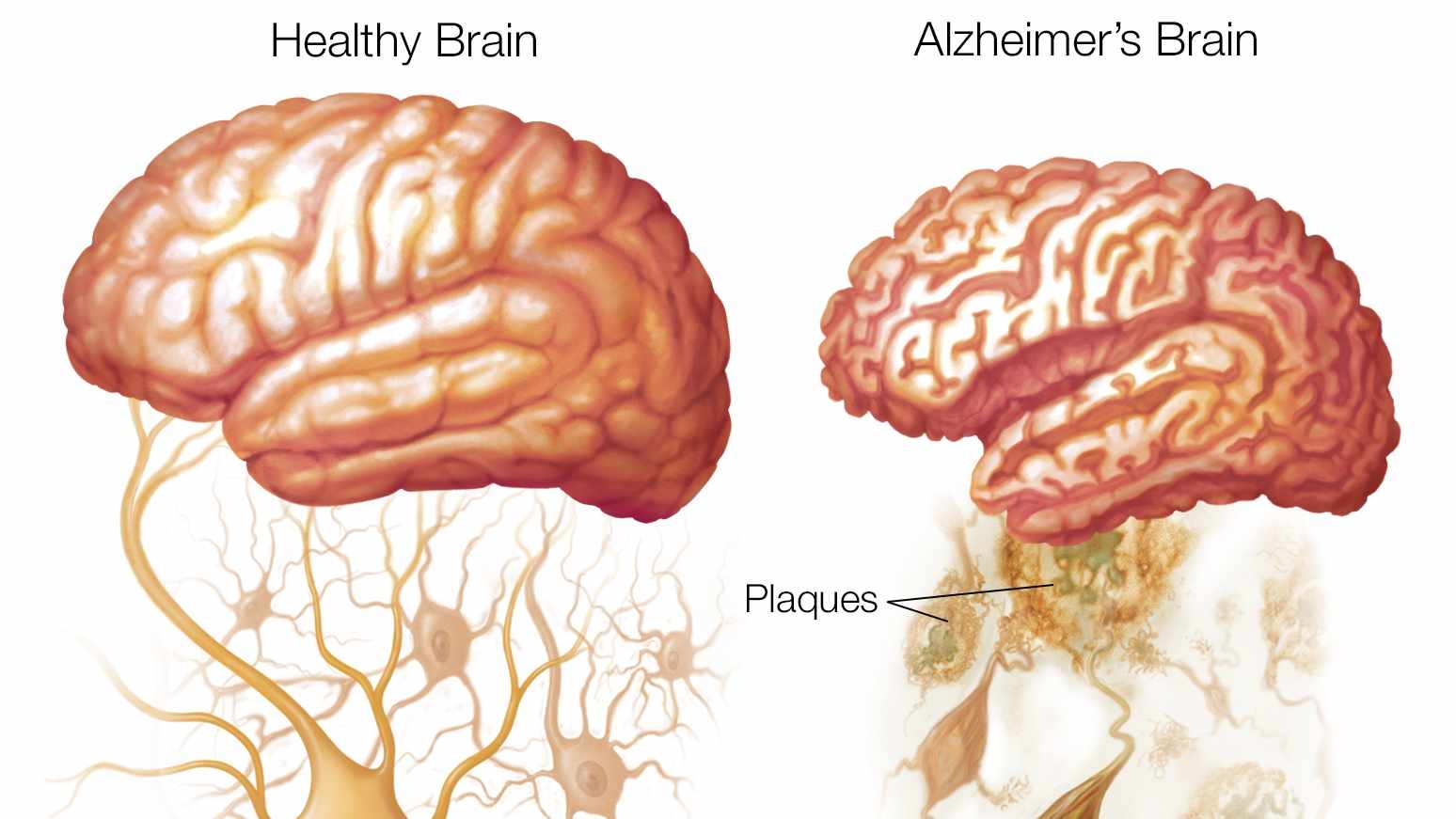
From artificial intelligence (AI) and machine learning (ML) to high-resolution neuroimaging and CRISPR gene editing, the tech sector is providing the diagnostic and analytical tools necessary to understand the root triggers of protein misfolding. By leveraging massive datasets and computational power, we are finally beginning to see the digital blueprint of how these plaques form and, more importantly, how technology can intervene.
Artificial Intelligence and the Search for Causal Mechanisms
At the core of the amyloid mystery is the process of protein folding. Proteins are the workhorses of the body, and their function is determined by their complex three-dimensional shapes. When proteins misfold, they can aggregate into toxic plaques. For years, scientists struggled to predict how these shapes formed. Enter the era of computational biology.
Deep Learning and Pattern Recognition in Beta-Amyloid Folding
The emergence of AI models like DeepMind’s AlphaFold has revolutionized our understanding of protein structures. By using deep learning algorithms, researchers can now predict the 3D structure of proteins with unprecedented accuracy. When applying these tools to the question of amyloid plaques, AI identifies the specific sequences and environmental triggers that cause a harmless protein to morph into a pathological one.
Machine learning models analyze thousands of variables—from genetic markers to lifestyle data—to identify patterns that human researchers might miss. These algorithms can pinpoint the exact moment a “seed” of amyloid begins to crystallize, providing a digital window into the early-stage causes of plaque formation.
Predictive Modeling: Simulating Protein Misfolding at Scale
Beyond static structures, technology allows for dynamic simulation. Using high-performance computing (HPC), scientists create “digital twins” of brain environments. These simulations allow researchers to test how different variables—such as oxidative stress or metal ion concentrations—contribute to the aggregation of amyloid-beta.
By running millions of permutations in a virtual environment, tech-driven research can rule out “noise” and focus on the most likely causal factors. This predictive modeling reduces the time required for lab-based experimentation, moving us closer to understanding the systemic failures that lead to plaque buildup.
Advanced Neuroimaging and the Evolution of Digital Biomarkers
Understanding what causes amyloid plaques requires seeing them long before clinical symptoms appear. The tech industry has responded by developing imaging hardware and software that can detect “invisible” changes in the brain’s architecture.
High-Resolution PET Scans and Visualization Software
Positron Emission Tomography (PET) imaging has undergone a massive technological upgrade. Modern scanners, combined with advanced radiopharmaceuticals, can now highlight amyloid deposits with surgical precision. However, the real breakthrough lies in the software. AI-driven image enhancement can now filter out background “noise” in brain scans, allowing for the detection of amyloid clusters that are too small for the human eye to perceive.
Sophisticated visualization tools allow neurologists to map the density and distribution of these plaques in 3D space. By tracking how these plaques move and grow over time via longitudinal data analysis, technology helps researchers correlate specific life events or biological changes with the acceleration of plaque growth.
Wearable Tech and Early Detection Through Behavioral Data
The next frontier in identifying the causes of amyloid plaques isn’t in the hospital—it’s on your wrist. Wearable devices are now being used to collect “digital biomarkers.” Changes in sleep patterns, gait, and even minor shifts in speech cadence can be tracked by sophisticated sensors and processed by cloud-based AI.
Research suggests that chronic sleep deprivation may be a primary driver of amyloid accumulation, as the brain’s glymphatic system (its “waste management” tech) operates primarily during deep sleep. Wearables provide the granular data necessary to prove these causal links, offering a proactive approach to monitoring brain health through data science.
Precision Medicine and the Bio-Tech Convergence
As we identify the technological markers of plaque formation, the focus shifts to tech-driven intervention. Precision medicine relies on the convergence of biotechnology and data analytics to create personalized treatment pathways.
CRISPR and Gene-Editing Technologies as Preventative Tools
One of the most profound technological advancements in recent years is CRISPR-Cas9. This gene-editing tool allows for the precise modification of DNA sequences. In the context of amyloid plaques, tech firms are exploring how to “switch off” the genes responsible for the overproduction of amyloid-beta precursor proteins.
By using bioinformatics to map an individual’s genome, researchers can identify genetic predispositions—such as the APOE-ε4 allele—that cause a higher likelihood of plaque formation. CRISPR offers a potential technological “patch” for the biological code, potentially preventing the cause of plaques at the genomic level before they ever begin to manifest.
Data-Driven Therapeutic Development: Accelerating the Pipeline
The traditional drug discovery process is notoriously slow and expensive. However, “In Silico” drug design—the use of computer simulations to develop pharmaceuticals—is changing the game. By using AI to screen billions of chemical compounds against a digital model of an amyloid plaque, tech companies can identify potential “plaque-busters” in a fraction of the time.
Cloud computing platforms enable global collaboration, allowing researchers to share massive datasets from clinical trials. This collective intelligence helps identify why certain treatments fail and how the underlying causes of plaques vary across different populations. The result is a more agile, data-backed approach to solving one of the most complex puzzles in modern science.
The Future of Cognitive Tech: Nanotechnology and BCI
Looking forward, the integration of technology and biology will become even more intimate. The future of understanding and treating the causes of amyloid plaques lies in the realm of the ultra-small and the ultra-connected.
Nanobots for Plaque Clearance: From Theory to Laboratory
Nanotechnology represents a paradigm shift in how we interact with the brain. Researchers are currently developing biocompatible nanobots—microscopic machines capable of crossing the blood-brain barrier. These devices could, in theory, be programmed to identify amyloid-beta monomers and prevent them from clumping together.
Furthermore, these nanobots could act as internal sensors, transmitting real-time data about the brain’s chemical environment to an external device. This would allow for a “real-time” understanding of what causes plaque spikes, such as localized inflammation or glucose imbalances, providing a level of diagnostic detail previously thought impossible.
Brain-Computer Interfaces (BCI) in Monitoring Neurological Integrity
Brain-Computer Interfaces, such as those being developed by Neuralink and Synchron, offer a direct link between neural activity and external computers. While often discussed in the context of mobility or communication, BCIs have massive potential for neurodegenerative research.
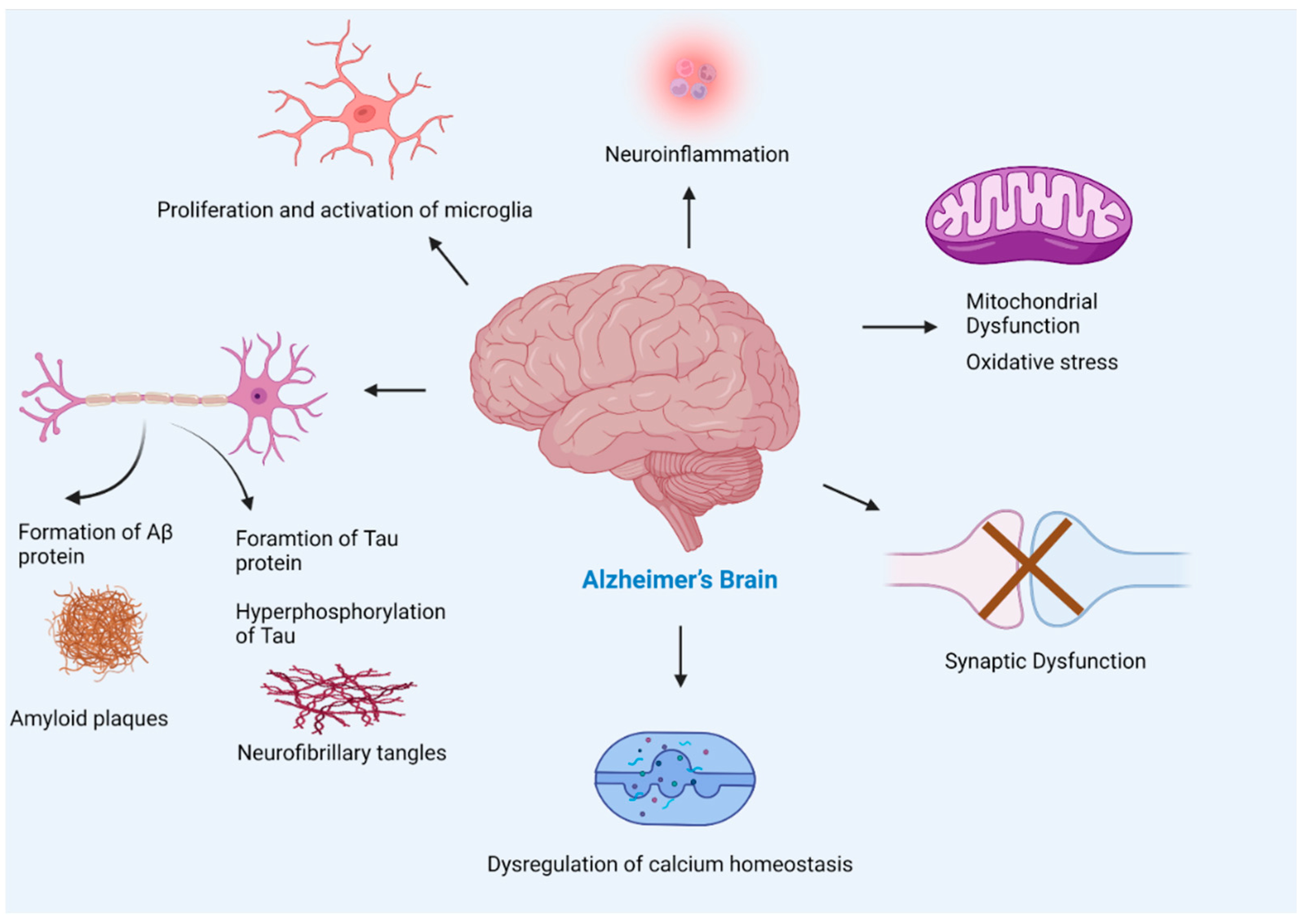
By monitoring the electrical signals of the brain at a granular level, BCIs can detect the “misfiring” that occurs when amyloid plaques begin to disrupt synaptic connections. This provides a functional map of the damage caused by plaques. In the future, BCIs might even be used to stimulate specific brain regions to enhance the clearance of metabolic waste, leveraging the body’s own tech to fight the causes of cognitive decline.

Conclusion: The Digital Path to a Plaque-Free Future
The question of what causes amyloid plaques in the brain is no longer a mystery locked away in a biological “black box.” Through the lens of technology, we are beginning to see the intricate interplay of genetics, environment, and cellular mechanics.
From the AI algorithms that predict protein misfolding to the wearables that track our brain’s nightly “clean-up” cycles, technology is the primary driver of progress in this field. We are moving away from a reactive model of medicine toward a proactive, tech-enabled strategy of prevention and precision. As our computational power grows and our diagnostic tools become more refined, the goal of not just understanding—but ultimately eliminating—the causes of amyloid plaques becomes an achievable digital milestone. The silicon frontier is, quite literally, the key to saving the human mind.
aViewFromTheCave is a participant in the Amazon Services LLC Associates Program, an affiliate advertising program designed to provide a means for sites to earn advertising fees by advertising and linking to Amazon.com. Amazon, the Amazon logo, AmazonSupply, and the AmazonSupply logo are trademarks of Amazon.com, Inc. or its affiliates. As an Amazon Associate we earn affiliate commissions from qualifying purchases.