
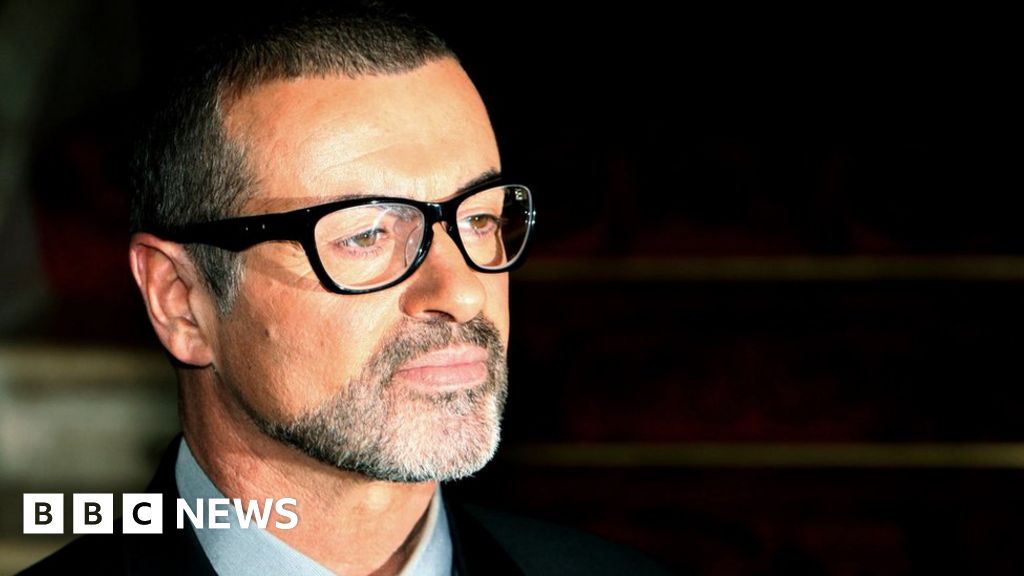
On Christmas Day, 2016, the world lost one of its most prolific musical icons. While the coroner’s report eventually cited natural causes—dilated cardiomyopathy with myocarditis and a fatty liver—the marketing and branding world viewed the event through a different lens. The “death” of George Michael as a physical entity marked a pivotal transition for the “George Michael” brand.
In the high-stakes world of global entertainment, a personal brand is often more resilient than the person behind it. This article explores how George Michael’s brand survived personal scandals, legal battles, and eventually his own passing, offering a masterclass in personal branding, corporate identity, and the strategic management of a legacy.
The Anatomy of a Personal Brand Evolution
The longevity of George Michael’s brand was not an accident; it was the result of a series of calculated, often risky, rebrandings. To understand what sustained his brand until his death and beyond, we must look at the structural pivots he made during his career.
From Wham! to Solo: The Strategic Pivot
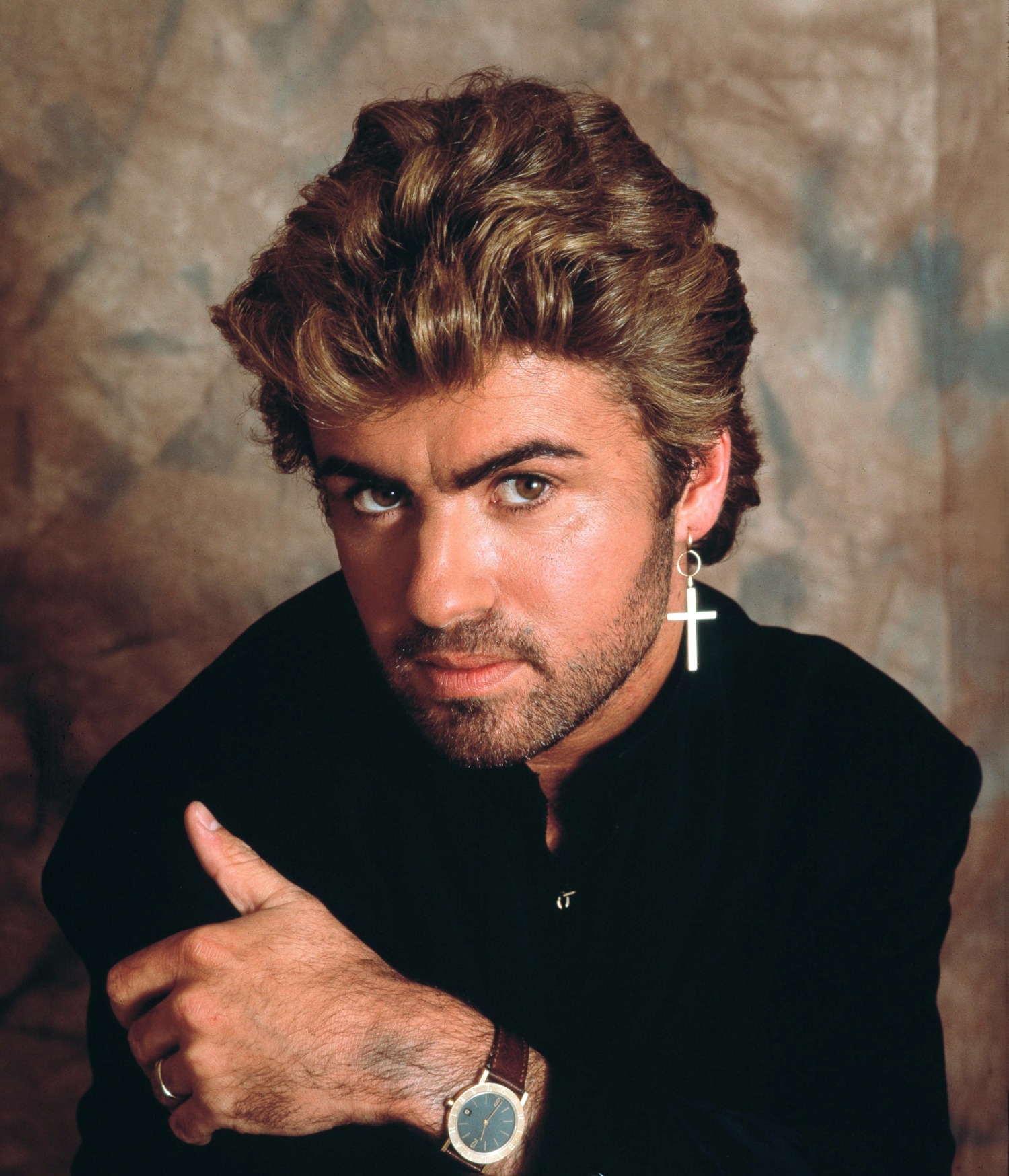
In the early 1980s, the George Michael brand was synonymous with the sunshine-pop of Wham!. The brand identity was built on youth, exuberance, and “Choose Life” t-shirts. However, Michael recognized early on that a brand built solely on “teen idol” status has a short shelf life.
His transition to a solo artist with the album Faith was a textbook example of a brand pivot. He shed the colorful shorts for leather jackets, stubble, and a more mature, soulful sound. This wasn’t just a musical shift; it was a total repositioning of his personal brand to capture a wider, more affluent, and older demographic while maintaining his existing fan base.
Faith and the Mastery of Image Control
During the Faith era, Michael understood a fundamental rule of branding: scarcity creates value. By the time he reached the height of his solo fame, he began to pull back from the traditional “pop star” marketing machine. He famously refused to appear in the music video for “Freedom! ’90,” instead casting supermodels to lip-sync the lyrics. This move allowed the brand to transcend his physical appearance, turning “George Michael” into an aesthetic and an idea rather than just a face.
Crisis Management and Authenticity as a Brand Pillar
One of the most significant threats to any brand—corporate or personal—is a PR crisis. George Michael faced several that could have “killed” his brand decades before his physical passing. However, his approach to crisis management redefined how modern celebrities and brands handle controversy.
Turning Controversy into Connectivity
In 1998, Michael’s arrest in a Beverly Hills park for “lewd behavior” threatened to alienate his global audience and destroy his commercial viability. At a time when the media was less forgiving, Michael made a strategic decision to lean into the controversy rather than hide from it.
He did not issue a sanitized, corporate apology. Instead, he did an interview with CNN, came out publicly, and then released the song “Outside.” The accompanying music video parodied the incident, featuring disco-dancing police officers. By reclaiming the narrative, he transformed a potential brand-killing scandal into a moment of radical authenticity. In branding terms, he moved from being a “product” to being a “human,” which fostered a deeper, more loyal connection with his audience.
The Power of Radical Transparency in Branding
In the years leading up to his death, George Michael’s brand was characterized by a refusal to play the industry game. His legal battle with Sony Music in the 1990s was a landmark case in brand autonomy. He argued that the label’s control over his creative output was “professional slavery.”
While he lost the case legally, he won the brand war. He positioned himself as a champion for artist rights and creative integrity. This reinforced his corporate identity as an uncompromising artist, a trait that continues to define his brand’s value today. For modern brands, this teaches a vital lesson: standing for a principle, even at a financial cost, builds a brand equity that lasts longer than any single product cycle.
The Financial and Strategic Value of Post-Mortem Branding
The “death” of George Michael did not end his commercial influence; it merely shifted the brand into a new phase of estate management. Post-mortem branding is a delicate balance between honoring a legacy and maintaining financial relevance in a digital-first economy.
Managing the Estate: The Business of Legacy
Since his death, George Michael’s estate has been meticulously managed to ensure that his brand remains premium. This involves a strict curation of how his music and image are used. Unlike some celebrity estates that over-saturate the market with unreleased demos and cheap merchandise, Michael’s executors have focused on high-quality reissues, such as the Listen Without Prejudice Vol. 1 box set, and the documentary George Michael Freedom Uncut.
This “less is more” strategy keeps the brand’s “prestige” status intact. In brand strategy, this is known as maintaining the “luxury positioning.” By limiting supply and focusing on high-production-value projects, the estate ensures that George Michael remains an aspirational figure in pop culture.
Maintaining Relevance in the Digital Era
Digital transformation is the biggest challenge for legacy brands. For George Michael, this meant navigating the shift from physical sales to streaming and social media. His team has successfully utilized platforms like TikTok and Instagram to introduce his catalog to Gen Z.
Songs like “Careless Whisper” and “Last Christmas” have become perennial digital assets. “Last Christmas,” in particular, is a masterclass in seasonal branding. It has become a recurring revenue stream that reactivates the brand every December, ensuring that “George Michael” remains a household name for new generations who weren’t even born during his peak years.
Lessons for Modern Marketers and Personal Brands
What “caused” the enduring life of George Michael’s brand, despite his physical death, was a combination of authenticity, strategic evolution, and uncompromising quality. There are three key takeaways for today’s brand managers and entrepreneurs.
Consistency vs. Evolution
A brand must remain consistent in its core values but must evolve in its presentation. George Michael was always about “soul” and “voice,” but his visual identity and musical style changed with the decades. For a brand to survive forty years, it must be willing to shed its old skin while keeping its skeleton intact.
The “Soul” of the Brand: Philanthropy and Values
After his death, stories emerged of his immense, secret philanthropy—donating millions to charities and individuals in need. This “hidden” part of his brand became public at the perfect moment, reinforcing the “soulful” identity he had cultivated for years. It proved that a brand’s values shouldn’t just be a marketing slogan; they should be baked into the brand’s DNA. Authenticity is the ultimate brand protection.

Ownership and Autonomy
The George Michael story is ultimately about the fight for brand ownership. Whether it was fighting Sony or reclaiming his narrative after a scandal, Michael insisted on being the architect of his own identity. In the modern era of “influencer” culture and corporate sponsorships, the lesson is clear: if you don’t own your brand, someone else will define it for you.
In conclusion, while George Michael’s physical death was a result of medical conditions, his brand remains very much alive. It lives on through a carefully curated legacy that prioritizes quality over quantity and authenticity over artifice. He didn’t just leave behind a catalog of music; he left behind a blueprint for how to build a brand that can survive the ultimate test of time. For marketers and business leaders, the “George Michael” case study serves as a reminder that a well-built brand is perhaps the only thing that can truly achieve immortality.
aViewFromTheCave is a participant in the Amazon Services LLC Associates Program, an affiliate advertising program designed to provide a means for sites to earn advertising fees by advertising and linking to Amazon.com. Amazon, the Amazon logo, AmazonSupply, and the AmazonSupply logo are trademarks of Amazon.com, Inc. or its affiliates. As an Amazon Associate we earn affiliate commissions from qualifying purchases.