
In the fast-paced world of e-commerce, small business operations, and ambitious side hustles, every detail can impact the bottom line. Among the most critical yet often overlooked factors is a precise understanding of shipping logistics, particularly “What are USPS business days?” Far from being a mere calendar query, this question holds profound financial implications for any entity that ships goods, from managing cash flow and inventory to setting realistic customer expectations and avoiding costly delays. For businesses looking to optimize their finances, understanding the operational rhythm of the United States Postal Service is not just good practice—it’s a financial imperative.

Decoding USPS Business Days: The Core Definition for Financial Planners
At its most fundamental, a USPS business day refers to any day the Postal Service is open for business and operating its standard delivery and collection services. However, a superficial understanding can lead to significant financial missteps. For those tracking expenses, revenue recognition, and delivery promises, a deeper dive into the definition is essential.
Standard Operational Calendar: Foundation of Financial Planning
Generally, USPS business days are Monday through Saturday. This encompasses the days when mail is typically processed, transported, and delivered across the vast postal network. Sundays are traditionally not considered business days for most standard mail services, nor are federal holidays. For businesses, this six-day operational week forms the basis for all shipping timelines and, by extension, cash flow projections. If a product is shipped on a Friday, understanding that Saturday counts as a business day for some services can mean the difference between timely delivery and a customer complaint, potentially impacting future sales and return rates—all directly affecting financial health. Miscalculating delivery windows can lead to unexpected expedited shipping costs to meet deadlines or even penalties for late fulfillment from platform marketplaces.
Understanding Holiday Exceptions and Their Financial Impact
The financial ramifications of federal holidays on USPS operations are often underestimated. On these days, post offices are closed, and there is no regular mail delivery or collection. The list of USPS holidays includes:
- New Year’s Day
- Martin Luther King, Jr. Day
- Presidents’ Day
- Memorial Day
- Juneteenth National Independence Day
- Independence Day
- Labor Day
- Columbus Day
- Veterans Day
- Thanksgiving Day
- Christmas Day
For businesses, these holidays effectively extend shipping times. A package sent the day before a holiday will experience an additional day of transit, pushing back delivery expectations. This directly impacts revenue recognition for delivered goods, can delay payment receipt from marketplaces or customers, and requires careful inventory planning to avoid stockouts due to extended transit times. Financially savvy businesses proactively adjust their shipping cutoff times and communicate these changes clearly to customers, thereby managing expectations and safeguarding their reputation and future revenue streams. Failure to account for these delays can lead to customer service overheads, refunds, or even chargebacks—all hitting the bottom line.
Differentiating Service Levels and Business Day Relevance
Not all USPS services adhere to the same definition of a “business day,” and understanding these nuances can unlock cost efficiencies or prevent financial losses.
- Priority Mail Express: This premium service often offers Sunday and holiday delivery in certain areas for an additional cost. For urgent shipments where time truly equals money (e.g., perishable goods, critical documents, high-value items needing quick turnaround), this service, despite its higher price point, can be a valuable investment. The ability to guarantee a delivery outside standard business days can secure a sale, prevent a penalty, or maintain a critical supply chain link.
- Priority Mail, First-Class Mail, USPS Ground Advantage: These standard services generally adhere to the Monday-Saturday business day schedule, with no delivery on Sundays or federal holidays.
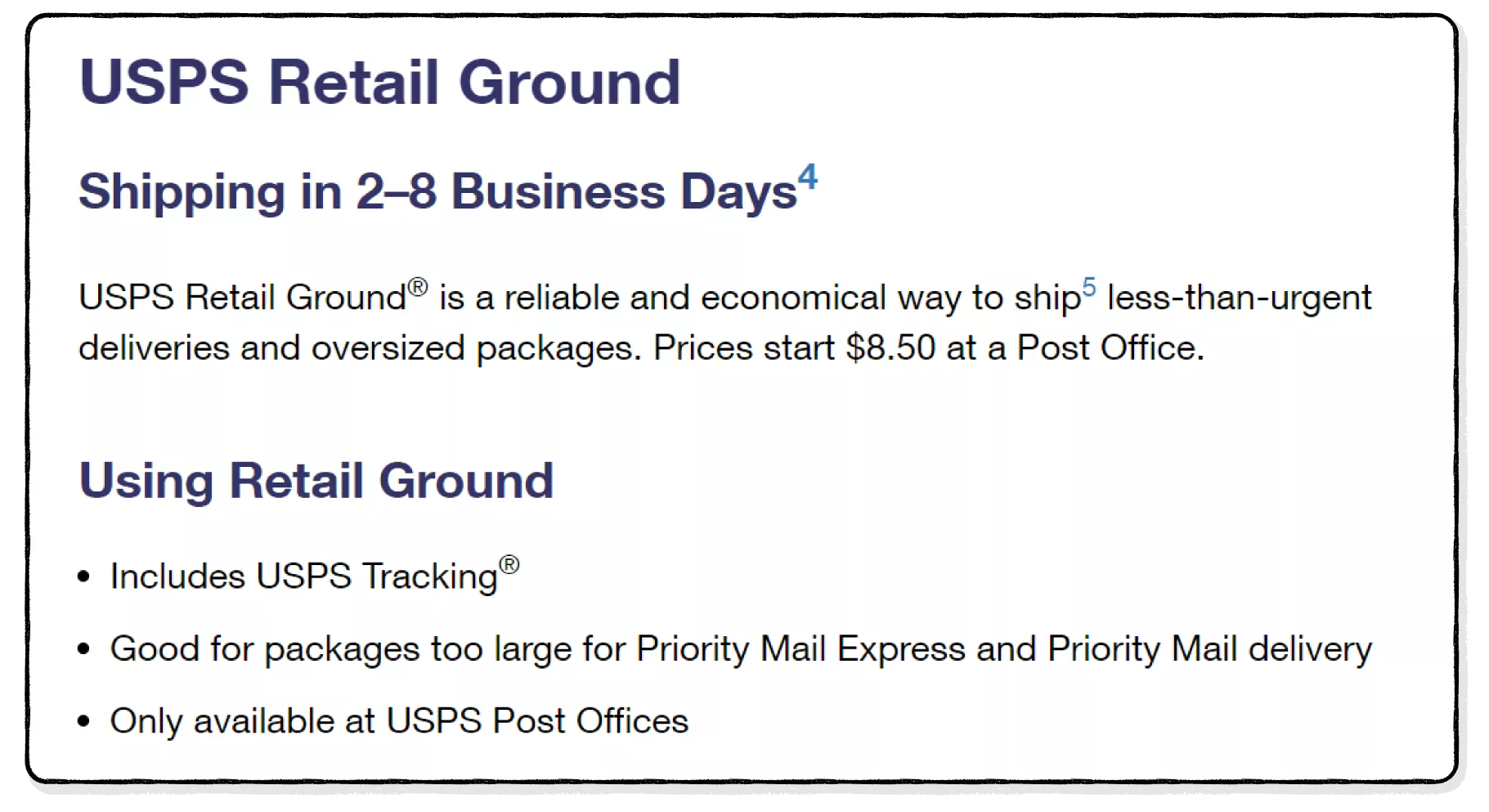
- USPS Retail Ground, Media Mail: These are generally slower, more economical services. While they also follow the Monday-Saturday schedule, their extended transit times mean that holiday interruptions have an even more pronounced effect on their ultimate delivery date, making careful financial planning around inventory and customer expectations paramount.
Businesses must align their choice of service level with the financial value and urgency of the shipment, balancing cost-effectiveness with delivery speed. Opting for a cheaper, slower service when a critical deadline looms can be a false economy, leading to lost sales or damaged customer relationships.
The Financial Imperative: Why Business Days Matter for Your Bottom Line
Understanding USPS business days transcends logistical convenience; it is a critical component of sound financial management. Every aspect, from cash flow to inventory and customer relations, is directly influenced by the rhythm of postal operations.
Impact on Cash Flow and Revenue Recognition
For many businesses, particularly those operating online, revenue recognition is tied to the successful delivery of products. The longer a package is in transit, the longer it takes for that revenue to be fully realized and for funds to hit the bank account, impacting immediate cash flow. Businesses on marketplaces like Amazon or eBay often have payments released only after delivery confirmation. Delays caused by miscalculating business days can thus directly affect liquidity, making it harder to cover operational expenses, restock inventory, or invest in growth. Smart financial managers will factor in realistic delivery times, including holiday interruptions, when forecasting cash flow and setting payment terms.

Managing Inventory and Supply Chain Costs
Precise knowledge of shipping days is vital for efficient inventory management. Businesses need to know when incoming supplies will arrive to prevent costly stockouts that lead to lost sales, or conversely, overstocking that ties up capital in inventory. Outgoing shipments also depend on this. If a product takes longer to reach the customer due to misjudged transit times, it can disrupt production schedules, delay subsequent orders, and even trigger storage fees if products arrive at distribution centers earlier or later than expected. By accurately accounting for USPS business days and holiday breaks, businesses can optimize their reorder points, minimize carrying costs, and ensure a smoother, more cost-effective supply chain.
Avoiding Expedited Shipping Fees and Surcharges
One of the most direct financial impacts of misunderstanding business days is the unnecessary expenditure on expedited shipping. When a delivery deadline looms and a standard shipment is tracking late due to an overlooked holiday or Saturday not counting as a “business day” in a sender’s mental calculation, businesses often resort to expensive overnight or express services to rectify the mistake. These last-minute charges can quickly erode profit margins, especially for lower-value items. By meticulously planning shipments around the actual USPS calendar, businesses can consistently opt for the most cost-effective standard shipping options, reserving premium services only for truly urgent, planned scenarios, thereby directly protecting their profitability.
E-commerce and Side Hustles: Optimizing for Profitability
For the burgeoning sector of e-commerce entrepreneurs and individuals running lucrative side hustles, a mastery of USPS business days isn’t just about good customer service—it’s about maximizing profit margins and sustaining growth.
Setting Realistic Customer Expectations and Preventing Chargebacks
In the digital marketplace, customer satisfaction is inextricably linked to clear communication and reliable delivery. Misleading delivery estimates, even unintentional ones due to a poor understanding of USPS business days, can lead to frustrated customers, negative reviews, and ultimately, costly chargebacks. Chargebacks not only result in lost revenue but can also incur additional fees and damage a seller’s reputation on platforms. Businesses must clearly communicate shipping times, explicitly stating that these are “business days” and detailing potential holiday impacts. Implementing tools that automatically calculate estimated delivery dates based on the USPS calendar and current processing times can be a wise financial investment, reducing customer service inquiries and preserving profit by preventing returns and chargebacks.
Strategic Shipping Cut-off Times for Timely Deliveries
Understanding daily shipping cut-off times is another critical financial lever. Most USPS facilities have a specific time each day by which packages must be dropped off to be processed and dispatched the same day. Missing this cut-off means the package effectively sits for another full business day, pushing back delivery by 24 hours. For an e-commerce operation, this delay can be the difference between meeting a promised delivery window and failing, leading to potential refunds or expedited shipping costs. By integrating these cut-off times into daily operations, businesses can streamline their packing and shipping processes, ensuring maximum efficiency and avoiding costly delays that can affect customer loyalty and future sales. This is especially pertinent for businesses with tight operational schedules, where every minute counts towards processing orders and ensuring timely dispatch.
Leveraging USPS Services for Cost-Effective Operations
The USPS offers a diverse range of services, each with its own cost structure and delivery timeline. Smart businesses leverage their understanding of business days to choose the most financially advantageous service for each shipment.
- Flat Rate vs. Regional Rate: For certain package sizes and weights, Flat Rate boxes can be highly cost-effective, offering predictable pricing regardless of distance. However, for shorter distances, Regional Rate boxes (available to commercial customers) can sometimes offer even greater savings. Knowing how many business days these services typically take allows businesses to balance cost with the required delivery speed.
- Commercial Plus Pricing: High-volume shippers can qualify for Commercial Plus Pricing, offering significant discounts. Understanding business days helps businesses predict their monthly shipping volume more accurately, allowing them to qualify for and maintain these financially beneficial rates.
- Media Mail: For eligible items like books and CDs, Media Mail offers extremely low rates, though with significantly longer transit times. For businesses selling such items, using Media Mail when delivery isn’t time-sensitive frees up capital that would otherwise be spent on faster, more expensive services, directly boosting profit margins. The longer delivery window due to standard business days, however, needs to be clearly communicated to customers.
Mitigating Risks and Enhancing Financial Resilience
In the fluctuating landscape of commerce, unexpected shipping issues can quickly turn a profitable transaction into a financial loss. Proactive planning, informed by a solid grasp of USPS business days, is essential for mitigating these risks and building financial resilience.
Planning for Unexpected Delays and Contingency Budgets
Even with the most meticulous planning around USPS business days and holidays, unforeseen circumstances can cause delays—weather events, operational disruptions, or high-volume periods. Financially savvy businesses understand that “stuff happens” and incorporate a contingency budget or buffer into their shipping strategy. This might involve:
- Building in Extra Days: Adding a day or two to estimated delivery times, especially for international shipments or during peak seasons, can manage customer expectations and prevent the need for costly last-minute fixes.
- Emergency Fund for Expedited Shipping: Allocating a small portion of the budget specifically for emergency expedited shipping can provide a safety net when critical deliveries face unexpected delays, protecting valuable client relationships or preventing contract penalties.
- Diversifying Shipping Carriers: While this article focuses on USPS, a complete risk mitigation strategy might include having accounts with other carriers, allowing for flexibility and alternative options when USPS services are significantly impacted.
The Role of Insurance and Tracking in Financial Protection
For businesses, every package represents an asset, and its safe, timely arrival is critical.
- USPS Tracking: While not guaranteeing delivery speed, tracking provides visibility into the package’s journey, allowing businesses to proactively address potential delays and inform customers. This transparency can prevent customer disputes and chargebacks, thereby protecting revenue.
- Shipping Insurance: For high-value items, purchasing shipping insurance is a prudent financial decision. If a package is lost or damaged, insurance reimburses the declared value, preventing a direct financial loss for the business. Understanding the declared value limits and costs associated with different USPS services is key to making an informed financial decision. While an added expense, it’s a form of risk management that protects against potentially larger losses.
Evaluating Carrier Performance for Cost-Efficiency and Reliability
Finally, ongoing evaluation of USPS performance, particularly concerning their adherence to stated business days and delivery timelines, is crucial for long-term financial health.
- Regular Audits: Periodically auditing shipping costs against delivery performance allows businesses to identify inefficiencies or recurring problems. Are packages consistently taking longer than the estimated business days? If so, it might be worth re-evaluating the chosen service level or carrier strategy.
- Customer Feedback Analysis: Analyzing customer feedback regarding shipping times and delivery experiences provides invaluable insights into whether current shipping strategies are meeting expectations. Negative trends can signal underlying financial risks (e.g., increased refunds, lost future sales) that need to be addressed by adjusting business day calculations or service choices.
- Negotiating Better Rates: For high-volume shippers, consistent data on shipping volumes and performance can be used to negotiate better rates or explore other commercial options with USPS or other carriers, directly impacting the shipping budget and overall profitability.
In conclusion, “What are USPS business days?” is a deceptively simple question with a complex answer that carries significant financial weight. For businesses and entrepreneurs, a thorough understanding and proactive application of this knowledge are not just about efficient logistics—they are about optimizing cash flow, managing costs, enhancing customer satisfaction, and ultimately, building a financially resilient and successful operation in the competitive modern marketplace.
aViewFromTheCave is a participant in the Amazon Services LLC Associates Program, an affiliate advertising program designed to provide a means for sites to earn advertising fees by advertising and linking to Amazon.com. Amazon, the Amazon logo, AmazonSupply, and the AmazonSupply logo are trademarks of Amazon.com, Inc. or its affiliates. As an Amazon Associate we earn affiliate commissions from qualifying purchases.