
In the rapidly evolving landscape of technology, understanding how individuals acquire, process, and retain information is not merely an academic exercise; it is a critical strategic imperative. From designing intuitive user interfaces and crafting effective educational technology to optimizing team collaboration and accelerating professional development, an awareness of diverse learning styles profoundly impacts success in the tech world. This article delves into the fundamental learning styles, examining their manifestations and significance within the digital domain, and explores how technology itself is both shaped by and shapes these styles.
Understanding the Core Learning Styles in a Digital Age
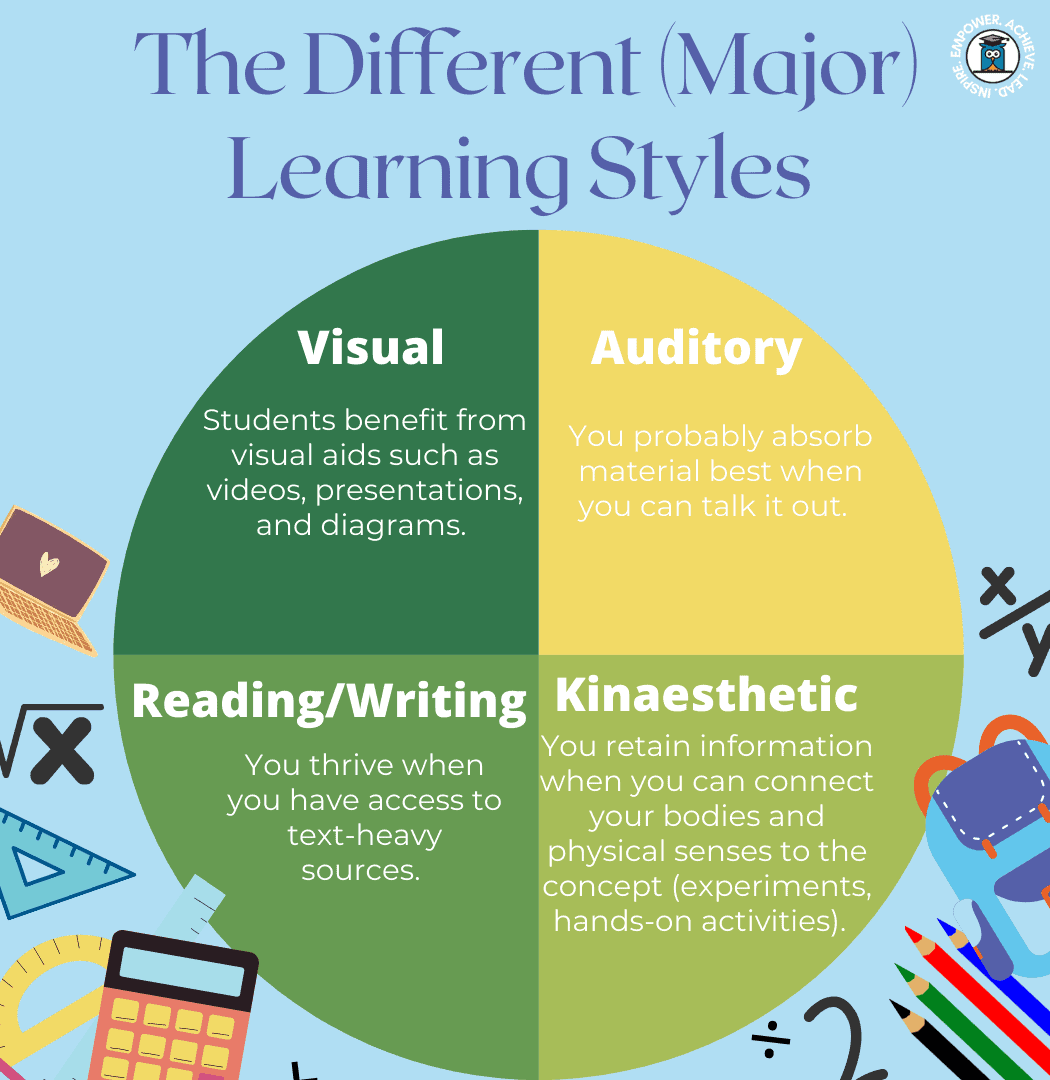
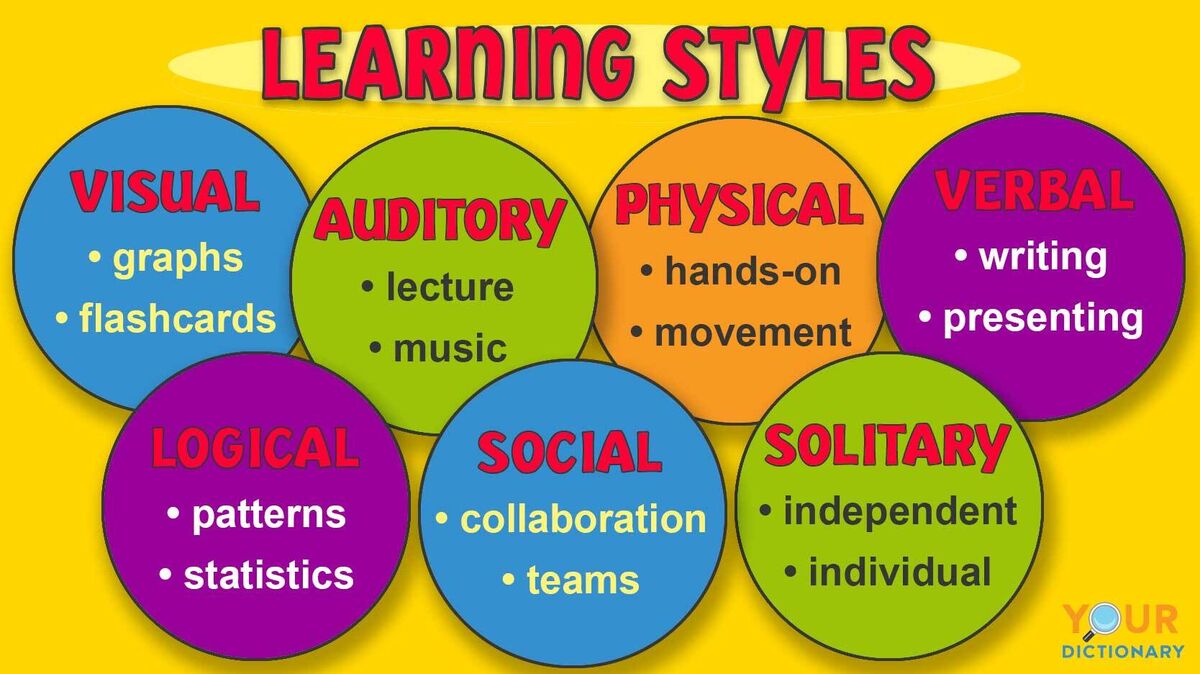
While various models categorize learning styles, one of the most widely recognized is the VARK model, which distinguishes between Visual, Auditory, Read/Write, and Kinesthetic preferences. In a world saturated with digital information and interactive platforms, each of these styles finds unique avenues for expression and engagement within the tech sphere. Beyond VARK, other styles like experiential, social, and solitary learning also play crucial roles, often intertwined with digital tools.

Visual Learning in Tech: From Diagrams to Dashboards
Visual learners thrive on seeing information presented graphically. They prefer charts, diagrams, infographics, flowcharts, maps, and visual cues. In the tech industry, this preference is catered to extensively. User Interface (UI) design heavily relies on visual hierarchy, iconography, and spatial organization to make software intuitive. Data visualization tools transform complex datasets into digestible graphs and dashboards, critical for business intelligence and data science. Developers often rely on UML diagrams, architectural blueprints, and wireframes to understand system structures. Furthermore, the explosion of video tutorials, animated explanations, and screen-sharing demonstrations on platforms like YouTube and specialized coding academies perfectly suits the visual learner, allowing them to literally “see” processes in action. Augmented Reality (AR) and Virtual Reality (VR) are also opening new frontiers for visual learning, allowing users to interact with 3D models and environments.
Auditory Processing: The Podcast and Webinar Boom
Auditory learners grasp information best through hearing. They benefit from lectures, discussions, audiobooks, and verbal explanations. The tech industry has seen a massive surge in content tailored for this style. Tech podcasts offer deep dives into programming languages, industry trends, and leadership insights, ideal for consumption during commutes or focused work. Webinars, online conferences, and live coding sessions often feature spoken explanations and Q&A segments that cater directly to auditory preferences. Voice user interfaces (VUIs) like virtual assistants (Siri, Alexa) and voice-to-text transcription services also represent a technological evolution that supports auditory interaction, indirectly aiding learning by providing information through spoken word. Even pair programming inherently incorporates auditory learning, as developers verbally communicate their thought processes and solutions to each other.
Read/Write Preferences: The Power of Documentation and Code
Read/write learners excel through textual input and output. They prefer reading articles, manuals, reports, and taking notes. This style is foundational in tech, which is inherently text-based. Extensive documentation—API references, software manuals, developer guides, and wikis—is paramount for understanding complex systems and libraries. Code itself is a read/write medium; developers spend significant time reading, writing, and commenting on code. Technical blogs, whitepapers, online forums (like Stack Overflow), and e-books are indispensable resources. For these learners, the ability to highlight, annotate, and summarize digital text facilitates deep understanding and retention. Platforms that allow for collaborative document editing and version control further enhance this learning style within team environments.
Kinesthetic & Experiential Learning: Hands-On in the Tech Lab
Kinesthetic learners learn by doing, experiencing, and interacting directly with the subject matter. They thrive on hands-on activities, experiments, simulations, and practical applications. The tech world is inherently kinesthetic. Coding exercises, hackathons, and real-world project development are the ultimate expressions of kinesthetic learning for programmers. Virtual labs and sandboxes allow users to experiment with network configurations or cloud services without risk. Gamified learning platforms turn complex concepts into interactive challenges. Furthermore, the growing adoption of VR and AR technologies is transforming experiential learning, enabling professionals to simulate complex procedures, troubleshoot virtual hardware, or design in immersive 3D environments, making abstract concepts tangible and interactive. This “learning by doing” approach is particularly effective for mastering practical tech skills.
Leveraging Learning Styles for Effective Tech Skill Acquisition
For individuals navigating the fast-paced tech industry, understanding one’s dominant learning style, and adapting learning strategies accordingly, is a powerful accelerant for skill acquisition and career progression.
Tailoring Personal Learning Roadmaps
Recognizing whether you are primarily visual, auditory, read/write, or kinesthetic allows for the intelligent selection of learning resources. A visual learner might prioritize video courses and interactive diagrams for a new programming language, while a kinesthetic learner would immediately jump into coding challenges and mini-projects. An auditory learner might opt for tech podcasts and webinars, while a read/write learner would dive into documentation and technical books. Crafting a personalized learning roadmap that aligns with these preferences makes the learning process more efficient, enjoyable, and ultimately more effective. This self-awareness empowers tech professionals to take ownership of their continuous development.
Bootcamps, MOOCs, and Immersive Programs
Modern tech education providers, from intensive coding bootcamps to massive open online courses (MOOCs) and specialized certification programs, increasingly blend multiple learning styles. Bootcamps, for instance, often combine lectures (auditory), written code and documentation (read/write), visual presentations, and extensive hands-on coding projects (kinesthetic). MOOCs offer video lectures (visual/auditory), accompanying transcripts and quizzes (read/write), and practical assignments (kinesthetic). This multi-modal approach acknowledges that most learners benefit from a mix, even if they have a strong preference, and ensures broader accessibility and effectiveness for a diverse student body.
The Role of Mentorship and Collaborative Learning
Social learning, which often overlaps with other styles, is exceptionally potent in tech. Mentorship programs, whether formal or informal, provide personalized guidance where mentors can adapt their teaching to the mentee’s style, offering verbal explanations, written resources, or guided practical tasks. Pair programming, a collaborative approach where two developers work on one workstation, naturally integrates auditory discussion, visual code inspection, read/write coding, and kinesthetic interaction with the keyboard, fostering a highly effective, real-time learning environment. Open-source project contributions also provide a collaborative, experiential learning ground, where individuals learn by doing, receiving feedback, and observing others’ code.
Designing Tech for Diverse Learners: The EdTech and UX Perspective
The tech industry isn’t just a domain for learning; it’s also a creator of tools for learning. The design of educational technology (EdTech) and user experiences (UX) increasingly incorporates an understanding of diverse learning styles to create more effective and inclusive platforms.
Adaptive Learning Platforms and Personalization
The rise of adaptive learning platforms is a testament to the recognition of individual learning styles. These platforms use algorithms to analyze a learner’s performance, preferences, and pace, then dynamically adjust the content, difficulty, and presentation method. For example, if a student struggles with a concept presented visually, the platform might switch to a text-based explanation or an interactive exercise. This personalized approach, often powered by AI, aims to optimize the learning path for each individual, moving beyond a one-size-fits-all curriculum to cater to unique cognitive profiles.
Gamification and Interactive Learning Experiences
Gamification—applying game-design elements and game principles in non-game contexts—is a powerful tool for engaging diverse learners, particularly kinesthetic and visual ones. EdTech applications often incorporate points, badges, leaderboards, quests, and immediate feedback to make learning programming languages, data science, or cybersecurity skills more engaging. Interactive simulations, virtual labs, and coding challenges turn passive consumption into active participation, providing a safe space for experimentation and learning from mistakes, which is crucial for kinesthetic and experiential learners.
User Interface and Experience (UI/UX) for Intuitive Learning
Beyond explicit EdTech, good UI/UX design inherently supports intuitive learning for any software or application. A well-designed interface acts as a silent instructor, guiding users through functions and features. Visual hierarchy, consistent iconography, clear navigation, and contextual help messages simplify complex systems. For instance, a well-designed onboarding flow for a new SaaS product helps users, regardless of their primary learning style, quickly grasp how to use the tool through a combination of visual cues, short textual instructions, and interactive steps. Designing for learnability is a core tenet of effective UX.
AI and Emerging Technologies: The Future of Personalized Learning
Artificial intelligence, virtual reality, and augmented reality are poised to revolutionize how we understand and cater to learning styles within the tech context, offering unprecedented levels of personalization and immersion.
AI-Powered Tutors and Content Curators
AI’s ability to process vast amounts of data allows for sophisticated analysis of learning patterns. AI tutors and chatbots can engage in conversational learning, explain complex tech concepts, provide instant feedback, and even adapt their communication style based on identified learner preferences. Imagine an AI tutor detecting a user struggling visually and automatically generating a verbal explanation, or noticing a preference for hands-on learning and suggesting specific coding exercises. AI can also act as a smart content curator, sifting through millions of online resources to recommend the most suitable articles, videos, or interactive simulations for an individual’s specific learning style and current knowledge gap.
Immersive Learning with VR/AR: Beyond the Screen
Virtual Reality (VR) and Augmented Reality (AR) offer groundbreaking opportunities for kinesthetic and experiential learning in tech. VR simulations can place aspiring engineers inside complex machinery, allowing them to disassemble and reassemble virtual components, or enable cybersecurity professionals to navigate and defend a simulated network environment. AR applications can overlay digital information onto the real world, providing interactive guides for assembling computer hardware or troubleshooting physical systems. These technologies transcend traditional screen-based learning, offering highly engaging, multi-sensory experiences that cater deeply to learners who benefit from physical interaction and spatial understanding.
Predictive Analytics for Learning Pathways
Drawing on big data and machine learning, predictive analytics in EdTech platforms can go beyond adapting current content. They can analyze historical learning data to anticipate future learning needs, identify potential roadblocks, and recommend optimal learning pathways even before a learner encounters difficulty. For example, an AI could predict that a visual learner might struggle with a particular conceptual section of a coding course and proactively suggest supplementary video resources or interactive diagrams to reinforce understanding, ensuring a smoother and more efficient journey through complex tech subjects.
Optimizing Team Learning and Knowledge Transfer in Tech Environments
Understanding learning styles isn’t just for individual professional development; it’s equally crucial for fostering effective team collaboration, knowledge sharing, and talent development within tech organizations.
Agile Sprints and Cross-Functional Training
Modern tech teams, especially those following agile methodologies, thrive on continuous learning and knowledge sharing. Agile sprints often include review and retrospective meetings, allowing for verbal discussions (auditory) and visual dashboards (visual) to reflect on progress. Cross-functional training sessions, where developers learn about DevOps, or designers learn basic coding, benefit from varied approaches. Combining live demonstrations (visual/kinesthetic), hands-on workshops (kinesthetic), and comprehensive documentation (read/write) ensures that knowledge transfer is effective for all team members, regardless of their preferred style.
Fostering a Culture of Continuous Learning
Tech companies that encourage a culture of continuous learning often provide diverse resources. Internal tech talks and lunch-and-learns cater to auditory and visual learners. Maintaining a rich internal wiki or knowledge base with detailed documentation and best practices supports read/write learners. Sponsoring participation in hackathons or providing access to virtual labs fosters kinesthetic and experiential learning. By offering a spectrum of learning opportunities, organizations empower their employees to choose methods that resonate with their individual styles, thereby maximizing engagement and skill upgrade.
Onboarding New Tech Talent Effectively
The onboarding process for new hires in tech is a critical period for rapid learning and integration. Tailoring this experience to different learning styles can significantly accelerate productivity. Providing new developers with comprehensive written documentation and codebases (read/write) alongside pairing them with a mentor for verbal explanations and guided tours (auditory/visual/kinesthetic) creates a holistic learning environment. Assigning small, tangible tasks immediately allows kinesthetic learners to “learn by doing,” while regular check-ins and feedback loops support all styles by clarifying expectations and reinforcing learning.
In conclusion, “what are the styles of learning” is far more than a pedagogical question; it’s a foundational inquiry with profound implications for the tech industry. From the way we design software and educate future tech professionals to how we optimize team performance and leverage emerging AI, a deep understanding of learning styles empowers individuals and organizations to navigate the complexities of the digital age more effectively. As technology continues to advance, its capacity to adapt to and personalize learning experiences for every style will only grow, creating a more intuitive, inclusive, and efficient future for all learners within the vast and dynamic tech landscape.
aViewFromTheCave is a participant in the Amazon Services LLC Associates Program, an affiliate advertising program designed to provide a means for sites to earn advertising fees by advertising and linking to Amazon.com. Amazon, the Amazon logo, AmazonSupply, and the AmazonSupply logo are trademarks of Amazon.com, Inc. or its affiliates. As an Amazon Associate we earn affiliate commissions from qualifying purchases.