
The intricate journey of a bill transforming into a law is a cornerstone of democratic governance. While often perceived as a purely political process, every step along this path is deeply intertwined with financial implications, shaping economies, markets, and the wealth of individuals and corporations. For anyone engaged in personal finance, investing, managing a business, or simply understanding the forces that influence their economic well-being, comprehend grasping how financial policies are forged is not merely academic—it’s essential. From tax reforms and budget allocations to market regulations and trade agreements, understanding the legislative journey of a bill reveals the mechanisms through which fiscal policies are molded and enacted.
This article delves into the stages of a bill’s evolution, specifically highlighting the financial considerations, stakeholders, and potential impacts at each juncture. We will explore how economic needs drive initial proposals, how financial implications are debated and refined in committees, and ultimately, how presidential action solidifies a bill’s economic mandate, forever altering the financial landscape.
The Genesis of Financial Legislation: Identifying Economic Needs
Every significant piece of financial legislation begins with an idea, often born from pressing economic concerns, market failures, or strategic financial opportunities. This initial spark is where the financial sector, businesses, and individual citizens first feel the potential ripple effects of future policy.
From Public Concern to Policy Proposal
Financial bills rarely emerge from a vacuum. They typically arise in response to observed economic phenomena or systemic issues. For instance, a period of high inflation might spur proposals for monetary policy adjustments or fiscal spending cuts. A burgeoning tech sector might necessitate new regulations for digital assets or cross-border transactions. Conversely, a recession could lead to calls for economic stimulus packages, tax relief for businesses, or enhanced social safety nets.
Stakeholders ranging from major financial institutions, industry associations, labor unions, consumer advocacy groups, and even individual entrepreneurs actively monitor economic conditions and lobby for legislation that serves their financial interests or addresses their concerns. For investors, understanding these initial pressures can offer foresight into potential regulatory shifts that might impact their portfolios. For businesses, anticipating these trends can inform strategic planning and risk management. This stage is crucial because it sets the agenda for what economic problems or opportunities the government intends to address.
Sponsorship and Introduction: Championing Financial Agendas
Once an idea gains traction, a member of Congress—a Senator or Representative—champions it by formally introducing it as a bill. This sponsor often has a specific financial agenda or constituency they represent. For example, a bill to lower capital gains tax might be sponsored by a legislator keen to stimulate investment and representing districts with a strong investment community. A bill proposing increased funding for small business loans might be introduced by someone representing an area with many struggling local enterprises.
The introduction of a bill marks its official entry into the legislative pipeline. While merely a formality, it’s a critical moment for financial markets and stakeholders. A prominent sponsor lending their name to a significant financial bill can immediately signal its potential viability and elevate its profile, prompting market reactions. Financial news outlets and analysts often track these introductions closely, as they can be early indicators of impending changes in tax law, regulatory frameworks, or government spending that could profoundly affect asset prices, corporate profitability, and individual financial planning.
Navigating the Legislative Labyrinth: Scrutiny and Amendment
After introduction, a bill enters the most intensive phase of its journey: committee review. This stage is where the financial details are meticulously examined, debated, and often substantially altered. For financial legislation, this is the crucible where economic theory meets political reality.
Committee Review: The Financial Deep Dive
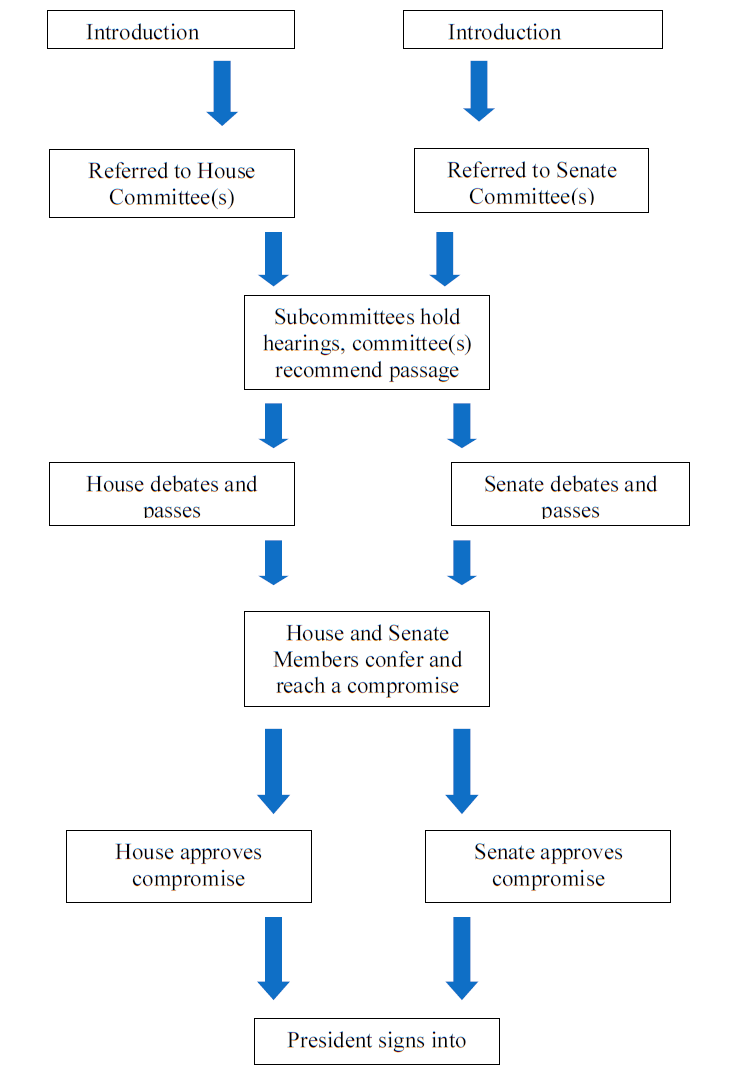
Upon introduction, a bill is assigned to the appropriate committee(s) for review. For financial legislation, this typically means committees like the House Ways and Means Committee (for tax and revenue bills), the Senate Finance Committee, the House and Senate Budget Committees, or committees overseeing specific financial sectors (e.g., Banking, Housing, and Urban Affairs). These committees are staffed by members with particular expertise or interest in financial matters.
This stage involves rigorous analysis, often including public hearings where economists, financial industry experts, business leaders, academics, and consumer advocates provide testimony. They offer data, projections, and opinions on the bill’s potential economic impact, cost-benefit analyses, and feasibility. The Congressional Budget Office (CBO) plays a vital role here, “scoring” bills to estimate their cost to taxpayers and their impact on the federal budget, a critical piece of information for any financial legislation. For businesses and investors, these hearings are valuable opportunities to assess the depth of potential changes and influence the legislative narrative. Understanding the CBO score can tell investors whether a proposed policy is fiscally sustainable or likely to contribute to national debt.
Mark-up Sessions: Sharpening the Fiscal Edge
Following hearings and expert testimony, committee members enter “mark-up” sessions. During these meetings, the bill is debated clause by clause, and amendments are proposed, discussed, and voted upon. This is where the original financial provisions of a bill can be significantly modified. For example, tax rates might be adjusted, spending allocations re-prioritized, or regulatory thresholds altered.
Lobbyists representing various financial interests—from Wall Street banks to Main Street small businesses—work tirelessly during mark-up to secure amendments favorable to their constituents or to defeat those detrimental to their operations. The outcome of mark-up sessions can directly affect corporate bottom lines, investment incentives, and even the cost of living for average citizens. A change in a single line of a tax bill, for instance, could redistribute billions of dollars or reshape an entire industry. Therefore, tracking these mark-up sessions provides crucial insights into the evolving shape and likely financial impact of a bill.
Committee Vote: The First Hurdle for Economic Policy
Once all amendments are considered, the committee votes on whether to “report” the bill favorably to the full chamber. A successful committee vote is a significant milestone, indicating that the bill has gained sufficient support within a specialized group of legislators. For financial bills, this vote signifies that the core economic policy has cleared its initial, expert-level scrutiny and is deemed ready for broader consideration. If a bill fails to pass out of committee, it effectively dies, saving financial stakeholders from having to prepare for its potential impacts. This vote is a strong indicator of a bill’s chances of eventual passage and provides businesses and investors with clearer signals regarding future economic policies.
The Grand Stage: Debate, Vote, and Inter-Chamber Dialogue
After passing committee, a bill moves to the full floor of the House or Senate, where it undergoes another round of scrutiny, debate, and voting. This public stage amplifies the financial stakes, as the entire nation, including financial markets, watches.
Floor Debate: Weighing Economic Pros and Cons
On the floor, legislators engage in robust debate, often centered on the economic merits and drawbacks of the proposed legislation. Arguments may focus on a bill’s impact on job creation, inflation, national debt, specific industries, or consumer purchasing power. For instance, a debate over a trade bill might highlight its potential effects on domestic manufacturing versus import costs. A discussion on a healthcare reform bill might delve into its implications for insurance markets and personal medical expenses.
Amendments can still be introduced and voted on during floor debate, which means even a bill that emerged from committee largely intact could still see significant financial alterations. These debates, often televised and widely reported, offer valuable insights into the prevailing economic philosophies and priorities of the legislative body. Businesses and investors often monitor these discussions for clues about the ultimate form a financial bill might take.
Voting: The Financial Stakes for Constituents and Markets
Following the debate, the full chamber votes on the bill. A simple majority is usually required for passage. This vote is a direct reflection of legislators’ commitments to certain economic policies and their constituents’ financial interests. For example, a vote on a budget appropriation bill directly impacts which government programs receive funding, affecting industries reliant on federal contracts or citizens benefiting from specific social services.
The outcome of these votes can have immediate financial repercussions. Stock markets might react to the passage or defeat of major economic legislation. Currencies can fluctuate based on perceived stability or shifts in economic policy. Businesses might accelerate or defer investment decisions based on the certainty (or uncertainty) generated by legislative actions. This stage is a critical inflection point, as a bill’s passage brings it one step closer to becoming a tangible financial reality.
Passage to the Other Chamber: A New Round of Financial Review
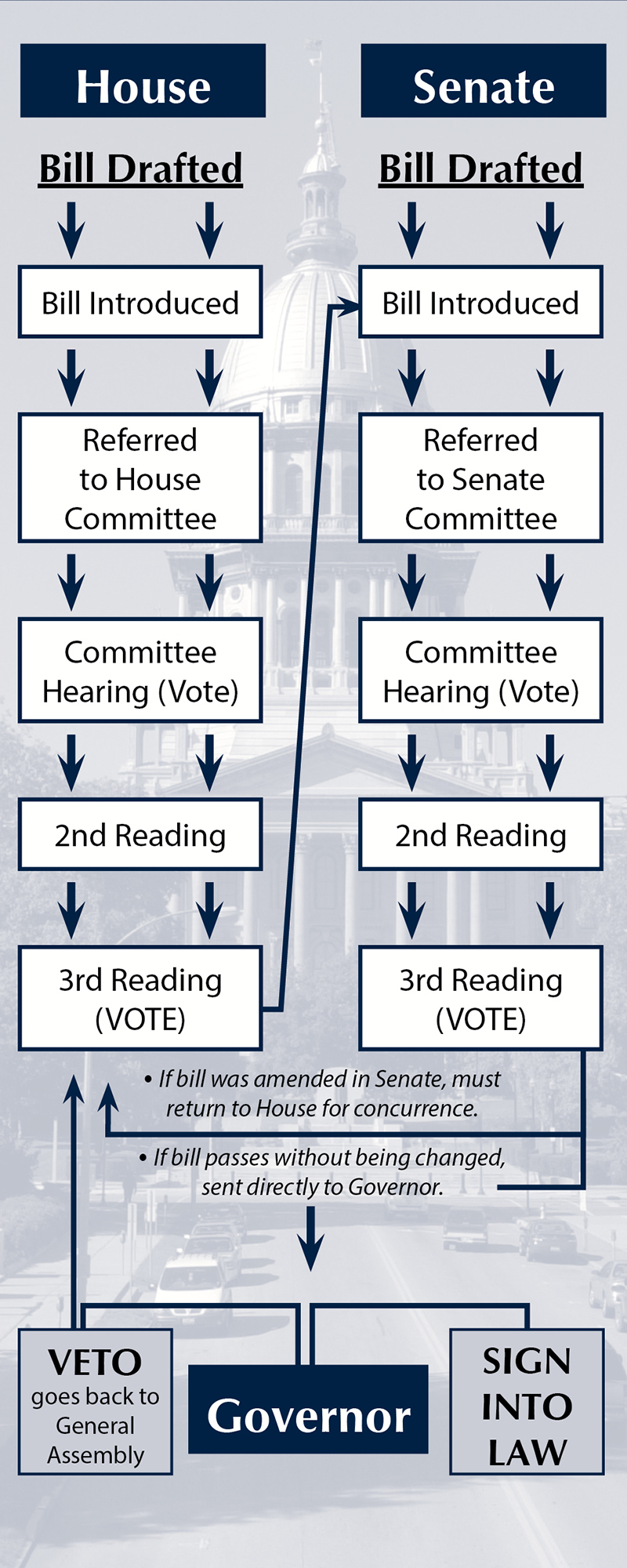
If a bill passes in one chamber (e.g., the House), it is then sent to the other chamber (e.g., the Senate) for consideration. Here, the entire process—committee review, mark-up, and floor debate—repeats. This two-chamber system is designed to provide robust checks and balances, ensuring thorough scrutiny, especially for legislation with far-reaching financial implications. It also provides another opportunity for financial stakeholders to advocate for their interests. It’s common for the second chamber to make its own amendments, often reflecting different regional economic priorities or political leanings. This means that a bill impacting national tax policy, for example, might undergo significant revisions as it moves from the House, often seen as representing localized interests, to the Senate, which has a more statewide and sometimes broader economic perspective.
Harmonization and Enactment: The Final Financial Mandate
When both chambers pass different versions of the same bill, a crucial step is required to reconcile these differences before it can become law. This final phase determines the exact financial provisions that will ultimately govern.
Conference Committees: Reconciling Disparate Fiscal Visions
If the House and Senate pass differing versions of a bill, a “conference committee” is formed. This temporary committee comprises members from both chambers who negotiate to resolve the discrepancies and create a single, unified version of the bill. For financial legislation, this can be a highly contentious process, as conferees may need to compromise on tax rates, spending levels, regulatory language, or economic stimulus amounts.
The outcome of a conference committee is often a compromise that reflects the political and financial priorities of both chambers. Once an agreement is reached, the reconciled bill is sent back to both the House and Senate for a final up-or-down vote. No further amendments are allowed at this stage. For financial markets and businesses, the successful negotiation and approval of a conference report signal that the specific financial policies outlined are very close to becoming law.
Final Congressional Vote: Sealing the Economic Deal
Both the House and Senate must pass the identical, reconciled bill (the conference report) for it to proceed. This final congressional vote is typically less eventful than previous votes, as the heavy lifting of negotiation has already occurred. However, it is no less significant. It represents the legislative branch’s final endorsement of the financial package contained within the bill. Its passage sends a clear message to the markets and the public about the direction of fiscal policy and sets the stage for the President’s action.
Presidential Action: The Ultimate Fiscal Endorsement or Rejection
The final step in the legislative process is the President’s action. The President has several options:
- Sign the bill into law: This is the most common outcome, immediately enacting the financial provisions. This might include signing a budget bill that authorizes billions in spending, a tax reform bill that alters corporate and individual tax burdens, or a regulatory bill that reshapes a financial industry.
- Veto the bill: If the President opposes the bill’s financial implications (e.g., believing it’s fiscally irresponsible, detrimental to the economy, or contrary to national interests), they can veto it. A presidential veto is a powerful statement against a bill’s financial philosophy and can cause market uncertainty or relief, depending on the nature of the bill. Congress can override a veto with a two-thirds majority vote in both chambers, but this is a rare occurrence.
- Allow it to become law without signature: If the President takes no action within 10 days (excluding Sundays) while Congress is in session, the bill automatically becomes law.
- Pocket veto: If Congress adjourns within the 10-day period and the President does not sign the bill, it dies. This is effectively a veto that cannot be overridden.
The President’s decision, particularly on significant financial legislation, is a moment of immense importance for markets, businesses, and individuals. It finalizes the legislative process and determines the immediate economic future.
Beyond Enactment: The Real-World Financial Impact
A bill becoming law is not the end of its financial journey; it’s merely the beginning of its impact. The implementation and subsequent monitoring of new legislation have profound and lasting effects on the economy.
Regulatory Implementation: Translating Law into Market Practice
Once a bill is signed into law, it often requires federal agencies to develop specific rules and regulations to implement its provisions. For financial laws, this often involves agencies like the Treasury Department, the Federal Reserve, the Securities and Exchange Commission (SEC), the Commodity Futures Trading Commission (CFTC), or the Consumer Financial Protection Bureau (CFPB). These agencies translate the broad directives of the law into concrete policies that affect how businesses operate, how financial products are offered, and how consumers interact with the financial system.
For example, a new banking law might require the SEC to issue new rules on corporate disclosures or the CFPB to define new consumer protections. These regulatory details are critical for businesses, which must comply with the new mandates, and for investors, as they can alter the competitive landscape and profitability of various sectors. Understanding this regulatory phase is crucial for financial compliance and strategic adaptation.

Monitoring and Adaptation: Adjusting to New Financial Realities
Finally, the impact of the new law is monitored, and its effectiveness is assessed over time. Economic data, market performance, and public feedback inform whether the legislation is achieving its intended financial goals. Businesses and individuals must adapt their financial strategies to the new legal and regulatory environment. Tax accountants develop new strategies based on tax law changes, investment advisors recalibrate portfolios in response to market shifts caused by new regulations, and companies adjust their operational models to comply with new mandates.
This continuous cycle of legislation, implementation, and adaptation underscores the dynamic relationship between government, finance, and the economy. For anyone involved in the “Money” sphere, a deep understanding of the legislative process—from concept to law and beyond—is indispensable for informed decision-making and navigating the ever-evolving financial landscape.
aViewFromTheCave is a participant in the Amazon Services LLC Associates Program, an affiliate advertising program designed to provide a means for sites to earn advertising fees by advertising and linking to Amazon.com. Amazon, the Amazon logo, AmazonSupply, and the AmazonSupply logo are trademarks of Amazon.com, Inc. or its affiliates. As an Amazon Associate we earn affiliate commissions from qualifying purchases.