
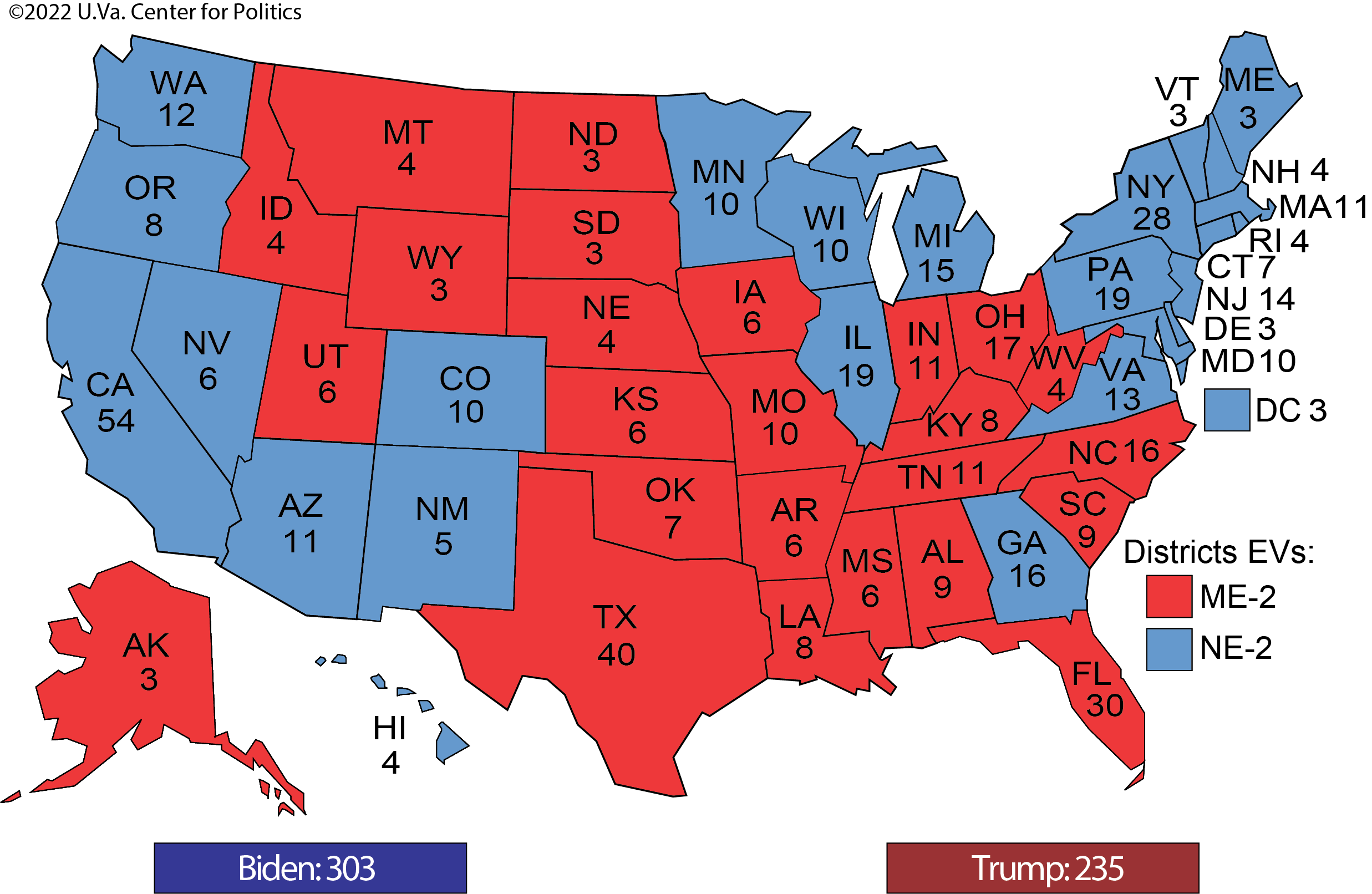
In an increasingly fragmented and polarized world, the labels “red states” and “blue states” have transcended their purely political origins to become shorthand for distinct cultural, demographic, and psychographic landscapes. For brands, understanding what these “red” and “blue” states represent is no longer just an academic exercise; it’s a critical component of strategic planning, market segmentation, and successful brand building. It’s about more than just electoral maps; it’s about deeply ingrained consumer values, media consumption habits, purchasing priorities, and a brand’s ability to resonate – or alienate – a significant portion of its potential audience. This article explores how brands can interpret and strategically respond to these nuanced distinctions to build stronger connections, foster loyalty, and maintain relevance in a complex marketplace.
The Evolving Landscape of “Red” and “Blue” Demographics
The traditional view of “red” (Republican-leaning) and “blue” (Democrat-leaning) states often paints a broad-brush picture. However, for brand strategists, the real insight lies in unpacking the underlying consumer behaviors and identities associated with these labels. These aren’t monolithic blocks but rather complex tapestries of values, aspirations, and daily realities.
Beyond Simple Political Labels: Unpacking Consumer Psychographics
While political affiliation provides a starting point, effective brand strategy demands a deeper dive into psychographics. “Red” demographics are often characterized by a greater emphasis on tradition, community, patriotism, and sometimes a more conservative approach to spending and social issues. They may value durability, utility, and brands that project reliability and heritage. Conversely, “blue” demographics often lean towards innovation, diversity, environmental consciousness, social justice, and a willingness to embrace new technologies and experiences. They might prioritize sustainability, ethical sourcing, and brands that align with progressive values. Understanding these underlying psychographic drivers allows brands to move beyond surface-level political classifications to craft messages that genuinely connect with their target audiences’ core beliefs and aspirations, regardless of their specific political vote.
Geographic Concentrations and Cultural Nuances
“Red” states are often associated with rural and suburban areas, agrarian economies, and industries like manufacturing and energy. Their cultural nuances can include a strong sense of local community, a focus on family, and a preference for established, trusted brands. “Blue” states, conversely, tend to be concentrated in urban centers, coastal regions, and knowledge-based economies. Their cultural fabric often reflects greater diversity, a faster pace of life, and a predisposition towards novelty and global influences. These geographic and cultural distinctions influence everything from preferred retail channels and media consumption to product design and service expectations. A brand’s distribution strategy, for example, might need to consider the prevalence of big-box retailers in “red” areas versus boutique shops and e-commerce in “blue” areas.
The Impact on Consumer Values and Priorities
The core values of consumers in “red” and “blue” regions significantly shape their purchasing priorities. In “red” areas, value for money, American-made products, and practicality might rank highly. Brands that emphasize durability, dependability, and a commitment to local jobs can often find a strong resonance. In “blue” areas, priorities might shift towards ethical production, environmental impact, social responsibility, and customization. Brands that highlight their sustainable practices, diverse workforce, or innovative solutions may capture the attention of these consumers. Recognizing these divergent value systems is paramount for developing product lines, service offerings, and marketing campaigns that feel authentic and relevant to each segment.
Brand Strategy in a Divided Nation: Risks and Opportunities
Operating in a landscape defined by “red” and “blue” distinctions presents both formidable risks and compelling opportunities for brands. The key lies in strategic foresight and a nuanced understanding of brand positioning.
Tailoring Messaging for Diverse Audiences
One of the primary opportunities for brands is the ability to tailor messaging. This doesn’t necessarily mean creating entirely different products, but rather emphasizing different benefits or narratives depending on the target region. For instance, a car manufacturer might highlight rugged durability and family safety in campaigns aimed at “red” markets, while emphasizing fuel efficiency, innovative technology, and sleek design for “blue” markets. Such tailored messaging requires deep market research and an understanding of regional media consumption habits to ensure the right message reaches the right audience through the most effective channels.
The Peril of Political Alignment: Alienating Half Your Market
Perhaps the greatest risk for brands is the temptation to overtly align with one “side” of the political spectrum. In an effort to appeal strongly to a specific demographic, a brand can inadvertently alienate another equally large and valuable segment of the market. Consumers are increasingly scrutinizing brand values, and taking a highly partisan stance, even on seemingly tangential issues, can lead to significant backlash, boycotts, and a fractured customer base. The digital age amplifies these risks, as missteps can go viral instantly. Brands must be acutely aware that their customer base likely spans the “red” and “blue” divide, and that overtly political statements can be financially detrimental.
Finding Common Ground: Universal Appeals and Brand Purpose
The strategic sweet spot for many brands lies in identifying and amplifying universal appeals that transcend political affiliations. Values like family, community, health, quality, convenience, and a desire for personal betterment are largely bipartisan. Brands that focus on a compelling, inclusive brand purpose – one that genuinely aims to improve lives or solve widespread problems – can often navigate the “red” and “blue” divide more successfully. For example, a food brand focused on nutrition and accessibility appeals to a universal human need, allowing it to build loyalty across diverse demographics without wading into political waters. This requires a deep understanding of human psychology and a commitment to broad-based benefit.
Marketing and Communication Tactics for “Red” and “Blue” Markets
Effective communication in a polarized market demands more than just well-crafted messages; it requires strategic deployment across appropriate channels and with suitable cultural sensitivity.

Media Consumption Habits and Channel Selection
“Red” and “blue” states often exhibit distinct media consumption patterns. Audiences in “red” areas might lean towards traditional media like local television news, talk radio, and community newspapers, alongside specific digital platforms and social media groups. “Blue” audiences may show a stronger preference for national news outlets, streaming services, podcasts, and a wider array of digital and social media platforms, often with an emphasis on niche content. A brand’s media buy strategy must reflect these differences. Investing heavily in social media influencers popular in urban centers may not yield results in rural areas, just as local newspaper ads might miss the mark in highly digitized metropolitan areas.
Language and Imagery: Resonating Without Offending
The language and imagery employed in marketing campaigns are crucial. Subtlety is key. For “red” markets, imagery might evoke tradition, nature, craftsmanship, and a sense of belonging. Language might be more direct, value-oriented, and emphasize practicality. For “blue” markets, imagery could feature diverse communities, modern aesthetics, innovation, and environmental themes. Language might be more inclusive, forward-thinking, and highlight ethical considerations. The challenge is to craft campaigns that resonate deeply with one segment without inadvertently creating imagery or language that feels exclusionary or offensive to another. This often means avoiding loaded terms, symbols, or overtly ideological stances in general advertising.
Localized Engagement and Community Building
One of the most effective ways for brands to bridge the “red” and “blue” divide is through localized engagement. Sponsoring local events, partnering with community organizations, and engaging in grassroots initiatives allows a brand to build trust and relevance at a micro-level, where political divisions often feel less pronounced than at the national scale. For example, a beverage company sponsoring a local high school football team in a “red” state, or a sustainable clothing brand partnering with an urban community garden in a “blue” state, builds genuine connections that transcend broader political labels. These local efforts demonstrate a commitment to the community itself, rather than to a particular political ideology.
Corporate Identity and Social Responsibility: Walking the Tightrope
A brand’s corporate identity and its approach to social responsibility are under greater scrutiny than ever, making it essential to navigate the “red” and “blue” dynamics with extreme care.
Defining Brand Values in a Politically Charged Environment
In an era where consumers buy into brands’ values as much as their products, defining a clear, authentic, and universally appealing set of brand values is critical. These values should ideally be foundational and aspirational, such as integrity, innovation, community, or excellence, rather than politically charged. If a brand’s values become too intertwined with a specific political platform, it risks alienating customers who do not share that platform. The goal is to articulate values that foster trust and respect across the widest possible spectrum of customers.
Navigating Activism and Brand Stance
Brands are frequently pressured to take a stance on social and political issues. This is perhaps the most challenging aspect of operating in a “red” and “blue” world. When an issue directly impacts a brand’s core business or its employees, taking a stance might be unavoidable and even beneficial. However, for issues not directly related, a brand must carefully weigh the potential benefits of aligning with one group against the risk of alienating another. Some brands choose a strategy of “principled silence” on certain issues, while others opt to support non-partisan causes that resonate universally, such as disaster relief or educational initiatives, which demonstrate social responsibility without political entanglement.
Building an Inclusive Brand Identity
Ultimately, the most successful brands in a “red” and “blue” world will be those that cultivate an authentically inclusive brand identity. This means recognizing the diversity within both “red” and “blue” demographics, and consciously striving to represent and serve all customers. It involves ensuring that marketing materials, product designs, and customer service experiences make everyone feel seen, valued, and respected. An inclusive brand identity focuses on common humanity and shared aspirations, building bridges rather than walls, and demonstrating that a brand’s appeal transcends political boundaries.
Measuring Impact and Adapting Strategies
The landscape of consumer sentiment is constantly shifting, making continuous monitoring and agile adaptation crucial for brand success.
Data-Driven Insights into Consumer Sentiment
To effectively navigate “red” and “blue” market dynamics, brands must invest in sophisticated market research and sentiment analysis. This includes tracking brand perception across different geographic and demographic segments, monitoring social media conversations, conducting detailed surveys, and analyzing purchasing patterns. Understanding how specific messaging or actions are received by various segments provides invaluable data for refining strategies and avoiding missteps. This data allows for proactive adjustments rather than reactive damage control.

Agility and Responsiveness in Brand Evolution
Finally, brands must cultivate agility and responsiveness. The “red” and “blue” divide is not static; issues rise and fall in prominence, and consumer attitudes evolve. A brand strategy that was effective five years ago may be obsolete today. Brands need to be prepared to adapt their messaging, channels, and even their product offerings in response to changing market dynamics, maintaining an open dialogue with their diverse customer base. This continuous evolution ensures that a brand remains relevant, respected, and resilient, regardless of the political currents flowing through the states it serves.
By understanding the nuanced psychographics, values, and communication preferences associated with “red” and “blue” distinctions, brands can move beyond simple political labels to craft sophisticated strategies that resonate with a diverse customer base, foster deep loyalty, and build a strong, inclusive brand identity for the long term.
aViewFromTheCave is a participant in the Amazon Services LLC Associates Program, an affiliate advertising program designed to provide a means for sites to earn advertising fees by advertising and linking to Amazon.com. Amazon, the Amazon logo, AmazonSupply, and the AmazonSupply logo are trademarks of Amazon.com, Inc. or its affiliates. As an Amazon Associate we earn affiliate commissions from qualifying purchases.