
The question “what are the Olympic countries?” might seem deceptively simple, prompting a mental list of nations that send athletes to the world’s most prestigious sporting event. However, delving deeper reveals a fascinating intersection of sport, geopolitics, and, most compellingly, global branding. Far beyond a mere roster of participants, the collection of “Olympic countries” represents a dynamic tapestry of national identities, each leveraging the colossal platform of the Olympic Games to project its unique brand onto the world stage.
In the realm of global branding, few events rival the Olympic Games in their capacity to captivate billions, foster shared experiences, and provide an unparalleled stage for national self-expression. Every four years, countries invest significant resources, not just in athletic training, but in meticulously crafting and presenting their national image, traditions, values, and aspirations. This article explores how the concept of “Olympic countries” is fundamentally a branding exercise, examining the strategies nations employ to enhance their global standing, attract attention, and build a lasting, positive perception through the lens of athletic competition and cultural diplomacy.

The Olympic Movement: A Tapestry of National Brands
At its core, the Olympic Movement is an aggregation of distinct national entities, each an independent “brand” contributing to the overarching “Olympic Games” brand. Understanding what constitutes an “Olympic country” is the first step in appreciating this intricate branding ecosystem.
Beyond Borders: Defining “Olympic Countries”
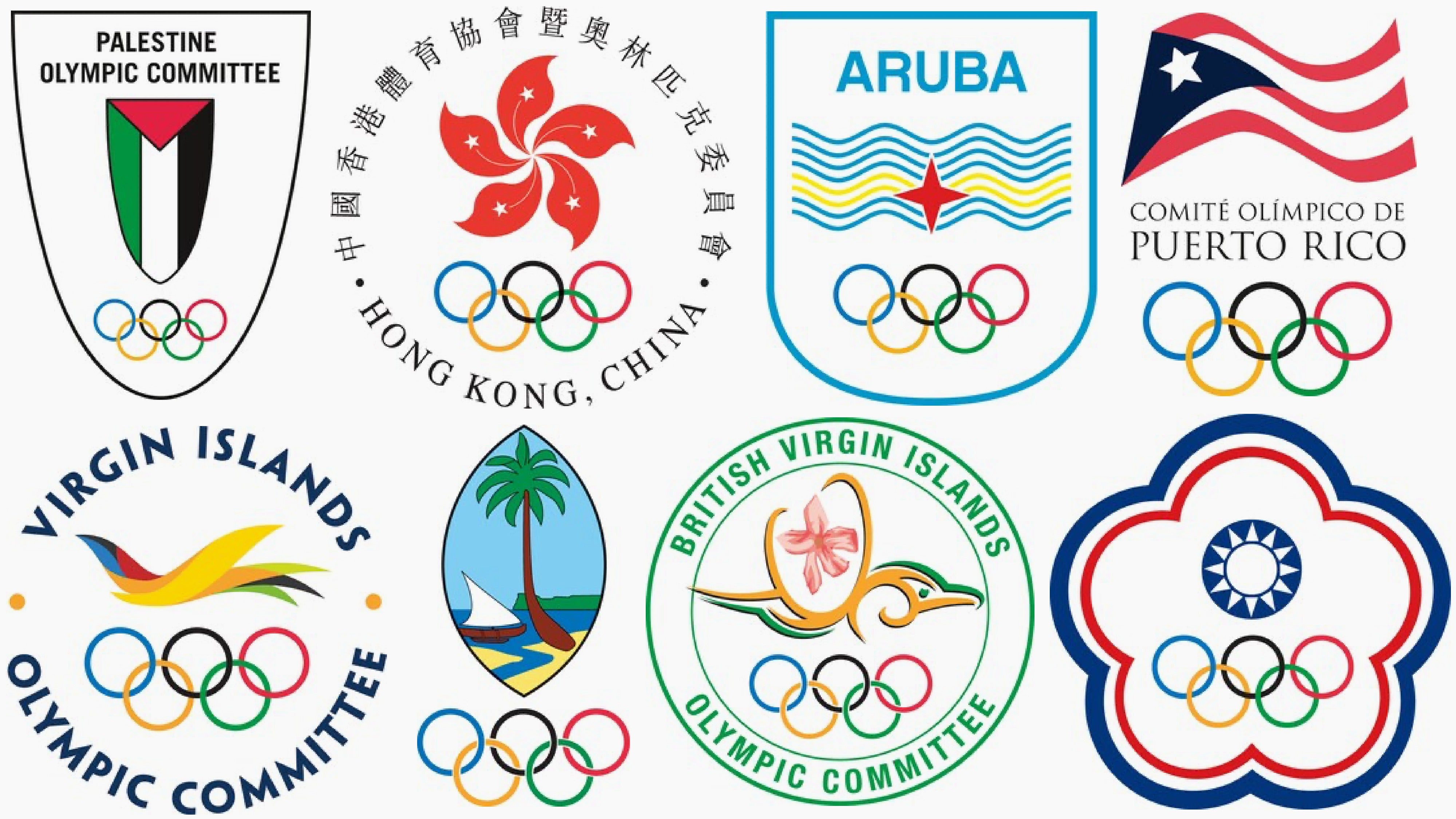
Officially, “Olympic countries” refers to the National Olympic Committees (NOCs) recognized by the International Olympic Committee (IOC). This distinction is crucial because the number of NOCs (currently 206) exceeds the number of sovereign states recognized by the United Nations (currently 193). This discrepancy is not a historical anomaly but a deliberate aspect of the Olympic brand’s inclusive, yet selective, nature. Territories like Puerto Rico, Hong Kong, Chinese Taipei, and Bermuda, for instance, compete under their own flags and national anthems, distinct from their sovereign affiliations. This IOC policy allows these entities to cultivate and project their unique cultural and national brands, independent of broader political narratives. For these regions, Olympic participation is a vital avenue for asserting a distinct identity, gaining international recognition, and fostering a sense of collective pride among their populations – powerful branding outcomes that might otherwise be elusive.
The very act of being recognized by the IOC and sending a delegation to the Games elevates a territory’s status, granting it a measure of legitimacy and visibility on a global scale. This inclusion creates a “family” of Olympic nations, each with its designated place, contributing to a diverse and expansive global network. From a branding perspective, the IOC acts as a gatekeeper and curator, carefully managing who gets to join this exclusive club, thereby enhancing the prestige associated with Olympic participation for all members.
The Power of Participation: Establishing Presence
For many nations, particularly smaller states or those with limited global recognition, the mere act of participating in the Olympic Games is a monumental branding achievement. It signifies that they are part of the global community, capable of fielding athletes on the world stage, and worthy of international attention. This presence alone generates invaluable brand equity.
Consider nations that might not win medals but consistently send delegations. Their appearance in the opening ceremony, proudly waving their flag, introduces their nation to billions of viewers who might otherwise have no exposure to their culture or existence. This visual presence, repeated every four years, slowly but surely builds recognition and awareness. It’s a sustained, low-cost (relative to other forms of international branding) marketing campaign that subtly embeds a nation’s name and image into the global consciousness. For emerging economies, this global spotlight can translate into increased tourism interest, foreign investment prospects, and improved diplomatic relations, all critical components of a nation’s overall brand health and economic vitality. The Olympics offers a powerful, pre-packaged narrative of aspiration, effort, and unity, which any participating country can harness to their brand’s advantage.
National Identity Through Athletic Prowess and Presentation
Beyond simply showing up, Olympic countries actively engage in sophisticated branding strategies centered around their athletes, national symbols, and performance narratives. This section explores how nations leverage these elements to craft and communicate a distinct brand identity.
Crafting the National Image: Uniforms, Flags, and Symbols
The Olympic Games are a visual spectacle, and national delegations are central to this imagery. Every uniform, every flag, and every cultural symbol displayed is a deliberate act of national branding. Opening and closing ceremonies are elaborate fashion shows and cultural parades, where countries showcase their heritage, modernity, and values through meticulously designed attire. Designers are commissioned to create uniforms that are not only functional but also encapsulate the essence of their nation – its colors, motifs, historical references, and contemporary style.
The choice of fabrics, patterns, and accessories becomes a silent narrative, communicating a nation’s story to the world. A country with a rich textile tradition might emphasize intricate patterns, while a technologically advanced nation might showcase innovative, performance-enhancing materials. These sartorial choices are often accompanied by specific flag bearers and prominent athletes, amplifying the visual impact. The flag itself, a powerful symbol of national identity, is omnipresent, constantly reinforcing the brand mark of each participating country. These visual cues are designed to evoke pride among citizens and create memorable associations for international audiences, forging a strong emotional connection to the national brand.
The Narrative of Success: Medals as Brand Equity
While participation is important, winning medals, especially gold, provides an unparalleled boost to a nation’s brand equity. A medal is a tangible validation of excellence, prowess, and national spirit. It generates immense national pride, rallies citizens, and projects an image of strength, discipline, and achievement onto the international stage. The media coverage surrounding medal wins focuses not just on the athlete but on the nation they represent, creating powerful brand associations.
Think of Jamaica’s branding through its track and field dominance, or Norway’s strong association with winter sports excellence. These athletic achievements become integral to their national narratives, shaping how they are perceived globally. The stories of athletes – their struggles, triumphs, and sportsmanship – become national sagas, embodying the resilience and spirit of their people. These narratives, disseminated globally, contribute significantly to a country’s “soft power,” making it more attractive for tourism, trade, and cultural exchange. Each medal contributes to a nation’s collective brand portfolio, enhancing its reputation for specific strengths and solidifying its position within the global pecking order of sporting prowess.
Soft Power and Diplomatic Outreach

Olympic participation extends beyond sports performance into the realm of soft power and international diplomacy. The Games provide a unique platform for countries to foster goodwill, showcase cultural diversity, and engage in informal diplomatic exchanges. The opening and closing ceremonies, with their elaborate cultural performances, are prime examples of this. Nations invest heavily in these segments to present a curated version of their culture, history, and artistic capabilities.
These cultural showcases contribute to a nation’s attractiveness and influence on the world stage, fostering deeper understanding and appreciation. Beyond the ceremonies, the mere presence of national delegations, their interactions with athletes and officials from other countries, and the media attention they garner, all contribute to a nuanced form of international relations. A country’s reputation for hospitality, fair play, or artistic excellence, showcased during the Games, can subtly influence international perceptions and strengthen diplomatic ties, demonstrating the profound branding impact that extends far beyond athletic scores.
The Host Nation’s Brand Showcase: An Unparalleled Opportunity
While all Olympic countries benefit from participation, the host nation receives an extraordinary, concentrated branding opportunity. Hosting the Games is akin to an intensive, multi-billion-dollar global marketing campaign.
City and Country as a Global Event Brand
When a city or country hosts the Olympics, it takes on the massive responsibility and unparalleled opportunity of becoming a global event brand for several weeks. The world’s eyes turn to the host, scrutinizing its infrastructure, culture, efficiency, and hospitality. This intense spotlight allows the host to showcase its unique identity, attract tourism, stimulate foreign investment, and revitalize urban areas. Cities like London, Sydney, and Barcelona have leveraged their Olympic hosting duties to redefine their global image, transitioning from historical centers to modern, vibrant metropolises.
The host nation’s brand is imprinted on everything from the Olympic mascots and logos to the design of new stadiums and public transport systems. It’s a chance to tell a compelling story about progress, innovation, sustainability, or cultural richness. The legacy projects, intended to benefit the city long after the Games conclude, are also integral to this branding effort, demonstrating a commitment to long-term vision and societal improvement. For the duration of the Games, the host city is the Olympic brand, and how it performs reflects directly on its own national brand.
Managing Reputation: The Challenges of a Global Spotlight
However, this unparalleled branding opportunity comes with significant risks. The global spotlight is unforgiving. Logistical failures, security breaches, environmental concerns, or public discontent can severely damage a host nation’s brand reputation. Media scrutiny is intense, and any misstep is amplified globally. The cost overruns, displacement of communities, or white elephant venues can lead to negative associations that persist for years, undermining the intended positive brand legacy.
Therefore, host nations must engage in meticulous brand management, ensuring not only operational excellence but also a coherent and positive narrative. Public relations campaigns, cultural diplomacy efforts, and transparent communication strategies are vital to managing expectations and mitigating potential crises. The success or failure of a host nation’s Olympic brand is a testament to its organizational capabilities, its ability to engage its citizens, and its skill in presenting a compelling and authentic image to the world.
Evolving Brand Narratives: Inclusivity, Sustainability, and Modernity
The branding strategies of Olympic countries are not static; they evolve with global values and technological advancements. Modern nations increasingly integrate broader societal concerns into their Olympic narratives.
From Participation to Purpose: Modern Brand Values
Today, simply showcasing athletic prowess is often not enough. Modern national branding, through the Olympics, increasingly aligns with global values such as sustainability, human rights, and social progress. Countries use their Olympic participation to highlight their commitment to environmental protection, gender equality, diversity, or technological innovation. For instance, a nation might emphasize its eco-friendly Olympic village designs, its efforts to promote para-athletes, or its advanced use of renewable energy.
These purposeful brand narratives resonate deeply with global audiences, particularly younger generations, who prioritize values-driven organizations and nations. By aligning their Olympic brand with these contemporary ideals, countries can enhance their perceived legitimacy, relevance, and forward-thinking nature, distinguishing themselves in a crowded global marketplace of ideas and identities. This shift from mere participation to participation with purpose is a critical evolution in how Olympic countries brand themselves in the 21st century.
Athlete as Ambassador: Personal Brands Intersecting with National Brands
In the digital age, individual athletes have become powerful brand ambassadors for their nations, often with significant personal brands of their own. Social media platforms allow athletes to connect directly with global audiences, sharing their journeys, personalities, and cultural backgrounds. These personal brands, when aligned with national values, amplify and enrich the country’s overall Olympic brand.
An athlete’s authenticity, resilience, or advocacy for a particular cause can reflect positively on their nation, humanizing the national brand and making it more relatable. Conversely, an athlete’s controversy can also impact national perception, underscoring the delicate interplay between individual and national branding. Countries are increasingly recognizing the power of these athlete-influencers and investing in strategies to support and leverage their individual platforms, ensuring their personal stories enhance, rather than detract from, the broader national narrative.
Conclusion
The question “what are the Olympic countries?” ultimately invites an exploration of national branding on a colossal scale. Each National Olympic Committee, representing its territory or sovereign state, steps onto the world’s most watched stage not merely as a competitor, but as a distinct brand. From the symbolic significance of participation to the curated display of national identity through uniforms, cultural performances, and athletic triumphs, the Olympic Games offer an unparalleled opportunity for countries to shape their global perception.
Hosting the Games presents an even greater, albeit riskier, opportunity for comprehensive brand showcasing and city revitalization. As global values shift, so too do the branding strategies of Olympic nations, increasingly integrating themes of sustainability, inclusivity, and purpose. Ultimately, the collective of “Olympic countries” forms a dynamic and evolving tableau where national identities are not just celebrated but actively constructed, communicated, and redefined for billions, far beyond the confines of athletic competition. It is a testament to the enduring power of sport as a vehicle for national expression and global brand building.
aViewFromTheCave is a participant in the Amazon Services LLC Associates Program, an affiliate advertising program designed to provide a means for sites to earn advertising fees by advertising and linking to Amazon.com. Amazon, the Amazon logo, AmazonSupply, and the AmazonSupply logo are trademarks of Amazon.com, Inc. or its affiliates. As an Amazon Associate we earn affiliate commissions from qualifying purchases.