
In the vast landscape of economic and political thought, communism and socialism often appear intertwined, frequently misunderstood as interchangeable terms or simply different degrees of the same ideology. However, from a financial and economic perspective, their fundamental tenets, practical applications, and ultimate implications for wealth, ownership, and individual financial agency diverge significantly. Understanding these distinctions is crucial, not just for academics, but for anyone grappling with how economic systems shape markets, personal finance, business opportunities, and the distribution of capital.
Both ideologies emerged from a critique of capitalism, particularly regarding its perceived inequalities and exploitation of labor. Yet, their proposed solutions, especially concerning the means of production, wealth distribution, and the role of the state in economic affairs, carve out distinct paths. This article will delve into these critical financial and economic differences, illuminating how each system approaches money, business, investment, and individual financial well-being.
Foundational Economic Principles: Ownership and Control
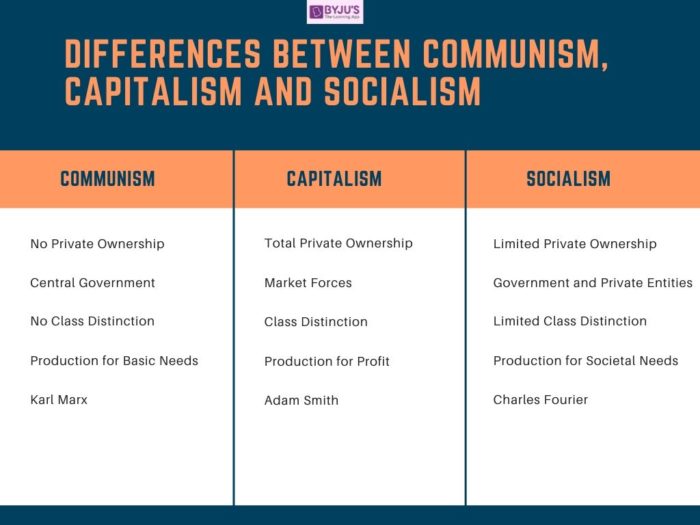
The bedrock of any economic system lies in its approach to ownership and control over the means of production – that is, the factories, land, resources, and tools used to create goods and services. Communism and socialism present radically different blueprints for this foundational aspect, with profound consequences for business finance, investment, and personal wealth.
Communism: State Ownership and Centralized Control
At its theoretical zenith, communism envisions a classless, stateless society where all means of production are communally owned. In practice, historical communist states have translated this into state ownership of virtually all productive assets. This means that individuals or private entities cannot own businesses, land, or capital equipment. Instead, the state, acting on behalf of the collective, controls all industries, from agriculture and manufacturing to services and distribution.
The financial implications of this model are sweeping. For “business finance” as we understand it, there is no private sector. Therefore, concepts like corporate finance, equity markets, debt financing for private enterprises, or mergers and acquisitions are non-existent. All economic activity is directed through central planning, with state-owned enterprises (SOEs) operating according to directives rather than market signals or profit motives. Investment decisions are made at the highest levels of government, not by individual capitalists or market forces seeking returns. Capital allocation is a political, not an economic, process.
For personal finance, the impact is equally profound. The absence of private property extends to personal wealth accumulation beyond basic necessities. There are no opportunities for individuals to build significant capital through entrepreneurship, real estate investment, stock market participation, or other conventional avenues. Wages are typically set by the state, aiming for equality or based on perceived social contribution rather than market demand or individual negotiation. The concept of “investing” for personal gain or retirement planning through diverse portfolios is antithetical to the system, as the state theoretically provides for all needs. The financial system is a monolithic entity designed to serve the state’s economic plan, not to facilitate individual financial growth or market-driven transactions.
Socialism: Mixed Economy and Social Ownership
Socialism, in contrast, advocates for a more nuanced approach to ownership, typically favoring a mixed economy. While essential industries (suchs as utilities, healthcare, education, and sometimes major transport or energy sectors) may be publicly owned or cooperatively managed, significant scope remains for private enterprise. This “social ownership” aims to ensure that critical services and infrastructure serve the public good rather than purely private profit motives.
The financial implications of this mixed model are complex but distinct from communism. In socialist economies, private businesses exist and operate, meaning concepts of business finance, market competition, and private investment are very much alive. However, these private entities often operate within a framework of robust regulation designed to promote social responsibility, fair labor practices, and environmental sustainability. Financial markets exist, but they may be subject to stricter controls on speculation and capital flows. Taxation plays a pivotal role, with progressive tax structures funding extensive social welfare programs, including universal healthcare, free education, and generous unemployment benefits. This means businesses contribute significantly to public coffers, impacting their bottom line and investment strategies.
For personal finance, individuals have the ability to own property, start businesses, save, and invest. However, the emphasis is on wealth redistribution and ensuring a social safety net. High taxes, particularly on higher incomes and wealth, are common to fund public services. This means that while individuals can accumulate wealth, a larger proportion of it is channeled back into public services, reducing extreme wealth disparities. Personal investment opportunities exist, but they operate within a system designed to mitigate market failures and provide collective benefits. The financial system is a hybrid, blending market mechanisms with social objectives, and often features a strong public banking sector alongside private institutions.
Economic Distribution and Wealth Management
Beyond ownership, the methods and philosophies behind how wealth is distributed and managed within a society present another critical divergence between communism and socialism, directly impacting economic equality, financial incentives, and the overall functioning of a monetary system.
Communism: “From Each According to His Ability, To Each According to His Needs”
The core tenet of communist distribution, famously articulated by Karl Marx, posits an ultimate goal where resources are distributed based on individual needs, with contributions derived from individual abilities. In its idealized form, this implies the eventual abolition of money itself, as goods and services would be freely allocated by the community based on assessed requirements. The concept of personal “wealth management” becomes obsolete, as there is no private wealth to manage beyond the immediate necessities provided by the state.
In practical applications, communist states have attempted to achieve this through central planning and the state’s direct allocation of resources and consumer goods. Prices, if they existed, were often symbolic or set by planners, not by supply and demand. The absence of market mechanisms meant that financial tools like interest rates, credit markets (for private consumption or investment), and currency exchange rates (in a global market sense) were either suppressed, tightly controlled, or non-existent for the general populace. Investment decisions for economic growth were entirely centralized, focusing on heavy industry or strategic sectors determined by state planners, with no role for private capital. The financial system, in essence, becomes an internal accounting mechanism for the state, managing material flows rather than facilitating individual transactions or capital accumulation.
The implications for individual financial behavior are stark: there is no incentive to save, invest, or pursue higher-earning professions purely for personal financial gain, as personal accumulation is discouraged or impossible. The state is the sole provider, theoretically removing the need for individual financial planning. This model, while aiming for ultimate equality, historically struggled with issues of efficiency, innovation, and consumer choice, as the complex demands of a modern economy proved difficult to manage without market signals and individual financial incentives.
Socialism: Social Welfare and Market Mechanisms
Socialism, while also concerned with reducing wealth inequality, does not aim to abolish money or market mechanisms. Instead, it seeks to temper market forces through robust social welfare programs and wealth redistribution policies, ensuring that everyone has access to basic necessities and a reasonable standard of living.
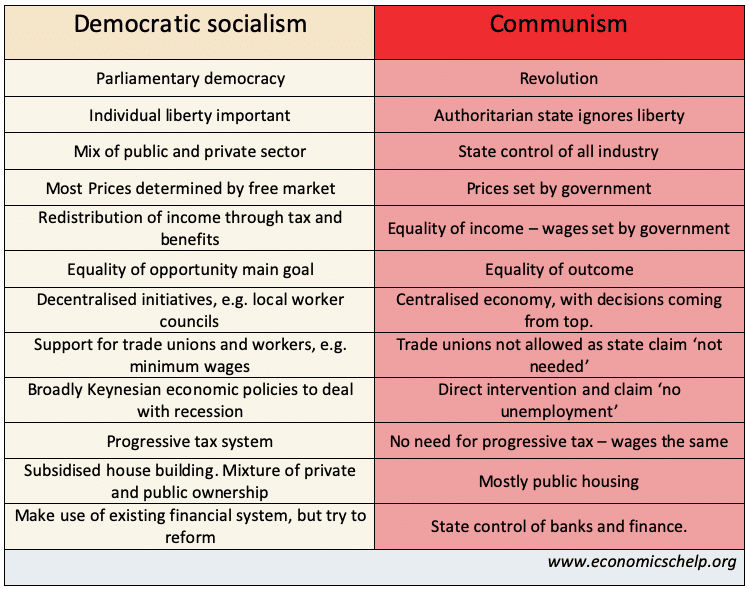
This approach involves a strong reliance on progressive taxation, where higher earners pay a larger percentage of their income in taxes. The revenue generated funds comprehensive public services such as universal healthcare, public education, unemployment benefits, and social housing. These services, often provided free at the point of use or at highly subsidized rates, significantly reduce individual financial burdens and act as a form of “social dividend,” ensuring a baseline level of financial security for all citizens.
Unlike communism, socialist economies typically maintain robust financial markets, banking systems, and investment opportunities. Individuals can save, invest in stocks and bonds, own property, and build personal wealth. However, these activities are often more regulated than in purely capitalist systems, with measures designed to prevent excessive speculation, financial crises, and exploitative practices. For example, financial institutions might face stricter oversight regarding lending practices, and capital gains might be taxed at higher rates. The goal is to allow for market-driven economic activity and individual financial freedom, while simultaneously harnessing a portion of the generated wealth for collective benefit and to mitigate the inherent inequalities that markets can produce. This means “wealth management” in a socialist context involves navigating a market with a strong social safety net and a significant portion of collective resources.
Impact on Individual Finance and Entrepreneurship
The differing approaches to ownership and distribution naturally lead to fundamentally distinct environments for individual financial aspirations, entrepreneurship, and the very concept of economic opportunity.
The Communist Stance on Private Wealth and Enterprise
In a communist system, the concept of private wealth accumulation, beyond personal consumables, is fundamentally rejected. The means of production are collective; therefore, the generation of significant personal capital from owning a business, investing in a company, or accumulating rental properties is not permitted. Entrepreneurship, as understood in a market economy, is suppressed. Individuals cannot start their own private businesses, hire employees, or generate profits for personal gain. Economic activity is planned and executed by the state through its enterprises.
This structure eradicates the traditional pathways to financial independence and intergenerational wealth transfer seen in capitalist or even socialist economies. There are no venture capitalists, no stock market for individual investors, and no private banks offering loans for entrepreneurial endeavors. The state dictates employment, production quotas, and resource allocation. While individuals might have savings accounts, these primarily serve to hold wages for consumption rather than as instruments for investment or capital growth. The financial system is designed to serve the collective plan, not to facilitate individual ambition or risk-taking for profit. This leads to a distinct lack of innovation driven by market incentives and often results in economic stagnation when compared to more dynamic systems that harness individual drive.
Socialist Approaches to Personal Finance and Business
Socialism, particularly in its modern democratic forms, embraces a more accommodating stance toward private wealth and entrepreneurship, albeit within a regulated framework that prioritizes social good. Individuals are encouraged to save, invest, and plan for their financial future, often supported by robust public institutions. For example, public pension schemes, state-backed savings plans, and regulated financial advisors are common.
Entrepreneurship is not only permitted but often actively supported, especially for small and medium-sized enterprises (SMEs) and cooperative businesses. Governments might offer subsidies, tax breaks, or access to credit for startups, recognizing their role in job creation and innovation. However, these businesses operate under stricter labor laws, environmental regulations, and consumer protection standards than might be found in more laissez-faire capitalist economies. Corporate finance in a socialist context must balance profit motives with social responsibility.
For personal finance, the system aims to create a level playing field through robust social safety nets and progressive taxation. While individuals can accumulate wealth, the system is designed to prevent extreme concentrations of wealth and power. This means that while there are opportunities for personal financial growth through investing in private companies, real estate, or stock markets, a significant portion of societal wealth is channeled through public services, reducing the financial pressure on individuals to pay for essential services out-of-pocket. The goal is financial stability and security for all, not just for those who succeed in the market. This fosters a different kind of financial landscape where collective well-being often takes precedence over unchecked individual accumulation, leading to more equitable outcomes, though potentially with a trade-off in raw economic growth compared to highly competitive capitalist systems.
Evolution and Modern Interpretations in the Global Economy
The historical trajectory and modern manifestations of communism and socialism further highlight their economic divergences, particularly as nations navigate an interconnected global financial system. Pure theoretical communism has largely receded, while socialism has adapted into various practical forms.
The Retreat of Pure Communism and Its Financial Legacy
The 20th century saw several nations attempt to implement communist economic systems, most notably the Soviet Union and China for a significant period. These experiments, characterized by complete state control over the economy, central planning, and the suppression of private markets, ultimately faced severe economic challenges. Issues like inefficiency, lack of innovation, shortages of consumer goods, and a profound inability to adapt to changing global economic dynamics contributed to their eventual economic reforms or collapse.
The financial legacy of these pure communist systems is marked by their struggle to integrate into the global financial order. Without private capital markets, convertible currencies (initially), or private international trade driven by market forces, these economies remained largely isolated or engaged in state-controlled bilateral trade. When nations like China began to introduce market reforms (often termed “socialism with Chinese characteristics”), they explicitly moved away from core communist economic tenets, embracing private enterprise, foreign investment, and a hybrid financial system that has allowed them to become major global economic players. Even Cuba, one of the last bastions, has introduced some limited market reforms and private sector opportunities. The historical evidence suggests that a purely communist economic model struggles to generate sustained growth and prosperity in a competitive globalized financial environment, primarily due to its inherent rejection of market incentives and individual financial agency.
Diverse Forms of Socialism in Contemporary Economies
In contrast, socialist principles have found enduring and diverse expressions in contemporary global economies, primarily through “social democracies” or “democratic socialism.” Nations, particularly in Scandinavia (e.g., Sweden, Norway, Denmark), Germany, and Canada, operate highly successful mixed economies that blend capitalism with strong socialist policies. These countries maintain robust private sectors, thriving stock markets, and individual financial freedom, but combine them with extensive social safety nets, universal public services, and significant wealth redistribution through taxation.
Their financial systems are characterized by strong regulation of markets, powerful labor unions that influence wage structures and working conditions, and a focus on financial stability and equality. For instance, while investment banking and venture capital exist, there might be higher capital gains taxes or stricter rules on corporate governance aimed at preventing excessive executive compensation or speculative behavior. Personal finance in these nations benefits from reduced costs of living due to free or highly subsidized healthcare and education, allowing individuals to allocate more of their income towards savings, investments, or leisure, even with higher tax burdens.
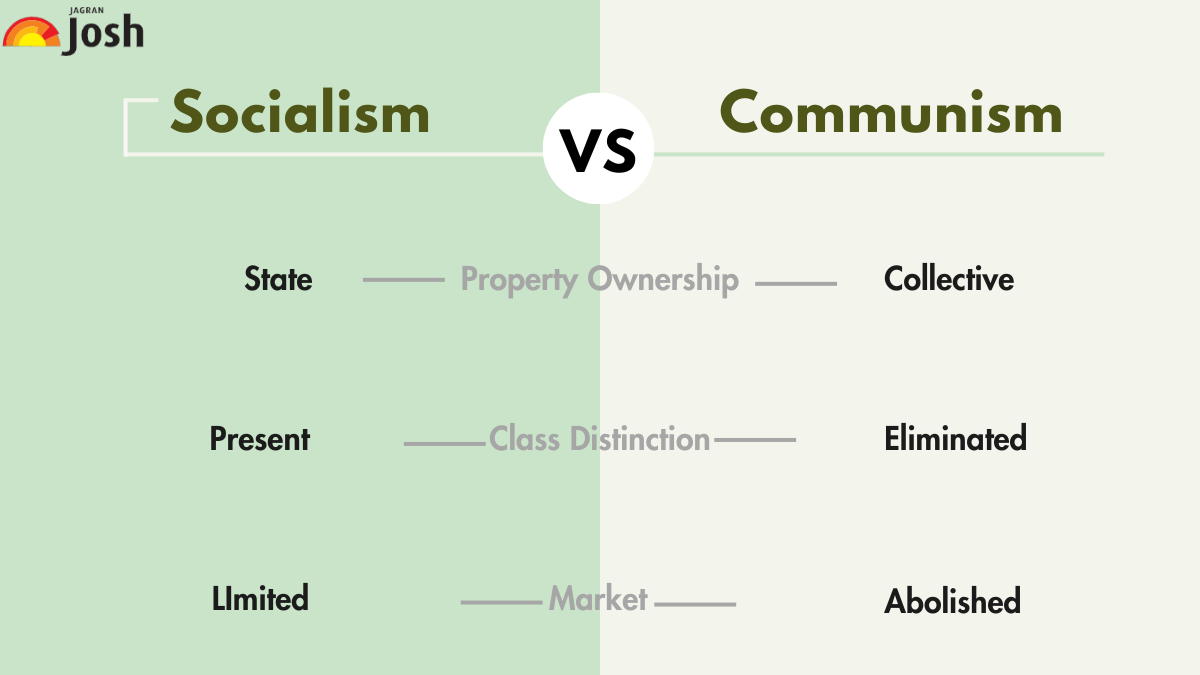
These modern socialist-leaning economies are deeply integrated into the global financial system, participating in international trade, attracting foreign investment, and maintaining stable currencies. Their success demonstrates that it is possible to achieve high levels of economic prosperity and innovation while simultaneously ensuring broad social welfare and reducing financial inequality. This nuanced approach, recognizing the efficiency of markets while mitigating their harsher outcomes through collective financial mechanisms, stands in stark contrast to the historical and theoretical blueprints of communism.
In conclusion, while both communism and socialism emerged from a shared critique of capitalist inequalities, their economic and financial methodologies diverge significantly. Communism, in its pure theoretical and historical applications, seeks the complete abolition of private ownership, market mechanisms, and individual financial accumulation, replacing them with state control and central planning. Socialism, conversely, primarily advocates for a mixed economy, blending private enterprise with public ownership of key sectors, robust social welfare programs, and extensive wealth redistribution, all within a framework that still allows for market activity and individual financial agency. For anyone navigating the complexities of finance, business, and economic policy, understanding these distinctions is not merely an academic exercise but a practical necessity for comprehending how different systems shape our financial lives and the global economic landscape.
aViewFromTheCave is a participant in the Amazon Services LLC Associates Program, an affiliate advertising program designed to provide a means for sites to earn advertising fees by advertising and linking to Amazon.com. Amazon, the Amazon logo, AmazonSupply, and the AmazonSupply logo are trademarks of Amazon.com, Inc. or its affiliates. As an Amazon Associate we earn affiliate commissions from qualifying purchases.