
The dream of building a scalable side hustle or a full-time e-commerce empire often begins on Amazon. With hundreds of millions of active customers, the platform offers an unparalleled opportunity for generating online income. However, for many aspiring entrepreneurs, the financial reality of the “Amazon Tax”—the complex web of fees associated with selling on the platform—can be a significant barrier to entry or, worse, a silent killer of profit margins.
Understanding Amazon’s fee structure is not merely an administrative task; it is a core component of business finance. To succeed in the competitive world of e-commerce, one must look beyond top-line revenue and focus intensely on the net profit remaining after Amazon takes its cut. This guide breaks down the essential costs of doing business on the world’s largest marketplace, categorized to help you master your business finance and optimize your online income.

1. The Entry Point: Subscription Plans and Referral Fees
Before you even list your first product, you must decide on your business model and how you intend to interact with the Amazon ecosystem. This decision dictates your baseline monthly overhead and the transactional costs associated with every sale.
Choosing Between Individual and Professional Selling Plans
Amazon offers two primary tiers for sellers. For those testing the waters of a side hustle, the Individual Plan costs $0.99 per item sold, plus additional referral fees. This is ideal for those selling fewer than 40 items per month. However, for anyone serious about building a business, the Professional Plan is the standard. At $39.99 per month, it eliminates the per-item fee and unlocks essential tools like advanced reporting, advertising capabilities, and the ability to apply for restricted categories. From a financial planning perspective, the Professional Plan is a fixed cost that must be amortized across your total sales volume.
Mastering the Referral Fee Structure
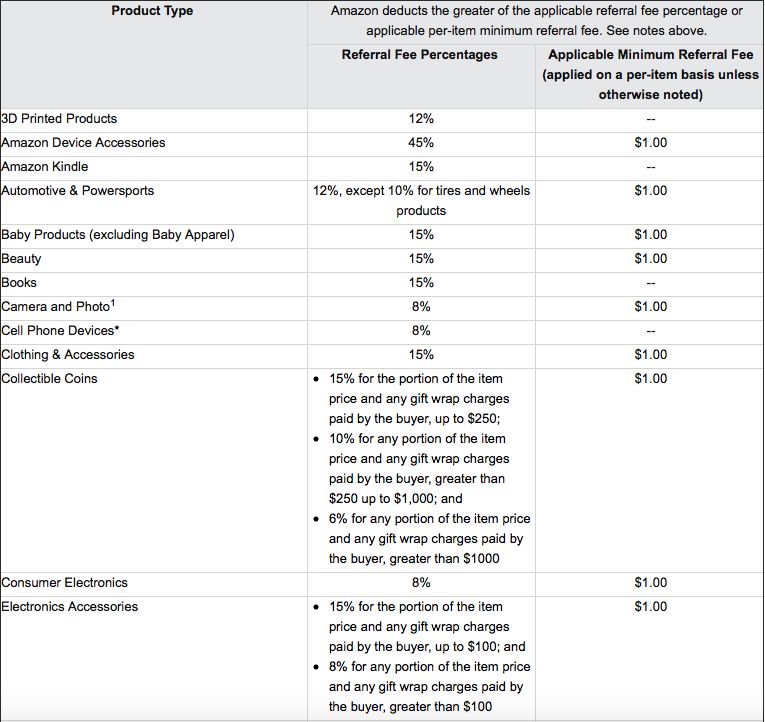
The referral fee is essentially Amazon’s commission for bringing a buyer to your product. It is a percentage of the total sales price, including the item price and any shipping or gift-wrapping charges. While the standard referral fee for many categories is 15%, it varies significantly. For example, Personal Computers carry a lower fee of around 6%, while Clothing and Accessories might be higher. Understanding these percentages is vital for pricing your products; if your margin is thin, a 15% referral fee can easily turn a profitable product into a loss leader.
Minimum Referral Fees and Closing Costs
In addition to the percentage-based referral fee, certain categories have a “Minimum Referral Fee” (usually $0.30). This ensures Amazon makes a baseline profit even on very low-priced items. Furthermore, if you are selling media items like books, DVDs, or video games, you will encounter a Closing Fee, which is a flat charge (currently around $1.80) added on top of the referral fee. For sellers in the media niche, these flat fees can consume a massive portion of the profit on lower-priced inventory.
2. Fulfillment by Amazon (FBA) vs. Fulfillment by Merchant (FBM)
One of the most significant financial decisions an Amazon seller makes is how to handle logistics. This choice fundamentally changes your cost structure and your day-to-day business operations.
The Financial Mechanics of FBA Fees
Fulfillment by Amazon (FBA) allows sellers to outsource storage, packing, and shipping to Amazon. While this provides a “hands-off” income stream, it comes at a premium. FBA fees are calculated based on the weight and dimensions of the product. These fees cover the labor of picking and packing, the cost of packaging materials, and the shipping itself. It is crucial to monitor “dimensional weight”—a calculation that accounts for the space a package occupies—as large but light items can sometimes incur higher fees than small, heavy ones.
Inventory Storage Costs: Monthly and Long-Term
When using FBA, you are essentially renting space in Amazon’s massive warehouses. Monthly Inventory Storage Fees are based on the daily average volume (measured in cubic feet) for the space your inventory occupies. It is important to note that these fees fluctuate seasonally; they rise significantly during the “Peak Season” (October through December) to encourage sellers to move inventory quickly during the holidays.
Furthermore, sellers must be wary of Aged Inventory Surcharges (formerly known as long-term storage fees). If a product sits in a fulfillment center for more than 181 days, the costs skyrocket. Effective inventory management is therefore a cornerstone of maintaining a healthy cash flow.
The Economics of Fulfillment by Merchant (FBM)
For some business models, Fulfillment by Merchant (FBM) is more financially viable. Under FBM, the seller handles storage and shipping independently. While you avoid FBA fulfillment and storage fees, you must account for your own warehouse costs, shipping labels, and packaging materials. FBM is often the preferred route for heavy, bulky items with low turnover rates or for businesses that already have a robust logistics infrastructure. From a money-management perspective, FBM allows for tighter control over shipping margins but requires more manual labor and overhead.
3. Beyond the Sale: Variable and Hidden Operational Costs
The “true” cost of selling on Amazon often involves expenses that don’t appear on the initial fee schedule but are vital for maintaining a competitive edge and protecting your investment.
Advertising and Marketing Spend (Amazon PPC)
In today’s crowded marketplace, “organic” sales are rarely enough to build a sustainable online income. Most successful sellers utilize Amazon Advertising (Pay-Per-Click or PPC). While technically an optional marketing expense, it functions as a variable fee for most. Your ACoS (Advertising Cost of Sales) measures how much you spend on ads relative to the revenue they generate. High-competition niches can see PPC costs eat 20-30% of revenue, making it one of the most significant financial factors in your business finance sheet.
Refund Administration and Return Fees
Returns are an inevitable part of e-commerce. When a customer returns a product, Amazon keeps a portion of the original referral fee as a “Refund Administration Fee” (usually 20% of the referral fee, up to $5.00). If you are using FBA, you may also be charged a “Returns Processing Fee” for specific categories where Amazon provides free return shipping to the customer. Managing return rates is essential; a high return rate not only hurts your standing with Amazon but also creates a significant financial leak.
Removal and Disposal Order Fees
If you have inventory that isn’t selling or has been returned in a non-sellable condition, you cannot leave it in Amazon’s warehouse indefinitely without incurring massive storage fees. To mitigate this, you must pay Removal Order Fees to have the items shipped back to you or Disposal Order Fees to have Amazon discard them. These costs, though small per unit, can add up if a product line fails, representing a “sunk cost” that must be factored into your risk management strategy.
4. Strategic Financial Planning for Long-Term Profitability
To move from a simple side hustle to a sophisticated business, you must apply rigorous financial tools and strategies to your Amazon venture. Mastering the fees is the first step toward optimizing your net income.
Calculating Net Profit Margins with the “Rule of Thirds”
A common shorthand in the Amazon seller community is the “Rule of Thirds.” Ideally, one-third of your product’s sale price goes toward the cost of goods (COGS), one-third goes toward Amazon fees and marketing, and the final third remains as your net profit. While this is an oversimplification, it serves as a helpful benchmark for evaluating new products. If the Amazon fees alone (referral + FBA) exceed 35-40% of the sale price, the product may not be financially viable unless you have an exceptionally low COGS.
Managing Cash Flow and Payout Cycles
In business finance, cash flow is king. Amazon typically operates on a 14-day payout cycle. This means your capital is often tied up in inventory and pending disbursements. New sellers must account for this lag; if you spend all your capital on your first shipment, you may lack the funds to restock once those items sell, leading to “stock-outs” that hurt your ranking. Successful sellers often utilize financial tools like lines of credit or specialized e-commerce lending to bridge the gap between paying for inventory and receiving Amazon payouts.
Utilizing Financial Tools for Tracking and Optimization
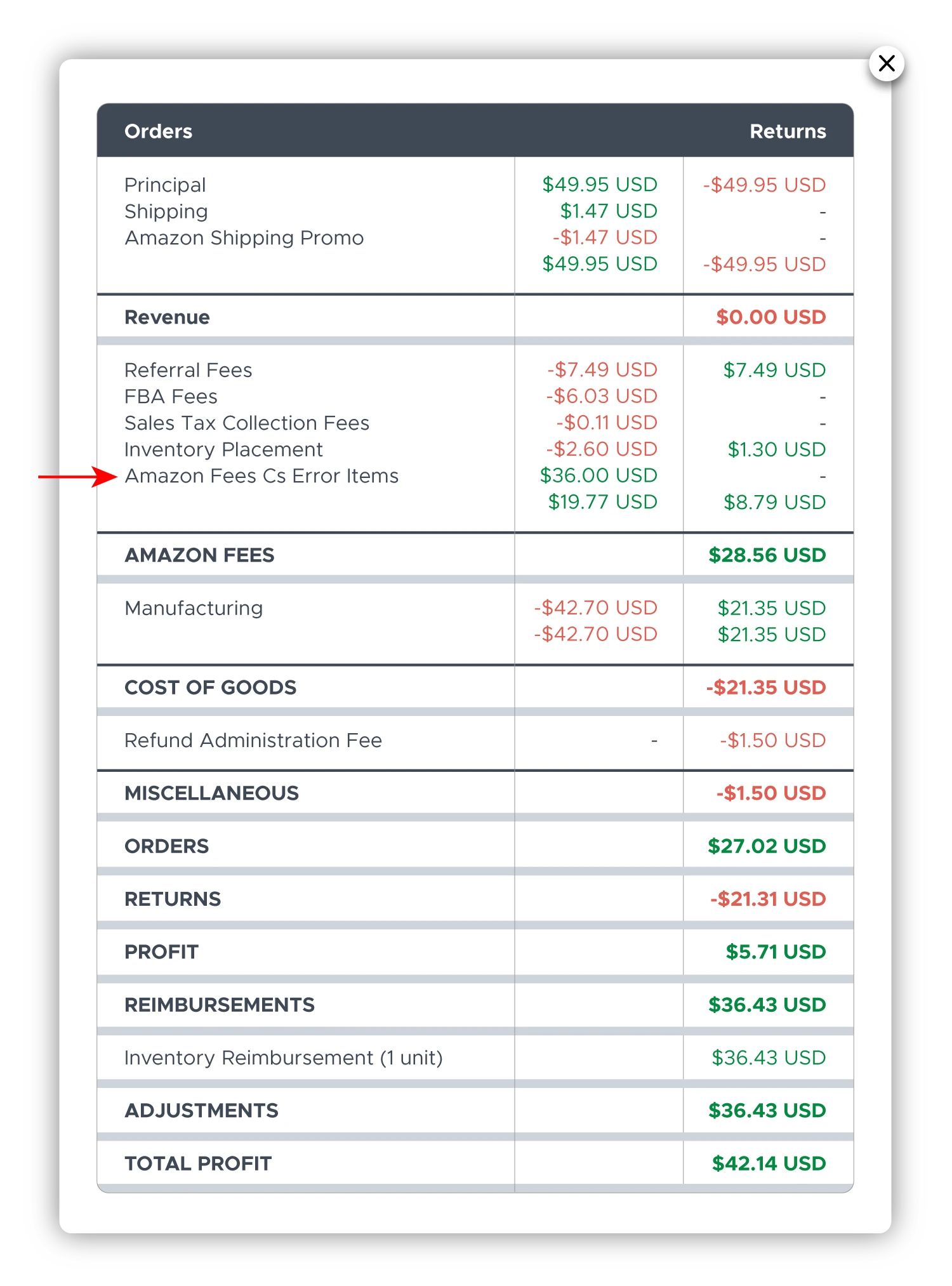
Relying solely on Amazon’s Seller Central dashboard can be risky, as it doesn’t always provide a clear picture of net profit after accounting for outside expenses like software, shipping to Amazon, and taxes. Utilizing dedicated e-commerce accounting software or profit-tracking tools is essential. These tools sync with your Amazon account to provide real-time data on your “True Profit,” helping you identify which products are actually making money and which are being drained by hidden fees.
In conclusion, while the Amazon marketplace offers a powerful engine for generating online income, it is a “pay-to-play” environment. Success is reserved for those who treat their Amazon presence as a disciplined exercise in business finance. By meticulously accounting for every referral fee, storage surcharge, and advertising dollar, you can build a resilient and profitable brand that stands the test of time.
aViewFromTheCave is a participant in the Amazon Services LLC Associates Program, an affiliate advertising program designed to provide a means for sites to earn advertising fees by advertising and linking to Amazon.com. Amazon, the Amazon logo, AmazonSupply, and the AmazonSupply logo are trademarks of Amazon.com, Inc. or its affiliates. As an Amazon Associate we earn affiliate commissions from qualifying purchases.