
In the ever-evolving landscape of video games, certain genres emerge that not only define a generation but also push the boundaries of design, player engagement, and technical execution. Among these, the “Souls games” stand as a towering testament to challenging gameplay, intricate world-building, and a unique approach to narrative. Originating primarily from the visionary Japanese developer FromSoftware, spearheaded by Hidetaka Miyazaki, this genre has transcended its niche roots to become a significant force in the global gaming community. But what exactly are Souls games, and what technical and design philosophies underpin their enduring appeal?
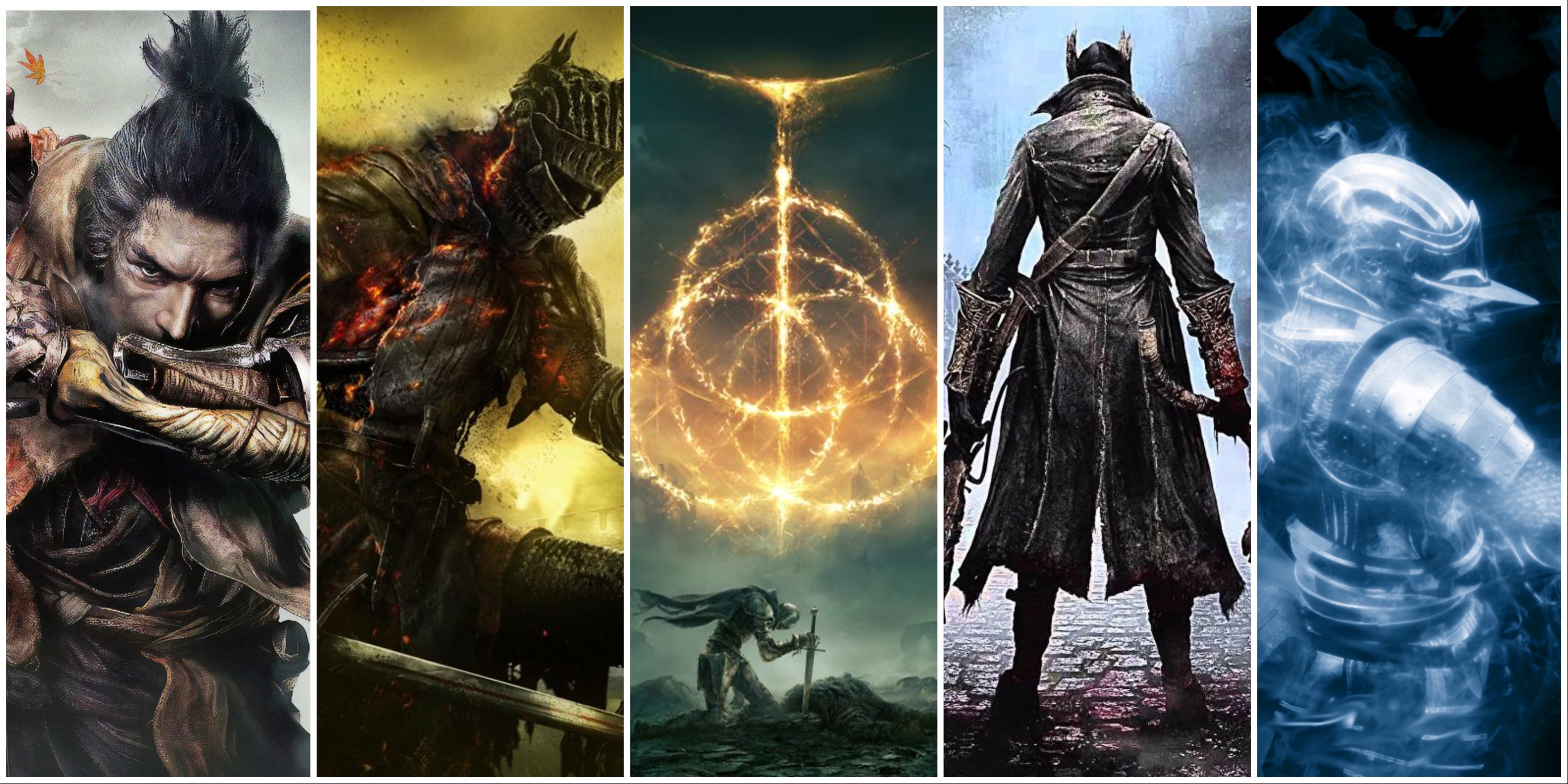
At their core, Souls games are action role-playing games (ARPGs) renowned for their uncompromising difficulty, deep combat systems, and a distinctive environmental storytelling approach. The moniker “Souls games” initially referred to FromSoftware’s foundational titles like Demon’s Souls (2009) and the Dark Souls trilogy (2011-2016), later expanding to include spiritual successors and evolutions such as Bloodborne (2015), Sekiro: Shadows Die Twice (2019), and the critically acclaimed Elden Ring (2022). Their influence has been so profound that an entire subgenre, “Soulslikes,” has emerged, encompassing games developed by other studios that emulate their core mechanics and design philosophies. For anyone navigating the complexities of modern gaming technology and its trends, understanding Souls games is paramount to grasping a significant segment of contemporary interactive entertainment.
The Defining Pillars of Souls Games
The identity of a Souls game is forged from several distinct design principles that collectively create an experience unlike any other. These pillars are not merely features but fundamental tenets that dictate the player’s journey, challenge their skills, and reward their perseverance.
Uncompromising Difficulty and Punishment
Perhaps the most universally recognized characteristic of Souls games is their notorious difficulty. These titles are designed to be challenging, often brutally so, right from the outset. Enemies are formidable, traps are unforgiving, and boss encounters are epic tests of skill, patience, and strategy. Death is not merely a setback but a core part of the learning process. Unlike many modern games that prioritize accessibility through lower difficulty settings or extensive hand-holding, Souls games embrace a “tough love” philosophy.
The difficulty is not arbitrary; it’s meticulously crafted. Every enemy, every level layout, and every boss encounter is designed with specific attack patterns, weaknesses, and environmental considerations that players must learn and adapt to. The games rarely offer explicit tutorials, instead forcing players to experiment, fail, and internalize mechanics through repeated attempts. This high barrier to entry can be frustrating for newcomers, yet it fosters a profound sense of accomplishment when a difficult boss is finally overcome or a complex area navigated successfully. The design intent is clear: to make victory feel earned, making the struggle an integral part of the player’s satisfaction. This commitment to player-driven discovery and mastery is a significant technical and design choice that sets the genre apart.
Deliberate and Precise Combat Mechanics
Complementing the high difficulty is a combat system that demands precision, timing, and strategic thinking. Unlike the often frantic, button-mashing approach of many action games, Souls combat is methodical. Every swing, dodge, parry, or spell cast consumes a crucial resource: stamina. Managing stamina effectively is key to survival, as reckless attacks leave the player vulnerable.
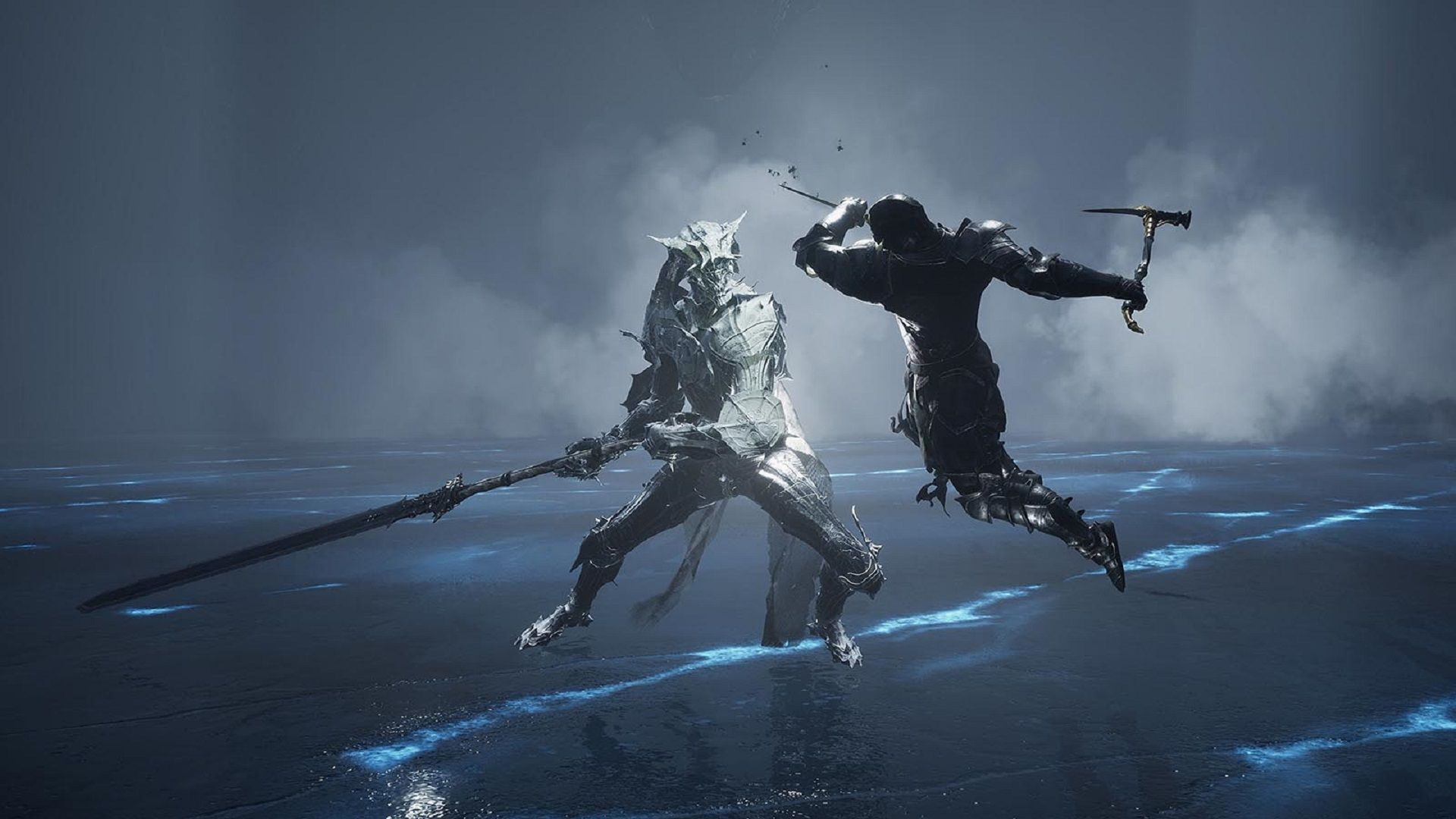
Players must carefully observe enemy movements, learn their attack tells, and exploit brief windows of opportunity. Dodging and rolling (often with “invincibility frames” during specific animations) are essential defensive maneuvers, while parrying and riposting can turn the tide against powerful foes. Weapon choice also plays a critical role, as each weapon type—from colossal greatswords to nimble daggers—features unique move sets, scaling attributes, and weight considerations that impact character mobility. The technical implementation of these animations, hitboxes, and damage calculations is incredibly precise, demanding a high level of fidelity from the underlying game engine to ensure fairness and responsiveness. This emphasis on player skill over raw stats means that even a low-level character can triumph against seemingly impossible odds with enough mastery and understanding of the mechanics. The game’s intricate physics and animation systems are central to this deliberate combat feel.
Environmental Storytelling and Opaque Lore
Souls games are famed for their unique approach to narrative and world-building, often eschewing traditional linear storytelling for a more fragmented, interpretive method. Instead of cutscenes, explicit dialogue, or quest markers, the lore is embedded directly into the game world itself. Story details are gleaned from item descriptions, subtle environmental cues, architectural designs, the placement of enemies, and cryptic conversations with non-player characters (NPCs).
This “show, don’t tell” philosophy encourages players to actively engage with the world, piece together fragmented narratives, and form their own interpretations of the overarching mythology. The worlds themselves are often decaying, post-apocalyptic settings filled with ancient gods, tragic heroes, and unspeakable horrors, all tied together by themes of entropy, cycles of life and death, and the futility of ambition. This method of storytelling fosters incredibly active and passionate player communities who delve deep into lore discussions, theory crafting, and uncovering hidden secrets. From a technical perspective, this requires an immense amount of detail in asset design, texture work, and environmental scripting, ensuring that every visual element contributes to the narrative tapestry without explicitly stating it. The seamless integration of lore into the game’s art direction and level design is a hallmark of the genre’s sophisticated game development.
The Core Gameplay Loop: Death, Learning, and Progression
The engine of a Souls game, both metaphorically and technically, is its cyclical gameplay loop that transforms every defeat into a lesson and every small victory into meaningful progress.
The Bonfire/Grace System and Resource Management
Central to the Souls experience is the unique checkpoint system, epitomized by the “bonfires” in Dark Souls or “Sites of Grace” in Elden Ring. These scattered safe havens allow players to rest, replenish health and healing items (Estus Flasks), and access character progression menus. However, resting at a bonfire also respawns most non-boss enemies in the area, creating a constant tension between seeking refuge and pushing forward.
A critical component of this loop is the “souls” (or runes, blood echoes, etc.) system. These represent both the in-game currency and experience points. Players collect souls from defeated enemies, which can then be spent on leveling up character attributes, purchasing items, or upgrading equipment. The catch, however, is that upon death, all accumulated souls are dropped at the location of demise. Players then have one chance to retrieve them by reaching that spot again without dying. A second death before retrieval means the souls are lost forever. This high-stakes mechanic injects intense risk-reward decisions into every combat encounter and exploration venture, forcing players to carefully weigh the benefits of pushing deeper into an unknown area against the risk of losing valuable progress. The persistent world state, coupled with dynamic enemy respawn logic, is a testament to the underlying game engine’s sophisticated state management capabilities.
Character Building and RPG Elements
Despite their reputation for action-oriented combat, Souls games are robust RPGs at their core. Players have a wide array of options for character customization and build variety. Leveling up involves allocating points to various attributes like Vigor (health), Endurance (stamina/equip load), Strength, Dexterity, Intelligence, Faith, and Arcane. Each attribute governs different aspects of the character’s capabilities, influencing weapon damage, spell effectiveness, defensive stats, and carry weight.
Beyond attributes, equipment choices are paramount. Armor sets provide varying levels of physical and elemental defense, often with unique resistances and aesthetic appeal. Weapons are incredibly diverse, with unique move sets, scaling properties, and upgrade paths that can dramatically alter their effectiveness. Magic, miracles, and incantations offer further strategic depth, allowing players to specialize in ranged combat, support, or powerful offensive spells. This extensive system of character progression encourages experimentation and replayability, as different builds offer entirely new ways to approach the game’s challenges. From a technical standpoint, the game must manage a complex database of items, stats, and interlocking systems to provide this depth, requiring efficient data structures and algorithms to prevent performance bottlenecks.
The Cultural Impact and Evolution of the Genre
The influence of Souls games extends far beyond FromSoftware’s own titles, shaping the broader gaming industry and fostering a unique subculture.
From Niche to Mainstream: FromSoftware’s Legacy
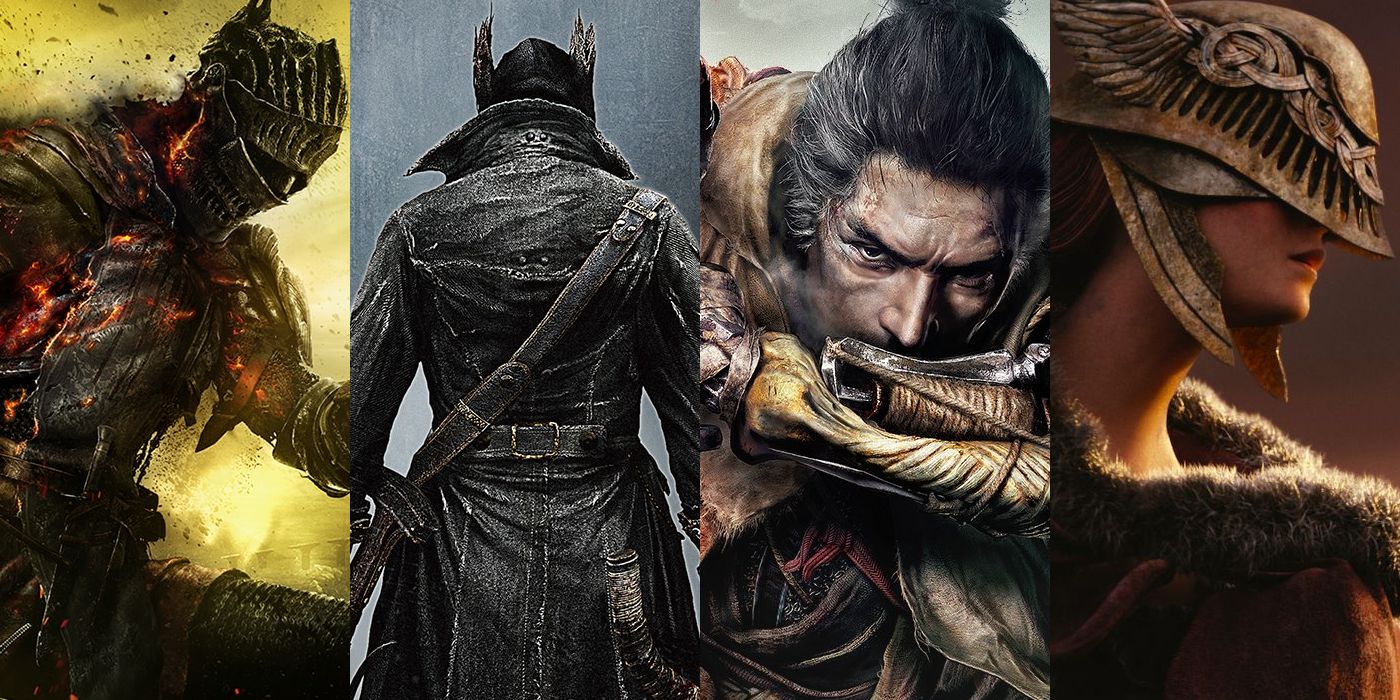
What began as a cult classic with Demon’s Souls on the PlayStation 3 evolved into a global phenomenon. The Dark Souls trilogy cemented FromSoftware’s reputation for masterfully crafted, challenging ARPGs. Bloodborne offered a faster, more aggressive take on the formula with a distinct gothic horror aesthetic, while Sekiro introduced a refined parry-focused combat system, moving away from traditional RPG stats towards a more action-adventure structure. Elden Ring, released in 2022, took the foundational Souls formula and expanded it into a vast, intricate open world, achieving unprecedented commercial and critical success, including winning Game of the Year awards.
FromSoftware’s success lies not only in their uncompromising vision but also in their continuous technical and design refinement across titles. Each game builds upon previous iterations, introducing new mechanics while retaining the core tenets. Their games are benchmarks for world design, enemy variety, and the intricate balancing act of making a game brutally difficult yet undeniably fair. This journey from a niche Japanese developer to a global industry giant is a testament to the power of unique vision combined with meticulous technical execution.
The Rise of “Soulslikes” and Genre Proliferation
The success of Souls games inevitably led to a wave of inspired titles across the industry, colloquially known as “Soulslikes.” These games adopt various elements of the Souls formula, such as punishing difficulty, stamina-based combat, loss-upon-death mechanics, interwoven level design, and enigmatic storytelling. Examples include Nioh and Nioh 2 (Team Ninja), which added loot-based RPG mechanics and faster combat; The Surge series (Deck13), featuring sci-fi settings and limb-targeting systems; Lords of the Fallen (various developers), which leans into dark fantasy; and even 2D indie titles like Hollow Knight (Team Cherry) that translate the principles into a Metroidvania format.
The emergence of Soulslikes signifies a recognition within the game development community that there is a significant appetite for challenging, systems-driven gameplay. These games demonstrate the versatility of the Souls formula, showcasing how its core principles can be adapted and innovated upon within different settings and with varied mechanics. From a technical perspective, these developers often face the challenge of reverse-engineering or interpreting FromSoftware’s subtle design choices, sometimes with varying degrees of success in capturing the ‘feel’ of the original, highlighting the nuanced interaction between game mechanics and player experience.
Accessibility, Community, and the Future
As the Souls genre matures, discussions surrounding its future, accessibility, and the role of its vibrant community continue to evolve.
Bridging the Difficulty Gap: Ongoing Debates
The inherent difficulty of Souls games remains a topic of spirited debate. While many fans argue that the challenge is intrinsic to the experience and should not be compromised, others advocate for optional difficulty settings to make the games accessible to a wider audience. FromSoftware has largely resisted adding “easy modes,” instead offering in-game mechanics like summons for co-op play (allowing players to call for assistance) or subtle design choices that offer more strategic approaches for less skilled players.
This debate highlights a fundamental tension in game design: balancing artistic vision with market accessibility. The technical implementation of difficulty settings in complex ARPGs is not trivial; it can impact enemy AI, scaling, and overall game balance, potentially altering the intended player experience. For now, the “intended” challenge remains a core tenet, but the conversation is a crucial one for the future of game design and inclusiveness within the tech sphere.
The Power of Community and Shared Experience
The difficulty and opaque nature of Souls games have inadvertently fostered some of the most dedicated and collaborative communities in gaming. Players frequently engage in online co-op to overcome bosses, participate in player-versus-player (PvP) duels, and leave helpful (or sometimes misleading) messages for others to find in their worlds. Beyond in-game interactions, online forums, wikis, YouTube channels, and Twitch streams are brimming with lore analyses, build guides, speedrunning attempts, and discussions about hidden secrets.
This shared struggle and collective discovery forge strong bonds among players. The absence of explicit narrative hand-holding transforms lore into a communal puzzle, where different theories are debated and corroborated. This active community plays a vital role in extending the lifespan and cultural footprint of these games, showcasing the social dimensions of sophisticated single-player experiences within the modern digital ecosystem.
What’s Next for Souls Games and the Tech Industry?
The future of Souls games, both from FromSoftware and the broader Soulslike genre, appears robust. Anticipation for future FromSoftware titles remains high, with fans eager to see how they will innovate within their established framework or potentially venture into new design territories. Technically, advancements in game engines, rendering capabilities, and AI will undoubtedly allow for even more expansive worlds, more complex enemy behaviors, and more immersive experiences. The integration of haptic feedback, ray tracing, and other next-generation console features will continue to enhance the visceral nature of their combat and world interaction.
Beyond FromSoftware, the “Soulslike” genre will continue to evolve as other developers inject their own unique twists and interpretations, potentially bridging gaps in accessibility while retaining core mechanics. This constant innovation drives progress across the tech industry, influencing everything from animation techniques to network code for online multiplayer. Souls games are not just entertaining; they are a crucible for game design, continually pushing the boundaries of what is possible in interactive digital entertainment.
In conclusion, Souls games represent a remarkable achievement in video game design and technology. They challenge conventions by embracing difficulty as a core mechanic, offering precision combat that rewards mastery, and weaving narratives through environmental cues. Their influence has rippled across the industry, inspiring countless developers and fostering a vibrant, dedicated global community. For anyone interested in the cutting edge of software development, interactive design, and the evolving trends of digital entertainment, understanding “what are Souls games” is to understand a pivotal chapter in the ongoing story of video game innovation.
aViewFromTheCave is a participant in the Amazon Services LLC Associates Program, an affiliate advertising program designed to provide a means for sites to earn advertising fees by advertising and linking to Amazon.com. Amazon, the Amazon logo, AmazonSupply, and the AmazonSupply logo are trademarks of Amazon.com, Inc. or its affiliates. As an Amazon Associate we earn affiliate commissions from qualifying purchases.