
For individuals managing diabetes, foot care transcends routine hygiene; it becomes a critical component of overall health management. Among the myriad preventative measures, diabetic socks stand out not merely as a garment, but as a sophisticated piece of wearable technology meticulously engineered to safeguard one of the body’s most vulnerable areas. Far from being ordinary hosiery, these specialized socks integrate advanced material science, ergonomic design, and innovative manufacturing techniques to mitigate the unique risks faced by diabetic feet, such as neuropathy, poor circulation, and increased susceptibility to infection and injury. Understanding “what are socks for diabetics” means delving into the purposeful technology embedded within their fibers and construction, revealing them as an indispensable tool in proactive diabetic care.
The Engineering Behind Diabetic Foot Protection
At its core, the efficacy of diabetic socks stems from intelligent engineering focused on eliminating common foot stressors and optimizing conditions for foot health. Every aspect, from fiber choice to seam placement, is a calculated design decision aimed at protecting compromised skin and delicate circulatory systems.
Material Science for Optimal Comfort and Safety
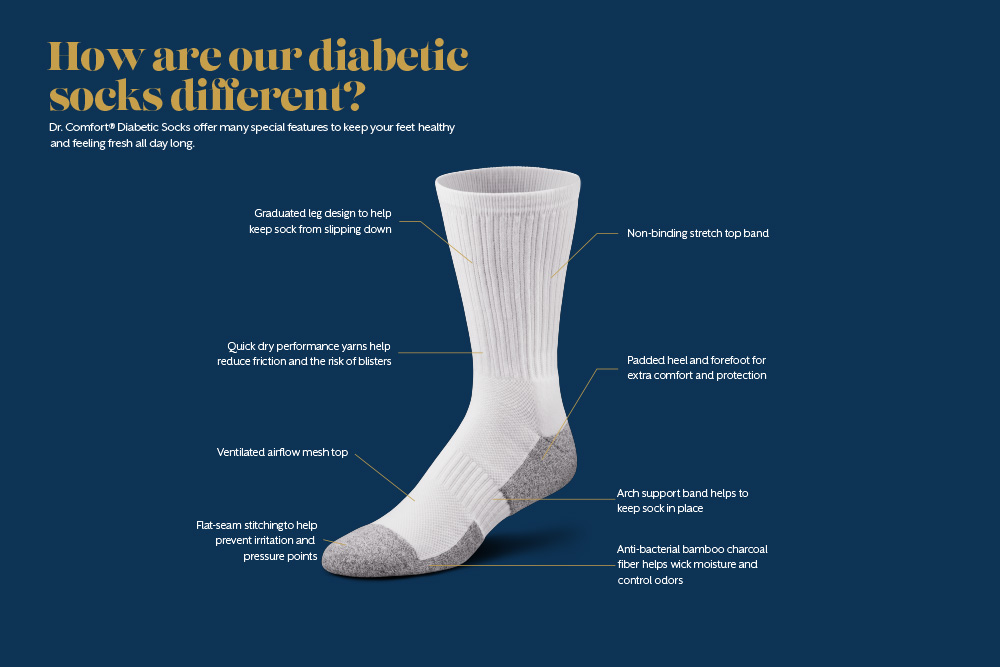
The foundation of any high-performance diabetic sock lies in its material composition. Unlike conventional cotton socks that can retain moisture and cause friction, diabetic socks often employ a blend of advanced synthetic and natural fibers chosen for specific properties:
- Moisture-Wicking Technology: Materials like bamboo, acrylic, specific polyesters, or blends are engineered to draw sweat away from the skin, preventing the damp, macerated environment that fosters fungal and bacterial growth. This active moisture management is crucial in preventing skin breakdown and infections.
- Antimicrobial Properties: Many diabetic socks are infused with silver, copper, or other antimicrobial agents directly into their fibers. This “smart fabric” technology actively inhibits the growth of bacteria and fungi, providing an additional layer of protection against infections, which can be particularly dangerous for individuals with impaired immune responses.
- Breathability: The weave and chosen materials are designed to promote airflow, ensuring feet remain cool and dry. This regulates foot temperature and further prevents the accumulation of moisture.
- Softness and Hypoallergenic Qualities: The inner surface of diabetic socks is meticulously crafted to be exceptionally soft and smooth, often using microfibers or specially treated natural fibers to minimize friction and irritation. This is paramount for individuals with neuropathy who may not detect minor abrasions. Hypoallergenic materials also reduce the risk of allergic reactions or skin sensitivities.
Seamless Design and Non-Binding Construction
Perhaps one of the most critical technological advancements in diabetic socks is the complete reimagining of traditional sock construction.
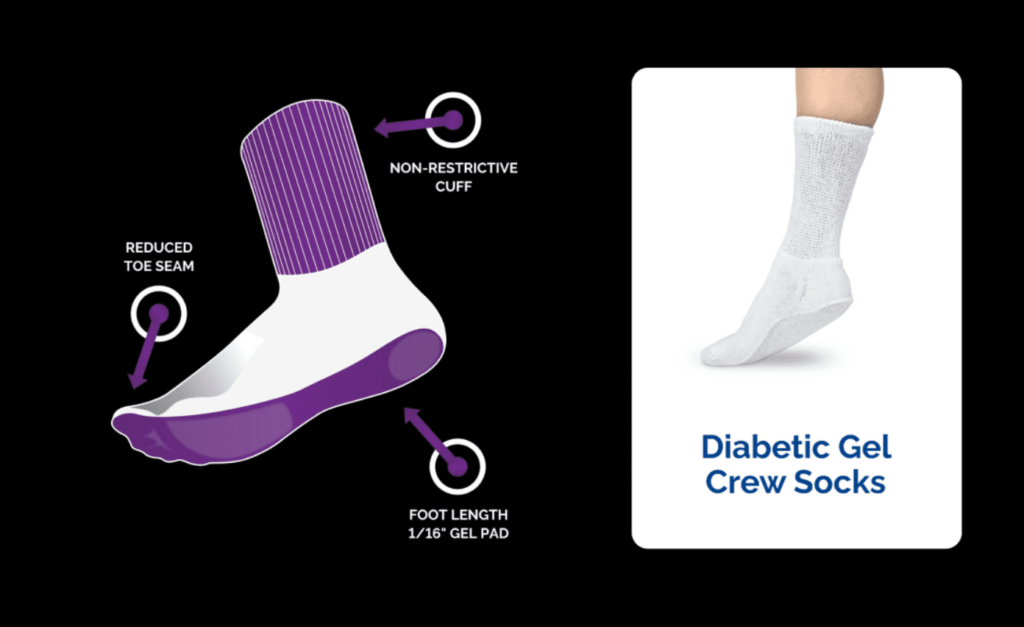
- True Seamless Toes: Conventional socks often have a raised seam across the toes, which can cause significant irritation, pressure points, and even blisters. Diabetic socks utilize a “true seamless” design, where the toe closure is virtually flat or imperceptible. This intricate weaving technique eliminates potential friction zones, offering an unhindered, smooth interior that is vital for neuropathic feet.
- Non-Binding Cuffs: Another hallmark is the non-restrictive cuff. Unlike regular socks that feature tight elastic bands to keep them up, diabetic socks employ a specialized, wider, and more elastic weave around the ankle and calf. This innovative design holds the sock comfortably in place without constricting blood flow, which is crucial for individuals already battling compromised circulation. The technology here lies in achieving sufficient grip without creating pressure points that could impede venous return or lymphatic drainage.
Cushioning and Pressure Distribution Technologies
The design of diabetic socks also incorporates strategic cushioning to protect the feet from impact and redistribute pressure effectively.
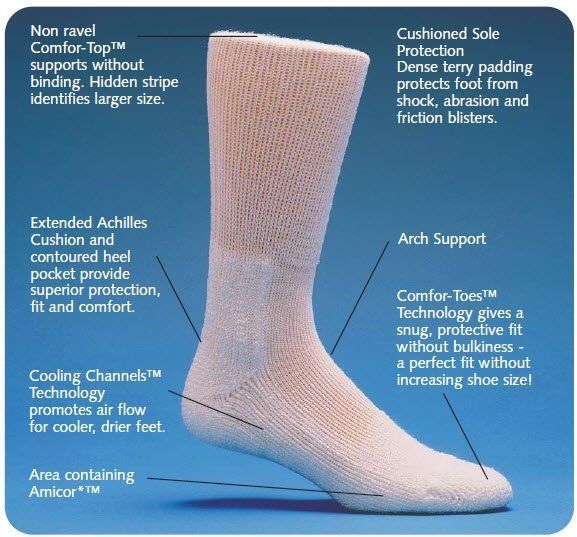
- Targeted Padding: Areas prone to pressure, such as the heel, ball of the foot, and sole, often feature extra padding. This isn’t just about thickness; it involves specific weaves or layered materials designed to absorb shock and reduce shear forces during walking and standing.
- Anatomical Fit: Modern diabetic socks are often designed with an anatomical left/right foot distinction, providing a more precise fit that minimizes bunching and ensures padding is correctly positioned. This “engineered fit” approach contributes significantly to comfort and protective efficacy.
- Proprietary Weaving Patterns: Some manufacturers employ unique weaving patterns that create micro-channels for air circulation or distribute pressure more evenly across the foot, preventing hot spots and localized stress. This represents an advanced application of textile engineering principles to biomechanical problems.
Addressing Specific Diabetic Complications with Textile Innovation
The innovations in diabetic socks are not arbitrary; they directly target the primary foot complications associated with diabetes, providing a crucial line of defense.
Neuropathy and Sensory Protection
Diabetic neuropathy, a condition characterized by nerve damage, often leads to a loss of sensation in the feet. This means a person might not feel cuts, blisters, or pressure sores, allowing minor injuries to escalate into severe infections.
- Ultra-Soft Fibers and Smooth Interiors: The emphasis on incredibly soft, smooth materials and seamless construction is a direct response to neuropathy. By eliminating internal friction and irritation, these socks prevent the micro-traumas that an insensate foot cannot detect.
- Protective Barrier: The sock acts as a continuous, gentle barrier, shielding the delicate skin from environmental hazards, shoe linings, and external impacts that could otherwise go unnoticed. This constant, gentle contact is a form of passive sensory protection.
Circulatory Support and Edema Management
Poor circulation is another significant concern for people with diabetes, leading to slower wound healing and increased risk of infection.
- Non-Constrictive Design: As mentioned, the non-binding cuffs are paramount. They prevent any impediment to blood flow, ensuring that already compromised circulation is not further restricted. This is a critical design feature that directly supports vascular health.
- Gentle Swelling Management (Non-Compression): While not typically medical-grade compression stockings, some diabetic socks offer a very gentle, graduated compression that aids in minor edema management without becoming constrictive. This is a subtle application of pressure technology, distinct from therapeutic compression, and carefully calibrated to be safe for diabetic individuals. The goal is to support blood flow without creating pressure points.
Infection Prevention through Smart Fabrics
Given the impaired immune response and slow wound healing common in diabetes, preventing infections is a top priority.
- Advanced Antimicrobial Treatments: The integration of silver, copper, or other biocides into the fabric creates an environment inhospitable to bacteria and fungi. This active “self-cleaning” property is a prime example of smart fabric technology. These treatments are often durable, lasting through many washes.
- Superior Moisture Management: By actively wicking away sweat and promoting rapid evaporation, these socks prevent the moist, warm conditions that are ideal for microbial proliferation. This dynamic moisture control is a key technological feature in reducing infection risk.
- Temperature Regulation: The breathable construction helps maintain an optimal foot temperature, further discouraging microbial growth and enhancing overall comfort.
Evolving Trends in Diabetic Sock Technology
The field of diabetic foot care is not stagnant, and the technology embedded in diabetic socks continues to evolve, pushing the boundaries of wearable health solutions.
Integration of Smart Features and Sensors
The future of diabetic socks is increasingly moving towards integrating sophisticated sensor technology:
- Temperature Monitoring: Prototype socks are being developed with embedded temperature sensors that can detect localized hot spots, which often precede ulcer formation. Alerts can be sent to a smartphone or healthcare provider, enabling early intervention.
- Pressure Mapping: Advanced concepts include pressure-sensing matrices within the sock to identify areas of excessive pressure during ambulation, helping to prevent ulcers by signaling the need for footwear adjustments or offloading.
- Gait Analysis and Activity Tracking: Some research explores incorporating accelerometers and gyroscopes to monitor gait patterns and overall physical activity, providing valuable data for personalized care plans. These applications transform a simple garment into a diagnostic and monitoring tool.
Sustainable and Hypoallergenic Material Advances
As environmental consciousness grows and understanding of skin sensitivities deepens, material science for diabetic socks is also advancing:
- Eco-Friendly Fibers: Research is ongoing into sustainable materials like organic cotton, recycled polyesters, and innovative plant-based fibers that retain the necessary performance characteristics while minimizing environmental impact.
- Enhanced Hypoallergenic Treatments: Development of new hypoallergenic finishes and materials further reduces the risk of skin irritation, especially for individuals with extremely sensitive skin or multiple comorbidities.
- Bio-Active Coatings: Beyond antimicrobials, future socks might feature bio-active coatings that can release therapeutic agents or promote skin healing.
Customization and Personalization in Design
The concept of a one-size-fits-all approach is diminishing, paving the way for personalized solutions:
- 3D Scanning for Custom Fit: Imagine having your foot 3D-scanned, and a sock being custom-knitted to your exact foot dimensions, contours, and pressure profiles. This level of customization ensures optimal fit, comfort, and protection, especially for those with unique foot deformities or post-surgical changes.
- Modular Design: Future designs might allow for interchangeable padding or inserts within the sock itself, enabling dynamic adjustment to changing needs or specific activity levels.
Selecting the Right Technological Footwear
Choosing the correct diabetic socks is an investment in foot health, requiring a discerning eye for their underlying technology and functional design.
Key Features to Look for in High-Tech Diabetic Socks
When selecting diabetic socks, prioritize those that clearly demonstrate advanced engineering and material science:
- True Seamless Toes: Confirm the absence of any discernible seam.
- Non-Binding Cuffs: Ensure the cuff is comfortable and leaves no indentations on the skin after removal.
- Advanced Moisture-Wicking Materials: Look for explicit mention of materials like bamboo, specific acrylics, or synthetic blends designed for moisture management.
- Antimicrobial Treatments: Check for integrated silver, copper, or other antibacterial/antifungal agents.
- Strategic Cushioning: Evaluate the presence and placement of padding in high-impact zones.
- Proper Fit: Ensure the socks fit without bunching or being too tight; a specific shoe size range is usually provided.
When to Consult a Professional for Advanced Solutions
While many diabetic socks are available over-the-counter, certain situations warrant professional guidance:
- Existing Foot Complications: If you have active foot ulcers, severe neuropathy, significant edema, or structural foot deformities, a podiatrist or certified orthotist can recommend specific types of socks, custom solutions, or even therapeutic footwear to complement your sock choice.
- Persistent Issues: If you continue to experience skin irritation, discomfort, or signs of infection despite wearing diabetic socks, seek medical advice immediately.
- Prescription-Grade Options: For certain conditions, a medical professional might prescribe socks with specific features or compression levels, which are different from standard diabetic socks.
In conclusion, “what are socks for diabetics” leads us beyond a simple garment to a fascinating intersection of textile engineering, material science, and health technology. These specialized socks are a testament to how intelligent design can transform everyday items into vital tools for disease management. By understanding and embracing the technological innovations embedded within diabetic socks, individuals can take a significant, proactive step towards maintaining optimal foot health and enhancing their overall quality of life. As technology continues to advance, we can expect even smarter, more protective, and personalized solutions to emerge, further solidifying the role of these wearable protectors in the fight against diabetic foot complications.
aViewFromTheCave is a participant in the Amazon Services LLC Associates Program, an affiliate advertising program designed to provide a means for sites to earn advertising fees by advertising and linking to Amazon.com. Amazon, the Amazon logo, AmazonSupply, and the AmazonSupply logo are trademarks of Amazon.com, Inc. or its affiliates. As an Amazon Associate we earn affiliate commissions from qualifying purchases.