
The digital era has given rise to a unique lexicon, with terms emerging and evolving at a rapid pace, reflecting shifts in social dynamics and online interactions. Among these, “simp” stands out as a particularly intriguing and often controversial term. Initially emerging from internet subcultures, its usage has permeated mainstream discourse, leading to both confusion and significant discussion. In the realm of branding, understanding “what are simps” is not merely an exercise in decoding slang; it’s an essential exploration into the nuances of audience engagement, brand loyalty, and the complex psychological undercurrents that drive consumer and fan behavior in the digital age.

This article delves into the phenomenon of “simping” through a branding lens, dissecting its origins, its manifestations as an extreme form of audience devotion, and its strategic and ethical implications for personal brands, corporate entities, and the broader marketing landscape. We aim to provide a professional, insightful, and engaging perspective on this term, moving beyond its colloquial use to understand its deeper relevance to brand strategy and reputation.
The Etymology and Evolution of “Simp” in Digital Culture
To fully grasp the branding implications of “simp,” we must first understand its journey from niche slang to a widely recognized, albeit often misused, descriptor of online behavior. The term’s fluid definition reflects its organic evolution within various digital communities.
From Slang to Social Commentary: Tracing its Origins
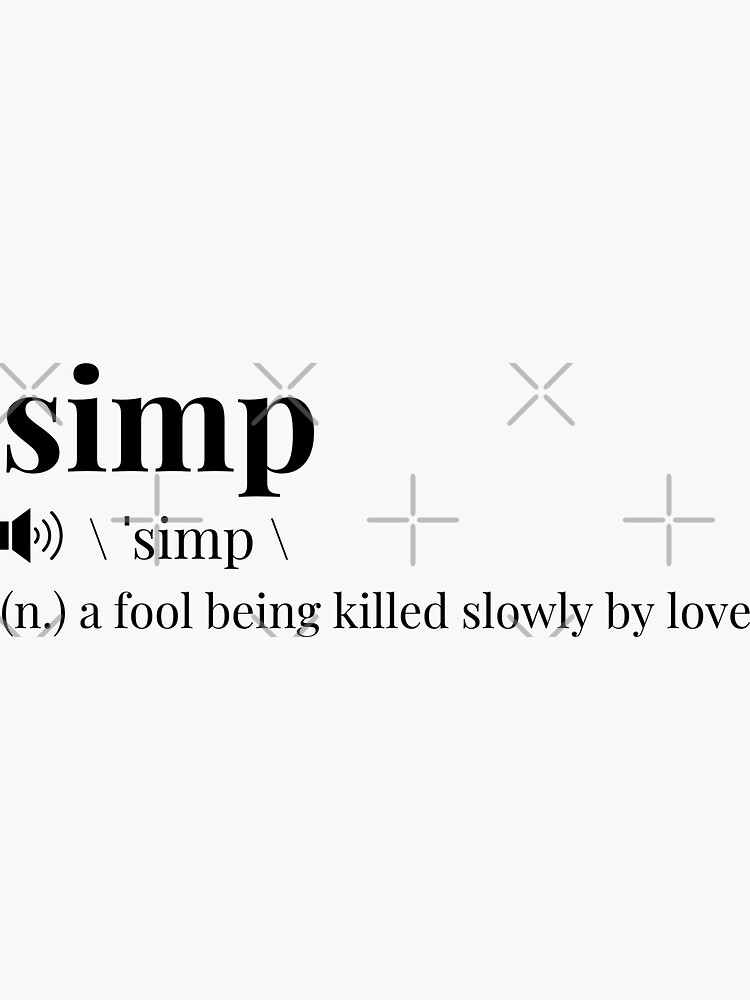
The word “simp” is not entirely new; it has roots in older slang, sometimes used as an abbreviation for “simpleton” or implying someone easily manipulated. However, its modern iteration gained significant traction in the late 2010s, particularly within online gaming communities, rap culture, and later, platforms like Twitch, TikTok, and YouTube. In these contexts, “simp” typically described a person (often male) who is excessively solicitous, submissive, or overly attentive to another person (often female), especially in pursuit of romantic or sexual attention, often without reciprocation. The implication is that the “simp” prioritizes the object of their affection to an irrational degree, often expending significant effort, money, or emotional energy in a bid to gain favor.
This initial definition carried a pejorative connotation, suggesting a lack of self-respect or an imbalance of power in a relationship dynamic. It became a way to criticize perceived subservience or attempts to curry favor through excessive flattery or material offerings.
The Digital Amplification: Social Media’s Role
Social media platforms, with their inherent ability to amplify trends and create viral content, played a crucial role in catapulting “simp” into widespread usage. Memes, short-form videos, and online discussions rapidly spread the term, leading to its adoption by a broader audience. This rapid dissemination also led to a broadening of its meaning. While its original, more critical definition largely persisted, “simp” began to be used more loosely, sometimes humorously, to describe anyone who exhibits excessive enthusiasm or loyalty towards a person, a brand, a product, or even an idea.
For example, someone might jokingly “simp” for a favorite coffee brand, a celebrity, or a video game. This expansion of meaning, while diluting its initial sharpness, has made it even more relevant to discussions about brand engagement. It highlights a spectrum of audience behavior, from genuine appreciation to an almost irrational devotion, driven by factors inherent to digital interaction and parasocial relationships. Understanding this evolution is key to discerning how such extreme forms of loyalty, whether perceived as genuine or derisive, impact a brand’s identity and strategy.
Simping as Extreme Brand Loyalty and Audience Engagement
In the context of branding, “simping” can be reinterpreted as an amplified, often over-the-top, form of brand loyalty and audience engagement. While the term itself carries negative connotations, the underlying behavior it describes—intense devotion and support—is something brands often actively seek to cultivate. The challenge lies in understanding the line between healthy, reciprocal engagement and excessive, potentially exploitative, “simping.”
Personal Brands and Influencer Devotion
Perhaps the most visible manifestation of “simping” in the branding sphere is in the context of personal brands and influencer culture. Content creators, streamers, and social media personalities often cultivate deeply dedicated fan bases. Some members of these audiences exhibit behaviors that align with the “simp” archetype:
- Excessive Financial Contributions: Donating large sums of money, subscribing to premium tiers, or purchasing merchandise frequently, often beyond their means, to support their favored creator.
- Unwavering Defense: Aggressively defending the creator against criticism, even when such criticism might be valid, often engaging in online arguments or “dogpiling” perceived detractors.
- Constant Affirmation and Praise: Flooding comment sections, live chats, and direct messages with effusive praise, compliments, and expressions of adoration.
- Prioritizing the Creator’s Needs: Going out of their way to fulfill requests, provide information, or even offer personal services, often with little to no expectation of direct personal reward.
This level of devotion, while flattering to the creator, also raises questions about authenticity, the nature of parasocial relationships, and the potential for manipulation, however unintentional.
The Dynamics of Fandom and Unconditional Support
Beyond individual influencers, “simping” can also be observed in broader fandoms surrounding corporate brands, entertainment franchises, and even political figures. Extreme fans might exhibit similar behaviors: pre-ordering every product, defending the brand against all odds, creating extensive fan art or content, and identifying deeply with the brand’s identity.
From a branding perspective, such unconditional support can be a powerful asset. It indicates high brand equity, strong emotional connection, and a built-in advocacy network. These “superfans” often become informal brand ambassadors, spreading positive word-of-mouth and contributing to brand visibility. However, the intensity of this support can also blind fans to legitimate issues, creating echo chambers and making it difficult for brands to receive constructive feedback.
Identifying the Line: Genuine Support vs. Excessive Solicitation
For brands, distinguishing between healthy, passionate advocacy and problematic “simping” is crucial. Genuine support stems from a perceived value exchange: the brand provides quality content, products, or experiences, and the audience reciprocates with loyalty and engagement. This relationship is built on mutual respect and authenticity.
“Simping,” in its more negative connotation, often implies an imbalance. It suggests a one-sided devotion where the “simp” seeks validation, attention, or an emotional connection that may not be reciprocated in a meaningful or healthy way. This can stem from feelings of loneliness, a desire for belonging, or an overidentification with the brand or creator. For brands, identifying this line is essential for ethical engagement. Exploiting such vulnerability can lead to backlash, damage brand reputation, and create an unsustainable, unhealthy community dynamic.
The Strategic Implications for Personal and Corporate Branding
Understanding the “simp” phenomenon offers valuable insights for brand strategists, guiding decisions on audience engagement, community building, and ethical marketing. How brands navigate this dynamic can significantly impact their long-term success and public perception.
Cultivating Authentic Connection vs. Exploiting Devotion
A core challenge for brands is to foster deep, authentic connections without inadvertently encouraging or exploiting excessive, potentially unhealthy, devotion. Authentic connection is built on transparency, shared values, and genuine interaction. Brands that listen to their audience, respond thoughtfully, and provide real value are more likely to build a loyal community based on mutual respect.
Conversely, brands that are perceived as merely tolerating or, worse, actively encouraging “simping” for personal gain risk alienating a broader audience and facing ethical scrutiny. This could involve promoting unrealistic aspirations, creating a false sense of intimacy, or subtly leveraging the emotional investment of their most dedicated followers without offering proportionate value or establishing healthy boundaries. The goal should be to inspire admiration and loyalty, not a one-sided, transactional devotion.

Brand Reputation and the “Simp” Association
The association with “simping” can have a dual impact on brand reputation. On one hand, a highly dedicated fanbase can be seen as a testament to a brand’s appeal and influence. It signifies a brand that resonates deeply with its audience, generating strong emotional ties and a vibrant community. This can enhance brand equity and attractiveness to new customers.
On the other hand, being perceived as a brand that attracts or condones “simps” in the pejorative sense can lead to negative associations. If a brand’s community is seen as overly obsessive, hostile to outsiders, or if the brand itself appears to encourage uncritical devotion, it can deter new audiences, invite criticism from media or other cultural commentators, and ultimately damage its professional image. Brands must be mindful of the optics of their fan interactions and actively work to cultivate an inclusive, respectful environment.
Leveraging Fandom for Community Building and Engagement
Despite the potential pitfalls, the energy and passion of highly engaged fans—even those whose behavior might verge on “simping”—can be powerfully leveraged for positive community building and engagement. Brands can channel this enthusiasm by:
- Empowering Co-Creation: Inviting fans to contribute ideas, content, or participate in brand initiatives, giving them a sense of ownership and belonging.
- Creating Exclusive Experiences: Offering unique access, behind-the-scenes content, or special events that reward loyalty without demanding excessive personal sacrifice.
- Fostering Peer-to-Peer Interaction: Designing platforms and initiatives that encourage fans to connect with each other, building a robust, self-sustaining community around shared interests.
- Recognizing and Rewarding Value: Acknowledging the contributions of loyal fans through shout-outs, features, or exclusive perks, demonstrating that their support is valued and reciprocated.
By focusing on genuine reciprocity and community empowerment, brands can transform intense individual devotion into a collective, positive force, steering clear of the exploitative connotations of “simping.”
Navigating the Ethical and Psychological Dimensions
The phenomenon of “simping” brings to the forefront critical ethical and psychological considerations that every brand and content creator must grapple with. These dimensions extend beyond marketing tactics, touching upon responsibility, vulnerability, and the long-term health of brand-audience relationships.
The Creator’s Responsibility: Managing Audience Dynamics
For personal brands and influencers, the responsibility of managing audience dynamics is paramount. While it’s impossible to control individual behavior, creators have a significant role in setting boundaries, modeling healthy interactions, and discouraging problematic conduct. This includes:
- Clear Communication: Establishing explicit guidelines for interaction and demonstrating what constitutes appropriate and inappropriate engagement.
- Setting Boundaries: Protecting personal space, time, and privacy, and not allowing audience demands to dictate personal well-being or creative direction.
- Promoting Healthy Self-Esteem: Encouraging followers to prioritize their own well-being and not to seek validation solely through external sources or one-sided devotion.
- Addressing Problematic Behavior: Moderating comments, blocking persistent offenders, and speaking out against harassment or excessive demands from fans.
- Transparency About Sponsorships: Ensuring that any brand deals or monetization strategies are clearly disclosed, maintaining trust with the audience.
Neglecting these responsibilities can lead to burnout for the creator, a toxic community environment, and a damaged brand reputation.
Consumer Vulnerability and Parasocial Relationships
“Simping” often thrives in the fertile ground of parasocial relationships—one-sided connections where an audience member feels intimately connected to a media personality despite never having met them. These relationships are a natural part of media consumption, but they can become problematic when individuals project unrealistic expectations or develop an unhealthy dependency.
- Emotional Investment: Audiences can invest significant emotional energy into their favorite brands or creators, sometimes mistaking perceived intimacy for genuine connection.
- Financial Exploitation: Vulnerable individuals might spend disproportionate amounts of money, driven by a desire for recognition or a misplaced sense of obligation.
- Identity Overlap: For some, identifying with a brand or creator can become so strong that it forms a significant part of their self-identity, making them highly susceptible to influence.
Brands and creators have an ethical obligation to be mindful of this vulnerability, particularly when their audience includes younger demographics or individuals who may be more susceptible to emotional manipulation. Responsible branding involves fostering empowering connections, not creating dependencies.
The Impact on Brand Perception and Authenticity
Ultimately, how a brand manages and responds to extreme forms of audience devotion directly impacts its perception of authenticity. Authenticity is a cornerstone of strong branding in the digital age, signifying genuine values, transparent communication, and integrity.
- Erosion of Trust: If a brand is seen as exploiting its “simps” or allowing a toxic community to flourish, it can rapidly erode trust among its broader audience and potential new customers.
- Perceived Opportunism: Brands that appear to leverage emotional vulnerability for financial gain risk being perceived as opportunistic and cynical, undermining any claims of genuine connection.
- Long-Term Sustainability: While extreme devotion might provide short-term gains, a brand built on unhealthy dynamics is rarely sustainable. It can lead to burnout, negative publicity, and a highly volatile audience.
Maintaining authenticity means prioritizing the well-being of the audience, fostering a genuinely reciprocal relationship, and adhering to ethical marketing practices, even when faced with the allure of extreme, uncritical devotion.
Beyond the Hype: Building Sustainable Brand-Audience Relationships
Moving past the sensationalism of “simping,” the fundamental challenge for brands is to cultivate sustainable, healthy relationships with their audience. This involves a strategic shift towards genuine value, reciprocity, and community building, rather than merely attracting and monetizing devotion.
Emphasizing Value and Reciprocity
The bedrock of any strong brand-audience relationship is the consistent provision of value. Whether it’s through innovative products, inspiring content, exceptional service, or meaningful experiences, brands must continuously deliver something that genuinely benefits their audience. Reciprocity means that while audiences give their attention, loyalty, and sometimes financial support, brands, in turn, offer more than just a product; they offer an experience, a community, a sense of belonging, or a solution to a real need. This two-way exchange ensures that the relationship feels balanced and mutually beneficial, rather than one-sided.
Fostering Community Over Dependency
Instead of fostering individual dependency on a brand or creator, the goal should be to cultivate a vibrant, self-sustaining community. A true community empowers its members, encourages peer-to-peer interaction, and provides a platform for shared interests and collective growth. Brands can facilitate this by:
- Creating Inclusive Spaces: Ensuring that digital spaces are welcoming and respectful to all, moderating against toxicity and exclusionary behavior.
- Encouraging Fan-Generated Content: Celebrating and amplifying the creativity of their audience, making them co-creators rather than passive consumers.
- Organizing Events and Initiatives: Bringing the community together, both online and offline, for shared experiences that reinforce belonging.
By shifting focus from an individual’s devotion to a collective sense of identity and purpose, brands can build a more resilient and positive fan base that transcends the dynamics of “simping.”
The Future of Digital Engagement Without “Simping”
The ongoing evolution of digital culture will continue to challenge and reshape brand-audience relationships. The “simp” phenomenon serves as a stark reminder of both the power of digital connection and its potential pitfalls. The future of sustainable digital engagement lies in brands and creators embracing a more enlightened approach:
- Prioritizing Ethical Design: Developing platforms and content strategies that prioritize user well-being, mitigate addictive behaviors, and foster positive interactions.
- Championing Transparency: Being upfront about commercial interests, data usage, and content motivations to build genuine trust.
- Empowering Audiences: Providing tools, knowledge, and opportunities that enable audiences to be active participants and critical thinkers, rather than passive recipients of influence.
Ultimately, understanding “what are simps” is a lesson in the complexities of human psychology within the digital realm. For brands, it’s an opportunity to reflect on their engagement strategies, reinforce their ethical foundations, and commit to building relationships that are not just profitable, but also positive, respectful, and genuinely enriching for everyone involved. By doing so, brands can move beyond fleeting trends and cultivate enduring loyalty that withstands the test of time and cultural shifts.
aViewFromTheCave is a participant in the Amazon Services LLC Associates Program, an affiliate advertising program designed to provide a means for sites to earn advertising fees by advertising and linking to Amazon.com. Amazon, the Amazon logo, AmazonSupply, and the AmazonSupply logo are trademarks of Amazon.com, Inc. or its affiliates. As an Amazon Associate we earn affiliate commissions from qualifying purchases.