
In the rapidly evolving landscape of online commerce, efficient and secure payment processing is not just a convenience—it’s the bedrock of a thriving business. For countless entrepreneurs leveraging the Shopify platform, the question “What are Shopify Payments?” often arises as they seek to optimize their financial operations. More than just a simple payment gateway, Shopify Payments is an integrated financial tool designed to simplify money management, reduce costs, and enhance the overall profitability for e-commerce merchants. By directly handling transactions, it transforms how businesses receive funds, manage their books, and ultimately, grow their online income.
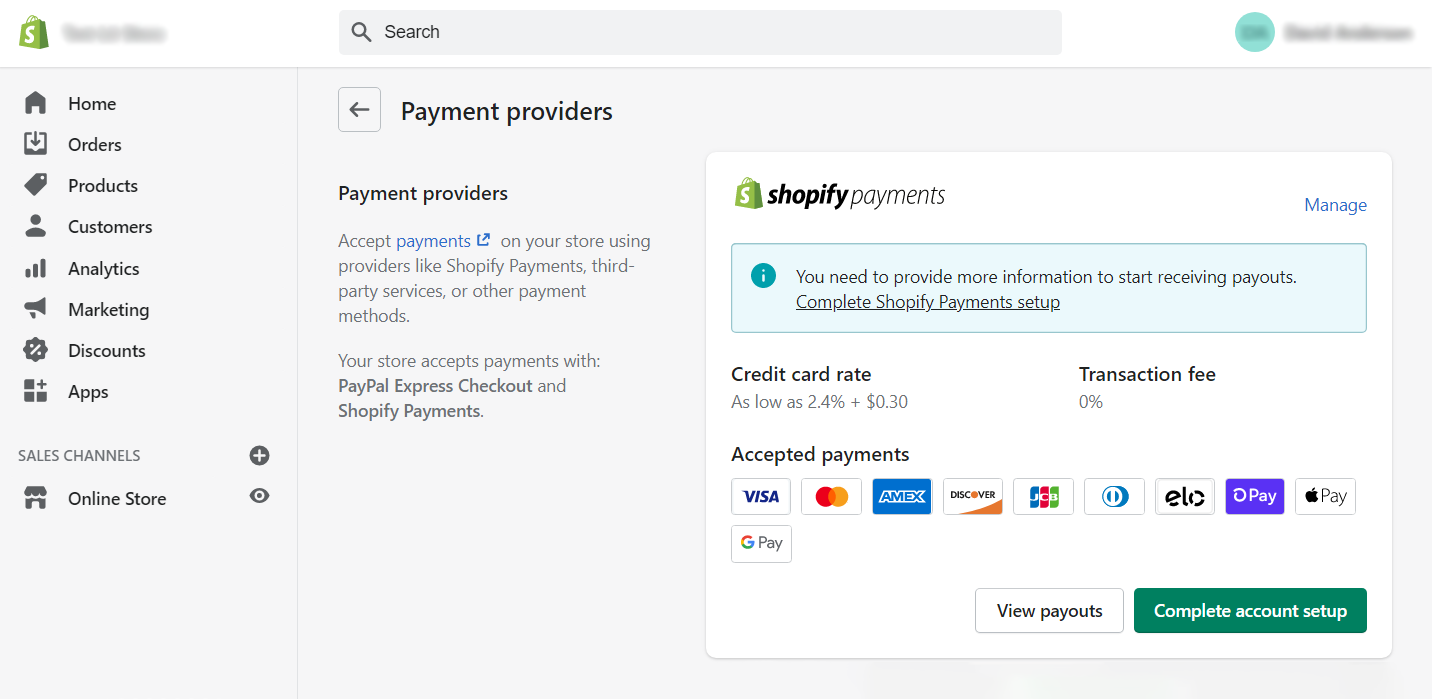
This comprehensive guide will delve into Shopify Payments from a purely financial perspective, exploring its mechanisms, advantages, fee structures, and strategic implications for modern businesses. We will dissect how this native solution impacts your revenue streams, cash flow, and overall financial health, positioning it as a critical component of your business finance strategy rather than just a technical feature.
The Foundation of E-commerce Transactions: Understanding Shopify Payments
At its core, Shopify Payments is Shopify’s proprietary payment processing service, specifically designed for its platform users. Unlike traditional models where merchants might integrate a third-party payment gateway (like PayPal or Stripe) and then connect it to a separate merchant account, Shopify Payments unifies these functions. It acts as both the payment gateway, authorizing transactions, and the payment processor, moving funds from the customer’s bank to the merchant’s bank account. This seamless integration is not merely a convenience; it’s a strategic financial advantage, streamlining operations and providing a singular point of control for all transaction-related data.
Beyond the Basics: What Payment Processing Truly Means for Your Business
For any business engaged in online sales, payment processing is the critical conduit through which revenue flows. It encompasses the entire lifecycle of a transaction, from the moment a customer clicks “buy” to the point the funds settle in the merchant’s account. This includes authorization (checking for funds and validity), capture (reserving the funds), and settlement (transferring the funds). Understanding this pipeline is crucial for managing your financial inflows effectively.
Shopify Payments simplifies this complex process. By cutting out intermediary steps often associated with third-party providers, it aims to reduce the friction and potential for errors in the financial transaction chain. For merchants, this means fewer administrative headaches, clearer financial reporting, and ultimately, a more reliable and efficient mechanism for collecting online income. The “what” of Shopify Payments is intimately tied to the “how” of your revenue realization.
Seamless Integration: Why Shopify Payments is More Than Just a Gateway
The true financial power of Shopify Payments lies in its deep integration with the Shopify platform. This isn’t just about technical compatibility; it’s about a unified financial ecosystem. When you use Shopify Payments, all your sales data, transaction fees, payouts, and financial reports are consolidated directly within your Shopify admin. This level of integration offers unparalleled clarity into your business’s financial performance.
Consider the benefits for business finance:
- Unified Reporting: All sales and transaction data are in one place, simplifying reconciliation and financial analysis. This reduces the time and effort spent on bookkeeping, allowing merchants to focus on growth.
- Simplified Onboarding: Setting up payment processing is integrated into your Shopify store setup, eliminating the need for separate applications and approvals with external financial institutions. This reduces the barrier to entry for new businesses and accelerates their ability to generate online income.
- Enhanced User Experience: For customers, the checkout experience is smoother and more consistent, which can lead to higher conversion rates—a direct boost to your sales revenue.
This intrinsic link between the e-commerce platform and its payment processor fundamentally redefines how merchants manage their financial tools, offering a holistic view that standalone solutions often struggle to provide.
Unpacking the Financial Advantages for Shopify Merchants
Choosing Shopify Payments extends beyond mere functionality; it presents a suite of tangible financial benefits designed to optimize operational costs, enhance cash flow, and simplify financial management for e-commerce businesses of all sizes. These advantages directly impact a merchant’s bottom line, making it a critical consideration for those focused on maximizing profitability.
Streamlined Operations and Unified Reporting
One of the most significant financial advantages is the operational efficiency gained through consolidation. With Shopify Payments, there’s no need to juggle multiple dashboards or reconcile data from disparate systems. Every sale, every refund, every payout, and every transaction fee is recorded and accessible within your Shopify admin panel.
- Simplified Bookkeeping: For small businesses and startups, this significantly reduces the complexity of financial record-keeping. Automatic synchronization of payment data with sales orders minimizes manual data entry errors and saves valuable time that can be redirected to strategic initiatives.
- Accurate Financial Analysis: Having all financial data in one place allows for more accurate and timely financial analysis. Merchants can easily track gross sales, net revenue after fees, and identify trends in customer spending without complicated data exports and merges. This robust reporting is invaluable for budgeting, forecasting, and making informed financial decisions.
- Reduced Administrative Overhead: Less time spent on administrative tasks means lower operational costs, as resources (whether time or personnel) are freed up. This directly contributes to a healthier profit margin.
Competitive Pricing and Transparent Fee Structures
The financial viability of any payment solution hinges on its fee structure. Shopify Payments is known for its competitive and transparent pricing model, which is a major draw for cost-conscious merchants.
- No Monthly Fees or Hidden Costs: Unlike some traditional merchant accounts or payment gateways that charge monthly fees, setup fees, or cancellation fees, Shopify Payments typically operates on a simple, pay-as-you-go transaction fee model. This transparency allows businesses to clearly understand and budget for their processing costs.
- Lower Transaction Fees (for Shopify users): A key financial incentive is that when you use Shopify Payments, Shopify waives the additional transaction fees it charges for using third-party payment gateways. This can lead to substantial savings, especially for high-volume sellers. The specific credit card processing rates vary by Shopify plan (Basic, Shopify, Advanced), with higher-tier plans offering progressively lower rates. This tiered pricing encourages merchants to scale their business within the Shopify ecosystem, further reducing their cost of goods sold (COGS) in terms of payment processing.
- Predictable Expenses: The clear per-transaction fee model makes payment processing costs predictable and scalable with your sales volume. This simplifies financial planning and budget management, ensuring that merchants can accurately project their expenses relative to their online income.
Enhanced Payout Speed and Cash Flow Management
Cash flow is the lifeblood of any business, and the speed at which funds are settled can significantly impact a merchant’s ability to reinvest, pay suppliers, or manage operational expenses.
- Faster Payouts: Shopify Payments generally offers faster payout times compared to many third-party processors. Payout schedules can vary by country and region, but often, funds are deposited into your bank account within a few business days of the transaction. For many businesses, this quicker access to earned revenue is a critical advantage.
- Improved Liquidity: Rapid payouts enhance a business’s liquidity, allowing for quicker reinvestment in inventory, marketing campaigns, or other growth initiatives. This agile financial management can be a strong competitive differentiator.
- Simplified Reconciliation of Payouts: Each payout includes a detailed report of the transactions it covers, making it easy to reconcile with your sales records and bank statements. This clarity minimizes discrepancies and simplifies financial auditing, ensuring that your books accurately reflect your online income.
These financial advantages collectively position Shopify Payments as an indispensable tool for merchants looking to streamline their business finance, optimize costs, and maintain healthy cash flow within the dynamic world of e-commerce.
Navigating the Nuances: Features, Fees, and Fraud Protection
While the benefits of Shopify Payments are substantial, a thorough understanding of its operational nuances, including its fee structure, fraud protection mechanisms, and supported payment methods, is essential for strategic financial planning. These details directly impact your net revenue and the security of your online income.
Transaction Fees: A Deeper Dive into the Cost Structure
As highlighted, Shopify Payments operates on a transaction-fee-only model, with rates varying based on your Shopify subscription plan and whether the transaction is online or in-person. Understanding these fees is paramount for accurate financial forecasting and profitability analysis.
- Online Transaction Fees: These are typically a percentage plus a fixed amount per transaction (e.g., 2.9% + $0.30 for Basic Shopify, decreasing to 2.4% + $0.30 for Advanced Shopify). Crucially, these fees apply only when you use Shopify Payments. If you opt for a third-party gateway without Shopify Payments activated, Shopify will levy an additional transaction fee (e.g., 2.0% for Basic Shopify), making Shopify Payments the financially prudent choice for most merchants.
- In-Person Transaction Fees: For businesses utilizing Shopify POS for physical sales, the rates are generally lower (e.g., 2.7% for Basic Shopify, down to 2.4% for Advanced Shopify) as the risk profile is different.
- Currency Conversion Fees: When selling internationally and needing to convert currencies, Shopify Payments applies a currency conversion fee (typically 2%). This is an important consideration for global merchants to factor into their pricing strategy and financial projections.
- Chargeback Fees: Should a customer dispute a charge, Shopify Payments will levy a chargeback fee (e.g., $15 in the US) to cover the administrative costs. While the fee is usually reimbursed if you win the dispute, it’s a financial risk that merchants must be aware of.
These fees are automatically deducted from each transaction, simplifying accounting but requiring merchants to focus on their net profit per sale rather than just the gross revenue.
Chargeback Management and Seller Protection
Chargebacks are a significant financial risk in e-commerce, directly impacting a merchant’s revenue and potentially leading to penalties from credit card networks. Shopify Payments provides tools and features to help merchants mitigate this risk.
- Fraud Analysis: Integrated fraud analysis tools automatically flag potentially fraudulent transactions based on various indicators. While not foolproof, this helps merchants make informed decisions about fulfilling orders, thereby reducing the financial loss from chargebacks and stolen goods.
- Chargeback Assistance: In the event of a chargeback, Shopify Payments provides guidance and assists merchants in submitting compelling evidence to the customer’s bank. Winning a chargeback dispute means retaining your revenue and avoiding the chargeback fee, directly protecting your online income.
- PCI DSS Compliance: Shopify Payments is fully PCI DSS compliant, meaning it adheres to the highest industry standards for protecting cardholder data. This robust security infrastructure minimizes the risk of data breaches, which can be financially devastating for a business due to fines, legal fees, and reputational damage.
Effective management of chargebacks and leveraging fraud protection tools are critical components of a sound business finance strategy in e-commerce.
Supported Currencies, Payment Methods, and International Selling
For businesses with global aspirations, Shopify Payments offers extensive support for various currencies and popular payment methods, which is crucial for expanding market reach and increasing international online income.
- Multi-Currency Selling: Shopify Payments allows merchants to sell in multiple currencies, automatically converting prices at checkout. This not only improves the customer experience but also opens up new revenue streams from international buyers.
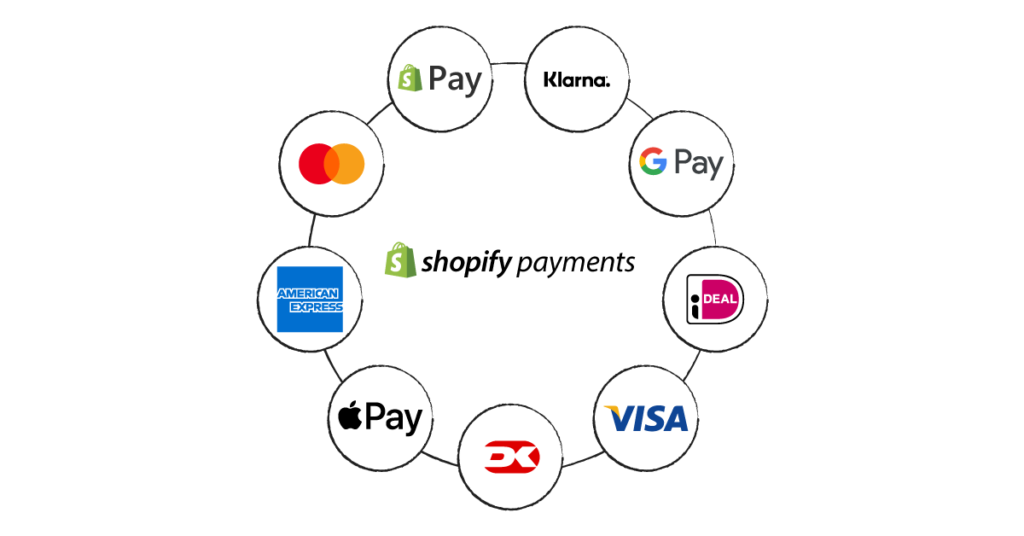
- Diverse Payment Options: Beyond standard credit and debit cards (Visa, Mastercard, Amex, Discover), Shopify Payments integrates with popular alternative payment methods like Shop Pay, Apple Pay, Google Pay, and often local payment options (e.g., Bancontact, iDEAL, SOFORT) depending on the region. Offering a variety of payment methods can significantly boost conversion rates and cater to a broader customer base, directly contributing to higher sales volume and revenue.
- Geographic Availability: Shopify Payments is available in a growing number of countries, although specific features and payment methods may vary by region. Merchants planning international expansion must verify eligibility and available functionalities to ensure seamless financial operations across borders.
By strategically utilizing these features, merchants can optimize their financial flow, enhance security, and expand their market footprint, ensuring that their payment processing strategy aligns perfectly with their business growth objectives.
Strategic Considerations for Optimizing Your Financial Flow with Shopify Payments
Leveraging Shopify Payments effectively goes beyond simply activating the service; it involves making strategic decisions that can significantly impact your financial health, profitability, and scalability. Thinking of Shopify Payments as a core financial tool within your business arsenal allows for optimized management of your income and expenses.
Maximizing Profitability: Choosing the Right Shopify Plan
The interaction between your Shopify subscription plan and Shopify Payments’ transaction fees is a critical financial lever. As previously noted, higher-tier Shopify plans come with lower processing rates.
- Cost-Benefit Analysis: Businesses should regularly perform a cost-benefit analysis. As your sales volume grows, the savings on transaction fees from upgrading to a higher Shopify plan can quickly outweigh the increased monthly subscription cost. For example, a business processing $20,000 in monthly sales might save enough on payment processing fees by upgrading from Basic to Shopify to justify the higher plan cost, thereby increasing its net profit.
- Predicting Break-Even Points: Understand the sales volume at which upgrading to a more expensive Shopify plan becomes financially advantageous due to the reduced payment processing rates. This involves projecting your online income and calculating the exact point where fee savings surpass the plan’s incremental cost.
- Scalability Planning: Integrate your payment processing costs into your long-term scalability planning. As you project growth, account for the potential savings from reduced transaction fees, which can free up capital for reinvestment in inventory, marketing, or expansion.
This strategic alignment ensures that your platform costs and payment processing costs are optimized to support maximum profitability as your business scales.
Integrating with Financial Software and Accounting Practices
Even with the unified reporting of Shopify Payments, integrating with dedicated financial software is crucial for comprehensive business finance management, tax compliance, and deeper insights.
- Automated Syncing: Many accounting software solutions (e.g., QuickBooks, Xero) offer direct integrations or third-party apps to automatically sync Shopify sales data, including Shopify Payments transactions, fees, and payouts. This automation dramatically reduces manual data entry, minimizes errors, and ensures your financial records are always up-to-date.
- Simplified Reconciliation: Automated integration simplifies bank reconciliation, matching payouts from Shopify Payments to deposits in your bank account, and automatically categorizing transaction fees as expenses. This efficiency is invaluable during tax season and for regular financial health checks.
- Enhanced Reporting: While Shopify provides robust sales reports, integrating with accounting software allows for more sophisticated financial reporting, including profit and loss statements, balance sheets, and cash flow statements, offering a holistic view of your business’s financial performance beyond just sales. This enables better decision-making regarding inventory, pricing, and operational expenses.
Proper integration ensures that your online income generated through Shopify Payments is accurately reflected in your overall business financial picture, providing the data needed for strategic decision-making.
Scalability and Future-Proofing Your Payment Infrastructure
As your business grows, your payment infrastructure must be able to scale with it. Shopify Payments is inherently designed to support this growth.
- Handling Increased Volume: The infrastructure behind Shopify Payments is built to handle significant transaction volumes without performance degradation, ensuring that payment processing remains smooth even during peak sales periods. This reliability directly impacts customer satisfaction and your ability to capture maximum revenue.
- Adapting to New Technologies: Shopify continually updates its Payments service to include new payment methods and comply with evolving security standards. This means your payment infrastructure remains modern and secure without continuous manual updates, protecting your business from financial risks associated with outdated systems.
- Global Expansion Readiness: For businesses with international ambitions, Shopify Payments facilitates global sales through multi-currency support and localized payment options. Planning for this expansion from a payment perspective early on means fewer hurdles when you’re ready to tap into new markets and significantly expand your online income potential.
By strategically leveraging Shopify Payments, merchants can build a robust, efficient, and scalable financial foundation that supports both current operations and future growth objectives, ensuring that payment processing acts as a facilitator, not a bottleneck, to success.
Potential Drawbacks and Alternative Financial Tools
While Shopify Payments offers significant advantages, a comprehensive financial assessment requires acknowledging potential limitations and understanding when alternative financial tools might be necessary. A balanced perspective ensures that merchants make informed decisions that best suit their unique business models and financial objectives.
Geographic Restrictions and Eligibility Requirements
One of the primary limitations of Shopify Payments is its geographic availability. While expanding, it is not universally available in every country. This means that merchants operating in regions not yet supported will need to rely on third-party payment gateways.
- Market Access Limitations: For entrepreneurs in unsupported countries, this immediately necessitates integrating an external payment processor, which might reintroduce the additional transaction fees from Shopify and diminish the benefits of integrated reporting.
- Business Type Restrictions: Like most financial service providers, Shopify Payments also has eligibility requirements regarding the type of products or services that can be sold. Certain high-risk industries or regulated goods may not be supported, forcing businesses in these niches to seek specialized payment solutions. Understanding these restrictions upfront is crucial for avoiding disruptions to your online income.
- Currency and Payout Constraints: Even within supported countries, the specific currencies available for processing and the frequency of payouts can vary. International merchants need to verify these details carefully, as they directly impact cash flow management and the ability to serve a global customer base effectively.
These restrictions mean that Shopify Payments, while powerful, is not a one-size-fits-all solution, and some businesses will inherently need to explore other financial tools.
The Ecosystem Lock-in: When Alternatives Might Be Necessary
While deep integration is a major strength, it also creates a degree of ecosystem lock-in. For some merchants, this might present a perceived drawback.
- Control over Funds: Funds processed through Shopify Payments are managed within Shopify’s system until they are paid out to your bank. While secure, some businesses may prefer direct relationships with a separate merchant account provider for perceived greater control over their funds or access to specific banking features.
- Diversification of Risk: Relying solely on one payment processor means that any service disruption or account issue with that processor directly impacts your entire revenue stream. Some businesses, particularly large enterprises, might prefer to diversify their payment processing relationships across multiple providers to mitigate this risk.
- Specific Niche Requirements: Certain industries or business models might have highly specialized payment processing needs that Shopify Payments does not fully cater to, such as complex subscription billing models or unique fraud detection requirements. In these cases, a third-party solution designed for these specific needs might be financially more advantageous despite the additional Shopify transaction fees.
Considering these factors helps merchants assess whether the convenience and cost savings of Shopify Payments outweigh the desire for greater independence or specialized functionalities.

Comparing Shopify Payments to Third-Party Processors (Briefly, emphasizing financial impact)
For merchants where Shopify Payments isn’t an option or doesn’t fully meet their needs, various third-party payment processors exist (e.g., PayPal, Stripe, Authorize.Net, Square). The financial implications of choosing an alternative are significant:
- Additional Shopify Transaction Fees: The most immediate financial impact is the imposition of an additional transaction fee by Shopify (e.g., 2.0% for Basic Shopify) if you use a third-party gateway without Shopify Payments enabled. This fee is on top of the fees charged by the third-party processor, directly increasing your cost of doing business and reducing your net revenue.
- Varying Fee Structures: Third-party processors have their own fee structures, which can be competitive or even lower than Shopify Payments in some specific scenarios (e.g., very high volume discounts, specific industry rates). However, the combined cost (third-party fee + Shopify’s additional fee) often makes Shopify Payments more economical.
- Complexity in Financial Reporting: Using an external processor means data is fragmented. Reconciling sales, fees, and payouts across different platforms adds complexity to bookkeeping, increases administrative time, and introduces potential for errors, all of which have an indirect financial cost.
- Payment Method Access: While many third-party processors offer broad payment method support, ensuring seamless integration with your Shopify store and providing a consistent checkout experience can sometimes be more challenging than with the native Shopify Payments solution.
Ultimately, the decision between Shopify Payments and alternative financial tools boils down to a detailed financial analysis of costs, benefits, and operational needs. For the vast majority of Shopify merchants, especially those focused on optimizing their business finance and streamlining online income generation, Shopify Payments stands as a powerful and highly advantageous integrated solution.
aViewFromTheCave is a participant in the Amazon Services LLC Associates Program, an affiliate advertising program designed to provide a means for sites to earn advertising fees by advertising and linking to Amazon.com. Amazon, the Amazon logo, AmazonSupply, and the AmazonSupply logo are trademarks of Amazon.com, Inc. or its affiliates. As an Amazon Associate we earn affiliate commissions from qualifying purchases.