
Part-time employment serves a crucial role in today’s dynamic labor market, offering flexibility for both employers and employees. Yet, a common question arises for many seeking or offering these roles: “What are minimum hours for part-time?” The answer, as it turns out, is far more nuanced than a single number, deeply intertwined with legal definitions, financial considerations, and strategic workforce planning. Understanding these intricacies is vital for individuals budgeting their lives and for businesses managing their financial health and compliance. This article delves into the financial and regulatory landscape surrounding part-time work, providing clarity for all stakeholders.
Defining Part-Time Employment: A Regulatory and Practical Overview
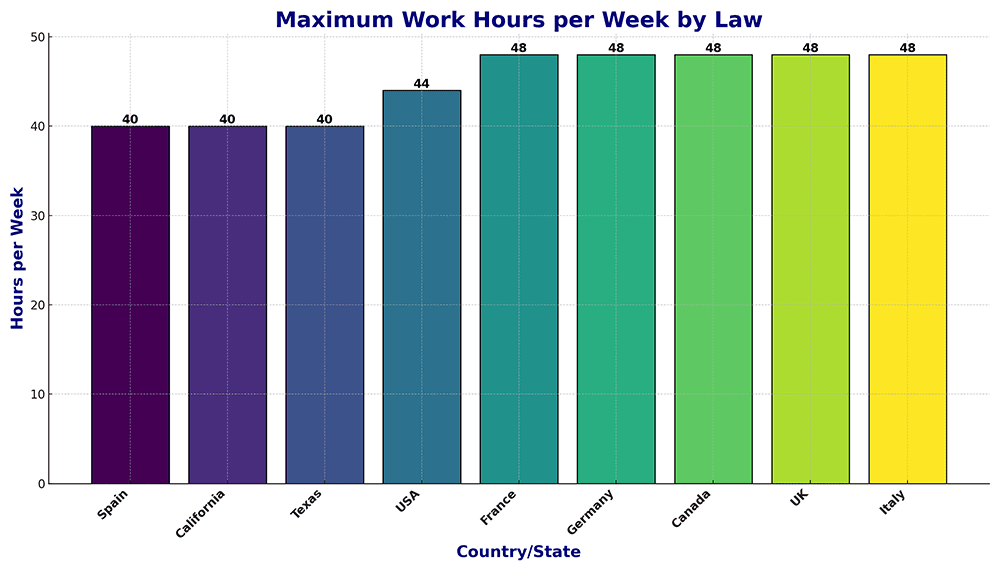
The concept of “part-time” might seem straightforward, but its definition can vary significantly depending on the context – from federal labor laws to state regulations, and even individual company policies. These varying definitions directly impact financial matters like eligibility for benefits, overtime pay, and an employer’s overall labor costs.
No Universal Standard: Why Definitions Vary
One of the primary challenges in pinpointing “minimum hours for part-time” is the absence of a single, universally accepted legal definition. While most people instinctively understand part-time work to mean fewer hours than a standard full-time week, the precise threshold often depends on where you live and work, and the specific regulations that apply.
- Legal vs. Company Definitions: Federally, in the United States, there is no set number of hours that legally defines full-time or part-time employment for all purposes. The Fair Labor Standards Act (FLSA) primarily focuses on minimum wage, overtime pay, and record-keeping, without explicitly defining part-time status. This absence allows individual employers considerable discretion. Many companies define full-time as 35, 37.5, or 40 hours per week and categorize anything less as part-time. These internal definitions are crucial for their own benefit structures, such as eligibility for health insurance or paid time off, which are significant financial considerations.
- Impact of State/Provincial and Federal Laws: While the FLSA doesn’t define part-time, other federal laws or state-specific regulations might establish thresholds for certain benefits or protections. For instance, the Affordable Care Act (ACA) introduced a critical threshold: for employer-shared responsibility provisions, full-time employees are generally those working 30 or more hours per week on average, or 130 hours per month. Employers with 50 or more full-time equivalent employees must offer affordable health coverage to their full-time staff. This indirectly creates a “part-time” definition below 30 hours for many employers looking to manage healthcare costs. Similarly, some states may have specific labor laws that offer different protections or benefits based on the number of hours worked, impacting financial planning for both parties. In countries like Canada, provinces often set their own employment standards, including rules around minimum hours, breaks, and eligibility for certain leave types.
The “Minimum” Conundrum: Is There a Floor?
Given the variable definitions, the idea of a “minimum” hour requirement for part-time work is often misunderstood. It’s not about a universal floor that must be met for a role to be considered part-time, but rather the practical implications of working too few hours.
- Typical Ranges: Practically speaking, part-time roles typically involve fewer than 30-35 hours per week. While there’s no federal minimum hour requirement for a job to be called part-time, employers rarely hire someone for, say, one hour a week on an ongoing basis as a dedicated part-time position. There are always administrative costs associated with any employee, regardless of hours, making extremely low-hour roles less financially viable unless they are highly specialized, project-based, or fall into the gig economy.
- Absence of a Federally Mandated Minimum for Part-Time Status Itself: It’s important to differentiate. While there is a federal minimum wage that applies to nearly all employees (including part-timers), there isn’t a federal law stating that a part-time employee must work a minimum number of hours per week. An employer could, theoretically, hire someone for 10 hours a week and designate them part-time. The “minimum” often comes from the employer’s operational needs and their benefit cost management strategies, rather than a strict legal mandate for part-time status. This flexibility allows businesses to manage their workforce costs effectively, aligning staffing levels precisely with demand.
The Financial Landscape for Part-Time Workers
For individuals, choosing or being in part-time employment has distinct financial implications that require careful planning and understanding. It’s not just about the hourly wage, but also the broader financial ecosystem including benefits, budgeting, and long-term financial security.
Compensation and Benefits: Beyond the Hourly Wage
While part-time workers are entitled to minimum wage, their overall financial compensation package often differs significantly from their full-time counterparts, primarily due to benefits eligibility.
- Minimum Wage Laws for All Workers: Crucially, any part-time employee covered by the FLSA must be paid at least the federal minimum wage, and often a higher state or local minimum wage if applicable. This ensures a basic income floor regardless of hours worked. Overtime rules also apply to non-exempt part-time workers once they exceed 40 hours in a workweek, though this is less common for roles specifically designated as part-time.
- Eligibility for Benefits: The Financial Divide: This is where the “minimum hours” often become most impactful. Access to critical benefits like health insurance, paid time off (PTO), retirement plans (e.g., 401(k) with employer match), and even life insurance is frequently tied to a minimum number of hours worked per week or month. As mentioned, the ACA’s 30-hour threshold is a major factor for health insurance. Many employers set their own thresholds for other benefits, often at 20 or 25 hours per week. For a part-time employee, the lack of these benefits represents a significant hidden cost. They might need to purchase health insurance on the open market, contribute entirely to their retirement savings without an employer match, and forgo paid sick days or vacation time, all of which directly impact their personal finance.
Budgeting and Financial Planning on a Part-Time Income
Managing finances on a part-time income requires diligence, especially if hours are variable or benefits are absent.
- Strategies for Managing Variable Income: If part-time hours fluctuate, creating a budget that accounts for the lowest expected income is prudent. Tools like zero-based budgeting or the 50/30/20 rule can be adapted. It’s also wise to build a larger emergency fund to buffer against weeks with fewer hours or unexpected expenses. Tracking income and expenses meticulously becomes even more critical to identify trends and adjust spending.
- Maximizing Benefits (If Available): For part-time roles that do offer pro-rated or full benefits, understanding and utilizing them is key. This includes contributing to retirement plans, taking advantage of wellness programs, and using any available PTO effectively. Even small benefits, like employee assistance programs, can offer financial advice or resources that aid personal financial health.
- Importance of Emergency Funds and Debt Management: Without a steady, robust income or comprehensive benefits, part-time workers often face higher financial vulnerability. Prioritizing an emergency fund (3-6 months of living expenses) is paramount. Aggressively paying down high-interest debt can free up cash flow and reduce financial stress, creating a stronger financial foundation despite potentially lower or less predictable income.
Employer Perspectives: Strategic Staffing and Compliance
From a business standpoint, the decision to hire part-time staff, and the hours they work, is a strategic one with significant financial implications for labor costs, productivity, and regulatory compliance.
Cost-Benefit Analysis of Part-Time Roles
Employers weigh various factors when considering part-time staffing, aiming for an optimal balance between operational needs and financial efficiency.
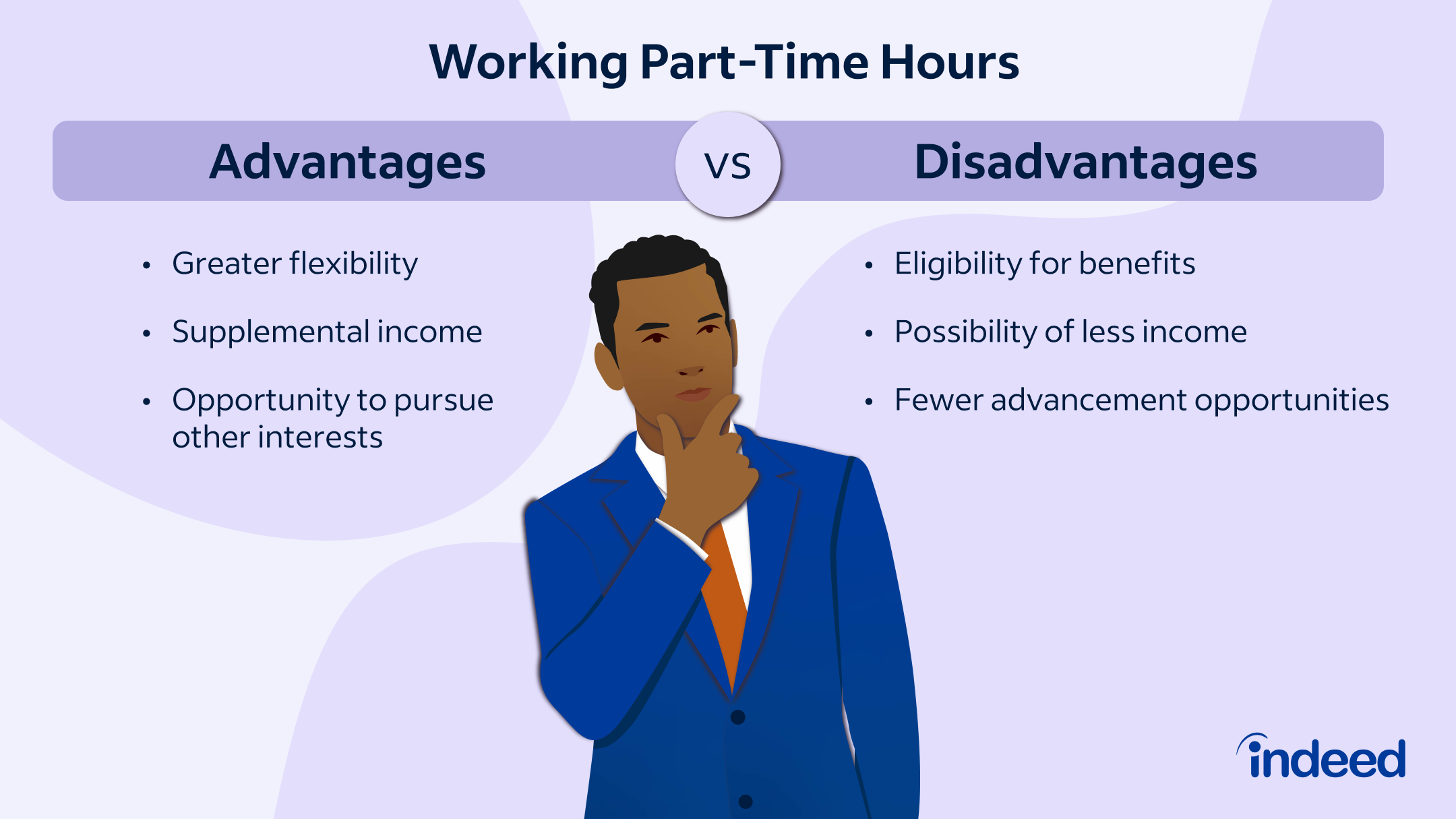
- Flexibility and Reduced Benefit Costs: One of the most attractive financial benefits of part-time employment for businesses is the inherent flexibility. It allows companies to scale their workforce up or down based on demand fluctuations, seasonal needs, or specific project requirements without the commitment of full-time hires. Critically, part-time roles often come with reduced or no benefit costs (health insurance, retirement contributions, etc.), which can be a substantial saving given that benefits can add 30-40% or more to an employee’s base salary.
- Managing Peak Periods and Specialized Tasks: Part-time staff are invaluable for covering peak business hours (e.g., retail during holidays, restaurants during dinner rushes) or for bringing in specialized skills for short-term projects without the overhead of a permanent full-time position. This optimizes labor spend by aligning staffing with actual workload.
- Potential Drawbacks: While cost-effective, over-reliance on part-time staff can have its downsides. Higher turnover rates are common among part-time workers, leading to increased recruitment and training costs. Employee engagement and loyalty might also be lower if part-time staff feel less integrated or valued, potentially impacting productivity and customer service. Managing scheduling for a large part-time workforce can also be an administrative burden.
Navigating Legal and Payroll Obligations
Employers must meticulously manage part-time staff to ensure compliance with a myriad of labor laws, which directly impact payroll and potential financial penalties.
- Compliance with Minimum Wage, Overtime, and Labor Laws: Employers must ensure all part-time employees are paid at least the applicable minimum wage. Furthermore, if a non-exempt part-time employee works more than 40 hours in a week, they are entitled to overtime pay at 1.5 times their regular rate, a crucial financial consideration. Companies must also adhere to state-specific laws regarding meal and rest breaks, paid sick leave, and other employee protections that apply regardless of part-time status.
- Tracking Hours Accurately for Part-Time Staff: Accurate record-keeping of hours worked is not just good practice; it’s a legal requirement under the FLSA. This is especially important for part-time employees, as it determines wage calculations, overtime eligibility, and benefits thresholds (e.g., ACA compliance). Payroll systems must be robust enough to handle varying schedules and accurately calculate compensation, minimizing audit risks and potential lawsuits.
- Understanding Different Worker Classifications (Employee vs. Contractor): The financial and legal implications differ vastly between hiring an employee (even part-time) and engaging an independent contractor. Employers must be careful not to misclassify part-time workers as contractors to avoid benefits or payroll taxes, as this can lead to severe financial penalties and back taxes. The IRS and various state agencies have strict tests to determine the correct classification, focusing on control over the work, financial independence, and the relationship between the parties.
The Gig Economy and Non-Traditional Part-Time Work
The rise of the gig economy has dramatically reshaped the concept of part-time work, introducing new models where “minimum hours” are often self-determined, creating unique financial landscapes for individuals.
Freelancing and Contract Work: Self-Set Hours
For many in the gig economy, traditional “minimum hours” simply don’t exist. Work is project-based or task-based, offering unprecedented flexibility but also shifting financial responsibilities.
- No “Minimum” Hours; Project-Based or Task-Based: Freelancers, independent contractors, and gig workers (e.g., ride-share drivers, delivery personnel, online tutors) operate without a set number of hours dictated by an employer. Their income is directly tied to the projects they complete or the tasks they perform. This autonomy is a major draw but requires proactive financial management.
- Financial Implications: Self-Employment Taxes, No Benefits, Income Variability: The financial implications are significant. Gig workers are typically responsible for self-employment taxes (Social Security and Medicare), which is both the employer and employee portions, meaning a higher tax burden than a traditional employee. They must also source and pay for their own health insurance, retirement plans, and other benefits. Income variability is a constant challenge, demanding meticulous budgeting, diligent saving, and often a higher pricing strategy to cover these additional costs and unpredictable earnings. Business expenses (e.g., vehicle maintenance for drivers, software for designers) also directly impact their net income.
Side Hustles and Supplemental Income
Beyond dedicated freelancing, many individuals engage in side hustles to supplement their primary income, often fitting perfectly into the “no minimum hours” model.
- Often Truly Flexible, No Set Minimum: Side hustles, whether it’s selling crafts online, pet-sitting, or tutoring, are characterized by their flexibility. Individuals can dedicate as much or as little time as they wish, making them ideal for generating supplemental income without the rigid structure of traditional employment. There are no “minimum hours” imposed; the hours worked are directly linked to the desired financial outcome.
- Integration with Personal Finance Goals: Side hustles are powerful tools for achieving specific personal finance goals. They can accelerate debt payoff (e.g., student loans, credit card debt), boost emergency savings, fund large purchases (e.g., a down payment on a home), or simply provide extra discretionary income. The absence of minimum hours means individuals can scale their efforts up or down based on their immediate financial needs and available time, making them a highly adaptive component of a robust personal financial strategy.
Strategic Considerations for Individuals Seeking Part-Time Roles
For those actively seeking or considering part-time employment, a strategic approach focused on financial goals and understanding one’s rights is paramount.
Aligning Hours with Financial Goals
Choosing the right part-time role involves more than just the hourly wage; it’s about how the work integrates with broader life and financial objectives.
- Supplementing Income, Work-Life Balance, Career Transition: Part-time work can be a stepping stone. It might be ideal for supplementing income during retirement, balancing work with family responsibilities or education, or allowing for a gradual transition into a new career path while maintaining some income stability. The number of hours sought should align with these specific goals – whether it’s just enough to cover a certain bill or enough to build a new skill set.
- Negotiating Hours and Compensation: Understanding that “minimum hours” can be flexible for some roles empowers job seekers. Don’t hesitate to negotiate not just the hourly rate, but also the number of hours and potential for growth or benefits. Highlighting how your specific skills can add value even in a limited capacity can strengthen your position. For roles where benefits are tied to hours, negotiating that extra hour or two per week might be financially beneficial in the long run.
Understanding Rights and Protections
Being informed about labor laws and employee rights is crucial for all workers, including part-timers, to ensure fair financial treatment.
- Knowing Applicable Labor Laws: Familiarize yourself with federal, state, and local labor laws regarding minimum wage, overtime, sick leave, and anti-discrimination. These laws apply to part-time workers just as they do to full-time workers, ensuring a basic level of financial protection and fair treatment. Resources from government labor departments are invaluable.
- Advocating for Fair Treatment and Compensation: If you believe your rights as a part-time employee are being violated, or if you are not being compensated fairly, know your options for recourse. This could involve speaking with HR, documenting issues, or consulting with labor authorities. Understanding what constitutes fair compensation and conditions empowers you to advocate for yourself and secure your financial well-being in your part-time role.
In conclusion, the question of “what are minimum hours for part-time” has no single, simple answer. It’s a complex interplay of legal definitions, employer strategies, and individual financial needs. For employees, it dictates benefits eligibility and budgeting approaches. For employers, it influences staffing flexibility and compliance costs. As the world of work continues to evolve, understanding these nuances within the “Money” sphere becomes increasingly important for making informed decisions, fostering financial stability, and optimizing both personal and business financial outcomes.
aViewFromTheCave is a participant in the Amazon Services LLC Associates Program, an affiliate advertising program designed to provide a means for sites to earn advertising fees by advertising and linking to Amazon.com. Amazon, the Amazon logo, AmazonSupply, and the AmazonSupply logo are trademarks of Amazon.com, Inc. or its affiliates. As an Amazon Associate we earn affiliate commissions from qualifying purchases.